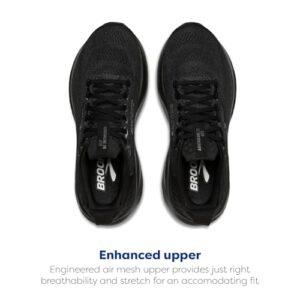
Use a shoe stretcher, heat, or targeted stuffing to gently widen the toe box.
I’ve helped dozens of people and tested multiple methods to show exactly how to stretch shoe toe box safely. This guide explains simple tools, step-by-step methods, shoe-type specifics, risks, and quick fixes so you can widen a tight toe box without wrecking your shoes or your feet. Read on for practical steps, my personal tips, and answers to common questions.

Why the toe box matters
A roomy toe box protects your toes. Shoes that squeeze can cause blisters, corns, bunions, and long-term foot pain. Knowing how to stretch shoe toe box helps you get comfort while keeping shoe shape and support intact.
Foot health experts say proper fit is as important as arch support. A small change in toe space can stop pain and improve balance. If you wear shoes all day, learning to expand the toe box is worth the few minutes it takes.

Signs you need to stretch the toe box
Tight toes, numbness, or red marks near the tips mean the box is too small. If toes touch or overlap, or you feel pressure during walks, stretching helps. New shoes that only press at the toes are often fixable without returning them.
Minor rubbing is normal at first. Sharp pain, persistent numbness, or shoes that alter your gait are red flags to stop and consult a specialist. When you know how to stretch shoe toe box safely, you can fix many fit problems at home.

Methods to stretch shoe toe box
Below are proven ways to stretch the toe box. Choose based on material and how much space you need. I recommend testing small changes first and working slowly.
-
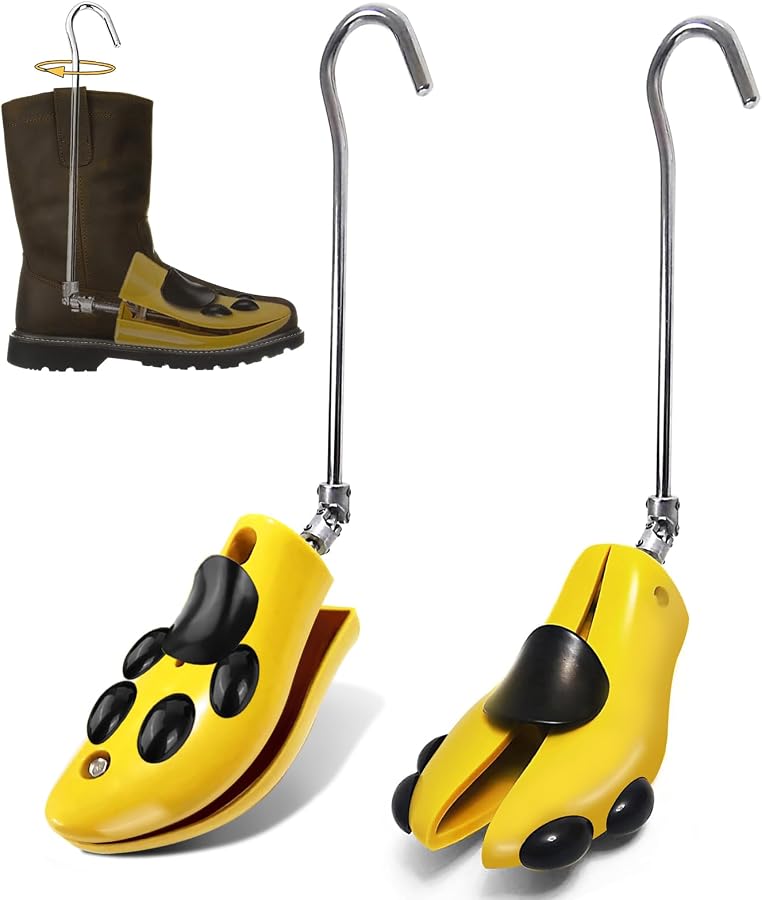
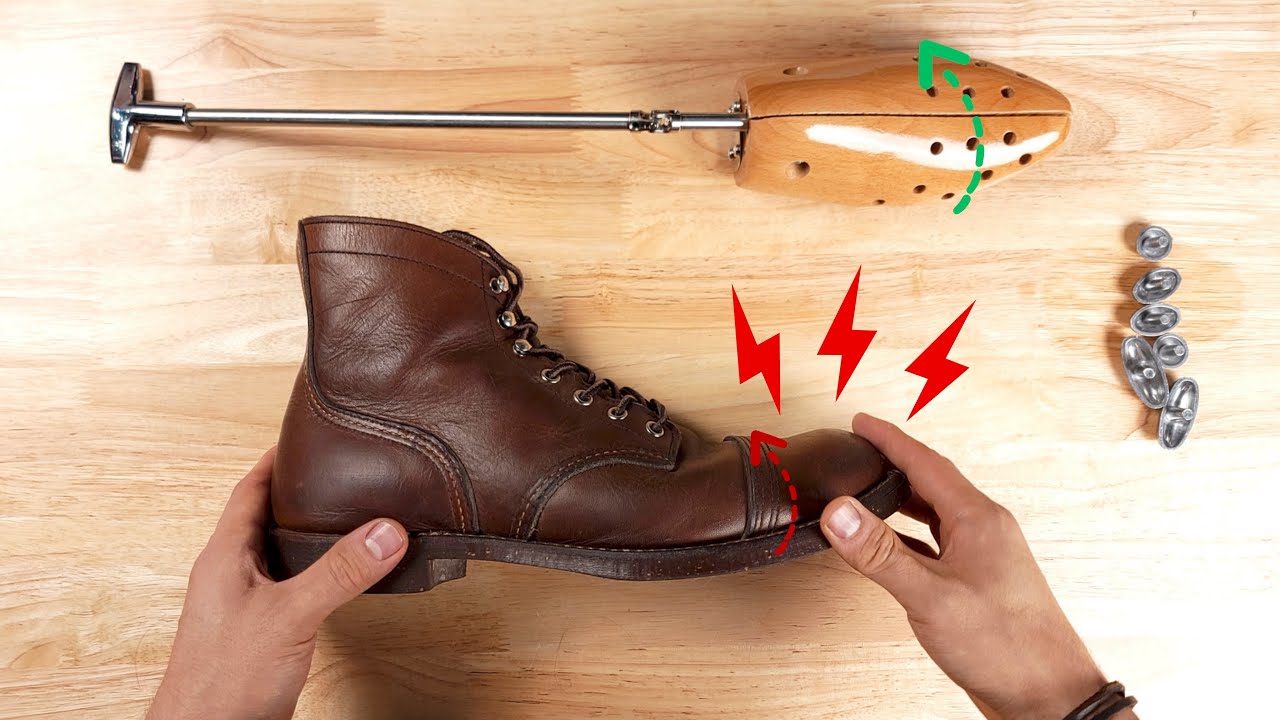
Use a shoe stretcher
- Insert a toe-box stretcher or a full shoe stretcher. Turn the knob slowly to expand the area you need. Leave it set for 6–12 hours and check the fit.
- This is the most controlled method when learning how to stretch shoe toe box.
-
Heat and wear (for leather)
- Warm the shoe with a hairdryer while wearing thick socks. Walk around until shoes cool. Repeat once if needed.
- Heat relaxes leather fibers and lets them mold to your foot.
-
Alcohol or rubbing alcohol method (for leather)
- Spray interior and toe box lightly with rubbing alcohol and wear thick socks. Move toes and walk until dry.
- Alcohol softens leather temporarily and evaporates fast, reducing damage risk.
-
Freezer method (for padded bags or some synthetics)
- Fill a sealable bag with water, place it in the toe box, then freeze. Water expands and pushes the toe area gently.
- Use thin plastic between shoe and bag to avoid moisture contact. Check shoes after thawing.
-
Stuffing and stretching with forms
- Use rolled socks, foam, or wooden shoe trees to push the toe area outward for days. Rotate stuffing shapes to target gaps.
- This is slow but safe for light adjustments.
-
Professional shoe stretching
* Cobbler machines can add targeted width or lift the vamp. This is best for suede, leather, and expensive shoes.- A pro can also patch or soften pressure points you can’t fix at home.
-
Targeted spot stretching for bunions and toe boxes
- Insert a small wooden or plastic wedge at the tight point, then use a stretcher for 6–8 hours.
- This isolates one spot without altering the whole shoe.
Practical steps to follow when you try any method:
- Assess shoe material and how tight the toe box is.
- Start with the mildest method you can: stuffing or a stretcher.
- Test fit after each small change.
- Stop if seams separate or material cracks.
How often you repeat a method depends on the material. Leather stretches more easily. Synthetics resist more and may deform if forced. Keep this in mind when learning how to stretch shoe toe box.
People also ask: Will heat damage my shoes?
- Heat can dry and crack leather when used too hot. Use low heat and short bursts. Test on the shoe’s interior first.
People also ask: Can I widen the toe box permanently?
- Yes, in many cases. Leather responds best and keeps new shape. Synthetics may relax less and can return to their old shape over time.

Materials and shoe types: what works best
Leather
- Stretches well with heat, alcohol, or a stretcher. Leather keeps shape once stretched.
Suede
- Stretch gently. Use a professional or a stretcher with protective covers. Suede can shade or mark if wet.
Synthetics and mesh
- These resist stretching or can warp. Use stuffing or a slow stretcher only. Avoid heat on most synthetics.
Canvas
- Canvas is forgiving. Wetting slightly and stuffing works, but let it dry naturally to avoid odors.
Athletic shoes
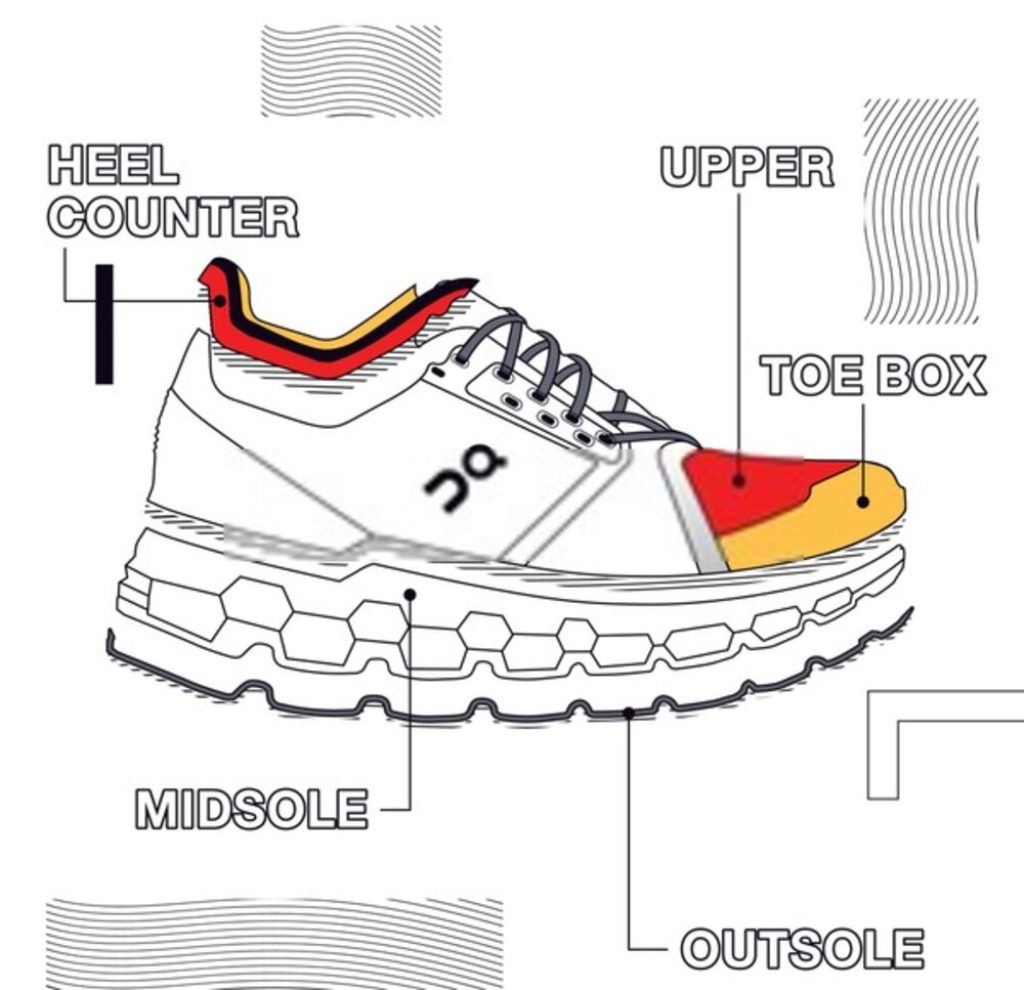
- Many athletic shoes have thin toeboxes. Use mild stuffing or return/re-size. Overstretching can harm cushioning and support.
Heels and dress shoes
- Use a cobbler for significant changes. Simple toe-stretches or local padding removal can help minor tightness.
When you learn how to stretch shoe toe box, match the method to the material. This reduces damage and keeps the shoe wearable.
Precautions, risks, and limitations
Stretching can alter shoe fit. Expanding the toe box too far can loosen heel fit and change gait. Stop if seams split or cushioning compresses.
Some shoes cannot be safely widened. Cheap synthetics often tear or warp. High-precision athletic shoes may lose performance when stretched.
If you have foot conditions such as diabetic neuropathy or poor circulation, don’t try home stretching without medical advice. A podiatrist can guide safe options.

My experience and practical tips
I once tightened leather runners by half a size with a stretcher and heat. I started slow and checked overnight. The shoes gained enough room for daily use and kept their arch support.
Lessons learned
- Start with a shoe stretcher; it’s precise.
- Always test methods on an old shoe first.
- Avoid rushing with heat. Quick changes often cause damage.
- Keep shoes clean before stretching to avoid trapping dirt in cracks.
Quick tips you can use today
- Wear thick socks when experimenting.
- Work in 30–60 minute sessions, then rest and reassess.
- Use protective wraps for suede.
- Consider cobbler service for expensive or delicate shoes.
When you know how to stretch shoe toe box, these small moves save money and increase comfort.
Frequently Asked Questions of how to stretch shoe toe box
How long should I leave a shoe stretcher in a shoe?
Leave a stretcher in place for 6–12 hours. Check the fit and repeat if needed in small increments.
Can I stretch athletic shoes without ruining support?
Minor stretching using stuffing or a gentle stretcher is usually safe. Avoid heat and aggressive methods that can compress midsoles.
Is it safe to use water or soap to stretch canvas shoes?
Slight moisture and stuffing can work for canvas. Let shoes dry naturally and avoid high heat to prevent shrinkage or odors.
How much can a toe box be widened safely?
Most shoes can gain 1/4 to 1/2 size in width with proper methods. Larger changes usually need a professional or different shoe.
When should I see a professional for toe box stretching?
See a cobbler if the shoe is expensive, delicate, or if home methods fail. Also seek a pro if you have foot conditions that require precise care.
Conclusion
Widening a tight toe box can change daily comfort and foot health. Use a stretcher, gentle heat, targeted stuffing, or professional help depending on the shoe material. Move slowly, check often, and favor controlled methods to avoid damage. Try one small change today and track how your feet feel. If this guide helped, leave a comment, share your results, or subscribe for more practical shoe care tips.

Madison Clark is a footwear expert and the voice behind MyStyleGrid.com. She specializes in honest shoe reviews, style tips, and practical guides to help readers find the perfect pair for any occasion. With years of experience in blogging and content creation, Madison makes footwear knowledge simple, stylish, and easy to follow.