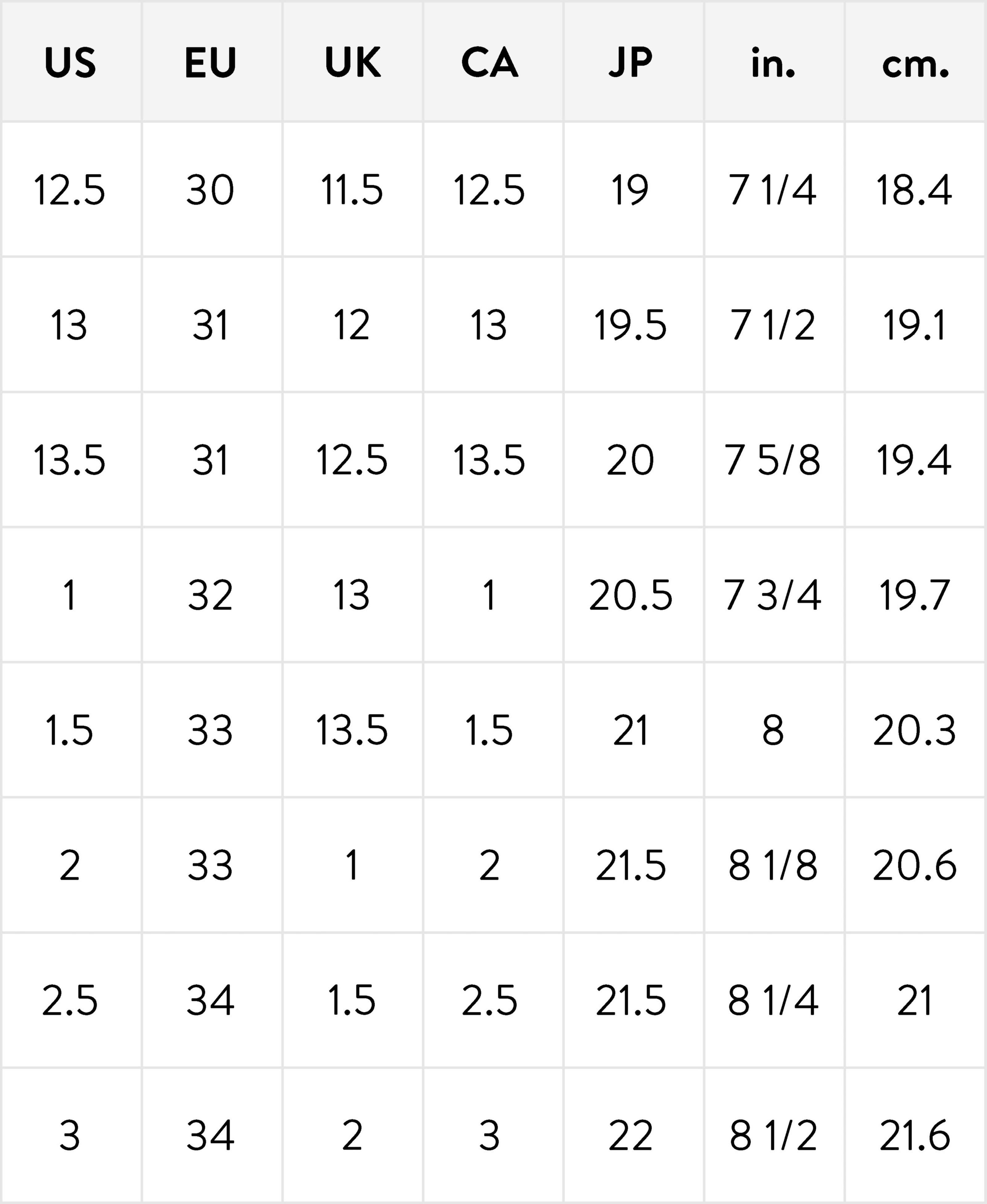
EU size 33 in kids’ shoes usually equals about a US kids’ 1.5Y, but brand charts can vary.
If you are wondering what size is 33 in kids shoes, the key detail is that size 33 usually refers to European sizing. It commonly fits a child with a foot length of about 20.5 to 21 centimeters, yet the best choice depends on the brand, shoe shape, and the child’s measured foot. This guide explains the conversion, fit, measuring steps, and common mistakes so you can buy with confidence.
What size is 33 in kids shoes?
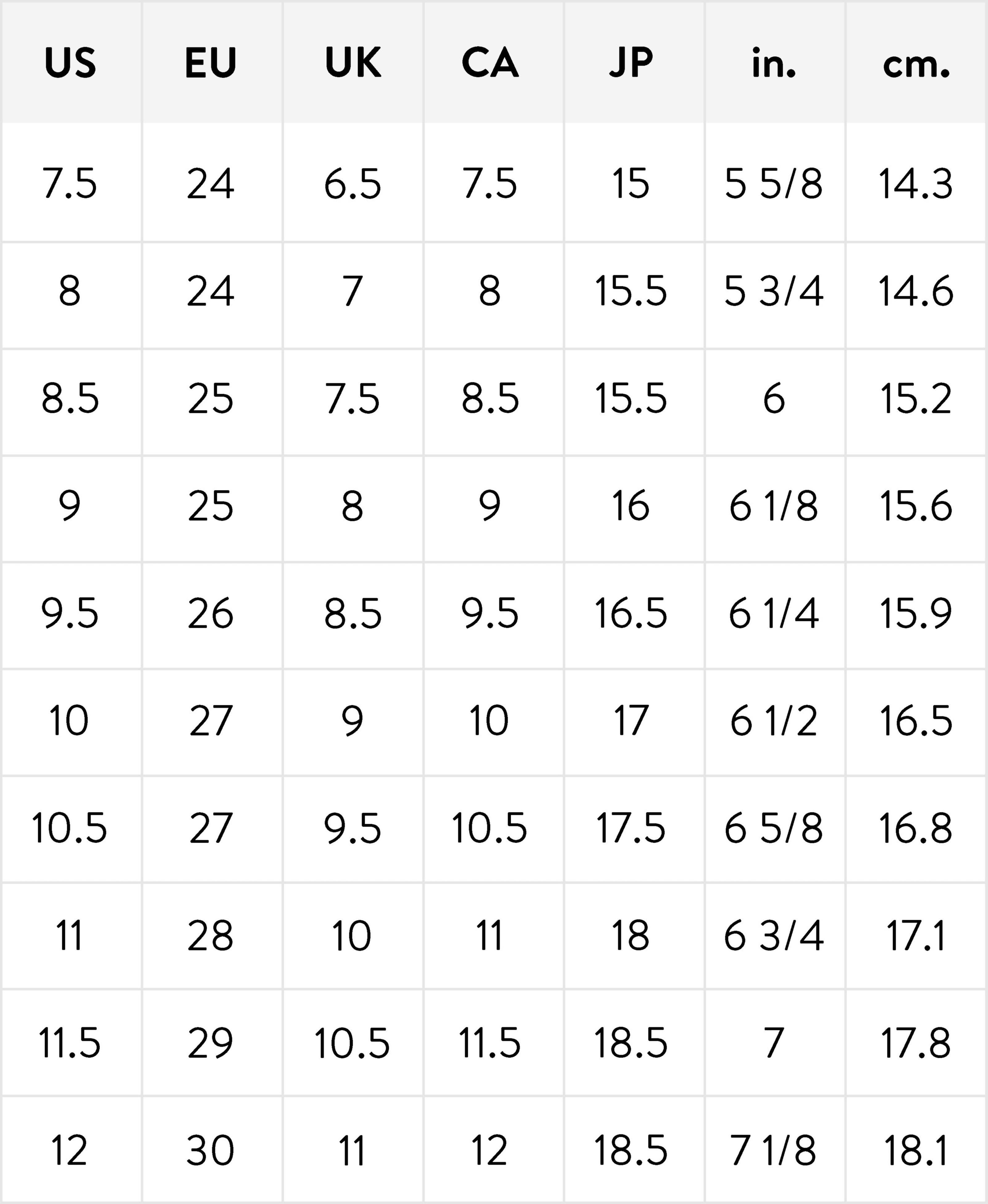
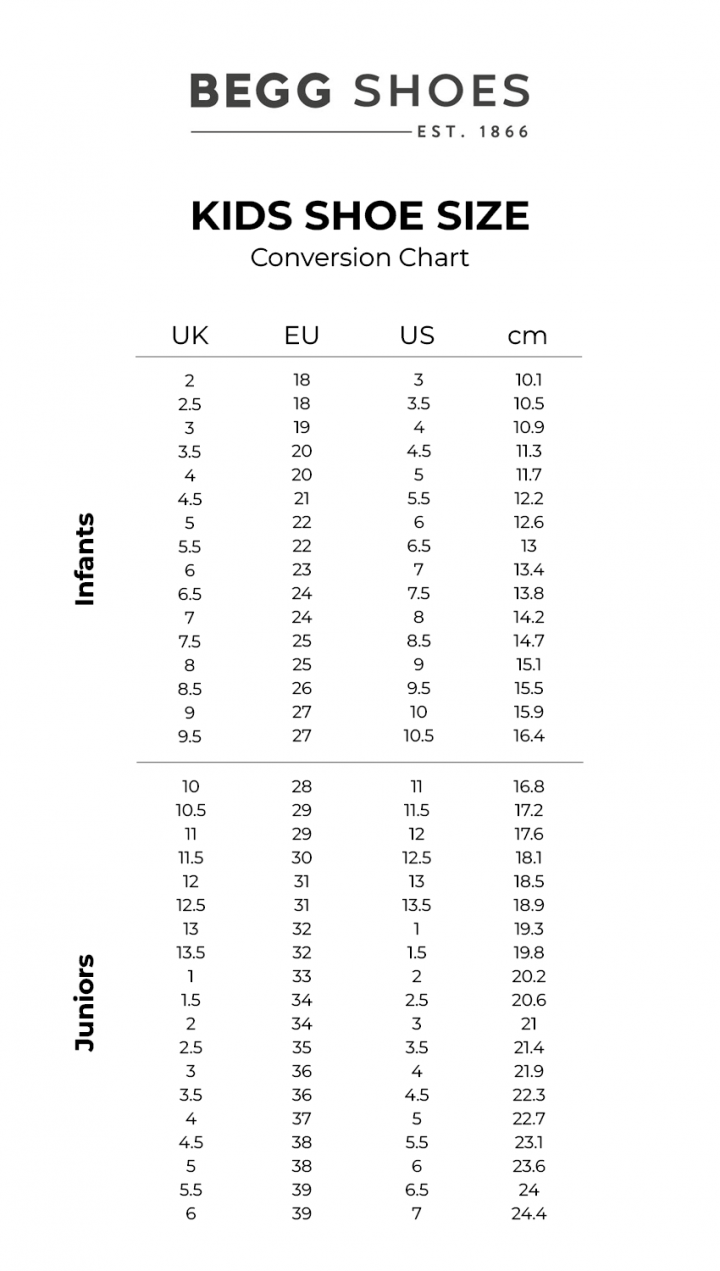
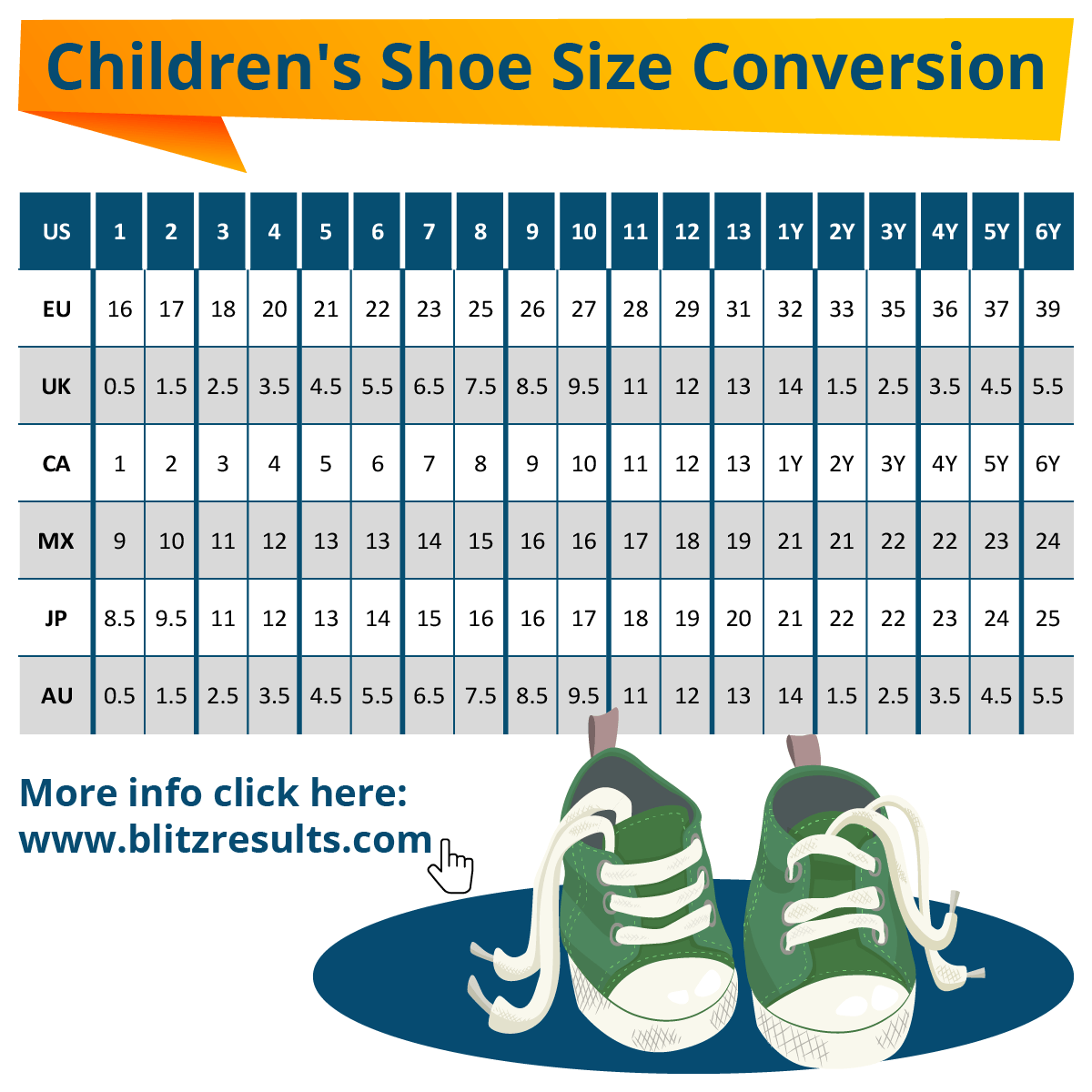
In most popular conversion charts, EU kids’ shoe size 33 equals approximately a US 1.5Y youth size. It may also appear as a US 1Y or 2Y, depending on the brand and the shape of the shoe.
The most useful answer to what size is 33 in kids shoes is this:
| Shoe sizing system | Approximate equivalent |
|---|---|
| European | 33 |
| US kids or youth | 1Y to 2Y |
| Common US estimate | 1.5Y |
| UK kids | About 1 |
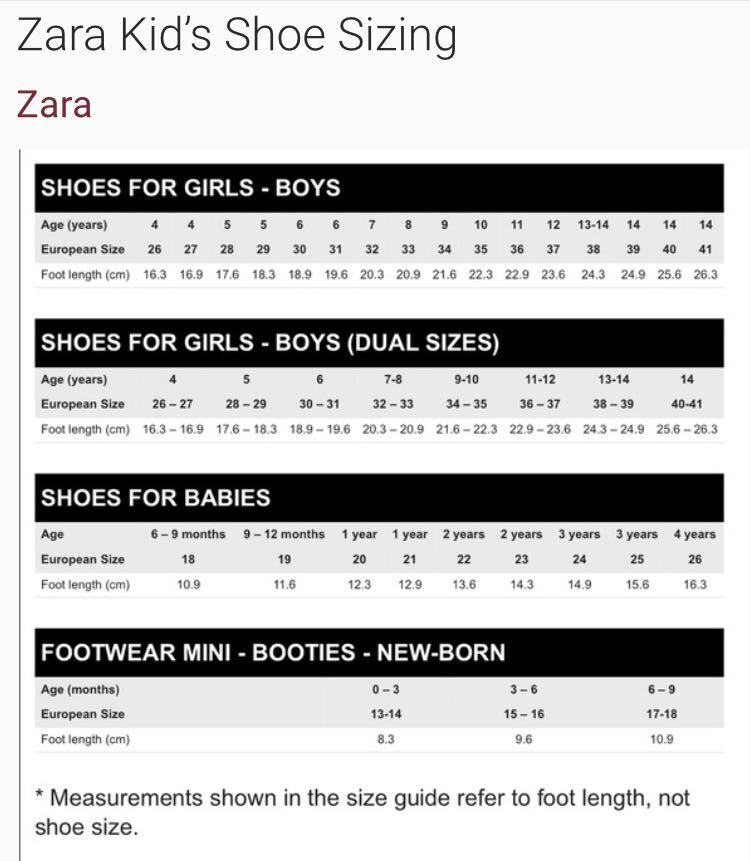
| Foot length | About 20.5 to 21 cm |
| Foot length in inches | About 8.1 to 8.3 inches |
European sizes use a different scale from US sizes. They are not based on the same number system, so an EU 33 does not mean a US size 33. The “Y” after a US size means youth, which is often used for older children and preteens.
When asking what size is 33 in kids shoes, remember that the conversion is only a starting point. A child with wide feet may need a wider version, while a child with a narrow foot may need a snugger design.
EU 33 kids’ shoe size conversion
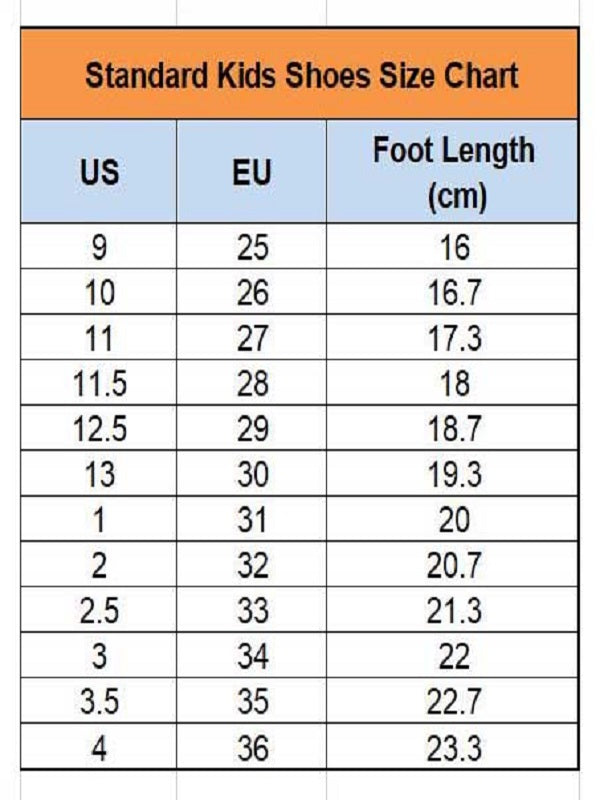
European shoe sizes are often used by brands from Europe and by many international footwear companies. An EU 33 usually sits near the start of the US youth range.
A simple conversion looks like this:
• EU 32: Usually around US 13.5 to 1Y
• EU 33: Usually around US 1 to 2Y
• EU 34: Usually around US 2 to 3Y
• EU 35: Usually around US 3 to 4Y
These ranges overlap because shoe brands do not use one universal shape or fit system. A running shoe may feel different from a school loafer, even when both show EU 33 on the label.
For this reason, the answer to what size is 33 in kids shoes should include the child’s foot measurement. The number on the box matters, but the inside length of the shoe matters more.
Why conversions are not exact
Shoe size charts are estimates. They can differ because of:
• Different measuring systems
• Brand-specific size charts
• Toe shape and shoe design
• Width and volume
• Thick or thin socks
• Extra space built into children’s shoes
Some brands list EU 33 as US 1.5Y. Others list it as US 1Y or US 2Y. Always check the chart for the exact brand before ordering online.
How long is a size 33 kids’ shoe?
An EU 33 shoe generally suits a foot that measures about 20.5 to 21 centimeters long. That equals roughly 8.1 to 8.3 inches.
The shoe itself will usually be longer than the child’s foot. Children need some room in front of their toes for walking, running, and normal foot movement. A useful allowance is about 10 to 15 millimeters, or around half an inch, for many everyday shoes.
This means a child with a foot length near 20.5 centimeters may fit EU 33 well. However, the right amount of space depends on the shoe type:
• Sneakers need room for movement and socks.
• Soccer or cleated shoes often need a closer fit.
• Boots may need extra room for thick socks.
• Sandals should hold the foot securely without letting it slide.
• Dress shoes should not press on the toes.
The answer to what size is 33 in kids shoes cannot be based on length alone. Width, arch shape, and the child’s comfort also affect the fit.
How to measure a child’s feet for EU size 33
Measuring at home is simple. It is also more reliable than guessing by age because children’s feet grow at different speeds.
Follow these steps
- Place a sheet of paper on a hard floor.
- Have the child stand on the paper while wearing the socks used with the shoes.
- Keep the heel lightly against a wall.
- Mark the end of the longest toe.
- Measure from the wall edge to the toe mark.
- Repeat with the other foot.
- Use the measurement from the larger foot.
- Add about 10 to 15 millimeters of growing and movement room.
Measure both feet because it is normal for one foot to be slightly larger. Some children have a difference of several millimeters, and that can affect comfort.
A practical fitting lesson is to measure late in the day. Feet can swell slightly after normal activity, so an evening measurement often gives a more realistic result. This small step can prevent the common mistake of buying shoes that feel fine in the morning but become tight later.
What the measurement may indicate
• About 20.0 cm: EU 32 may be closer.
• About 20.5 to 21.0 cm: EU 33 may be suitable.
• About 21.0 to 21.5 cm: EU 34 may offer better room.
These figures are guides, not strict rules. The brand’s own chart should always take priority.
How should EU 33 kids’ shoes fit?
A properly fitted EU 33 shoe should feel secure without squeezing the foot. The heel should stay in place, and the toes should be able to move freely.
Use these fit checks:
• There should be a small space between the longest toe and the front of the shoe.
• The widest part of the foot should sit comfortably in the widest part of the shoe.
• The heel should not lift heavily when the child walks.
• The upper should not create red marks or pressure points.
• The child should be able to walk, bend, and run without changing their stride.
• Both shoes should feel comfortable, not just the larger or smaller foot.
Do not rely only on a child saying the shoe feels fine. Young children may not notice pressure until they have worn the shoes for hours. Check the feet after use for redness, blisters, or sore areas.
When deciding what size is 33 in kids shoes, fit is more important than age. Two children of the same age may need different sizes, and one child may need different sizes in different brands.
The thumb test
Remove the insole if possible and have the child stand on it. Check the space between the longest toe and the end of the insole. About a thumb’s width can be reasonable, but the exact amount depends on the child’s thumb and the shoe design.
This test works best when combined with walking and standing checks. A shoe can have enough length but still be too narrow or too loose.

Is size 33 the same in every kids’ shoe brand?
No. EU sizing is more consistent than many US size systems, but it is not perfectly identical across brands. Materials, lasts, toe boxes, and manufacturing choices can change the fit.
For example, one brand may design EU 33 for a narrow foot, while another may make the same marked size with more room across the toes. Athletic shoes may also use different internal measurements than casual shoes.
Before buying, review:
• The brand’s EU-to-US conversion chart
• The recommended foot length
• Width options
• Customer comments about fit
• The return and exchange policy
This is especially important when shopping online. A good return policy reduces the risk of choosing the wrong size.
The best answer to what size is 33 in kids shoes may therefore be “US 1.5Y in many brands, confirmed by the brand’s foot-length chart.”
Common mistakes when buying EU 33 kids’ shoes
Many sizing problems come from habits that seem reasonable but do not give an accurate fit.
Buying by age
Age can give a rough idea, but it does not measure the foot. Growth patterns vary widely, so age should never replace a foot measurement.
Measuring only one foot
One foot is often larger. If you buy for the smaller foot, the larger foot may feel cramped.
Measuring while sitting
A child’s foot spreads and lengthens when standing. Always measure with the child standing and placing normal weight on both feet.
Choosing a much larger size for growth
Extra room is helpful, but too much room can cause slipping, tripping, blisters, and poor control. Shoes should not be so large that the child has to curl their toes to keep them on.
Trusting the printed size alone
A label is not a guarantee of fit. Compare the child’s foot length with the brand chart and inspect the shoe’s width and shape.
Forgetting socks
Thick winter socks can make an otherwise suitable shoe feel tight. Measure with the socks the child will normally wear.
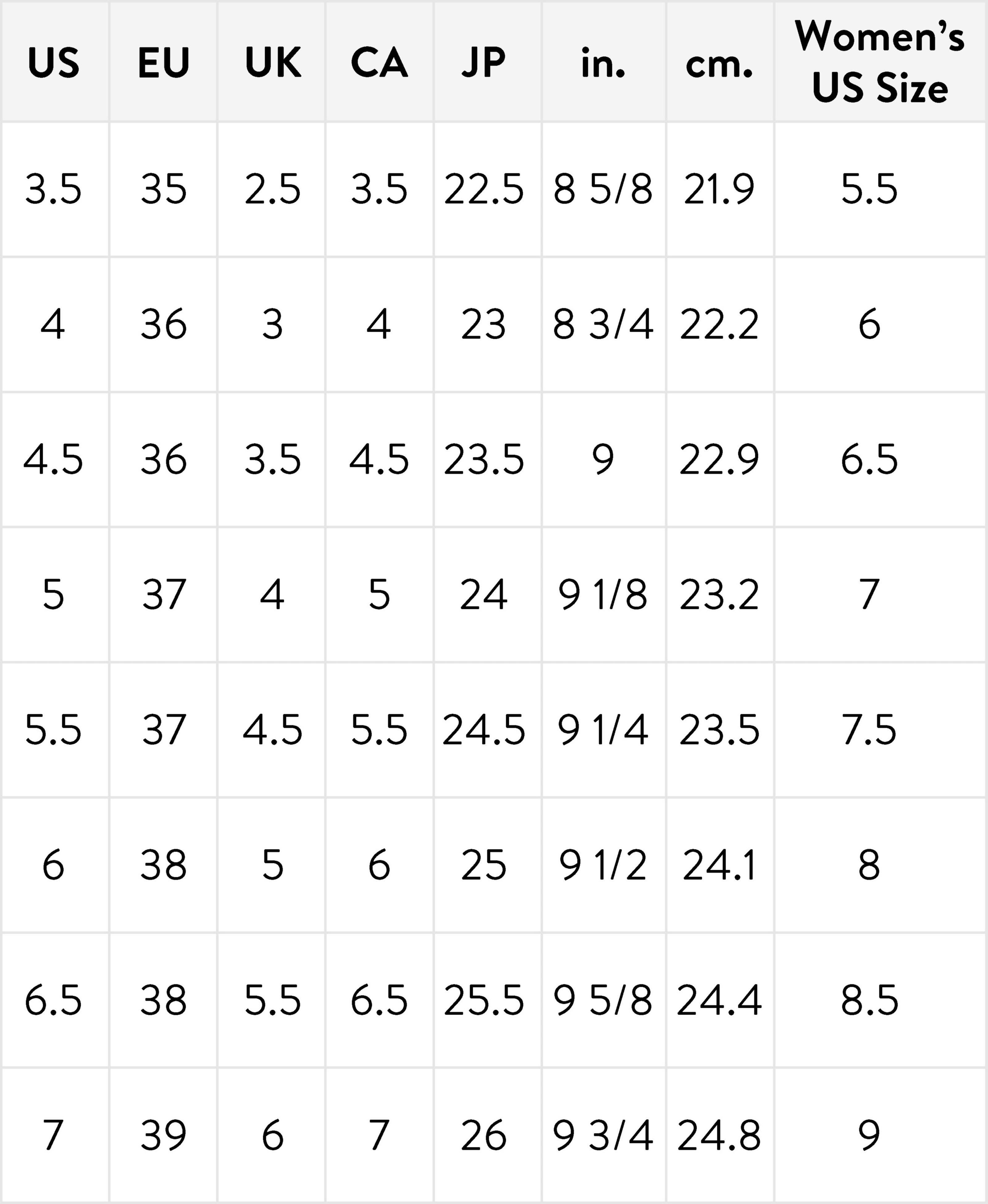
What is the difference between 33 kids’ shoes and 33 adult shoes?
The number 33 usually refers to the same European length scale, whether the shoe is labeled for children or adults. However, the design may differ.
Kids’ shoes often have:
• More flexible materials
• Different support features
• A child-focused width and shape
• Lighter construction
• Lower heels or flatter soles
An adult shoe marked EU 33 may be rare and may not match the shape or support needs of a child’s shoe. A child’s foot is still developing, so comfort, flexibility, and secure fit are important.
When researching what size is 33 in kids shoes, make sure the product is actually made for children. Do not assume that an adult shoe in EU 33 will provide the same fit.

When should a child move up from EU 33?
Children may need a larger size when their toes reach the front, the shoe leaves marks, or the child begins complaining about pressure. Growth can happen quickly, so check the fit every few months.
A move from EU 33 to EU 34 may be appropriate when:
• The longest toe is close to the front of the shoe.
• The child has new blisters or sore spots.
• The shoe feels tight across the toes.
• The heel slips because the child is pushing the foot forward.
• The child’s walking pattern changes.
• The shoe has become difficult to put on.
Do not wait for a hole in the toe. By then, the shoe may have been uncomfortable for some time.
A quick fit check at home takes only a minute. Ask the child to stand, inspect the toe room, and watch them walk. This habit is more useful than relying on a fixed replacement schedule.
Buying EU 33 kids’ shoes online
Online shopping is convenient, but it requires a careful process. Product labels may show EU, US, UK, or a combination of systems.
Use this checklist:
- Measure both feet in centimeters.
- Record the larger measurement.
- Find the brand’s official size chart.
- Match the measurement to the chart.
- Check whether the chart lists foot length or shoe length.
- Review width and fit notes.
- Confirm the return period.
- Keep the packaging until the child has tested the shoes indoors.
Pay close attention to whether the chart describes the foot or the inside of the shoe. A “21 cm shoe length” is not the same as a “21 cm recommended foot length.”
If the child measures between two sizes, consider the shoe type. A flexible sneaker may work in the larger size with a secure lacing system, while a loose sandal may not.
A simple example of choosing EU 33
Imagine a child’s feet measure 20.7 centimeters and 20.9 centimeters. The larger foot is 20.9 centimeters, so that measurement should guide the purchase.
If the brand recommends EU 33 for feet from 20.5 to 21.1 centimeters, EU 33 is likely a good choice. If the brand recommends EU 33 only up to 20.7 centimeters, EU 34 may be safer.
This example shows why what size is 33 in kids shoes depends on more than a conversion table. The same EU size can fit differently across brands, and the child’s larger foot must always be considered.
Frequently Asked Questions About What Size Is 33 in Kids Shoes
What US size is EU 33 in kids’ shoes?
EU 33 is usually about a US 1.5Y youth size. Depending on the brand, it may be listed as US 1Y or US 2Y.
What age child usually wears EU 33?
Many children wearing EU 33 are around 8 to 10 years old, but age is only a rough guide. Foot length and brand fit are more accurate than age.
How many inches is a size 33 kids’ foot?
EU 33 commonly fits a foot about 8.1 to 8.3 inches long. Check the brand chart because the recommended foot length can vary.
Is EU 33 the same as US 33?
No. EU 33 and US 33 use different sizing systems. EU 33 usually converts to about US 1Y to 2Y in kids’ or youth shoes.
Should I buy EU 33 or EU 34 if my child is between sizes?
Choose based on the brand’s foot-length chart and the shoe type. A small amount of extra room is useful, but too much space can cause slipping and poor control.
How much growing room should kids’ shoes have?
Many children’s shoes work well with about 10 to 15 millimeters of space beyond the longest toe. More space is not always better because an oversized shoe can be unsafe and uncomfortable.
Can a child with wide feet wear EU 33?
Yes, if the shoe has enough width and volume. Look for wide options, adjustable laces, or a roomy toe box rather than simply buying a longer size.
Conclusion
EU 33 kids’ shoes usually convert to about US 1.5Y, with many charts showing a range from US 1Y to 2Y. The size commonly suits a foot around 20.5 to 21 centimeters long, but brand charts, width, socks, and shoe design can change the fit.
Measure both feet while standing, use the larger measurement, and allow modest room for movement and growth. Most importantly, treat the conversion as a guide rather than a guarantee. Check the exact brand chart before buying, and share your sizing experience or questions in the comments.

Rubel Miah is the Senior Editor at MyStyleGrid.com, where he brings a sharp editorial eye and an unshakable love for fashion to everything he does. A true style addict, Rubel lives and breathes trends, from streetwear to high fashion, and has a knack for turning inspiration into impactful stories. With years of experience in fashion journalism and digital media, he curates content that empowers readers to express themselves through style. When he’s not editing features or forecasting the next big thing, you’ll find him hunting down vintage pieces or capturing street style moments around the city.