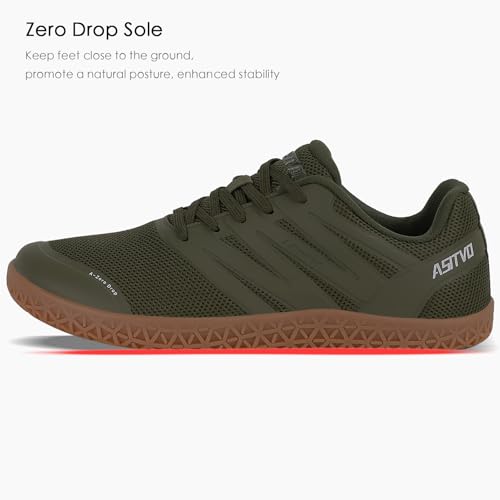
The best barefoot shoes for CrossFit blend a wide toe box, zero drop, grip, and enough protection for hard workouts.
You know the feeling: your toes spread on the floor, but your shoes squeeze them together during squats, box jumps, or deadlifts. A thick heel can also make your stance feel less natural. The right minimalist trainer solves these issues with a flat base, flexible sole, and secure fit. I tested the key features that matter for CrossFit, including ground feel, grip, stability, comfort, and daily wear. The models below cover budget picks, wide feet, women’s sizing, and athletes who want more structure without losing a natural feel.

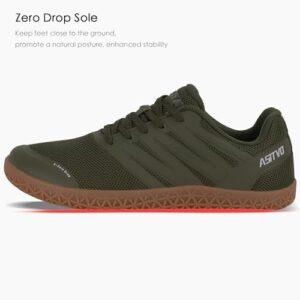
ASITVO Wide Men’s Barefoot Zero…
Zero drop sole, keep your feet close to the ground, promote a natural posture puts less stress on the joints and enhanced stability. Barefoot design, for maximum sensory feedback, to…

AIRHAS Men’s Barefoot Shoes Zero…
Zero-Drop & Super thin – The zero drop, and grippy rubber sole, promote proper posture and balance, connect you to the ground. No Tongue -The minimalist sock-like design make them…

WHITIN Men’s Barefoot Minimalist Running…
Padded rear collar pad for achilles comfort 5mm POWER FOOTBED for underfoot cushioning Engineered knit upper for a sock-like fit and flexible feel Zero-drop, non-elevated sole for proper posture and…
ASITVO Wide Men’s Barefoot Cross-Trainer

The ASITVO Wide is built for people who need more room across the front of the foot. Its zero-drop sole keeps the heel and forefoot at the same height. That flat setup can help you feel more balanced during squats and strength work. The wide toe box also gives the toes space to spread instead of forcing them into a narrow point.
I like the no-sew upper because it reduces bulky seams over the top of the foot. The TPU detail adds a bit of structure for lateral movement and trail use. The cross-trainer design makes this shoe more useful than a soft casual barefoot sneaker. Still, its thin sole may feel too light for athletes who want plush cushioning during high-rep running.
Pros:
- Wide toe box supports natural toe spread
- Zero-drop sole suits flat-foot training
- No-sew upper helps reduce pressure points
- TPU support adds useful structure
- Light design works well for gym and trail use
- Good option for athletes with broad feet
Cons:
- Minimal cushioning may feel firm on hard floors
- Wide shape may feel loose on narrow feet
- Runners may want more heel protection
My Recommendation
I recommend the ASITVO Wide to CrossFit athletes who value room, balance, and a low-to-the-ground feel. It is especially useful for wide feet and for lifters who dislike a raised heel. The grip and structured upper give it more training range than many simple barefoot shoes. If you want the best barefoot shoes for CrossFit with a roomy fit and an outdoor-ready design, this model deserves a close look.
| Best for | Why |
|---|---|
| Wide feet | The broad toe area gives toes more room to spread. |
| Strength sessions | The zero-drop platform keeps your stance level. |
| Gym and trail use | The upper adds support for mixed training. |
AIRHAS Men’s Barefoot Shoes with Toe Box

The AIRHAS Men’s Barefoot Shoes use an anatomical toe box and a zero-drop platform. That combination aims to keep the foot in a more natural shape while you train. The white and gum colorway looks clean enough for daily wear, too. I see this as a simple entry point for anyone moving from traditional trainers to minimalist shoes.
The flat sole can feel stable during deadlifts, presses, and controlled squats. The roomy front gives the toes a better chance to stay active during balance work. Its sneaker-like build may also feel less unusual than an ultra-thin barefoot model. As with any minimalist shoe, you should increase wear time slowly if your calves and feet are not used to the lower heel.
Pros:
- Anatomical toe box supports natural foot shape
- Zero-drop design offers a level stance
- Casual look works beyond the gym
- Gum-style outsole has a practical training feel
- Good starter shoe for minimalist training
- Light structure helps the foot move freely
Cons:
- White upper can show dirt quickly
- Minimal soles may not suit long road runs
- Some users may need time to adapt
My Recommendation
The AIRHAS is best for men who want a clean-looking gym shoe with a flat base and a roomy front. It fits CrossFit basics well, especially strength work, warmups, and short conditioning pieces. I would choose it for a first minimalist pair or for an athlete who wants one shoe for training and errands. Among the best barefoot shoes for CrossFit, this one offers an approachable mix of function and style.
| Best for | Why |
|---|---|
| New barefoot users | The familiar sneaker shape makes the switch easier. |
| Daily gym wear | The simple style works for training and casual use. |
| Strength work | The level sole gives a steady platform. |
WHITIN Men’s Wide Toe Box Trainer

WHITIN has become a popular name in the affordable minimalist shoe space, and this wide toe box model shows why. It focuses on the core barefoot features: a broad front, a flat sole, and a flexible feel. The black and gum color scheme hides gym dust better than a bright upper. It also has the kind of understated look that does not shout “specialty shoe.”
During CrossFit-style sessions, the shoe should feel natural during lifting and floor drills. The wide front helps reduce the cramped feeling that often appears when you brace hard. Its minimalist build keeps your feet close to the ground, which many athletes prefer for deadlifts and kettlebell work. However, people who need strong arch support or thick impact protection may find the design too basic.
Pros:
- Wide toe box allows better toe movement
- Flat sole supports stable lifting positions
- Flexible construction improves ground feel
- Black and gum color is easy to maintain
- Useful for gym work and short runs
- Often offers strong value for a minimalist shoe
Cons:
- Limited cushioning for long pavement runs
- May lack the support desired for heavy lateral work
- Minimal design needs a gradual break-in period
My Recommendation
I recommend this WHITIN model to budget-minded athletes who want a true barefoot feel without a high price. It is a strong fit for lifting, bodyweight work, and short CrossFit conditioning sessions. The wide toe box is the main reason I would select it over a narrow training sneaker. If value ranks high on your list of best barefoot shoes for CrossFit, this WHITIN model is one of the easiest choices to justify.
| Best for | Why |
|---|---|
| Budget shoppers | It focuses on key barefoot features without extras. |
| Wide forefeet | The front gives the toes room during bracing. |
| Basic CrossFit work | The flexible sole suits lifting and floor drills. |
ALEADER Women’s Barefoot Training Shoes

The ALEADER Women’s Barefoot Training Shoes target athletes who want a light, simple option for gym sessions. The black color is practical and easy to pair with most workout clothes. A lightweight design can help the shoe stay out of the way during burpees, lunges, and mobility drills. It also makes the pair appealing for travel and daily movement.
For CrossFit, I look for a shoe that does not bend or slide in odd ways during quick transitions. This model is made for training, so it should feel more purposeful than a casual flat sneaker. The minimalist shape can promote better floor awareness, but it does not replace proper strength progression. New users should start with short sessions and watch for calf, Achilles, or sole soreness.
Pros:
- Lightweight feel supports fast movement
- Black color hides normal gym wear
- Designed for training rather than only casual use
- Useful for burpees and floor exercises
- Easy option for women seeking a minimalist fit
- Compact build works well for travel
Cons:
- May not provide enough cushioning for long runs
- Fit should be checked carefully before high-impact work
- Minimal support may not suit every foot type
My Recommendation
The ALEADER is best for women who want a lightweight barefoot-style trainer for normal gym sessions and mixed movement. I would use it for strength circuits, mobility work, rowing, and short conditioning blocks. It is less suited to someone who needs a firm, highly protective shoe for repeated running. For shoppers comparing the best barefoot shoes for CrossFit in a women’s size range, this is a practical lightweight pick.
| Best for | Why |
|---|---|
| Women’s training | The model offers a focused option in women’s sizing. |
| Light workouts | The low weight feels easy during quick drills. |
| Travel | The simple sneaker design packs with little bulk. |
AIRHAS Men’s Gym Workout Barefoot Shoes

This AIRHAS model adds a gym-focused angle to the brand’s barefoot lineup. It features an anatomical toe box and a zero-drop walking design. The black and gum colorway looks at home in a weight room and does not demand much care. I see it as a flexible everyday trainer for men who want foot freedom without a loud appearance.
The roomy toe area matters most when you push through the floor during a squat or deadlift. A flat sole can also make it easier to sense whether your weight stays even across the foot. The shoe is suitable for warmups, lifting, and moderate circuits. If your workouts include long runs, repeated rope jumps, or outdoor concrete, you may prefer more cushioning and impact control.
Pros:
- Anatomical toe box supports a natural fit
- Zero-drop platform suits strength training
- Black upper is practical for frequent gym use
- Gum outsole style fits casual and workout wear
- Versatile enough for walking and training
- Low profile improves floor awareness
Cons:
- Not a cushioned distance-running shoe
- Jump-heavy workouts may feel firm
- Minimal footwear requires a careful transition
My Recommendation
I would choose this AIRHAS pair for men who split their time between the gym, walking, and casual use. It makes the most sense for strength-focused CrossFit athletes who value a wide front and level platform. The design is simple, useful, and easy to wear often. As one of the best barefoot shoes for CrossFit, it earns consideration from anyone who wants a daily minimalist trainer rather than a race shoe.
| Best for | Why |
|---|---|
| Gym and walking | The build handles daily movement and basic workouts. |
| Men’s minimalist training | The toe box and flat base support natural movement. |
| Low-profile style | The black and gum look stays clean and simple. |
ASITVO Wide Men’s Black Barefoot Trainer

This ASITVO version uses the same wide, zero-drop idea in a black colorway and larger listed size. It has a minimalist width toe box, a no-sew upper, and a cross-trainer profile. Those details point to an athlete who wants space without giving up some upper structure. The black finish also makes it a good choice for demanding gym floors and outdoor use.
The shoe’s flat platform can help keep the foot closer to the ground during lifting. The TPU upper detail may add useful hold when you move side to side. I also like that the design can cover more than one role, from gym work to light trail activity. Check the size chart and foot measurements carefully, since a wide shoe that is too long can reduce control.
Pros:
- Wide toe box suits broad feet
- Zero-drop sole supports a balanced stance
- Black color hides scuffs and dust
- No-sew upper may improve comfort
- TPU detail adds lateral structure
- Cross-trainer shape supports varied workouts
Cons:
- Minimal cushioning may feel hard on concrete
- Large sizing requires careful measurement
- May feel too roomy for narrow feet
My Recommendation
This ASITVO model is best for larger-footed men who want a roomy fit and a darker color. I would select it for athletes who mix lifting, conditioning, and outdoor movement. It gives more structure than a loose sock-like shoe while keeping the key barefoot traits. If your search for the best barefoot shoes for CrossFit starts with size range and toe space, this model is a strong candidate.
| Best for | Why |
|---|---|
| Large or wide feet | The wide profile gives the forefoot needed space. |
| Mixed training | The upper supports gym and light outdoor use. |
| Easy maintenance | The black color hides everyday marks. |
Flux Footwear Adapt Graphene XT Trainer

The Flux Adapt Graphene XT stands apart from the softer, simpler shoes in this guide. It uses a wide toe box and a cross-training design aimed at athletes who want more support. The Graphene XT name signals a more technical build, while the chalk color gives it a modern look. This is the model I would examine first when a workout demands more protection than a very thin barefoot shoe can provide.
A wide platform can help during squats, carries, and lateral drills. The trainer format also makes it more suitable for varied CrossFit sessions than a basic walking shoe. It may feel less flexible than the most minimal models, but that can be a benefit when you need a more secure base. Athletes who want a soft, sock-like feel may find the structure less natural at first.
Pros:
- Wide toe box supports comfortable toe spread
- Cross-trainer build suits varied workouts
- More structured feel than many minimalist shoes
- Good choice for lateral training
- Technical design may improve overall protection
- Useful for athletes who want one serious gym pair
Cons:
- May feel less flexible than thinner barefoot shoes
- Chalk color can show dirt
- Usually costs more than basic minimalist trainers
My Recommendation
I recommend the Flux Adapt Graphene XT to experienced minimalist users who still want a supportive CrossFit trainer. It is best for mixed sessions that include lifting, lateral movement, and short conditioning work. The wide toe box keeps the natural-foot goal, while the stronger build adds confidence when the workout gets fast. For shoppers seeking the best barefoot shoes for CrossFit with a more advanced training feel, this is likely the premium pick.
| Best for | Why |
|---|---|
| Serious CrossFit sessions | The cross-trainer build handles varied gym demands. |
| Lateral movement | Added structure can help the foot feel secure. |
| Experienced barefoot users | It blends natural width with a more technical feel. |
WHITIN Men’s Black Minimalist Running Shoe

This second WHITIN option keeps the wide toe box and minimalist running profile in an all-black design. It is a sensible pick for athletes who like a low-key shoe that can move from the gym to daily errands. The flat setup encourages a close connection with the floor. The simple shape also makes it easy to pair with training clothes.
I would use this shoe for lifting, warmups, mobility work, and short runs. It can help you notice foot position, which matters when you learn to brace through the whole foot. The lack of thick foam keeps the shoe light, but it also limits impact protection. If your CrossFit workouts include a large amount of running, alternate it with a more cushioned model.
Pros:
- Wide front gives toes useful breathing room
- Black upper looks clean and versatile
- Minimal sole offers strong floor awareness
- Light build works well for gym transitions
- Suitable for lifting and short running blocks
- Simple design is easy to wear every day
Cons:
- Not ideal for high-mileage running
- Thin sole gives limited shock absorption
- May feel too plain for users wanting extra support
My Recommendation
The black WHITIN is best for men who want an affordable, quiet-looking minimalist shoe for lifting and light conditioning. It offers the core features most athletes seek without a heavy build. I would choose it over a bulky trainer when ground feel matters more than cushioning. It remains one of the best barefoot shoes for CrossFit for simple sessions, especially when value and daily use matter.
| Best for | Why |
|---|---|
| Low-key style | The all-black design fits gym and casual clothing. |
| Ground feel | The thin, flat sole keeps the foot close to the floor. |
| Short conditioning | The light build works for brief runs and drills. |
Kricely Trail Running and Gym Shoes
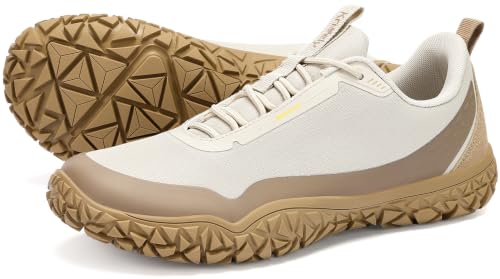
Kricely takes a broader approach by combining trail running, hiking, walking, and gym use. This makes it less specialized than a pure barefoot trainer. It may appeal to athletes who train outdoors or need one pair for many activities. The design offers a practical bridge for users who want natural movement but do not want an extremely thin shoe.
For CrossFit, I would reserve this pair for workouts that include outdoor runs, walks, or rougher surfaces. A trail-style outsole can be useful when the ground is uneven or dusty. It may not offer the same close floor feel as the flattest shoes in this guide. Still, the extra all-purpose focus can make it a smart choice for people whose training does not stay inside a box.
Pros:
- Works across gym, hiking, and walking settings
- Trail design suits outdoor conditioning
- More versatile than a gym-only shoe
- Useful for mixed-surface training
- Good choice for active daily wear
- Can serve athletes who dislike changing shoes
Cons:
- May not feel as minimal as a true barefoot trainer
- Trail styling may be less sleek for indoor gyms
- Check outsole grip before using on polished floors
My Recommendation
I recommend Kricely to men who combine CrossFit with hiking, walking, or outdoor runs. It is not my first pick for pure barbell work, but it offers useful range for athletes who train in many places. The trail focus adds practical value when the path gets rough. If your idea of the best barefoot shoes for CrossFit includes outdoor versatility, this pair is worth considering.
| Best for | Why |
|---|---|
| Outdoor athletes | The trail focus suits uneven and mixed surfaces. |
| One-pair users | It covers gym, walking, hiking, and casual wear. |
| Outdoor conditioning | The design supports runs beyond the gym floor. |
Women’s Wide Toe Box Zero-Drop Sneakers

This women’s barefoot sneaker focuses on a wide toe box and zero-drop shape. Its casual style makes it easy to use for walking, errands, and light gym sessions. That versatility matters if you do not want a shoe that looks like a race or lifting model. The roomy front may also help women who find standard athletic shoes too narrow.
I would use this pair for strength circuits, mobility, warmups, and everyday movement. It should feel natural during exercises where you need to sense the floor. For intense box jumps or long runs, confirm that the fit feels secure and that the outsole grips your gym surface. A casual barefoot shoe can work well, but it should not be forced into a role it was not built to handle.
Pros:
- Wide toe box helps reduce front-foot squeeze
- Zero-drop design supports a level stance
- Casual look works outside the gym
- Good option for women with broad toes
- Useful for walking and light training
- Minimal profile encourages natural foot movement
Cons:
- Casual design may lack advanced training support
- May not suit intense jumping sessions
- Grip should be checked for each gym floor
My Recommendation
This women’s model is best for someone who wants one comfortable shoe for daily wear and moderate workouts. I would not make it my first choice for competition-style CrossFit, but it can serve well during strength and mobility sessions. The wide toe box and flat sole are its main strengths. For shoppers comparing the best barefoot shoes for CrossFit on a budget, it offers useful everyday value.
| Best for | Why |
|---|---|
| Daily wear | The casual design works well beyond training. |
| Wide women’s feet | The roomy toe area reduces front-foot pressure. |
| Light gym work | The flat profile suits basic strength and mobility drills. |
How I Chose the Best Barefoot Shoes for CrossFit
I judged these shoes by the features that affect real CrossFit sessions. A barefoot shoe should let the toes spread, keep the heel low, and bend with the foot. It should also grip the floor and hold the foot during side-to-side movement. No single feature matters if the shoe feels unstable or painful.
I also looked at use beyond the workout. Many athletes walk to the gym, train, run errands, and wear the same pair all day. A practical shoe should handle that routine without feeling bulky. Still, a casual shoe and a high-level training shoe are not always the same thing.
Current sports medicine guidance supports a gradual transition to minimalist footwear. Your calves, feet, and Achilles tendon may work harder when you move from a raised heel to a flat sole. I suggest wearing a new pair for short walks first. Then add easy lifts before using it for a full workout.
What to Look For in Barefoot CrossFit Shoes
Wide Toe Box
Your toes help you balance and press into the floor. A narrow toe box can limit that action and create pressure near the little toes. Look for a front shape that follows your foot instead of tapering sharply. You should have a little space in front of the longest toe and enough width to spread without rubbing.
Zero-Drop Sole
Zero drop means the heel and forefoot sit at the same height. This flat setup can feel stable for squats, deadlifts, and presses. It does not guarantee perfect form, and it does not suit every athlete. If you have always worn thick, raised-heel shoes, transition with care.
Grip and Sole Flex
CrossFit involves quick changes. You may lift, run, jump, climb, and move laterally in one session. The sole should grip without feeling sticky or stiff. It should flex near the toes but still protect you from sharp debris and hard flooring.
Upper Security
A wide shoe should not let your heel slide. Look for a secure lace system and an upper that holds the midfoot. A no-sew upper can feel smooth, while TPU or other overlays can add structure. The best fit feels snug around the middle and roomy at the toes.
Breathability and Cleaning
Hard workouts create heat and sweat. A breathable upper helps keep the foot more comfortable during long sessions. Dark colors hide marks, but light shoes can be easier to inspect for dirt. Follow the care instructions and let the shoes dry fully after sweaty training.
How to Transition Safely to Barefoot Shoes
Do not wear minimalist shoes for a full workout on day one. Start with 15 to 30 minutes of walking. If your feet feel normal the next day, try a short warmup or easy strength session. Increase time in small steps.
For the first few workouts, reduce high-rep jumping and running. Focus on slow squats, deadlifts, presses, and controlled drills. Stop if you feel sharp pain, numbness, or unusual tendon soreness. A little new muscle work can be normal, but pain is a clear warning sign.
Fit also changes how fast you adapt. A shoe that slips can make your foot work too hard. A shoe that squeezes the toes defeats the purpose of a wide toe box. Try the shoes later in the day, when feet are often slightly larger, and wear the socks you plan to use for training.
Are Barefoot Shoes Good for CrossFit?
They can be very good for many CrossFit movements. The flat sole often feels stable during lifting, and the flexible design allows natural foot motion. The wide toe box can help athletes maintain a stronger base. These benefits matter most when the shoe fits well and the user has adapted.
They are not perfect for every workout or every foot. High-volume running can feel harsh in a thin sole. Athletes with current foot pain, tendon problems, or balance limits should ask a qualified health professional before changing footwear. The best barefoot shoes for CrossFit should support your training plan, not replace good coaching or gradual progress.
FAQs Of best barefoot shoes for crossfit
What makes a shoe good for CrossFit?
A good CrossFit shoe offers a stable base, secure upper, useful grip, and enough flexibility for varied movement. A wide toe box and zero-drop sole are helpful for athletes who prefer a natural feel.
Are barefoot shoes good for squats and deadlifts?
Many athletes like them for squats and deadlifts because the flat sole keeps the foot close to the floor. Start with light loads if you are new to minimalist shoes.
Can I run in barefoot CrossFit shoes?
You can use them for short runs if your feet are adapted and the sole feels comfortable. For long runs or hard pavement, a shoe with more cushioning may be a better choice.
How should barefoot CrossFit shoes fit?
The heel and midfoot should feel secure. The toes should have room to spread, and the longest toe should not touch the front. Check the brand’s size chart before ordering.
How long does it take to adjust to barefoot shoes?
Adjustment time varies. Some people adapt in weeks, while others need longer. Begin with short walks and easy workouts, then increase use only when your body feels ready.
Final Verdict: Which Should You Buy?
For most athletes, I would choose the Flux Adapt Graphene XT for its wide toe box and stronger CrossFit-ready build. For value, the WHITIN models stand out. Wide-foot users should consider ASITVO, while women wanting daily comfort may prefer ALEADER.
The best barefoot shoes for CrossFit should feel stable, roomy, and secure. Start slowly, check the fit, and choose the model that matches your workouts.

Madison Clark is a footwear expert and the voice behind MyStyleGrid.com. She specializes in honest shoe reviews, style tips, and practical guides to help readers find the perfect pair for any occasion. With years of experience in blogging and content creation, Madison makes footwear knowledge simple, stylish, and easy to follow.