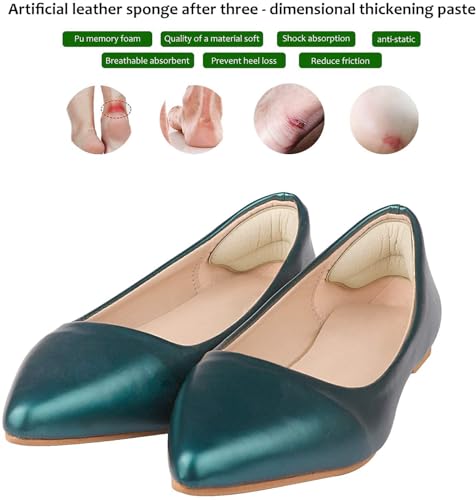
The best heel grips for loose shoes add a soft, secure fit while helping reduce heel slip, rubbing, and blisters.
Have you ever found the perfect pair of shoes, only to discover that your heel lifts with every step? Loose shoes can turn a short walk into a painful chore. Heel grips act like a small cushion at the back of the shoe. They fill extra space, improve hold, and help protect skin from friction. I reviewed these options for fit, comfort, padding, ease of use, color choice, and overall value. This guide will help you choose the best heel grips for loose shoes without wasting money on inserts that peel, bunch, or feel too thick.

Heel Grips Liner Cushions Inserts…
Package Includes: 4 pair Heel Liners Material: Made of Suede materials ,ensure breathable, comfort and cushionin Easy to use: these shoe heel stickers have self-adhesive backs; Peeling off the back…

6 Pairs Heel Pads Heel…
4D Full Protection: Our heel cushion pads offer complete protection for your heels, helping to prevent blisters, friction, loose shoes and discomfort. Ultra Soothing: These cushion pads are made with…

Heel Grips Liner Cushions Inserts…
【End Friction & Prevent Slipping】- Secure, All-Day Comfort: Engineered to solve the common problem of loose shoes. Our cushions fill the gap to stop heel slippage and reduce rubbing, helping…
Heel Grips Liner Cushions for Loose Shoes

This set gives you four pairs of heel grips in pale apricot and black. That mix is useful when you want a softer look in dress shoes or a darker liner in boots and casual shoes. The cushion sits at the rear wall of the shoe, where it can reduce movement without taking up room under the toes. For a shoe that feels just a little too big, this style can make the fit feel more controlled.
I like the multi-pair format because one pair can stay in your favorite flats while another fits a work shoe or weekend sneaker. The rear cushion may also help limit the rubbing that often causes hot spots and blisters. Clean, dry the shoe first, and press the grip down firmly for a better bond. As with any adhesive insert, check the fit before wearing it for a full day.
Pros:
- Four pairs provide useful backup
- Includes pale apricot and black color choices
- Helps fill extra space behind the heel
- Can reduce heel lift and shoe movement
- Useful for both men’s and women’s footwear
- May help limit friction on the back of the heel
Cons:
- Adhesive may not hold well on dusty or textured linings
- May feel too padded in a very narrow shoe
- Color matching may not suit every shoe interior
My Recommendation
I recommend this option for shoppers who want a simple fix and several pairs at once. It suits flats, loafers, pumps, and other shoes with a little extra room at the heel. The two-color pack also helps if your shoe collection includes both light and dark linings. For everyday value, this is a strong candidate for the best heel grips for loose shoes, especially when you need more than one pair.
Six-Pair Heel Pads for Loose Shoes

This heel pad set includes six pairs in black and beige. The larger supply makes it a practical choice for people who rotate many shoes or want spare pairs ready for travel. The heel liner is made to address several common problems at once: loose fit, heel slip, rubbing, and discomfort. A rear pad can help take up the small gap that lets a shoe slide during each step.
The black and beige mix gives you more freedom to match different shoe colors. I would use the beige pads in lighter flats and the black ones in boots, sneakers, or dark dress shoes. These inserts are most helpful when the shoe is only slightly loose; they cannot correct a shoe that is dramatically oversized. Apply them to a clean, dry surface and give the adhesive time to set before walking outside.
Pros:
- Six pairs offer excellent quantity
- Black and beige colors suit many shoes
- Targets heel slipping and rear-foot movement
- Can help reduce rubbing and blister risk
- Useful for a household with several shoe sizes and styles
- Good choice for keeping replacement pairs on hand
Cons:
- May require careful placement to avoid wrinkles
- Not a full solution for shoes that are much too large
- Adhesive performance can vary with shoe lining material
My Recommendation
This set is best for families, frequent travelers, and anyone with several pairs of loose shoes. Six pairs make it easier to test the fit in different footwear without buying another pack right away. If you want the best heel grips for loose shoes with strong quantity value, this set deserves close attention. It is also a sensible option for people who often deal with friction after wearing new shoes.
Beige and Black Heel Grips, Eight Pieces
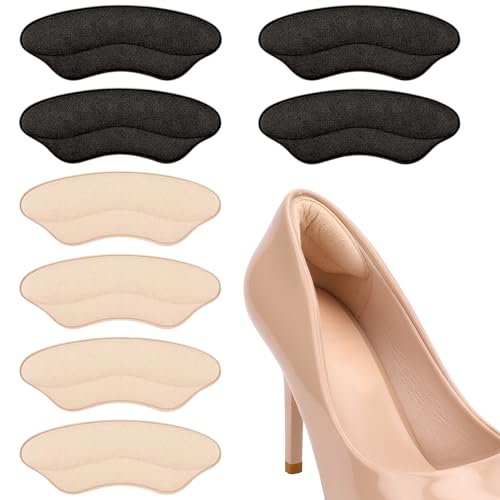
This package offers eight pieces in beige and black. The two-color design lets you choose a low-key shade for the inside of your shoes. It is made for the back of the shoe, where a soft liner can reduce the gap between your heel and the shoe wall. That can help a loose shoe feel closer and more stable.
Eight pieces can be helpful if you need to adjust more than one pair or want extra parts for future use. I suggest placing the grip slightly below the shoe rim so it does not press against the Achilles area. Walk indoors first and check for sliding, bunching, or pressure. Small placement changes often make a major difference in comfort.
Pros:
- Eight pieces provide flexible use
- Includes both beige and black liners
- Helps reduce space at the heel
- May improve the hold of flats and loafers
- Can reduce rear-foot friction
- Useful for testing inserts in several shoes
Cons:
- Piece count may not equal eight complete pairs
- May not provide enough padding for severe heel pain
- Placement must be precise for the best fit
My Recommendation
I would choose this pack for someone who wants a broad supply of heel liners at a reasonable cost. It works well for a small shoe wardrobe with different colors and shapes. The design focuses on fit correction rather than thick underfoot cushioning. In my view, it belongs among the best heel grips for loose shoes for shoppers who value color choice and spare pieces.
Heel Pads for Shoes That Are Too Big

This set includes four pairs in beige and black. It targets shoes that feel loose around the heel and need a little extra filler. The rear cushion can help stop the foot from lifting out of the shoe as you walk. It may also create a smoother contact point between the shoe and the skin.
The dual-color pack is practical for dress shoes, work shoes, and casual styles. I find heel pads most useful when the shoe fits well across the toes but has extra space behind the heel. They should not force your foot forward or squeeze your toes. If that happens, remove the pad and try a lower position or a thinner option.
Pros:
- Designed for shoes that are too big at the back
- Four pairs give useful replacement value
- Beige and black shades blend with many linings
- May help keep the heel inside the shoe
- Can reduce rubbing during normal walking
- Works for men’s and women’s shoes
Cons:
- May not suit shoes with a very low heel collar
- Could feel tight in shoes with little rear space
- Adhesive needs a clean surface to work properly
My Recommendation
This option is best for people whose shoes fit across the front but slip at the back. It is a good match for office shoes, pumps, loafers, and casual footwear. The four-pair supply balances cost and convenience. If your main goal is to fill a small heel gap, these may be some of the best heel grips for loose shoes for daily use.
EIRMAT Heel Pads for Shoes That Are Too Big
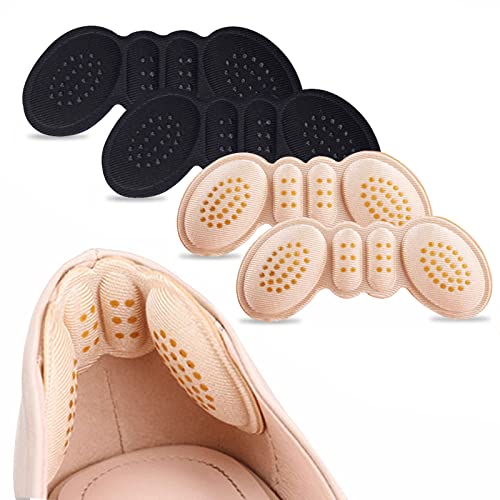
The EIRMAT set provides four pairs of heel pads for shoes that feel too large. Its purpose is simple: add a soft layer at the back of the shoe and reduce unwanted heel motion. This type of insert can make a loose pair feel more secure without changing the insole under your foot. It may be especially useful when the extra space is limited to the heel area.
Four pairs are enough for a few favorite shoes, with some extras for replacement. I recommend checking the shoe shape before applying the pad because a tall heel counter and a shallow heel collar need different placement. Press from the center outward to help avoid air pockets. Give the insert a short indoor trial before wearing it on a long walk or during work.
Pros:
- Four pairs support use in multiple shoes
- Helps address a loose heel fit
- Does not take space under the toes
- May reduce heel lift while walking
- Simple design is easy to understand
- Useful for dress shoes and daily footwear
Cons:
- Limited color information may affect matching
- Not intended to replace medical treatment for heel pain
- May lose grip if moved from shoe to shoe often
My Recommendation
I recommend EIRMAT for shoppers who want a focused heel-fit solution without extra features. It is best for shoes with a modest amount of room behind the foot. People who need a few pairs for a small collection should find the quantity useful. For a basic, low-fuss choice among the best heel grips for loose shoes, this set is worth considering.
Dr. Shoesert Soft Gel Heel Grips

Dr. Shoesert combines soft gel heel grips with four pairs and a shoehorn. The gel-style construction is appealing if you want a cushioned feel at the rear of the shoe. A soft heel contact can help reduce the sharp rubbing that often happens when a shoe is loose. The included shoehorn may also make it easier to put on footwear without crushing the heel counter.
This set makes sense for people who care about both fit and comfort. Gel can feel gentle, but it may take more room than a thin fabric liner, so check the shoe opening before use. I would place the grip carefully and avoid stretching it during installation. The shoehorn is a useful extra for boots, loafers, and shoes with a firm back.
Pros:
- Soft gel style may feel comfortable against the heel
- Includes four pairs
- Comes with a shoehorn
- Can help reduce heel slip
- May cushion rubbing points
- Useful for users who dislike hard inserts
Cons:
- Gel may feel too thick in snug shoes
- Can attract lint or dust if exposed
- May not be ideal for very warm conditions
My Recommendation
Dr. Shoesert is best for users who want a softer, more cushioned heel contact and appreciate a shoehorn in the package. It may suit dress shoes and boots that have enough room for a thicker rear pad. If simple comfort is your top concern, this is a compelling choice for the best heel grips for loose shoes. The extra shoehorn adds practical value for regular shoe wear.
Dr.Foot Heel Grips With Shoe Horn
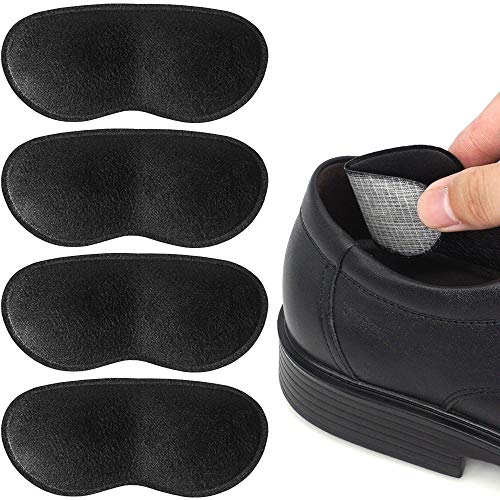
Dr.Foot offers two pairs of self-adhesive heel grips plus an extra shoehorn. This smaller pack may appeal to someone who only needs to fix one or two pairs of shoes. The insert is designed to help with slipping, rubbing, blisters, and general shoe fit. It works at the point where the heel moves against the shoe, rather than adding bulk beneath the foot.
The shoehorn is a helpful addition because it can protect the heel insert during use. I would choose this set when I want a known, straightforward solution and do not need a large multipack. The smaller quantity may also reduce waste if you have one special pair that causes trouble. Apply it after cleaning the lining, then test the shoe indoors with the socks or hosiery you normally wear.
Pros:
- Includes two pairs and an extra shoehorn
- Useful for one or two problem shoes
- Self-adhesive design is simple to install
- May help prevent heel slipping
- Can reduce rubbing and blister-causing friction
- Suitable for men’s and women’s footwear
Cons:
- Fewer pairs than most multipacks
- May not provide enough extras for a large shoe collection
- Adhesive may need replacement after extended use
My Recommendation
I recommend Dr.Foot for shoppers who want a compact kit from an established foot-care brand. It is best for a favorite pair of work shoes, dress shoes, or casual shoes that slip at the heel. The shoehorn adds convenience and may help extend the life of the insert. Among the best heel grips for loose shoes, this is a strong pick when quality and a small pack matter more than quantity.
PHIXBEAR Heel Pads for Loose Shoes

PHIXBEAR heel pads are made for shoes that feel too big or loose around the back. The set contains four pairs and focuses on fit support and heel comfort. A rear pad can reduce the amount of empty space and help keep the shoe from sliding off during a step. It may also create a barrier between the heel and a rough shoe edge.
This type of insert can be useful in new shoes before the lining has softened. It may also help with older shoes that have stretched over time. I recommend matching the pad to the shoe’s heel height and collar shape before removing the backing. Start with a short wear test, since comfort depends on both the insert and the shape of your foot.
Pros:
- Four pairs provide practical coverage
- Made for too-big and loose shoes
- May improve heel retention
- Can help reduce rear-heel friction
- Useful in new or stretched footwear
- Does not alter the toe area
Cons:
- May not solve looseness across the whole shoe
- Can feel restrictive if placed too low or too high
- Requires careful surface cleaning before use
My Recommendation
PHIXBEAR is best for people who need a balanced fix for loose shoes and mild heel discomfort. It suits buyers who want four pairs without choosing a gel-style design. If an old favorite has stretched at the back, these pads may help bring back a closer fit. I consider it a useful contender among the best heel grips for loose shoes for everyday comfort.
Thick Heel Pads, Black and Beige, Six Pairs
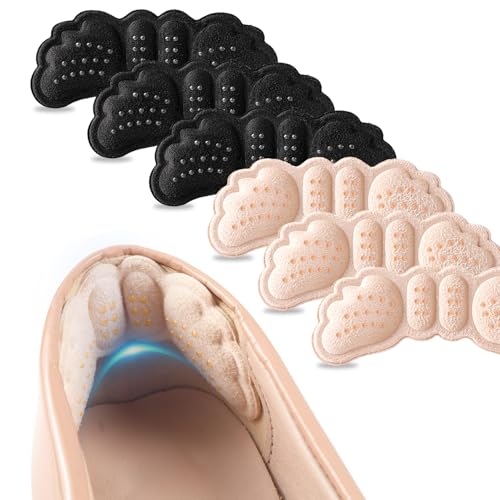
This set lists a thickness of 0.27 inch and includes six pairs in black and beige. The added thickness can help fill more space than a very thin heel liner. That makes it worth considering for shoes with a clear gap behind the heel. The two colors allow you to use a less visible shade in light or dark footwear.
Thicker pads need more care during selection. They can improve hold in a roomy shoe, but they may make a close-fitting shoe feel tight. I suggest trying them with the socks or stockings you plan to wear most often. If your heel still slips after fitting, check the shoe length and width because a pad cannot fully correct a poor overall size.
Pros:
- Clearly stated 0.27-inch thickness
- Six pairs offer strong quantity
- Black and beige shades increase versatility
- Useful for shoes with a larger heel gap
- May provide more fill than thin liners
- Can help stabilize the heel during walking
Cons:
- May feel bulky in narrow shoes
- Could press the heel if the shoe already fits closely
- Thickness may change the way some shoes open
My Recommendation
This is best for shoppers who know they need a thicker heel filler. It can suit roomy pumps, loafers, boots, and shoes that have stretched over time. I would not choose it first for a snug shoe or a narrow heel collar. For a larger fit gap, however, it may be among the best heel grips for loose shoes because the stated thickness gives you a clear idea of what to expect.
Six-Pair Heel Cushion Pads for Men and Women

This six-pair black set is aimed at loose shoes, heel slip, blisters, and heel discomfort. The cushion pad sits behind the heel and can help reduce the repeated movement that causes rubbing. Black is a natural match for boots, athletic shoes, dark loafers, and many work shoes. The larger quantity also makes it easy to outfit several pairs.
I like this style for people who prefer a uniform look inside their footwear. The black color is less likely to stand out in a dark shoe, and six pairs provide helpful replacements. As with other adhesive heel grips, the shoe lining must be free of oil and dust. Use a gradual break-in period so you can spot pressure before a full day of wear.
Pros:
- Six pairs provide good replacement value
- Black color works well in dark shoes
- Designed for loose shoes and heel slip
- May help reduce blister-causing friction
- Suitable for men’s and women’s footwear
- Useful for boots, sneakers, and work shoes
Cons:
- Black may show inside light-colored shoes
- May not offer enough fill for a very large gap
- Adhesive life depends on use and shoe lining
My Recommendation
I recommend this set for people who mainly wear black footwear and want several pairs ready to use. It is a good everyday option for work shoes, boots, and casual sneakers. The focus on cushion and friction control may appeal to anyone with sensitive heels. If you want the best heel grips for loose shoes in a simple black multipack, this one is a practical choice.
How Heel Grips Help Loose Shoes Fit Better
Heel grips are small pads that attach to the inside back of a shoe. They reduce the open space between the heel and the shoe collar. This can limit heel lift and make each step feel more secure. Think of them as a soft doorstop for your shoe, only far more comfortable.
They work best when the shoe is close to the right size. A heel grip may help if a shoe has stretched, if one foot is slightly smaller, or if the heel collar feels too wide. It will not turn a shoe that is two sizes too large into a proper fit. A shoe that is too long can push the foot forward and create toe pressure, even after you add a rear pad.
Heel grips can also reduce friction. The American Academy of Dermatology advises reducing rubbing and keeping skin protected when preventing blisters. A heel liner cannot guarantee that a blister will not form, but it can reduce direct contact with a rough edge. Stop using any insert that causes numbness, sharp pain, swelling, or skin damage.
What I Look For in the Best Heel Grips for Loose Shoes
Correct thickness
Thickness controls how much space the grip fills. Thin pads suit shoes that slip only a little. Thick pads help more when the heel gap is larger. Too much padding can create pressure, so I always compare the insert size with the shoe opening.
Reliable adhesive
An adhesive grip should stay in place during normal walking. The shoe lining must be clean and dry for that to happen. Many inserts fail because users apply them over dust, lotion, loose fabric, or old glue. I clean the area with a dry cloth and let it dry fully before installation.
Soft contact surface
The part touching your heel should feel smooth. Rough edges can create the same problem the insert was meant to solve. Soft foam, fabric, and gel can all work, but comfort depends on the shoe and the user. I prefer a pad that bends with the shoe rather than one that feels stiff.
Shape and coverage
A wide pad can spread pressure over more of the heel. A narrow pad may fit better in a slim shoe. The best heel grips for loose shoes should cover the rubbing zone without rising above the collar. A pad that sticks out may catch the heel or peel away.
Color
Color does not change fit, but it affects appearance. Beige can blend into light shoes. Black works well in boots and dark footwear. If you plan to move a grip between shoes, a two-color pack gives more flexibility.
Number of pairs
One pair may be enough for a single problem shoe. A multipack is better if several pairs need help. Extra pads also matter because adhesive products can wear down or collect lint over time. I consider the cost per pair, not just the front-page price.
How to Install Heel Grips Correctly
Good placement matters as much as the product. Start by trying the shoe on with the usual socks or hosiery. Mark the spot where your heel rubs or where the shoe feels loose. This small test helps you avoid putting the grip too high, too low, or too far to one side.
- Remove dust and residue from the inside heel wall.
- Let the area dry before applying the grip.
- Peel away the backing without touching too much adhesive.
- Place the center of the pad at the rubbing point.
- Press from the center toward the edges.
- Hold it in place for several seconds.
- Wait as directed before extended wear.
- Test the shoe indoors before going outside.
Do not apply lotion to the shoe lining before installation. Do not fold the pad or leave loose corners. If a corner lifts, remove the grip and replace it rather than pressing a dirty edge back down. Proper preparation often makes the difference between a liner that lasts and one that peels after one use.
Heel Grips Versus Other Shoe-Fit Fixes
Heel grips versus insoles
Heel grips add material at the rear wall. Insoles add material below the foot. Use a heel grip when the shoe slips at the back but feels fine under the toes. Use a full insole when the whole shoe feels loose or lacks support. Some shoes can use both, but stacking inserts may make the shoe too tight.
Heel grips versus ball-of-foot pads
Ball-of-foot pads sit under the front of the foot. They can stop the foot from sliding forward in high heels. Heel grips address the rear of the shoe. If your foot slides forward and your heel lifts, you may need to fix both problems, but start with the cause that feels strongest.
Heel grips versus thicker socks
Thicker socks are quick and cheap. They may work in sneakers or boots, but they do not suit pumps, flats, or dress shoes. Socks can also add heat and pressure across the toes. Heel grips offer a more targeted fix and usually preserve the original feel of the shoe.
Heel grips versus professional alteration
A cobbler can make a more permanent adjustment. That route makes sense for expensive shoes, severe fit problems, or delicate materials. Heel grips cost less and let you test a solution first. If pain continues, a professional fitting or shoe alteration may be the wiser choice.
Common Mistakes to Avoid
The first mistake is choosing a pad that is too thick. More cushion does not always mean more comfort. If the insert presses your heel or changes the shoe angle, it may create new pain. Match the thickness to the actual gap instead of guessing.
The second mistake is placing the grip too high. The upper edge should not scrape the Achilles tendon. Position it where the heel moves against the shoe, then test it with normal steps. A few minutes indoors can reveal a problem early.
The third mistake is ignoring shoe size. Heel grips can improve a close fit, but they cannot repair an unsafe or badly oversized shoe. If your toes feel cramped after adding a grip, the foot may be sliding forward. Try a different insert or reassess the shoe size.
The fourth mistake is wearing new grips on a long trip. Give the adhesive time to settle and your skin time to adjust. Keep a spare pair in your bag if you plan to walk for hours. Small preparation can prevent a painful day.
Care and Replacement Tips
Keep the inside of the shoe dry. Sweat, heat, and skin oils can weaken adhesive over time. If the liner gathers lint or begins to curl, replace it. A loose edge can rub more than the original shoe lining.
Do not wash adhesive heel grips unless the product instructions allow it. Water may damage the backing or change the shape. If you need a fresh start, remove the old pad slowly and clean leftover adhesive from the shoe. Test any cleaning method on a hidden area first.
Rotate shoes when possible. Letting footwear air out can help reduce odor and moisture. This is good for comfort and may help adhesive pads last longer. People with heavy daily use may need to replace grips more often than occasional wearers.
Best Uses by Shoe Type
Flats and loafers
Choose a thin or medium heel grip for flats and loafers. These shoes often have less room at the heel collar. A thick pad can make them hard to put on. Beige may blend best with light-colored linings.
High heels and pumps
Heel grips can help when a pump slips off during a step. However, heel slip may also come from the foot sliding forward. In that case, a ball-of-foot pad may work better or may complement the heel grip. Test the combination indoors before wearing it for an event.
Boots
Boots usually have more room for a thicker liner. A black grip may blend into the interior and provide a clean look. If the boot is loose throughout, pair a heel grip with a supportive insole. Make sure the combination does not crowd your toes.
Sneakers
Sneakers often have softer linings and may hold adhesive well after cleaning. A heel grip can help if one sneaker has stretched or if your heel is narrow. A lacing adjustment may also improve hold. Try a heel-lock lacing method before adding extra padding.
Best For Table
| Best for | Why |
|---|---|
| One or two favorite shoes | Choose a smaller set such as Dr.Foot when you want targeted fit help and a shoehorn. |
| Several loose shoes | Six- and eight-piece sets offer more coverage, spare pads, and color choices. |
| A larger heel gap | The listed 0.27-inch pads may add more fill than a thin liner, if the shoe has room. |
How I Chose These Heel Grips
I compared the products by looking at the problem each one aims to solve. I considered pair count, color, stated thickness, cushion style, and added accessories. I also looked at how each choice may fit different shoe types. A product that works in a roomy boot may not work in a slim pump.
I did not treat a high piece count as proof of better quality. Quantity helps, but adhesive hold, comfort, and correct placement matter more. I also avoided promises that no insert can safely make. A heel grip may reduce movement and friction, but it cannot replace a proper shoe size or medical care.
Fit advice should remain practical. The American Podiatric Medical Association and other foot-care professionals commonly stress proper shoe fit and attention to pain. If a shoe causes ongoing pain, numbness, wounds, or repeated blisters, stop wearing it and seek professional advice. Comfort products work best as small fit aids, not as a way to ignore a serious foot problem.
FAQs Of best heel grips for loose shoes
Do heel grips work for shoes that are too big?
They can help when the shoe is only slightly too large or loose at the heel. They work by filling space behind the foot and reducing heel lift. They cannot fully fix shoes that are much too long or wide.
How do I stop heel grips from peeling off?
Clean and dry the shoe lining before installation. Avoid touching the adhesive, and press the pad firmly from the center outward. Let it set before wearing the shoe for a long period.
Are heel grips good for blisters?
Heel grips may reduce rubbing, which can lower the chance of friction blisters. They do not treat an existing wound. Remove the shoe, protect damaged skin, and stop using any insert that causes more irritation.
Should heel grips go high or low in a shoe?
Place the grip on the rear shoe wall where your heel rubs. Keep the top edge below the point that touches or irritates the Achilles area. Test the position indoors before final use.
Can I use heel grips in sneakers and boots?
Yes. Heel grips can work in sneakers, boots, loafers, flats, and pumps. Check the lining, available space, and insert thickness first. In roomy boots, a thicker pad may fit better than it would in a slim flat.
Final Verdict: Which Should You Buy?
For most shoppers, the Dr.Foot set is the best heel grips for loose shoes when you want a focused fix, two pairs, and a shoehorn. Choose a six-pair set for several shoes or a thicker 0.27-inch option for a larger heel gap.
Clean the shoe first, place the grip with care, and test it indoors. The right heel liner can turn slipping shoes into a more secure, comfortable pair for daily wear.
Madison Clark is a footwear expert and the voice behind MyStyleGrid.com. She specializes in honest shoe reviews, style tips, and practical guides to help readers find the perfect pair for any occasion. With years of experience in blogging and content creation, Madison makes footwear knowledge simple, stylish, and easy to follow.