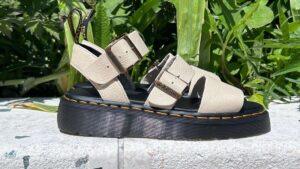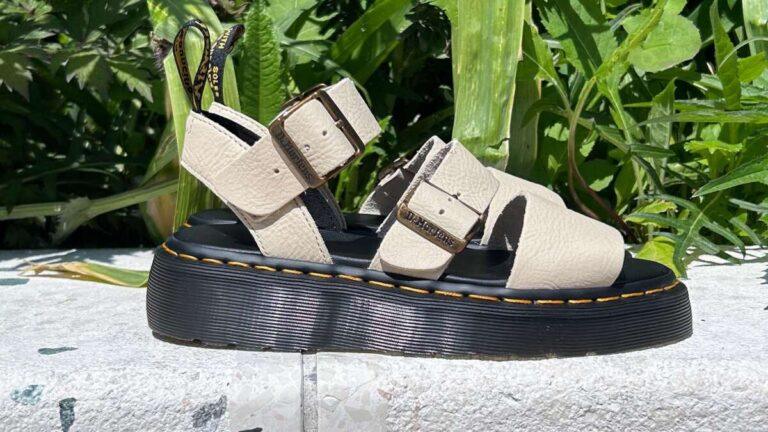
Break in Doc Martens sandals slowly with thick socks, short walks, gentle flexing, and careful blister protection.
Doc Martens sandals are known for their sturdy leather, firm soles, and strong build. That quality can make the first few wears feel stiff, especially around the straps, heel, and toe area. After helping people fit and soften leather footwear, I have found that the best way to break in Doc Martens sandals is to go slowly instead of forcing one long walk. This guide explains how to break in Doc Martens sandals safely, reduce rubbing, and make them comfortable for daily use.

Why Doc Martens sandals need breaking in
Doc Martens sandals often use thick leather or synthetic materials that need time to soften. The footbed and sole may also feel firm at first. Unlike soft canvas sandals, they may not bend much during the first few wears.
The most common pressure points are:
• The back of the heel
• The top of the foot
• The sides of the toes
• The area beneath the straps
• The ball of the foot
Learning how to break in Doc Martens sandals starts with knowing where pressure may develop. A sandal can feel fine while you stand still but rub after 20 minutes of walking.
Leather also responds to heat, movement, and moisture from your feet. Each short wear helps the material adjust to your foot shape. Think of the process as teaching the sandal your walking pattern.
A proper break-in period can help you:
• Reduce blisters and sore spots
• Soften stiff straps
• Improve flexibility
• Find the right buckle setting
• Build comfort before a long day out
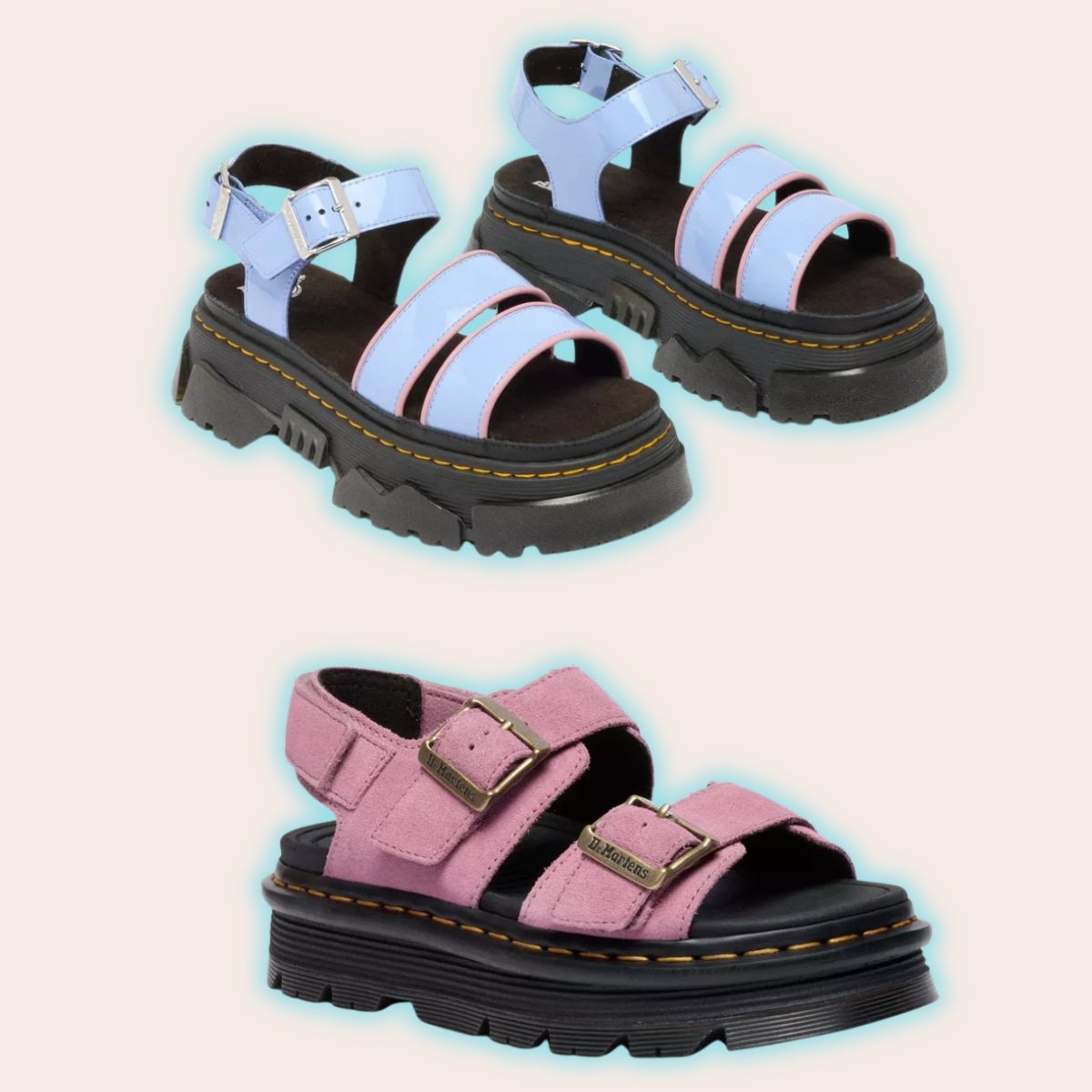
How to break in Doc Martens sandals step by step
The safest method is gradual. Do not wear new sandals for a full workday, concert, hike, or vacation on the first day.
1. Check the fit before wearing them outside
Try the sandals indoors with the socks or foot coverings you plan to use. Your heel should stay in place, and your toes should not hang over the front edge.
Look for these signs of a good fit:
• Your toes can move freely
• The straps hold your foot without squeezing it
• Your heel does not slide far up and down
• The sole supports your arch and heel
• No strap presses sharply into one spot
If the sandals feel too short or your toes extend beyond the sole, breaking them in will not solve the problem. A poor fit can cause pain even after the leather softens.
2. Wear thick socks for short periods
Thick socks create a soft barrier between your skin and the straps. Wear the sandals indoors for 10 to 20 minutes at first.
This method works best when you:
• Walk on clean, flat floors
• Keep the first session short
• Check your skin afterward
• Remove the sandals when rubbing begins
Your feet may look slightly warm or pink after wearing the sandals. That is different from a hot spot, which feels tender and may develop into a blister.
3. Increase wear time slowly
Add about 10 to 20 minutes every one or two wears if your feet feel comfortable. For example, you might wear the sandals for 15 minutes on day one, 30 minutes on day two, and 45 minutes on day three.
The exact timeline depends on the sandal model, your foot shape, and the material. Some pairs soften within a week, while thick leather styles may need several weeks.
This gradual approach is the heart of learning how to break in Doc Martens sandals without damaging your feet.
4. Walk on easy surfaces first
Start with short walks on smooth sidewalks or indoor floors. Avoid steep hills, rough trails, and long shopping trips during the early stage.
Flat ground reduces strain and gives the leather a chance to bend in a controlled way. Once the sandals feel comfortable for about an hour, try a longer walk.

How to soften stiff Doc Martens sandal straps
Stiff straps are one of the main reasons people search for how to break in Doc Martens sandals. You can soften them through regular wear, but a few careful steps may speed up the process.
First, bend the straps gently with your hands. Move them back and forth several times, but do not fold them sharply or twist the material. The goal is to add light movement, not create deep creases.
You can also massage the underside of the straps with your fingers. Pay close attention to sharp edges, seams, and areas that touch your ankle or toes.
For leather sandals, use only a small amount of a product made for the specific leather type. Test it on a hidden spot first. Too much conditioner can darken leather, weaken the finish, or make the straps overly soft.
Avoid these common mistakes:
• Do not soak the sandals in water
• Do not use a hair dryer on high heat
• Do not place them near a radiator
• Do not coat them with cooking oil
• Do not bend the sole until it cracks
• Do not use strong chemicals without checking the care label
Heat and water can change the shape of leather. They may seem like fast solutions, but they can cause lasting damage.

How to prevent blisters while breaking in Doc Martens sandals
Blisters form when friction, moisture, and pressure work together. Preventing them is easier than treating them after the skin breaks.
Before wearing your sandals, place blister cushions or sports tape on areas that usually rub. Common spots include the heel, little toe, and the skin under the front straps.
Keep these items nearby during the first few wears:
• Gel blister pads
• Soft athletic tape
• Clean spare socks
• A small bandage
• Foot powder for moisture control
Stop wearing the sandals if you feel burning, sharp pain, or a growing hot spot. A short break can prevent a painful wound.
If a blister forms, keep the area clean and covered. Do not cut away the skin unless a medical professional tells you to do so. Seek medical advice if the area becomes very red, swollen, warm, or filled with pus.
People with diabetes, poor circulation, or reduced foot sensation should ask a health professional before wearing stiff new footwear for long periods. Small injuries can be harder to notice and heal in these situations.

How to break in Doc Martens sandals without pain
Comfort depends on more than soft leather. The sandal must also match your foot shape and walking style.
Adjust each buckle while standing. Your foot may spread slightly when you put weight on it, so a strap that feels loose while sitting may feel correct when you walk.
Try these comfort tips:
• Keep straps secure but not tight
• Leave enough room for natural toe movement
• Wear moisture-wicking socks during early wears
• Apply foot balm to dry skin, not inside the sandal
• Rest your feet between break-in sessions
• Change your walking route if a pressure point appears
A useful test is the two-finger check. You should usually be able to place a finger under a strap without forcing it. The exact space depends on the strap design, but your skin should not turn pale or feel numb.
I once saw someone tighten every buckle because the sandals felt loose at the heel. The result was more pressure across the top of the foot. Loosening the front strap and adjusting the heel strap created a much better fit. The lesson is simple: adjust one strap at a time.
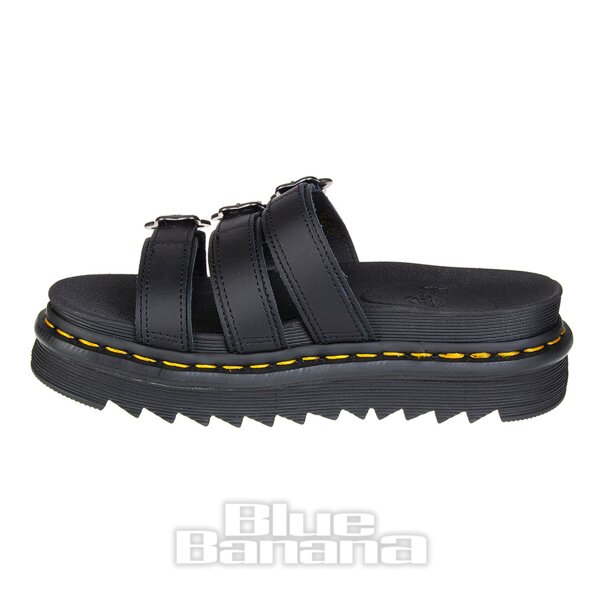
How long does it take to break in Doc Martens sandals?
Most people need several short wears before Doc Martens sandals feel natural. Light leather styles may feel better in one to two weeks. Heavier leather or platform styles can take longer.
Your break-in time may increase if:
• The sandal has thick leather
• The footbed is very firm
• You have wide feet
• Your feet are sensitive to friction
• You wear the sandals only once a week
• The straps sit over bony areas
A simple break-in schedule can help:
- Wear the sandals indoors for 10 to 20 minutes.
- Repeat the session for two or three days.
- Increase each session by 10 to 20 minutes.
- Take a short outdoor walk when the sandals feel safe indoors.
- Use blister protection before longer walks.
- Wear them for a full day only after several comfortable sessions.
Do not judge the sandals after one painful outing. However, do not ignore ongoing pain either. Persistent rubbing may mean the size, width, or shape is not right for your feet.

Common mistakes when breaking in Doc Martens sandals
The biggest mistake is trying to rush the process. Wearing stiff sandals for eight hours may cause blisters before the leather has time to adjust.
Other mistakes include:
• Wearing them on vacation without testing them first
• Ignoring a small hot spot
• Tightening straps too much
• Using thick socks that change the fit too much
• Applying the wrong leather product
• Walking long distances on hard pavement
• Assuming pain is always normal
Some stiffness is expected. Sharp pain, numbness, swelling, or skin damage is not.
Another mistake is focusing only on the upper straps. A firm sole can also affect your comfort. If your feet or calves feel tired, take shorter walks and allow your body to adjust to the sandal’s weight and sole shape.
Good footwear should become comfortable, not merely tolerable. Breaking in Doc Martens sandals is a process of gradual adjustment, not a test of endurance.
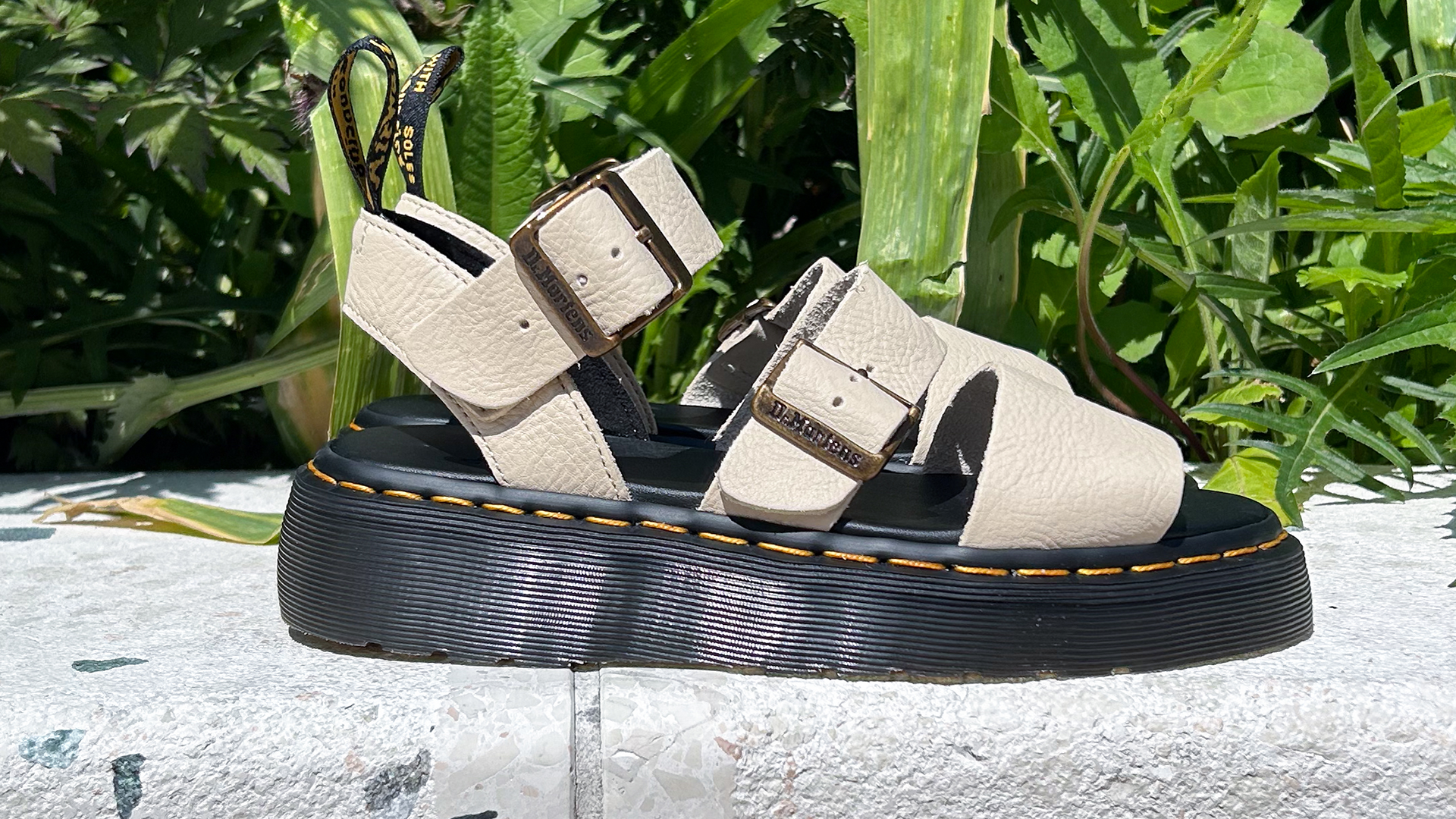
How to care for Doc Martens sandals after breaking them in
Once your sandals feel comfortable, care for them so the materials stay in good condition. Wipe away dust with a soft, slightly damp cloth. Let the sandals dry naturally if they become wet.
Store them in a cool, dry place. Avoid leaving them in a hot car, direct sun, or a damp closet. Heat can dry leather, while moisture can lead to odor and material damage.
For leather sandals, follow the care instructions for the finish. Smooth leather, suede, nubuck, and coated leather may need different products. If you are unsure, test any cleaner or conditioner on a small hidden area.
Basic care includes:
• Wiping the footbed after heavy use
• Letting the sandals air out between wears
• Cleaning dirt before it hardens
• Checking buckles and stitching
• Replacing worn insoles or fasteners when needed
Regular care does not replace a good fit, but it helps the sandals stay flexible and clean. It also makes future wearing more comfortable.
Frequently Asked Questions About How to Break in Doc Martens Sandals
How long does it take to break in Doc Martens sandals?
It often takes one to several weeks, depending on the leather, sole, fit, and how often you wear them. Short, regular sessions usually work better than one long session.
Can I wear socks with Doc Martens sandals while breaking them in?
Yes, thick socks can reduce friction during early indoor wear. Make sure the socks do not make the sandals too tight, since extra pressure can create new sore spots.
Should Doc Martens sandals hurt when breaking in?
Mild stiffness or light pressure can be normal at first, but sharp pain, numbness, or blisters are warning signs. Stop, protect the area, and adjust the fit before wearing them again.
Can I use heat to soften Doc Martens sandals?
Avoid high heat from hair dryers, radiators, or heaters. Heat can dry, shrink, or distort leather and may damage adhesives or finishes.
How can I stop Doc Martens sandals from rubbing my heels?
Use blister tape or gel pads on the heel before a hot spot develops. Short indoor sessions, correct strap adjustment, and thick socks can also reduce early friction.
What if my Doc Martens sandals still hurt after breaking in?
Persistent pain may point to the wrong size, width, strap position, or sandal shape. Consider professional fitting advice or contact the retailer about exchange options before the footwear causes an injury.
Conclusion
The best way to break in Doc Martens sandals is to use them in short stages. Start indoors, wear protective socks, adjust each strap carefully, and protect hot spots before they become blisters. Avoid soaking, high heat, and long walks until the sandals feel secure and flexible.
Your goal is not to suffer through the process. Give the leather and your feet time to work together, then test the sandals on longer walks when they feel ready. Share your own break-in tips or explore more footwear care guides for comfortable everyday wear.

Madison Clark is a footwear expert and the voice behind MyStyleGrid.com. She specializes in honest shoe reviews, style tips, and practical guides to help readers find the perfect pair for any occasion. With years of experience in blogging and content creation, Madison makes footwear knowledge simple, stylish, and easy to follow.