Clean a leather sandal footbed with gentle soap, a barely damp cloth, air drying, and a suitable leather conditioner.
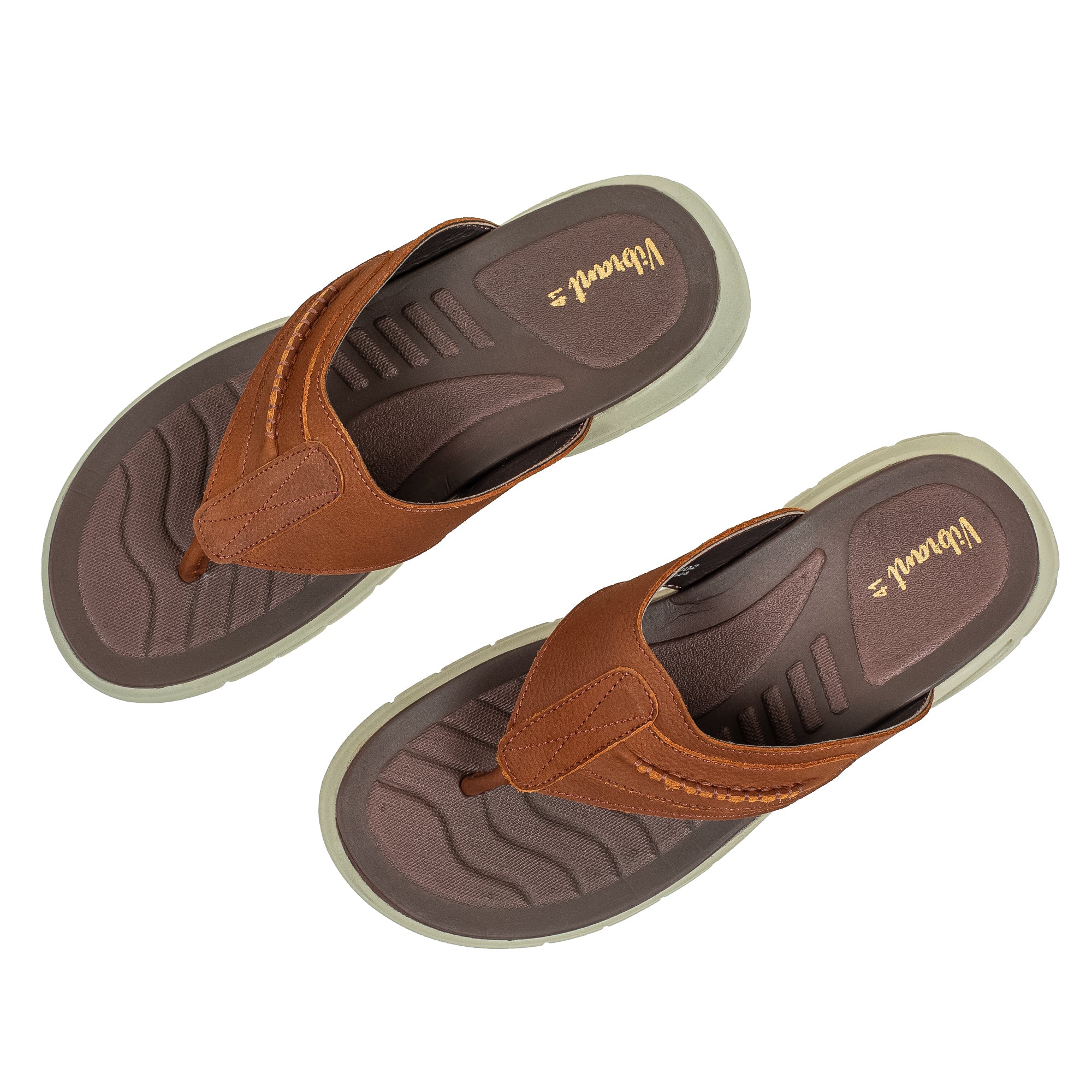
Leather sandal footbeds absorb sweat, skin oils, dust, and moisture every time you wear them. Over time, this can cause dark marks, odor, stiffness, and even surface cracks. Learning how to clean leather sandals footbed the right way helps protect the leather without soaking or weakening it.
The safest method is slow and gentle. In this guide, you will learn which tools to use, how to treat stains and odors, what changes for suede or cork footbeds, and which common cleaning mistakes can permanently damage your sandals.
Why Leather Sandal Footbeds Get Dirty
A footbed sits directly under your feet, so it collects more moisture than the outer straps. Sweat contains salts and oils that can slowly darken leather. Dust then sticks to this slightly damp surface.
Warm weather makes the problem worse. Bare feet, sunscreen, grass, sand, and city dust can all leave residue behind. If sandals stay in a closed bag while damp, odor-causing bacteria may also grow.
Regular care matters because dirt can act like fine sandpaper. Each step may push those particles deeper into the leather. Cleaning the footbed early is much easier than removing years of built-up grime.

Check the Footbed Before Cleaning
Not every sandal footbed uses the same material. Look closely before applying any cleaner.
Smooth leather
Smooth leather has a fairly even surface. It may feel soft or slightly polished. This type can usually handle a mild leather cleaner and a small amount of conditioner.
Suede or nubuck leather
Suede and nubuck have a soft, brushed texture. They can darken when wet and may develop flat patches if rubbed too hard. Use a suede brush and a cleaner made for that specific leather.
Cork footbeds
Many comfort sandals have a cork layer under the leather. Cork should not be flooded with water. Excess moisture can weaken the cork, loosen the footbed, or damage the edge seal.
Synthetic footbeds
Some sandals look like leather but use polyurethane, vinyl, or synthetic microfiber. These materials may need different care. Check the care label or brand instructions when possible.
Also inspect the footbed for peeling, deep cracks, loose seams, or exposed layers. Cleaning cannot repair structural damage. If the footbed is breaking down, a shoe repair professional may be the safest choice.

Supplies You Need to Clean a Leather Sandal Footbed
Gather your supplies before you begin. Having everything ready prevents you from leaving wet sandals unattended or using a harsh product in a hurry.
You will need:
• A soft cotton cloth or microfiber cloth
• A soft toothbrush or small leather brush
• Lukewarm water
• A small bowl
• Mild, unscented soap or leather cleaner
• A dry towel
• Leather conditioner for smooth leather
• Baking soda for odor control, used carefully
• A suede brush if the footbed is suede or nubuck
Avoid bleach, alcohol, ammonia, acetone, strong dish soap, disinfectant wipes, and abrasive scouring pads. These products can strip color, dry the leather, or leave a stiff, shiny patch.
Before cleaning the whole footbed, test the product on a hidden area. Wait until it dries. If the color changes or the surface feels rough, stop and choose a safer product.
:max_bytes(150000):strip_icc()/how-to-clean-birkenstocks-nubuck-5076180-01-80838ce985c54d1399619ac0b116b85c.jpg)
How to Clean Leather Sandals Footbed Step by Step
The best way to clean leather sandals footbed surfaces is to remove dry dirt first and use very little liquid. Leather is durable, but it is not waterproof.
1. Remove loose dirt
Take the sandals outside or over a trash can. Tap the soles together gently to release sand and grit.
Use a dry, soft brush to sweep away dust. Pay attention to the edges, heel area, and the space under the toes. Do not scrub hard at this stage, since dry grit can scratch the finish.
2. Prepare a mild cleaning solution
Add a few drops of mild soap to a bowl of lukewarm water. The water should feel slightly soapy, not thick or bubbly.
If you have a leather cleaner, follow its label. A product designed for leather is often safer than a homemade mix, especially on dyed or delicate leather.
3. Dampen the cloth
Dip a soft cloth into the solution. Wring it out until it is only damp.
This step is important. A wet cloth can push water into the leather and cork below it. Think of the cloth as lightly misted, not soaked.
4. Wipe small areas
Wipe the footbed in small circles. Start at the heel and move toward the toe. Clean one small area at a time so you can watch how the leather reacts.
Use gentle pressure. If a mark does not lift after a few passes, do not force it. Repeated hard scrubbing can remove dye and create a lighter patch.
5. Clean the edges
Use a damp cotton swab or soft toothbrush around the edge of the footbed. Keep the brush nearly dry.
Avoid pushing water into the seam where the footbed meets the sandal upper. That area may contain glue or a cork seal that can loosen when wet.
6. Remove soap residue
Use a second cloth dampened with clean water. Wring it well, then wipe the surface once.
Leaving soap behind can make the leather sticky. It can also attract more dust after the sandals dry.
7. Dry the sandals naturally
Press a dry towel onto the footbed to absorb surface moisture. Then leave the sandals in a cool, well-ventilated room.
Keep them away from direct sunlight, hair dryers, heaters, radiators, and car dashboards. Fast heat can shrink leather, harden it, fade its color, or cause cracks.
Most lightly damp sandals need several hours to dry. Wait until the footbed feels fully dry before wearing them or applying conditioner.
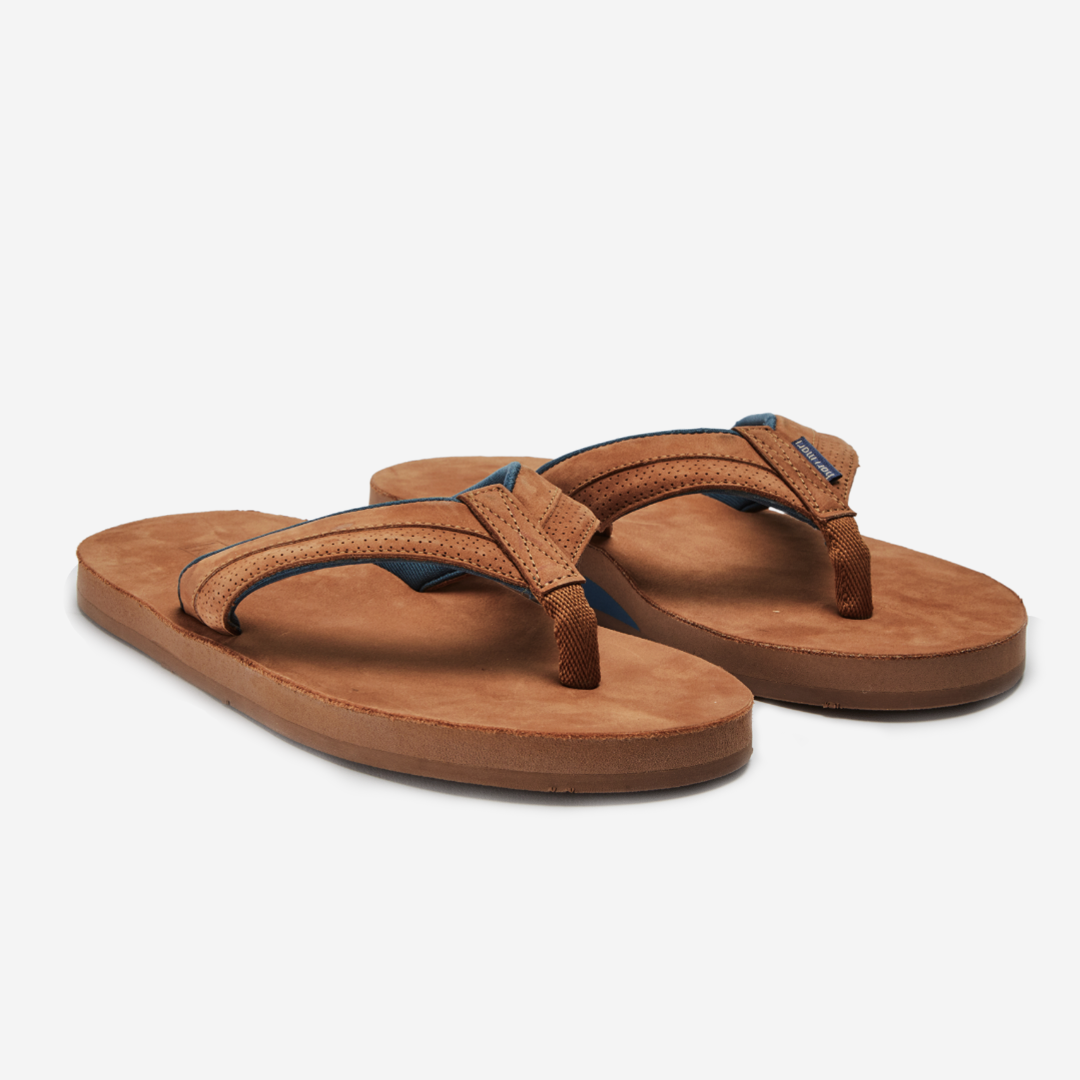
8. Condition smooth leather
When the footbed is dry, apply a very small amount of leather conditioner to a cloth. Rub it into the cloth first, then spread a thin layer over smooth leather.
Do not condition suede, nubuck, or fabric footbeds unless the product specifically says it is safe. Too much conditioner can make a footbed greasy and may transfer color to your feet.
This step explains how to clean leather sandals footbed surfaces without leaving them dry after washing. Conditioning restores some softness, but it does not replace careful cleaning.
How to Remove Common Footbed Stains
Different stains need different levels of care. Start with the mildest method and stop when the mark improves.
Sweat and dark foot marks
Wipe the area with a barely damp cloth and mild soap. You may need two or three gentle cleaning sessions rather than one aggressive session.
Dark marks are not always removable. Sweat can change leather color over time, especially on pale footbeds. A clean, even patina is often safer than trying to make old leather look brand new.
Grease or sunscreen
Blot fresh grease with a clean, dry cloth. Do not rub it deeper into the leather.
For a small oily spot, apply a light dusting of plain baking soda or cornstarch. Leave it for a few hours, then brush it away gently. Test this method first, because powder can slightly change the look of some leathers.
Mud
Let mud dry completely. Brush off the loose soil before using a damp cloth.
Trying to wipe wet mud can spread the stain and push grit into the grain. Repeat the mild cleaning process if a shadow remains.
Ink
Ink is difficult to remove without affecting the dye. Avoid rubbing alcohol unless the leather maker specifically approves it.
For valuable sandals, take them to a leather repair professional. Home treatment may turn one small spot into a larger pale mark.
Salt lines
Salt can appear as a white or pale ring after sweat or road exposure. Use a lightly damp cloth to dissolve the residue, then wipe with a clean damp cloth.
Do not scrape salt with a sharp tool. Scraping can cut the leather surface.
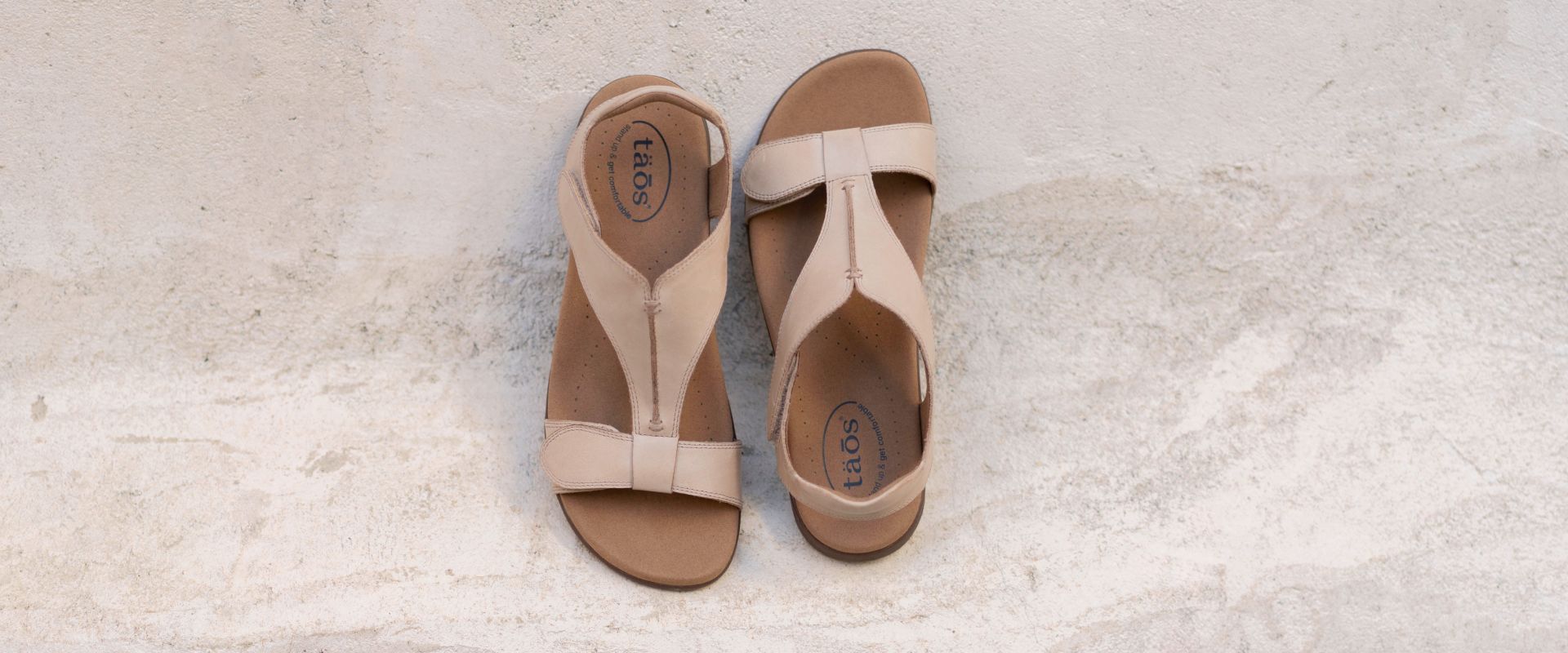
How to Clean Suede and Nubuck Footbeds
Suede and nubuck need a different method. Do not use the standard wet-cloth process unless the product label allows it.
Start with a dry suede brush. Brush in one direction to lift dust and restore the nap. For a small dry mark, use a suede cleaning block with light pressure.
If the footbed has an odor, sprinkle a small amount of baking soda over it. Leave it overnight, then remove every trace with a soft brush or vacuum held slightly above the surface. Do not leave powder trapped in the fibers.
Never saturate suede. Water can leave a dark ring, flatten the nap, and make the footbed feel stiff. When unsure, a professional cleaner is safer than trial and error.
How to Deodorize Leather Sandal Footbeds
Cleaning removes much of the residue that causes odor, but smell may return if the sandals stay damp. Deodorizing works best when paired with airflow and dry storage.
After cleaning and drying, place the sandals in a cool, open area. Remove any removable straps or inserts so air can reach the footbed.
You can use a breathable pouch filled with baking soda near the sandals. Avoid pouring a large amount directly onto smooth leather, since powder may collect in seams and leave a pale film.
Do not spray perfume, body spray, or strong disinfectant onto the footbed. These products may hide odor for a short time but can stain leather or dry its finish.
If a strong odor continues after several cleanings, the problem may be deep in the lining, padding, or cork. In that case, replacement inserts or professional cleaning may work better than more home treatment.
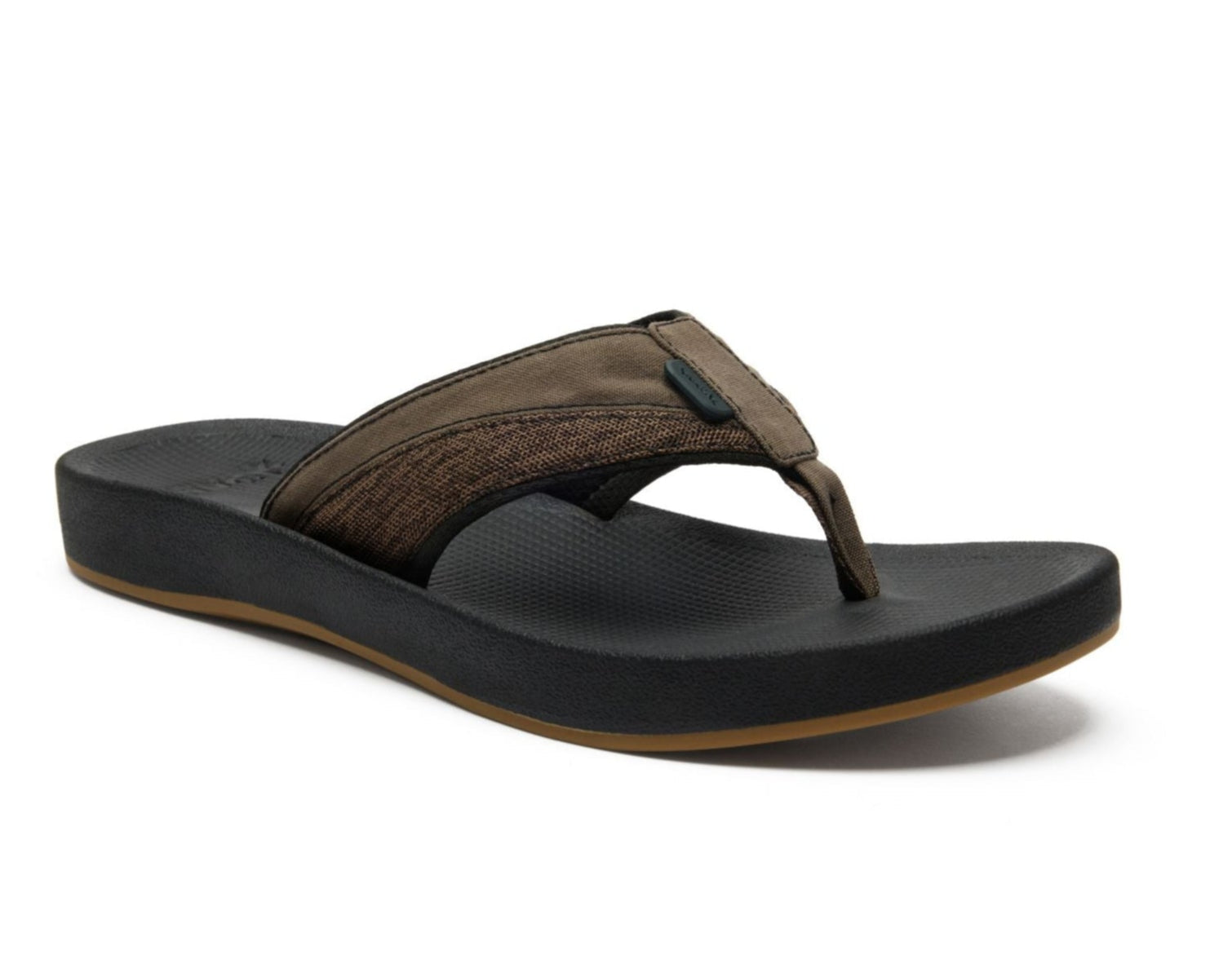
Mistakes to Avoid When Cleaning Leather Sandals
Many sandal-cleaning problems come from using too much water or too much force. Avoid these common errors:
• Do not put leather sandals in a washing machine.
• Do not soak the footbed in a sink or bucket.
• Do not use bleach or household disinfectant.
• Do not scrub with a rough sponge or magic eraser.
• Do not dry sandals with a hair dryer or heater.
• Do not apply oil, petroleum jelly, or cooking oil.
• Do not use suede cleaner on smooth leather without checking the label.
• Do not condition leather while it is still damp.
• Do not wear the sandals until the footbed is fully dry.
One mistake I often see is trying to erase a dark heel mark in one session. Gentle cleaning over time gives a better result than hard scrubbing. Leather has a natural surface, and some signs of wear are part of its character.
How Often Should You Clean Leather Sandal Footbeds?
Clean the footbed lightly every few wears during hot weather or after heavy sweating. A full cleaning may only be needed every few weeks, depending on use.
Wipe the footbed after beach trips, hikes, long walks, or exposure to sunscreen. Remove sand as soon as possible because it can scratch the leather.
Use this simple care routine:
-
Brush away dry dirt after wearing the sandals.
-
Let the sandals air out overnight.
-
Wipe visible marks with a barely damp cloth.
-
Condition smooth leather only when it looks dry or feels stiff.
-
Store the sandals in a cool, dry place.
Do not condition on a fixed schedule if the leather still feels soft and looks healthy. Too much product can build up and make the footbed slippery.
How to Store Clean Leather Sandals
Good storage protects the work you have done. Keep sandals in a breathable fabric bag or an open shelf. Avoid sealed plastic bags, which can trap moisture and encourage odor or mildew.
Store them away from direct sun and damp bathrooms. If the sandals become wet, let them dry fully before putting them away.
For long-term storage, place clean paper inside the sandal to help it hold its shape. Avoid newspaper on light-colored leather because ink may transfer.
Keep leather sandals separate from heavily scented products, wet sports gear, and dirty shoes. Leather can absorb nearby odors.
What I Have Learned From Cleaning Leather Footbeds
The most useful lesson is that less water gives better results. Early in my shoe-care experience, I used a wetter cloth on a dark footbed because it seemed faster. The leather dried with a visible tide mark, and the cork edge felt softer than before.
Now I always test first, use a nearly dry cloth, and clean in short passes. I also take a photo before cleaning pale or dyed sandals. It helps me compare the result without chasing small marks that may be permanent.
Another practical lesson is to clean the soles and straps too. A fresh footbed can still smell if sweat remains in the straps. Treat the whole sandal as a connected item, while using the correct cleaner for each material.
These habits make how to clean leather sandals footbed a simple maintenance task instead of a risky repair project.
Frequently Asked Questions About How to Clean Leather Sandals Footbed
Can I use soap and water on a leather sandal footbed?
Yes, but use only a few drops of mild soap in lukewarm water. Apply the solution with a well-wrung cloth, never by soaking the footbed.
How do I clean a leather sandal footbed without damaging it?
Brush off dry dirt first, then wipe with a barely damp cloth and mild leather cleaner. Dry the sandals naturally and test every product on a hidden spot.
Can I use baking soda on leather sandal footbeds?
Use baking soda mainly for odor control, and apply it sparingly. Remove it fully with a soft brush, and test it first because powder may affect some leather finishes.
How do I remove sweat stains from leather sandals?
Wipe sweat marks with a damp cloth and mild soap. Several gentle treatments are safer than strong scrubbing, and some darkening may be permanent.
Can I clean a suede footbed like smooth leather?
No. Suede and nubuck need a dry suede brush or a product made for brushed leather. Too much water can leave rings and flatten the nap.
How long do leather sandals take to dry after cleaning?
Lightly damp sandals often need several hours in a cool, airy room. Wait until the footbed is fully dry before conditioning or wearing them.
Should I use leather conditioner on the footbed?
Use conditioner only on smooth leather, and apply a very thin layer after cleaning and drying. Do not use standard leather conditioner on suede, nubuck, or fabric.
Conclusion
Learning how to clean leather sandals footbed is mainly about gentle tools, limited moisture, and patient drying. Brush away loose dirt, wipe with mild cleaner, treat stains carefully, control odor with airflow, and condition smooth leather only when needed.
Avoid soaking, harsh chemicals, rough scrubbing, and direct heat. With a few minutes of care after heavy use, your sandals can stay cleaner, more comfortable, and in better shape for many seasons. Try this method on your next pair, and share your best leather-care tip or experience in the comments.

Madison Clark is a footwear expert and the voice behind MyStyleGrid.com. She specializes in honest shoe reviews, style tips, and practical guides to help readers find the perfect pair for any occasion. With years of experience in blogging and content creation, Madison makes footwear knowledge simple, stylish, and easy to follow.