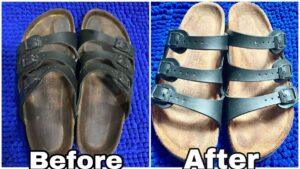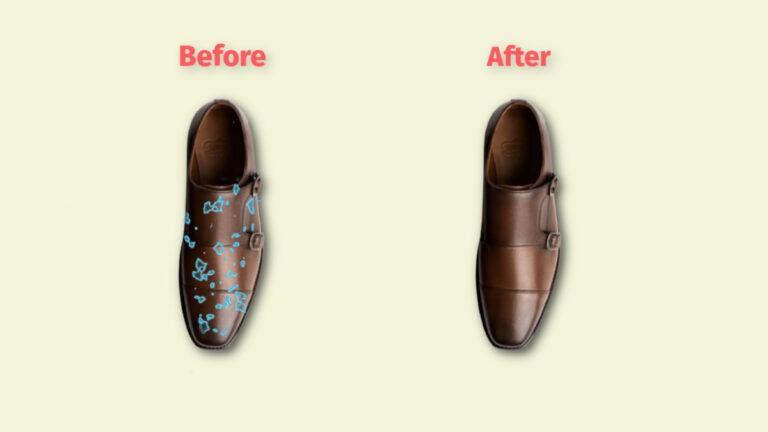
Blot stains fast, use gentle cleaner or leather soap, then condition and let shoes air-dry.
I’ve spent years restoring and caring for leather shoes, from vintage boots to daily dress pairs. In this guide I’ll show exactly how to remove stains from leather shoes, step by step. You’ll learn what works for oil, ink, salt, water marks, dye transfer, mold, and more. I’ll share tested methods, tools to have on hand, and real mistakes I made so you can avoid them. Read on and get your leather shoes clean, protected, and looking their best.

Why leather stains happen and how to approach them
Leather is porous and absorbs liquids and oils quickly. When a stain lands, it can sit in tiny pores and alter color. Heat, sun, and cheap cleaning products can make stains worse. Knowing why stains happen helps you pick the right method and avoid common errors.
Understand the leather type before you act. Full-grain leather resists wear and responds well to conditioning. Patent leather and suede need very different care. Always test cleaners in a hidden spot first.
Approach stains calmly. Quick blotting prevents deeper penetration. Use gentle products and short steps. That strategy is the core of how to remove stains from leather shoes effectively.
Essential tools and precautions before you start
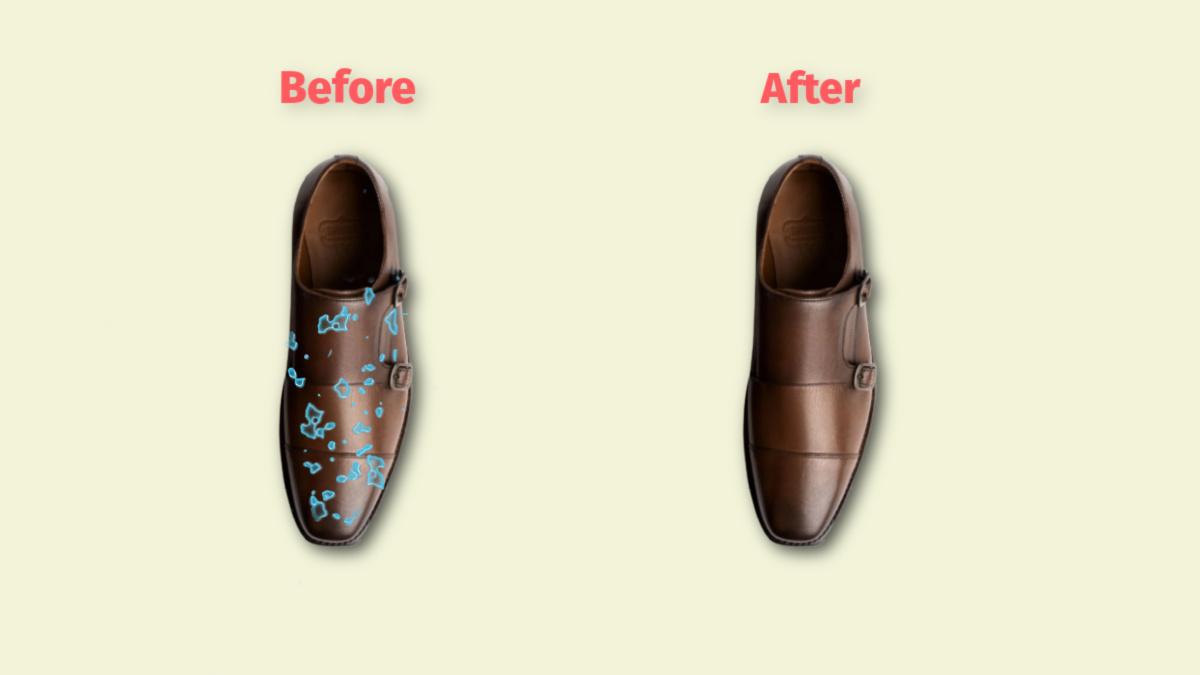
Gather a simple kit. You don’t need fancy gear. A few targeted items make cleanup safe and effective.
- Soft white cloths for blotting and wiping.
- Soft-bristled brush or suede brush for textured leather.
- Mild liquid soap or dedicated leather cleaner.
- Rubbing alcohol or isopropyl alcohol for ink and dye transfer.
- Saddle soap for durable leathers.
- Leather conditioner or cream to restore oils.
- Distilled water to avoid mineral marks.
- Cotton swabs and paper towels for spot work.
- Hair dryer on low or air-dry space—no heat guns.
Precautions to follow:
- Test any cleaner in a hidden seam or inside the tongue.
- Avoid aggressive scrubbing. That removes dye or finish.
- Work in natural light if possible. That helps spot color changes.
These basics set you up to remove stains from leather shoes without adding damage.

Step-by-step stain removal methods
Below are clear methods for common stains. Follow the steps in order, and repeat only if needed. Many stains respond to gentle care.
Water stains and rings
- Blot excess water with a soft cloth.
- Dampen a cloth with distilled water and wipe the whole shoe to even out moisture.
- Let shoes air dry away from direct heat.
- Apply leather conditioner once dry.
This evens color and prevents hard rings. Proper drying and conditioning are key when learning how to remove stains from leather shoes.
Oil and grease stains
- Blot excess oil with a dry cloth. Do not rub.
- Sprinkle a small amount of cornstarch or talcum powder on the stain. Let sit overnight to absorb oil.
- Brush away powder and repeat if needed.
- Clean with mild leather cleaner and condition.
I once ruined a finish by scrubbing oil with water. The powder method saved that pair. Patience matters.
Ink stains
- Dab isopropyl alcohol on a cotton swab. Test first.
- Lightly roll the swab across the ink. Do not rub hard.
- Wipe with a damp cloth and let dry.
- Condition the leather to restore oils.
Ink can be stubborn. Work small and stop if color fades too quickly.
Salt stains from winter wear
- Mix equal parts distilled water and white vinegar.
- Lightly dab the solution on salt marks with a cloth.
- Wipe with a damp cloth and allow to air dry.
- Finish with a leather conditioner.
Vinegar dissolves salt without harming most finishes when used diluted.
Dye transfer and color rub
- Rub a clean eraser or leather cleaning block gently to lift loose pigment.
- If residue remains, use a cotton swab with rubbing alcohol sparingly.
- Neutralize with a damp cloth and condition.
Dye transfer is delicate. If you see finish lift, stop and consult a pro.
Scuffs and light scratches
- Buff the area with a soft cloth to warm the leather.
- Use a small amount of shoe cream or polish that matches the color.
- Work in thin layers and buff to shine.
This is the easiest fix and often restores appearance fully.
Mold and mildew
- Take shoes outdoors and brush off dry mold.
- Mix one part rubbing alcohol to one part water and wipe inside and out.
- Let shoes dry in a ventilated area, then condition.
Mold grows in damp, dark storage. Dry storage and cedar shoe trees help prevent return.
Testing, finishing, and aftercare
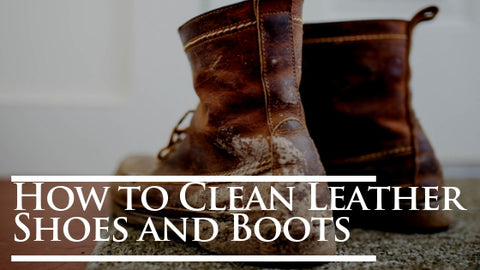
Always test cleaners first. A short test prevents color loss. Use a cloakroom or inside tongue spot. Wait ten minutes and examine.
After cleaning, restore oils with a good leather conditioner. Conditioners prevent cracking and restore luster. Apply evenly and buff with a soft cloth.
For finished leather, a small amount of shoe cream can even tone the color. For delicate or antique pieces, use specialist products only. Proper finishing is an essential step in how to remove stains from leather shoes and keep them looking good.

Preventive care and daily habits to avoid stains
Prevention saves time and money. Simple habits extend shoe life and reduce the need to remove stains from leather shoes.
- Apply a leather protector or water repellent before first wear.
- Rotate shoes to let them dry between wears.
- Store shoes in a cool, dry place away from sunlight.
- Use shoe trees to maintain shape and wick moisture.
- Wipe spills immediately; blot, don’t rub.
From my workbench: routine conditioning every three months kept my clients’ boots flexible and stain-resistant. Small acts prevent big problems.

When to seek professional help
Some stains need a pro. If cleaning alters color, or the leather is cracked or very old, stop. Professionals can recolor, resole, and repair finishes safely.
Seek help when:
- Stains are deep and cleaning lifts the dye.
- Leather is cracked or delaminating.
- The pair is vintage, rare, or has high sentimental value.
I recommend a leather repair specialist for delicate cases. A pro can match color and finish in ways most home kits cannot.
Frequently Asked Questions of how to remove stains from leather shoes
How quickly should I act after a spill on leather shoes?
Act immediately. Blot excess liquid and avoid rubbing. Quick action reduces penetration and makes stain removal easier.
Can I use household cleaners like dish soap on leather?
Mild dish soap diluted with water can work on many leathers, but always test first. Avoid harsh detergents and bleach that strip oils and finish.
Is it safe to use rubbing alcohol on all leather?
Rubbing alcohol works for ink and dye transfer but can dry or remove finish on some leathers. Test a hidden spot and use sparingly.
How often should I condition leather shoes?
Condition every 2–3 months with regular use and more often in dry climates. Conditioning restores oils and prevents cracking.
Will shoe polish remove deep stains?
Shoe polish helps hide surface stains and even color but won’t remove deep-set stains. Deep stains may need specialist cleaning or professional repair.
Can I machine-wash leather shoes?
No. Machine washing strips oils and damages leather structure. Clean by hand using the methods in this guide.
What if a cleaner lightens the leather color?
Stop immediately and rinse the area with a damp cloth. If color loss occurred, seek professional recoloring to restore the finish.
Conclusion
You can confidently clean most marks if you know how to remove stains from leather shoes carefully. Start with blotting, test cleaners, use the right method for each stain, and always finish with conditioning. Small habits like protection and rotation prevent most future stains. Try these methods on a less valuable pair first, then treat your favorite shoes with care. Leave a comment with your toughest stain story or subscribe for more shoe care tips and step-by-step repair guides.

Madison Clark is a footwear expert and the voice behind MyStyleGrid.com. She specializes in honest shoe reviews, style tips, and practical guides to help readers find the perfect pair for any occasion. With years of experience in blogging and content creation, Madison makes footwear knowledge simple, stylish, and easy to follow.