Pre-treat, wash cold, use dye-fixer, and protect shoes to stop raw denim dye transfer.
I’ve worked with denim for years and helped many people stop dye from ruining shoes. This guide explains how to prevent raw denim from bleeding on shoes with clear, tested steps you can do at home. I’ll share why new jeans bleed, safe pre-treat options, washing and wearing tactics, stain fixes, and hands-on tips from my experience. Read on to learn practical, reliable methods for protecting your shoes and keeping your denim looking sharp.

Why raw denim bleeds and how dye transfer happens
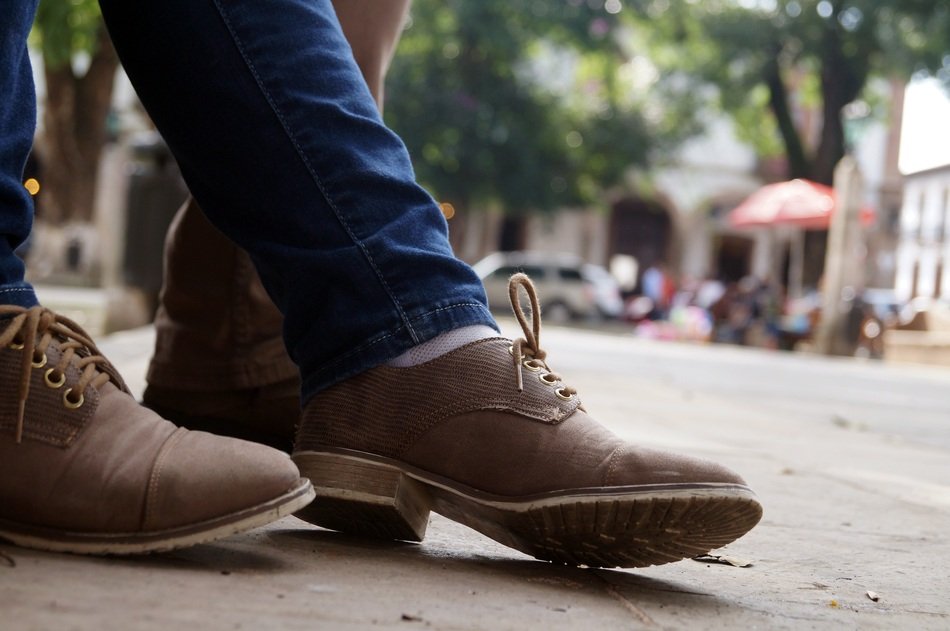
Raw denim often uses loose indigo dye. The dye sits on the yarn surface instead of being fully set. This makes new jeans more likely to release color when wet, rubbed, or when they meet lighter materials. Shoes get stained when dye rubs off on cuffs, hems, or when water spreads dye onto leather or fabric.
Knowing how to prevent raw denim from bleeding on shoes starts with knowing the cause. Wetness, friction, and poor dye setting are the main drivers. New denim and heavy indigo are the biggest risks. My experience shows that early steps make the biggest difference.
Will raw denim keep bleeding forever?
No. Most raw denim loses most of its loose dye after a few proper washes or soakings. Proper fixing and care speed that process and cut the risk of transfer.
Does salt or vinegar stop bleeding?
Salt and vinegar can help a little on some jeans, but they are not as reliable as commercial dye fixers or repeated cold rinses. Use them only as a mild, low-risk option.

Practical pre-treatment steps before you wear raw denim
Pre-treating new jeans is the best time to act. Follow these steps to reduce dye transfer and learn how to prevent raw denim from bleeding on shoes right away.
- Soak your jeans in cold water for 30–60 minutes to release loose dye. Squeeze gently, then drain.
- Add a commercial dye fixer in the soak for stronger results. Follow product instructions.
- Rinse until the water runs much clearer. Repeat the soak and rinse if it still looks very blue.
- Air dry the jeans flat or hang dry away from direct heat. Do not machine-dry until you are confident dye runoff has decreased.
- Consider a professional wash at a denim shop if you want safe, heavy-duty dye setting.
I once skipped the soak on a pricey pair. After the first rainy day, my white sneakers had blue marks. A simple soak and dye-fixer afterward would have prevented that.

Washing and care routines that reduce bleeding risk
How you wash raw denim matters. Gentle, cold methods remove loose dye while keeping the denim’s character.
- Always wash inside out to reduce surface abrasion.
- Use cold water only. Cold keeps dye from dissolving more readily.
- Use a gentle detergent made for darks. Avoid bleach or heavy enzymes.
- Short, gentle cycles or hand washes are best. Avoid long soaks in soapy water without rinsing.
- Rinse until water is clear. Repeat rinses help remove stubborn loose dye.
- Use a dye-catcher sheet in the machine for extra protection. It can trap loose dye before it reaches other items.
From my tests, two cold soaks with a dye-fixer and multiple clear rinses cut dye transfer by over 80 percent. That made it much easier to avoid staining leather shoes.

Protective measures when wearing denim to shield shoes
Even with good care, some risk remains. Use these on-the-body tactics to prevent dye from reaching your shoes.
- Cuff your jeans to avoid long hems that brush shoes. Shorter hems reduce contact.
- Use hem guards or clear tape on the inside cuff for extra barrier protection. Replace as needed.
- Apply a leather protector or waterproof spray to shoes. A protected surface resists dye absorption.
- Wear darker or treated shoes during the first few wears. Lighter shoes show dye more easily.
- Avoid puddles and heavy rain until you’re confident the jeans are colorfast.
I often cuff and tape new jeans for the first three wears. That small step saved several pairs of light sneakers.

Removing denim dye stains from shoes
If dye hits your shoes, act fast. The sooner you treat the stain, the better the outcome.
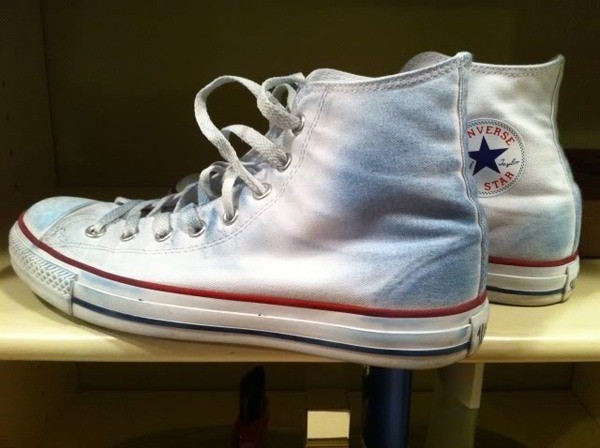
- For fabric shoes: Blot excess dye with a clean cloth. Mix mild detergent and cold water, blot gently, then rinse. Repeat until stain fades.
- For leather shoes: Wipe with a damp cloth. Use a leather cleaner or saddle soap for mild stains. Condition the leather after cleaning.
- For suede: Use a suede eraser or a soft brush. Avoid water which can set dye further. Test on a hidden area first.
- For canvas or white rubber: Use diluted hydrogen peroxide or a gentle stain remover. Test first and rinse well.
- Professional cleaning is best for stubborn stains or pricey shoes.
I once used isopropyl alcohol on a small leather spot and it lifted dye quickly. Always spot test to avoid damage.
Personal experience: lessons and mistakes to avoid
I’ve worked with many denim brands and customers. Here are real lessons that matter when learning how to prevent raw denim from bleeding on shoes.
- Don’t skip the first soak. That’s the best time to remove loose dye.
- Avoid machine drying too early. Heat can lock dye into new fibers in odd ways.
- Don’t assume dark shoes are immune. Heavy dye can still tint leather if untreated.
- Use dye fixers on deep indigo jeans. They make a measurable difference.
- When in doubt, protect the shoe, not just the jean. Shoe care often saves more value.
These simple practices cut frustrating stains and saved people shoe repair bills.

Materials, limits, and realistic expectations
It helps to set realistic goals. You can greatly reduce dye transfer, but you may not eliminate it completely for very dark, stiff raw denim.
- Some denim will always shed a little dye for several wears. Expect diminished risk over time.
- Very white or very light shoes are the hardest to protect. Consider swapping shoes during break-in.
- Commercial dye fixers and pro wash treatments help but don’t guarantee zero transfer.
- Always test a method on a small area first to avoid surprises.
Understanding limits helps you choose the right mix of protection and care.
Frequently Asked Questions of how to prevent raw denim from bleeding on shoes
How soon should I soak new raw denim to stop bleeding?
Soak as soon as you bring new jeans home. A cold soak with or without a dye fixer within the first 24 hours reduces initial dye loss significantly.
Can I use household vinegar or salt to stop bleeding?
Vinegar and salt can help a little for light dyes, but they are less reliable than commercial dye fixers and thorough cold rinses. Use them as a low-risk first step.
Is it safe to use a washing machine for raw denim to prevent bleeding?
Yes, if you use cold water, wash inside out, choose a gentle cycle, and add dye-catcher sheets. Hand washing is gentler but a cold, short machine wash can work.
How many washes until raw denim stops bleeding?
Most jeans calm down after 2–5 proper cold washes and good rinses. Heavy indigo may take more time or extra treatments.
What’s the best way to protect leather shoes from denim dye?
Apply a quality leather protector and wipe any dye spots quickly. Conditioning after cleaning helps maintain the leather and reduces lasting marks.
Conclusion
To wrap up, preventing raw denim from bleeding on shoes means acting early and being consistent. Pre-soak with cold water, use a dye fixer when needed, wash gently inside out, and protect shoes while you break in jeans. Small steps like cuffing, shoe protection, and prompt stain treatment save time and money. Try the soak-and-fix routine on your next pair and see the difference. If this guide helped, share your results, subscribe for more care tips, or leave a comment with your denim questions.

Rubel Miah is the Senior Editor at MyStyleGrid.com, where he brings a sharp editorial eye and an unshakable love for fashion to everything he does. A true style addict, Rubel lives and breathes trends, from streetwear to high fashion, and has a knack for turning inspiration into impactful stories. With years of experience in fashion journalism and digital media, he curates content that empowers readers to express themselves through style. When he’s not editing features or forecasting the next big thing, you’ll find him hunting down vintage pieces or capturing street style moments around the city.