A medical walking boot usually costs $30 to $250, but insurance, brand, and treatment needs can change the final price.
Knowing how much does a medical walking boot cost can help you avoid surprise bills after an ankle sprain, foot injury, fracture, or surgery. The boot itself may seem simple, but the total price can include a fitting visit, insurance fees, shipping, and follow-up care. This guide explains the real price ranges, what affects them, and how to choose a safe option without paying more than needed.
How much does a medical walking boot cost?
For most people in the United States, a medical walking boot costs between $30 and $250 when purchased directly. Basic short boots are often the least expensive, while tall, rigid, or highly adjustable boots usually cost more.
A clinic or hospital may charge more than an online medical supplier. In some cases, the equipment charge may reach $300 to $500 or more before insurance adjustments. That higher bill does not always mean the boot is better. It may reflect fitting, billing, facility overhead, or the supplier’s contract with your health plan.
Here is a general price guide:
• Basic short walking boot: $30 to $80
• Standard tall walking boot: $50 to $150
• Premium or highly adjustable boot: $100 to $250
• Postoperative or specialized boot: $150 to $400 or more
• Used walking boot: $15 to $75
• Walking boot rental: About $25 to $75 per week, when available
These are typical retail ranges, not guaranteed prices. The exact amount depends on the boot’s design, where you buy it, and whether a health plan pays part of the bill.
What changes the price of a walking boot?
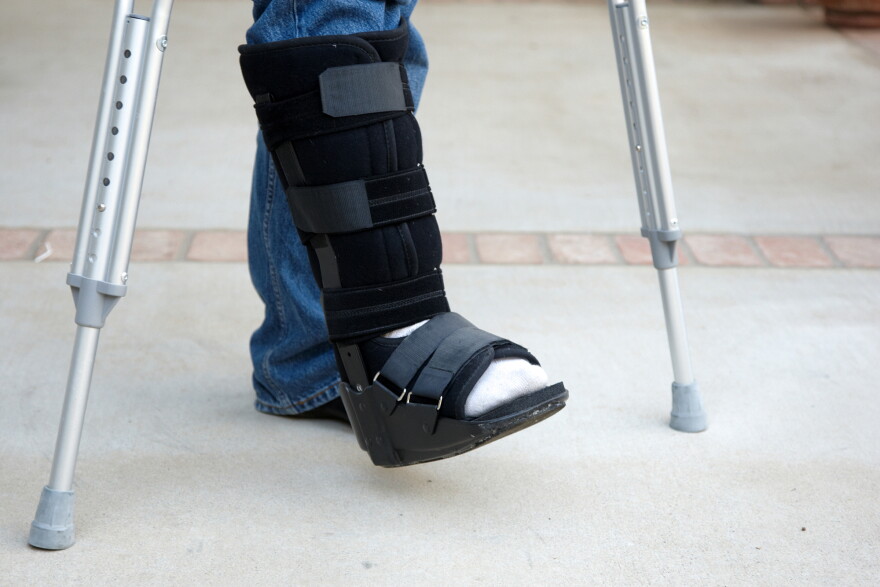
Several details affect how much does a medical walking boot cost. The main difference is the level of support the boot provides.
Boot height
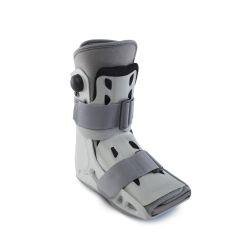
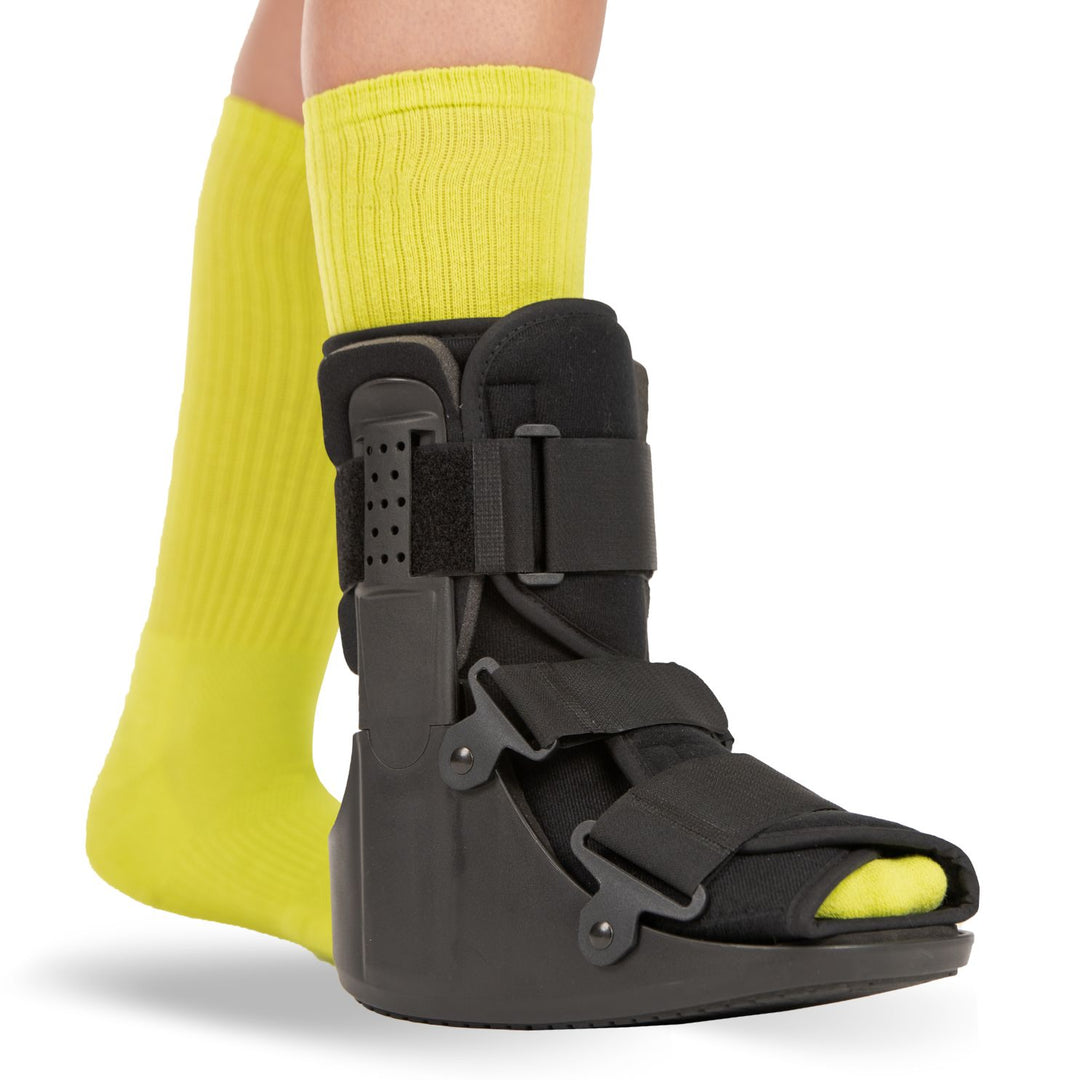
A short boot usually covers the foot and lower ankle. It may work for some mild ankle injuries or forefoot problems. A tall boot extends higher up the leg and gives more support to the ankle, heel, and lower leg.


Tall boots often cost more because they use more material and provide stronger motion control. However, a taller boot is not automatically the right choice. Your clinician should match the boot height to the injury.
Boot structure
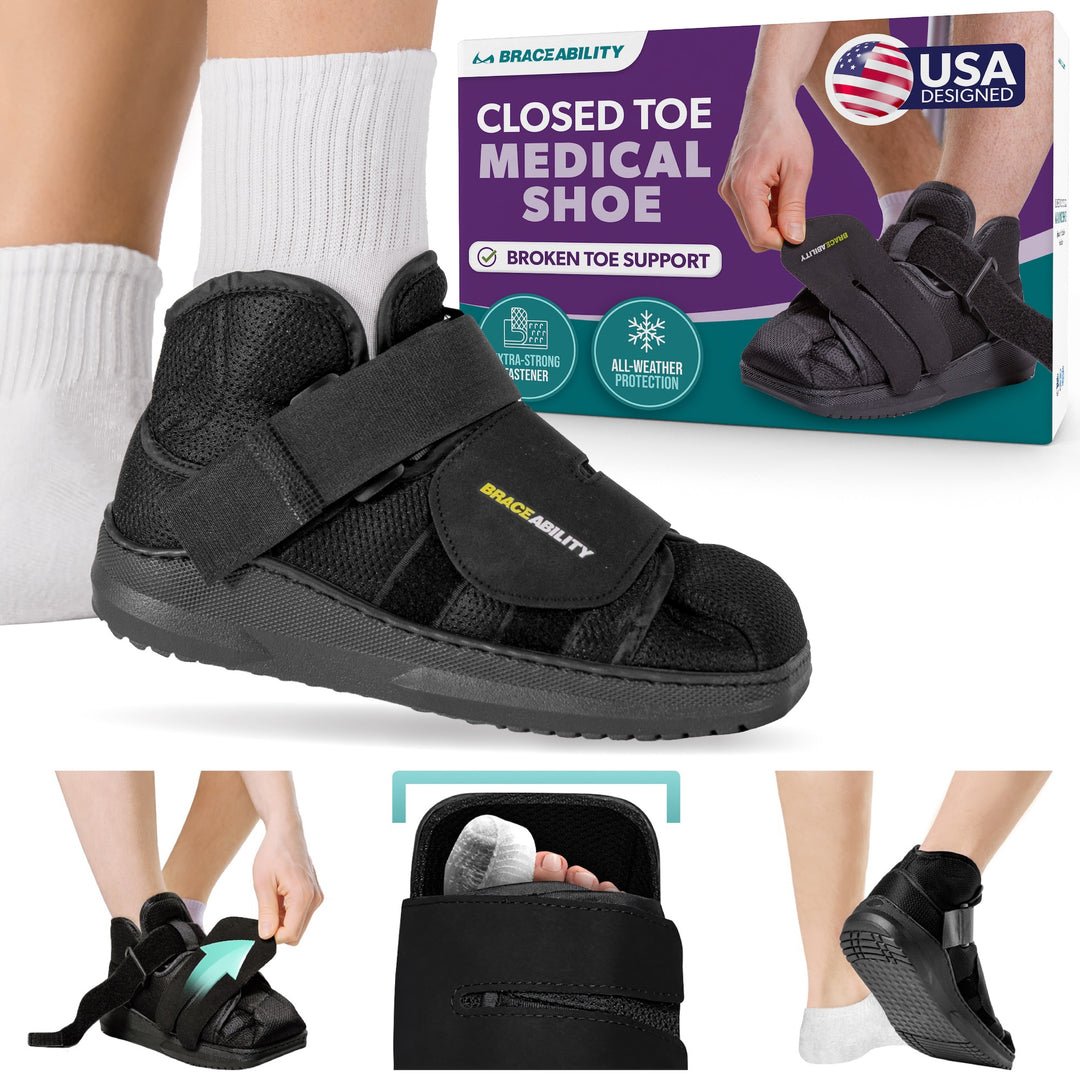
A soft, simple boot may cost less than a rigid model with a hard shell. Some boots also include air cells, gel padding, rocker soles, or adjustable straps.
These features may improve comfort and fit. Still, they are not useful for every injury. Paying for extra features only makes sense when they support your treatment plan.
Brand and fit
Well-known orthopedic brands often charge more. They may offer better padding, stronger hinges, or more size choices. A less expensive boot can still work well if it fits correctly and gives the support your clinician prescribed.
Fit matters more than the logo. A boot that is too loose can allow unwanted movement. One that is too tight may cause pressure, numbness, swelling, or skin irritation.
Where you buy it
The seller can greatly affect how much does a medical walking boot cost. Common buying options include:
• Orthopedic clinic or hospital
• Durable medical equipment supplier
• Local pharmacy
• Medical supply store
• Online retailer
A clinic may provide immediate fitting and instruction. An online store may offer a lower cash price but may not help you select the correct size or model.
Medical walking boot cost with insurance
Insurance may cover part or all of a medical walking boot when it is medically necessary. Coverage often depends on your diagnosis, the type of plan you have, the supplier’s network status, and whether you have met your deductible.
You may still pay:


• A copay
• Coinsurance
• A deductible
• A fitting fee
• A noncovered equipment charge
• The difference between the allowed amount and the retail price
Medicare and many private insurers classify walking boots as durable medical equipment in certain cases. However, coverage rules can differ by plan and location. Medicare Advantage plans may also use different networks and authorization rules than Original Medicare.
Before accepting the boot, ask these questions:
-
Is the supplier in my insurance network?
-
Is the boot covered for my diagnosis?
-
Do I need prior authorization?
-
What is my estimated out-of-pocket cost?
-
Is the fitting included?
-
What happens if the boot does not fit?
Ask for the answer in writing when possible. A staff member may give a helpful estimate, but the final claim can depend on your benefits and the billing code used.


How much does a medical walking boot cost without insurance?
Without insurance, most people pay the full retail or cash price. A basic boot may cost $30 to $80, while a tall or premium boot may cost $100 to $250.
A clinic-issued boot can cost more than one bought from a retail supplier. Some patients report bills above $300, especially when the boot is billed through a hospital or emergency department. This does not mean the charge is always wrong, but it is worth asking for an itemized bill.
You can lower the cash price by:
• Asking for the self-pay rate
• Comparing two or three medical suppliers
• Checking whether the clinic allows you to bring your own boot
• Choosing a new generic model with a return policy
• Using a flexible spending account or health savings account
• Asking about payment plans
Do not buy a used boot if it is cracked, badly worn, dirty, or missing parts. The sole and straps must be secure. A damaged boot can affect your balance and may not protect the injured area.

Is a prescription needed for a walking boot?
A prescription is not always needed to buy a walking boot in the United States. Many pharmacies, medical stores, and online sellers offer them over the counter.
A prescription may still be useful or required for insurance coverage. It also helps confirm the proper boot height, side, size, and level of support.
Buying a boot without medical advice can cause problems. A boot can hide worsening pain, change your walking pattern, or place stress on your knee, hip, or back. If you have a suspected fracture, severe swelling, numbness, an open wound, or cannot bear weight, seek medical care before shopping for equipment.


Walking boot rental versus buying
Renting may make sense when you need a boot for only a short time. For example, a two-week rental at $40 may cost less than buying a $120 boot.
Buying is often more practical when:
• You may need the boot for several weeks
• You need a specific size or side
• You expect follow-up treatment
• You want to keep the boot for future use
• Rental availability is limited in your area
Before renting, ask whether the price includes cleaning, fitting, deposits, and late fees. Also ask whether the supplier accepts insurance. Some rental programs have strict return rules.
A used boot can be a reasonable low-cost choice if it is clean and in good condition. However, check the sole, shell, padding, straps, and air pump before using it.

How to choose the right medical walking boot
Price should be one part of the decision, not the only part. The right boot should support the injury while allowing safe movement.
Use this simple checklist:
-
Confirm the injury and boot type with a clinician.
-
Check whether you need a short or tall boot.
-
Measure the foot according to the manufacturer’s chart.
-
Make sure the injured foot fits without pressure.
-
Wear the socks you plan to use with the boot.
-
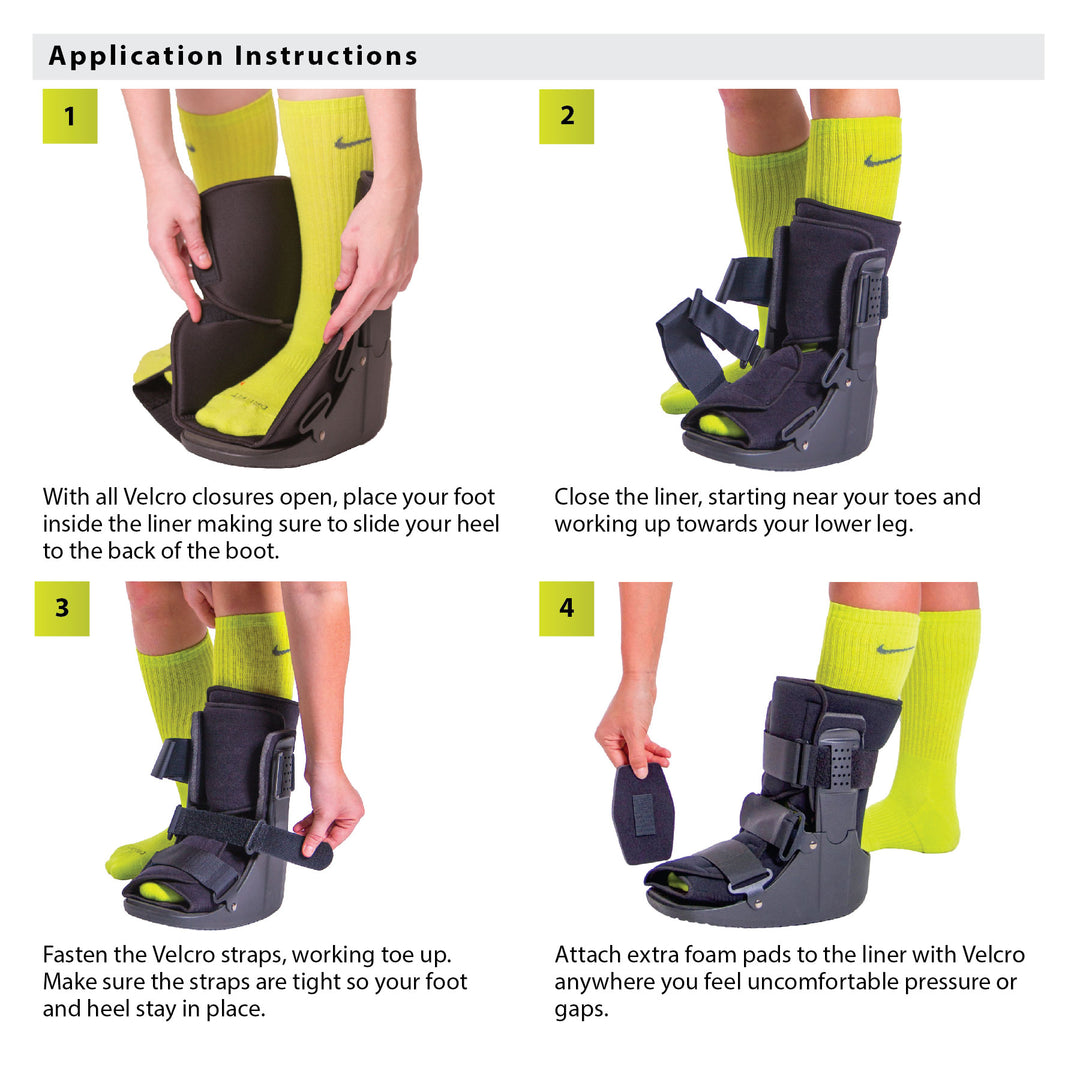
Test the straps and walk only as instructed.
-
Check your skin after the first hour.
Your toes should remain warm and normally colored. Contact a medical professional if you develop increasing pain, numbness, blue or pale toes, severe rubbing, or new swelling.
Many users also need a shoe leveler for the opposite foot. A boot raises one side of the body, which can create an uneven gait. A leveler may improve balance and reduce strain, but ask your clinician whether it is appropriate for you.
Common mistakes that raise the total cost
The biggest mistake is choosing a boot based only on the lowest sticker price. A cheap boot that causes pain may lead to a second purchase, a poor walking pattern, or delayed recovery.
Other common mistakes include:
• Buying the wrong side
• Ignoring the size chart
• Skipping a return policy
• Assuming every boot is covered by insurance
• Failing to ask about fitting fees
• Walking too much because the boot feels protective
• Removing the boot against medical instructions
• Using a damaged secondhand boot
In practical consumer reviews, fit is often the deciding factor. A boot with good padding and simple straps may be more useful than a costly model that feels unstable. Think of the boot as a temporary tool, not a cure by itself.
I cannot personally test medical devices or draw on a clinical career. The most reliable practical lesson from documented patient experiences and orthopedic fitting guidance is simple: confirm the injury, compare the complete price, and check the fit before leaving the store.

How to save money on a medical walking boot
You do not need to choose the most expensive boot to receive proper support. Start by asking the treating clinic whether a standard model is suitable.
Try these cost-saving steps:
• Request a written diagnosis and equipment recommendation.
• Call your insurer before buying.
• Compare the clinic price with a local medical supplier.
• Ask about generic alternatives.
• Look for free shipping and easy returns.
• Use an HSA or FSA if eligible.
• Request an itemized bill after treatment.
• Check charitable medical equipment programs in your area.
Avoid buying from a seller that provides no size information, no return policy, or no product details. A low price is not a good deal if the boot cannot be exchanged or does not provide safe support.
What should you ask before paying?
A few questions can prevent most billing and fitting problems. Ask the seller or clinic:
• What is the total cash price?
• Is the fitting included?
• Is this the correct boot for my injury?
• Does the price include replacement straps or air pumps?
• Can I return it if the size is wrong?
• How long can I use it?
• Will insurance be billed directly?
• What amount should I pay today?
If a clinic gives you a boot before explaining the cost, you can politely ask for a price estimate. Emergency situations can limit your choices, but you can still request an itemized statement later.
Keep your receipt, prescription, insurance explanation of benefits, and fitting instructions. These records can help if the claim is denied or the boot needs to be exchanged.
Frequently asked questions about how much does a medical walking boot cost
How much does a medical walking boot cost at a pharmacy?
A pharmacy walking boot often costs about $40 to $150. Short boots tend to cost less than tall boots, and local prices may differ from online prices.
Does insurance pay for a medical walking boot?
Many insurance plans cover a walking boot when it is medically necessary, but deductibles, copays, coinsurance, and authorization rules may apply. Confirm coverage with your insurer and verify that the supplier is in network.
How much does a medical walking boot cost without insurance?
Most uninsured buyers pay about $30 to $250 for a new boot. A hospital or specialty clinic may charge more, so compare the cash price before accepting one.
Can I buy a medical walking boot online?
Yes, many walking boots are sold online without a prescription. However, confirm the correct size, side, support level, and return policy, and follow your clinician’s instructions.
Is a tall walking boot more expensive than a short boot?
Usually, yes. A tall boot often costs more because it covers more of the leg and offers greater ankle and lower-leg support.
Should I buy or rent a walking boot?
Buying may cost less if you need the boot for several weeks or may use it again. Renting can save money for a short treatment period, but check deposits, cleaning fees, and return rules.
Can I use a used walking boot?
A used boot may be safe if it is clean, intact, and fits properly. Do not use one with a cracked shell, worn sole, damaged straps, missing parts, or signs of poor hygiene.
Conclusion
A medical walking boot usually costs $30 to $250, although clinic charges, premium designs, and insurance rules can push the total higher. The best way to control the price is to confirm the correct boot type, compare complete cash prices, check insurance coverage, and choose a supplier with a clear return policy.
Your comfort and safety matter more than finding the absolute cheapest model. Ask your clinician and insurer the right questions before paying, then monitor your foot for pressure, numbness, or worsening pain. If this guide helped, share your experience or explore more trusted resources on injury recovery and medical equipment costs.

Madison Clark is a footwear expert and the voice behind MyStyleGrid.com. She specializes in honest shoe reviews, style tips, and practical guides to help readers find the perfect pair for any occasion. With years of experience in blogging and content creation, Madison makes footwear knowledge simple, stylish, and easy to follow.