Good boots for men should fit well, match the activity, and offer lasting comfort and support.
Knowing what are good boots for men depends on where you will wear them, how often you will use them, and what level of comfort you expect. A pair for office wear is not the same as one for hiking, harsh weather, work, or daily city walks. This guide explains the main boot types, materials, fit details, and care tips so you can choose with confidence.
What Makes Boots Good for Men?
Good boots should protect your feet without feeling heavy or stiff. They should also match your daily needs, personal style, and local weather.
When people ask what are good boots for men, they often focus on brand names. Brand quality matters, but the best choice usually comes down to five features:
- A secure and comfortable fit
- Strong materials
- A sole suited to the ground
- Good support and grip
- A shape that suits your wardrobe
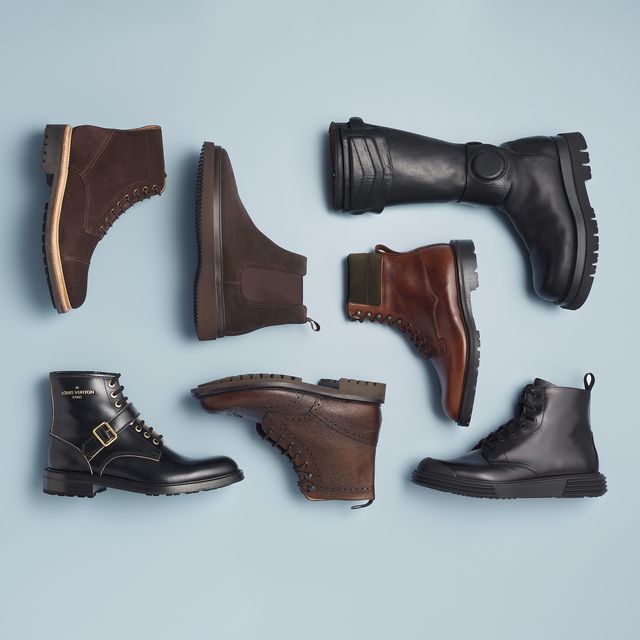
Leather boots often last for years when cared for well. Full grain leather is strong and can develop a rich patina over time. Suede looks soft and stylish, but it needs more care in wet weather. Synthetic materials can be light, affordable, and water resistant, but they may not age as well.
A good boot should also bend near the ball of your foot. It should not bend in the middle of the arch. This simple check can help you avoid boots with poor support.
The Best Types of Boots for Men
There is no single answer to what are good boots for men because each boot type serves a different purpose. The right pair for a job site may feel too rough for a dinner date.
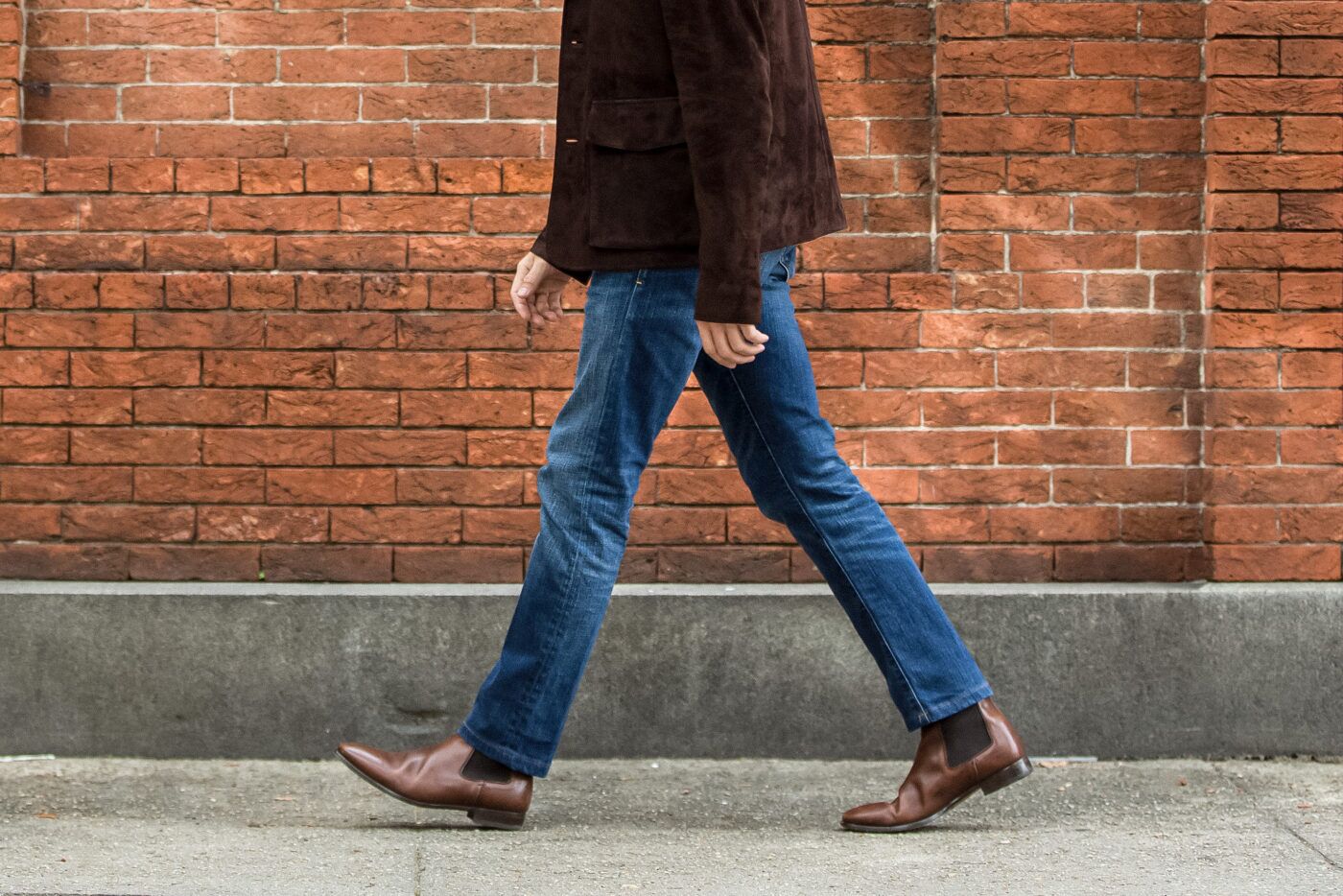
Chelsea Boots
Chelsea boots have elastic side panels and a clean shape. They are easy to put on and work well with jeans, chinos, trousers, and casual suits.
Choose Chelsea boots with:
- A firm heel counter
- Strong elastic panels
- A cushioned footbed
- A rubber sole for wet streets
Leather Chelsea boots offer a classic look. Suede Chelsea boots feel more relaxed, but they need protection from rain and salt.
Chukka Boots
Chukka boots are ankle height and usually have two or three eyelets. They offer a simple look that sits between a sneaker and a dress shoe.
They pair well with jeans, cords, chinos, and wool trousers. A crepe sole feels soft and casual. A leather or rubber sole gives more support and a sharper look.
Work Boots
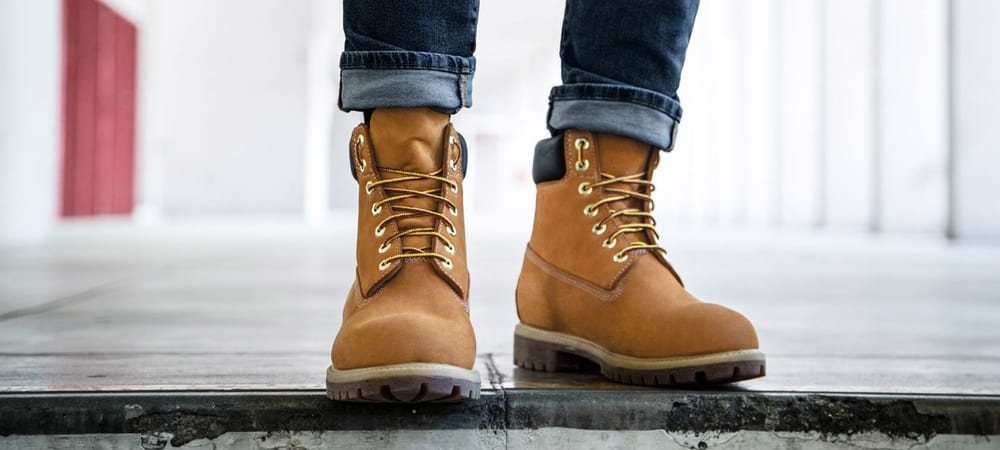
Work boots are made for long hours, rough ground, and demanding tasks. Many include steel toes, composite toes, oil resistant soles, or electrical hazard protection.
Do not choose work boots only by appearance. Check the safety rating, toe room, sole grip, and weight. A safety toe should protect your toes without pressing against them.
Hiking Boots
Hiking boots provide ankle support, traction, and protection from rocks and roots. Some are light and flexible for day hikes. Others are stiff and strong for heavy packs or rough trails.
Look for:
- Deep outsole lugs
- A stable heel
- Water resistance
- A padded collar
- A firm midsole
A hiking boot should feel secure on a slope. Your heel should stay in place while your toes should not hit the front when walking downhill.
Dress Boots
Dress boots have a sleek shape and fine leather. They suit offices, formal events, and smart casual outfits.
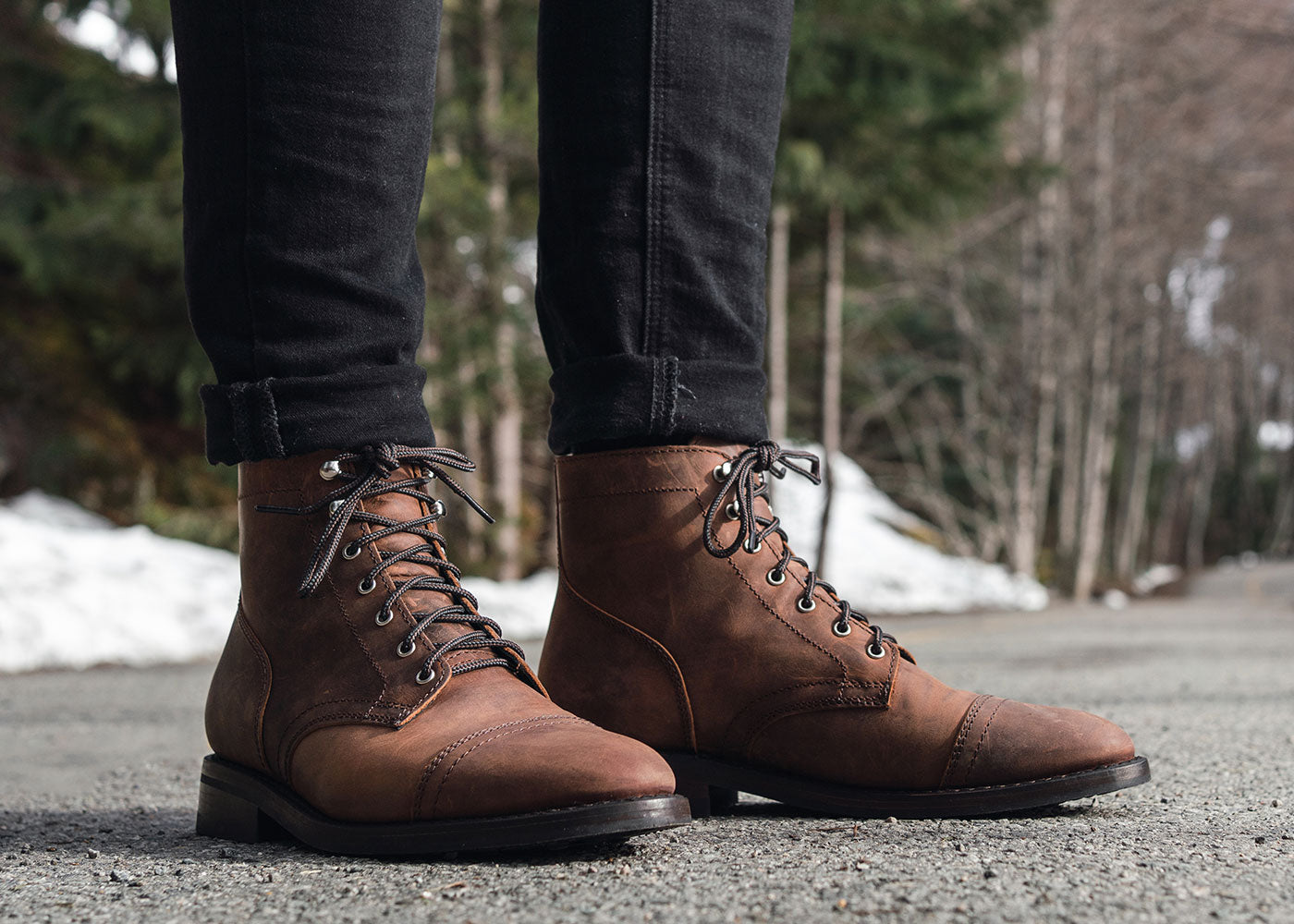
Popular styles include cap toe boots, balmoral boots, and plain toe boots. A slim sole looks refined, while a rubber sole adds comfort and wet weather grip.
Motorcycle Boots
Motorcycle boots protect the ankle and lower leg. They often use thick leather, strong stitching, and a firm sole.
A good pair should stay secure on the foot and avoid loose laces near moving parts. If you ride often, select boots made for riding rather than fashion boots that only look similar.
Best Boot Materials
The material affects comfort, life span, care, and cost. Understanding these differences makes it easier to decide what are good boots for men in your situation.
Full Grain Leather
Full grain leather uses the strongest outer part of the hide. It can resist wear and often becomes more attractive with age.
It may feel stiff at first. Wear it for short periods at home before taking it on a long trip. Use a suitable conditioner, but avoid over-conditioning because too much product can soften the leather too much.
Top Grain Leather
Top grain leather is trimmed and treated to create a smooth finish. It feels soft and looks polished.
It may not develop the same deep patina as full grain leather. Still, it can be a smart choice for office boots and dress boots.
Suede and Nubuck
Suede comes from the softer inner surface of leather. Nubuck comes from the outer surface, lightly sanded to create a fine texture.
Both materials look stylish. They can also show water marks, dirt, and salt. Use a suede brush and a protective spray made for the material.
Synthetic Materials
Synthetic boots often cost less and may resist water well. They can also weigh less than leather boots.
Their main limits are breathability and long term repair. Some synthetic boots crack or peel after heavy use. Check the product details and reviews before buying.
Rubber
Rubber boots are useful in rain, mud, and snow. They are easy to clean and offer strong water protection.
They may feel warm and less breathable. If you wear rubber boots for long periods, choose a pair with moisture control and a comfortable lining.

How Boots Should Fit
Fit is one of the most important answers to what are good boots for men. Even a well made boot can feel poor if the shape does not match your foot.
Try boots late in the day. Feet often swell after hours of walking. Wear the socks you plan to use with the boots.
Check these points:
- Your toes should move freely.
- Your heel should stay in place.
- The widest part of your foot should sit over the widest part of the boot.
- The arch should feel supported, not pushed.
- The boot should bend near the toes.
- Your ankle should feel secure without pressure.
A small amount of heel movement can happen with new leather boots. Too much movement may cause blisters. If your heel lifts with every step, try a different size, thicker socks, or another boot shape.
Do not assume your boot size matches your sneaker size. Brands use different lasts, or foot shapes, so the same size may fit very differently.

Choosing Boots for Different Uses
The best boots for men change with the setting. Start with your main use rather than your favorite color or logo.
For Everyday Wear
Choose leather Chelsea boots, chukkas, service boots, or simple lace up boots. Look for a flexible sole, moderate weight, and a shape that works with most clothes.
Brown and black are the easiest colors to style. Brown boots look relaxed. Black boots look sharper and more modern.
For Work
Select boots based on the risks of your job. Construction work may require a safety toe and slip resistant sole. Outdoor work may call for waterproofing and strong ankle support.
Check your employer’s rules before you buy. Safety features must meet the needs of the workplace, not just general marketing claims.
For Hiking
Choose boots with proper traction and a secure fit. Waterproof boots can help in rain, but they may feel warmer than non waterproof boots.
For dry trails, breathable hiking shoes may be more comfortable. For snow, loose gravel, or heavy packs, boots with more ankle support can offer better control.
For Winter
Winter boots should keep feet warm, dry, and stable. Look for insulation, a sealed upper, and a sole designed for cold surfaces.
Deep tread helps in snow. It does not guarantee safety on ice. Walk slowly on icy ground and consider traction aids when needed.
For Office and Formal Events
A sleek leather boot with a simple toe and thin profile works well. Avoid large lug soles with formal suits unless your workplace has a relaxed dress code.
Black boots fit formal clothing best. Dark brown can work with navy, gray, olive, and denim.

Features Worth Paying For
The answer to what are good boots for men often depends on which features add real value. Some upgrades improve comfort and life span. Others only raise the price.
Strong Construction
Look for even stitching, clean seams, and a firm sole bond. A welted construction can make some boots easier to resole, but it may also add weight and cost.
Cemented soles can feel lighter and more flexible. They may be harder to repair when the sole wears out.
Quality Insoles
A removable insole makes it easier to replace worn cushioning or add an orthotic. This is useful for people with foot pain or different arch needs.
Do not use an orthotic without checking the boot’s space. A thick insert can make the boot too tight.
Good Outsoles
The outsole should match the surface. Smooth leather soles work well indoors and on dry pavement. Rubber soles offer more grip and handle wet ground better.
Large lugs help on trails but can feel clumsy on polished floors. They may also trap mud.
Waterproofing
Water resistant and waterproof do not always mean the same thing. A water resistant boot may handle light rain. A waterproof boot offers stronger protection, often through a membrane or sealed design.
No waterproof boot stays dry forever if water enters through the opening. Use pants that cover the boot and avoid standing water above the ankle.

Common Mistakes to Avoid
Many poor boot purchases come from small mistakes. Avoiding them can save money and prevent foot pain.
- Buying a boot for looks alone
- Choosing a tight fit because leather may stretch
- Wearing new boots on a full day out
- Ignoring the sole’s grip
- Using the wrong cleaner
- Treating all leather as the same
- Buying waterproof boots without checking breathability
- Choosing heavy boots for light daily use
- Forgetting the socks you will wear
- Skipping the return policy
Leather may soften, but it will not usually become longer. If your toes touch the front, do not expect a conditioner to fix the problem.
I have found that comfort testing at home is one of the safest habits. Walk on a clean floor for 15 to 20 minutes. Try stairs and sit down. Notice pressure points before removing tags or scuffing the sole.
How to Break In New Boots
A break in period should be gradual. Pain is not proof that a boot is high quality.
Follow these steps:
- Wear the boots indoors for 20 to 30 minutes.
- Use normal socks, not thin dress socks if you plan to wear thick ones.
- Increase wear time over several days.
- Apply leather conditioner only when the maker allows it.
- Stop if you feel sharp pain, numbness, or rubbing.
- Use blister protection before a long walk.
Some modern boots need little break in. Others use thick leather that takes time to relax. If the boot causes pain after several short sessions, the shape may be wrong for your foot.
Boot Care and Maintenance
Good care can extend the life of your boots. It also keeps the leather flexible and the soles safer.
Leather Boot Care
Brush away dirt after use. Let wet boots dry at room temperature. Keep them away from heaters, fireplaces, and direct high heat.
Use shoe trees when possible. They help reduce creases and allow moisture to leave the leather. Apply conditioner when the leather looks dry, not on a fixed schedule.
Suede Boot Care
Let wet suede dry fully. Brush it with a suede brush to restore the nap. Use a cleaner made for suede when marks remain.
Do not rub wet dirt deeper into the surface. Test any product on a hidden area first.
Sole Care
Check the sole for uneven wear. A worn heel can affect your stride and comfort. Replace or repair soles before the tread becomes dangerously smooth.
A local cobbler can often replace heels, add protective soles, or repair stitching. Repair may cost more at first, but it can be cheaper than buying new boots.

How Much Should You Spend?
Price does not always predict quality. The best value comes from a boot that fits well, meets your needs, and can be maintained.
Budget boots may work well for occasional use. Mid range boots often offer better materials and construction. Premium boots can be a good investment when they provide comfort, repair options, and long service.
Think about cost per wear. A $100 boot worn five times costs more per use than a $250 boot worn for several years. Still, do not pay for premium features you will never use.
Read return terms carefully. Online photos cannot show the full shape, stiffness, or weight of a boot. Reviews are helpful, but foot shape varies from person to person.
A Simple Buying Checklist
Use this checklist when comparing what are good boots for men:
- Decide where you will wear the boots.
- Set a realistic budget.
- Measure both feet.
- Try them with your normal socks.
- Check toe room and heel hold.
- Match the sole to the surface.
- Review water and safety claims.
- Check the return policy.
- Learn the care needs.
- Look for repair options.
If you want one versatile pair, choose a medium weight leather boot in brown or black. A simple design, rubber sole, and comfortable fit will cover many daily settings.
Frequently Asked Questions About What Are Good Boots for Men
What are good boots for men who want one versatile pair?
A leather Chelsea boot, chukka boot, or plain toe lace up boot can work for many outfits. Choose a rubber sole, comfortable fit, and color that matches most of your clothes.
Are leather boots better than synthetic boots?
Leather often offers better aging, breathability, and repair options. Synthetic boots can be lighter, less costly, and easier to clean, so the better choice depends on your use and budget.
How should men’s boots fit?
Your toes should have room to move, while your heel should stay mostly secure. The boot should feel supportive without squeezing your toes, arch, or ankle.
What boots are best for winter?
Insulated waterproof boots with a grippy outsole are best for cold and wet weather. For ice, use extra traction because even deep tread may not prevent slips.
Can men wear boots with a suit?
Yes, men can wear slim leather dress boots with a suit. Black or dark brown boots with a clean toe and thin sole usually look the most formal.
How long should a good pair of boots last?
The life span depends on use, materials, weather, and care. Well made leather boots may last for years, especially when the soles and heels can be repaired.
How do you stop new boots from causing blisters?
Break them in through short indoor sessions and wear the socks you plan to use. If rubbing continues, the boot may have the wrong shape or size for your foot.
Conclusion
The best answer to what are good boots for men starts with purpose, fit, and comfort. Chelsea boots suit smart daily wear, hiking boots support outdoor trails, work boots protect on demanding sites, and winter boots guard against cold and wet ground.
Focus on useful features, not just a famous label. Try boots late in the day, check the toe room, match the sole to your routine, and care for the material from the start. Use this guide to compare your options, then share your favorite boot style or buying tip in the comments.

Rubel Miah is the Senior Editor at MyStyleGrid.com, where he brings a sharp editorial eye and an unshakable love for fashion to everything he does. A true style addict, Rubel lives and breathes trends, from streetwear to high fashion, and has a knack for turning inspiration into impactful stories. With years of experience in fashion journalism and digital media, he curates content that empowers readers to express themselves through style. When he’s not editing features or forecasting the next big thing, you’ll find him hunting down vintage pieces or capturing street style moments around the city.