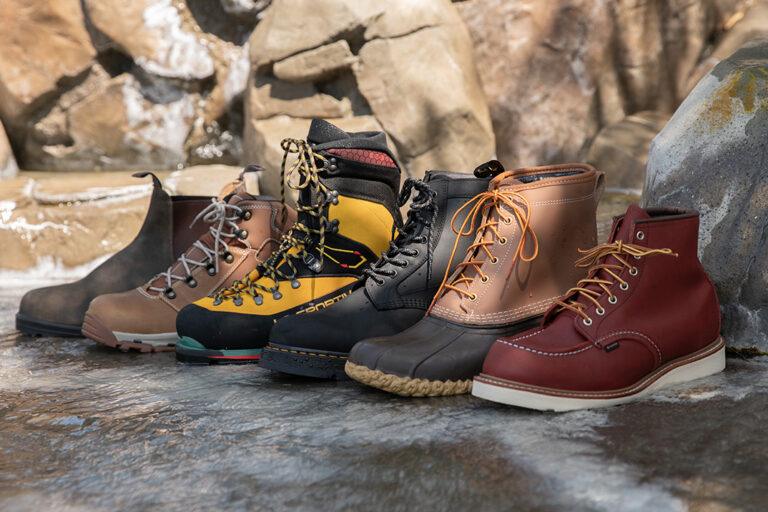
The best men's boots match your daily needs, fit your feet well, and offer lasting comfort, grip, and support.
Finding what are the best men's boots depends on where you wear them, how often you walk, and what your feet need. A rugged work boot, a sleek Chelsea boot, and a waterproof hiking boot can all be excellent choices, but they serve very different roles. This guide breaks down the best types, key materials, fit tips, trusted features, and common mistakes so you can buy with confidence.
What are the best men's boots?
The best men's boots are not always the most expensive pair. They are the boots that fit well, suit your lifestyle, and perform in the conditions you face.
For most men, a strong boot should offer:
• A secure fit without tight spots
• Enough toe room for natural movement
• Good heel support
• A sole with suitable grip
• Durable materials
• Comfort for the time you plan to wear them
• Easy care and repair options
The best men's boots for office wear may have smooth leather and a slim shape. The best men's boots for outdoor work may need waterproofing, toe protection, and a heavy rubber sole. The right answer changes with the job.
When I assess boots, I start with use rather than appearance. A stylish boot that causes heel pain is a poor choice. In the same way, a heavy work boot can feel tiring when worn for casual city walks.

Best men's boots by use
A clear purpose makes shopping much easier. Think about your normal week, then choose the boot type that fits your routine.
Best men's boots for everyday wear
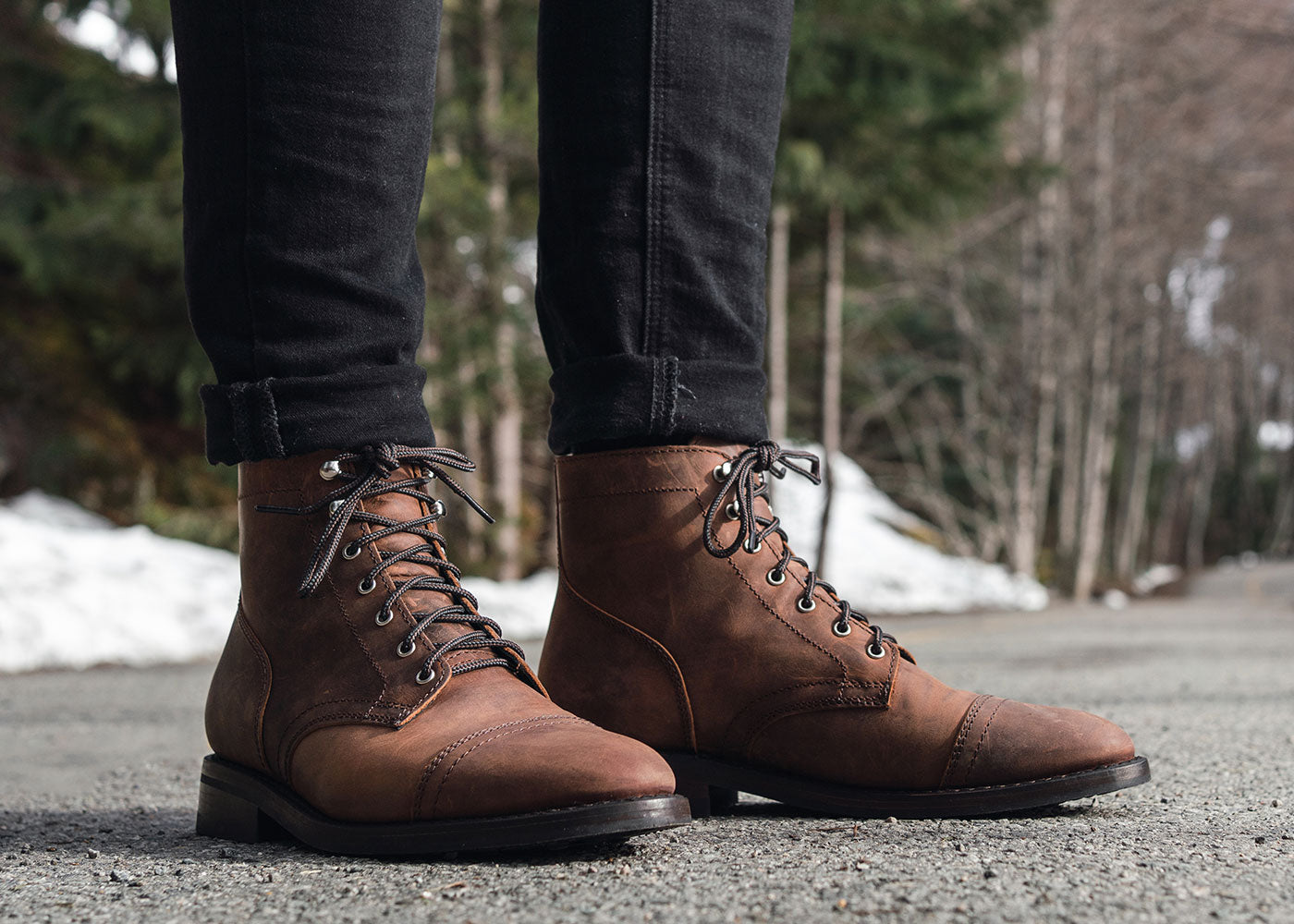
For daily use, look for a leather lace-up boot, chukka, or Chelsea boot. These styles work well with jeans, chinos, and casual trousers.
Choose a medium-weight design with a flexible sole. Full-grain leather can last for years when cared for, while suede offers a softer and more relaxed look.
A good everyday boot should not feel like a hiking shoe unless you need outdoor grip. It should support your foot while still feeling easy to wear in stores, at work, or during a night out.
Best men's boots for work
Work boots should protect your feet and reduce fatigue. Important features may include:
• A safety toe made from steel, composite, or alloy
• Slip-resistant rubber outsoles
• Electrical hazard protection when required
• Strong stitching and reinforced eyelets
• Cushioning under the heel and forefoot
Steel toes offer strong impact protection, but composite toes are often lighter and do not conduct cold as quickly. Always check your employer’s safety rules before buying. A boot must meet the correct workplace standard, not just look tough.
Best men's boots for hiking
Hiking boots need grip, stability, and protection from rough ground. A high-cut boot can support the ankle, but it may feel less flexible than a low hiking shoe.
For short trails, lightweight hiking boots are often enough. For heavy packs, steep slopes, or wet ground, choose stronger ankle support, deep lugs, and a waterproof upper.
Waterproof boots can keep rain out, but they may also hold heat inside. If you hike in warm weather, breathable mesh or a non-waterproof boot may feel better.
Best men's boots for winter
Winter boots should protect against cold, snow, slush, and ice. Look for insulation, sealed seams, waterproof materials, and a sole designed for cold surfaces.
A warm lining alone does not make a boot safe on ice. Deep rubber lugs and a stable heel matter just as much. For severe cold, check the temperature rating, but treat it as a guide rather than a promise. Activity level, socks, and fit all affect warmth.
Best men's boots for rain
Rain boots often use rubber or waterproof synthetic materials. They are useful in heavy rain, muddy yards, and wet commutes.
For long walks, avoid choosing a boot that feels loose around the heel. A loose heel can cause rubbing and blisters. A removable insole can also help the boot dry faster after a wet day.
Best men's boots for formal outfits
Dress boots include Chelsea boots, cap-toe boots, and sleek lace-up styles. Black and dark brown leather are the most flexible colors.
The shape should be neat without squeezing your toes. A slim sole looks refined, but a rubber sole can offer better traction and comfort than a thin leather sole.
How to choose the best men's boots
Boot shopping becomes simpler when you check the main parts in order. Start with fit, then consider material, sole, support, and weather protection.
1. Check the fit
Try boots later in the day. Feet often swell after hours of standing and walking.
Wear the socks you expect to use with the boots. Then check these points:
• Your toes should not touch the front
• Your heel should stay mostly in place
• The widest part of your foot should match the widest part of the boot
• The boot should bend near the ball of your foot
• Your toes should move freely
Some heel movement is normal in a new lace-up boot. However, repeated rubbing is a warning sign. Do not assume every boot will “break in” enough to fix a poor fit.
2. Understand boot materials
Full-grain leather is strong and develops a natural patina. It can resist wear well, but it needs regular cleaning and conditioning.
Top-grain leather is usually sanded or finished for a smoother look. It can offer a good mix of appearance and durability.
Suede has a soft texture and casual style. It needs protection from water, oil, and dirt.
Synthetic materials can reduce weight and cost. Some modern synthetic boots also dry faster than leather. Their lifespan varies widely, so inspect the stitching, lining, and sole before buying.
3. Inspect the sole
The outsole controls grip, comfort, and wear. Rubber soles usually offer strong traction and better wet-weather performance.
Leather soles can look elegant and feel smooth on dry floors. They may slip on wet surfaces and often need more care.
Look for a sole with enough depth for your use. Deep lugs help on trails and mud. A flatter pattern may feel quieter and more comfortable on pavement.
4. Consider construction
Several construction methods affect durability and repairability.
• Goodyear welt: A strong stitched method that can often be resoled
• Blake stitch: A flexible construction with a slimmer profile
• Cemented construction: A lighter and often less costly method
• Direct attach: A sole bonded or molded directly to the upper
A welted boot may offer long-term value, but it can feel stiff at first. A cemented boot may feel comfortable right away, but replacement options can be limited.

Features that matter most
Boot marketing can include many terms. Some matter a lot, while others may add little value for your needs.
Waterproofing
Waterproof leather, sealed seams, and a waterproof membrane can help keep feet dry. Yet no waterproof boot stays perfect forever. Creases, worn seams, and damaged coatings can create entry points for water.
If you need waterproof boots, check whether the tongue is gusseted. This design connects the tongue to the sides of the boot and helps block water.
Cushioning
Cushioning can make hard floors feel easier on your feet. However, very soft cushioning may reduce stability for some users.
A useful boot balances shock absorption with firm support. If you stand all day, pay close attention to the midsole and insole rather than judging the boot by its upper alone.
Arch support
Arch needs vary from person to person. A boot should support your foot without pressing painfully into the arch.
If you have persistent foot pain, speak with a podiatrist. Boots cannot correct every foot problem, and an insert may need to match your specific condition.
Toe protection
Safety toes are essential in many jobs. Steel, composite, and alloy toes can all provide protection when the boot meets the required safety standard.
A safety toe should not press against your toes. Try the boot while standing and walking. Your toes need space even when the foot slides slightly forward.
Ankle support
A taller boot can protect the ankle from scrapes and provide a more secure feel on uneven ground. Still, ankle height alone does not guarantee stability.
A firm heel counter, secure lacing, and a stable sole also matter. For everyday city use, a very stiff ankle may create more discomfort than benefit.
Popular boot styles explained
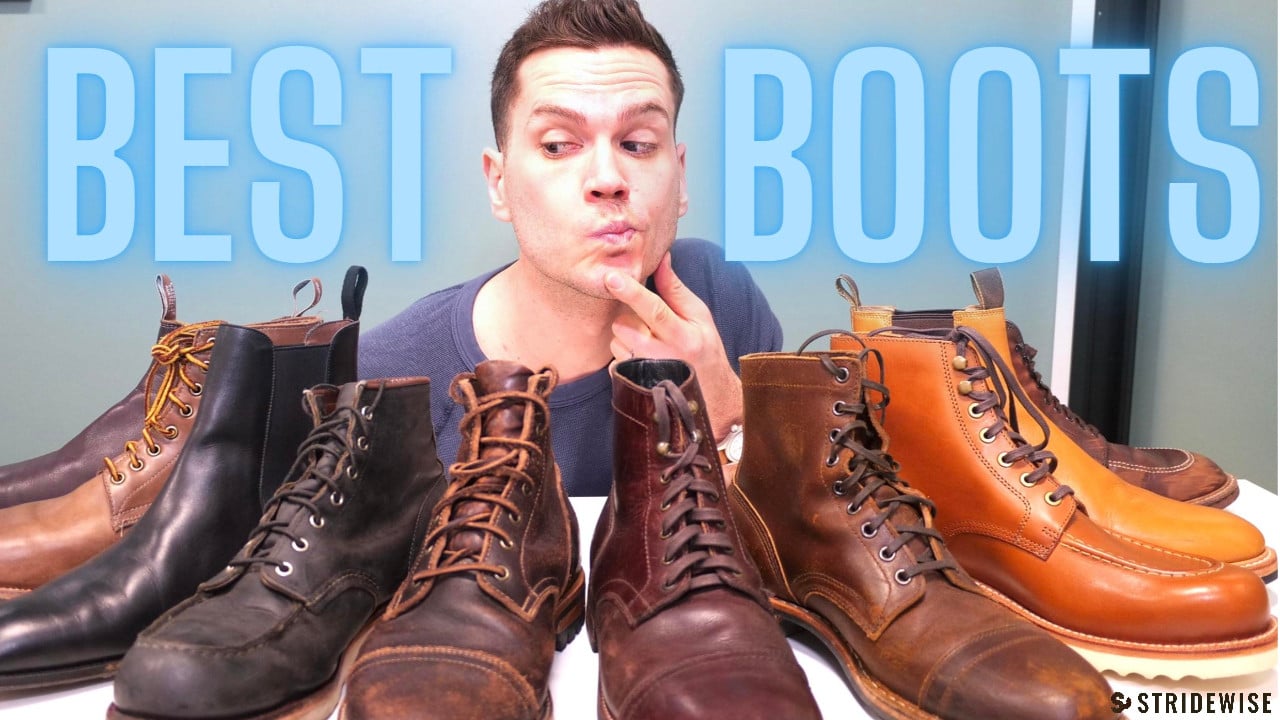
Different boot styles suit different clothing and settings. Knowing the basic shapes helps you avoid buying a boot that rarely leaves your closet.
Chelsea boots
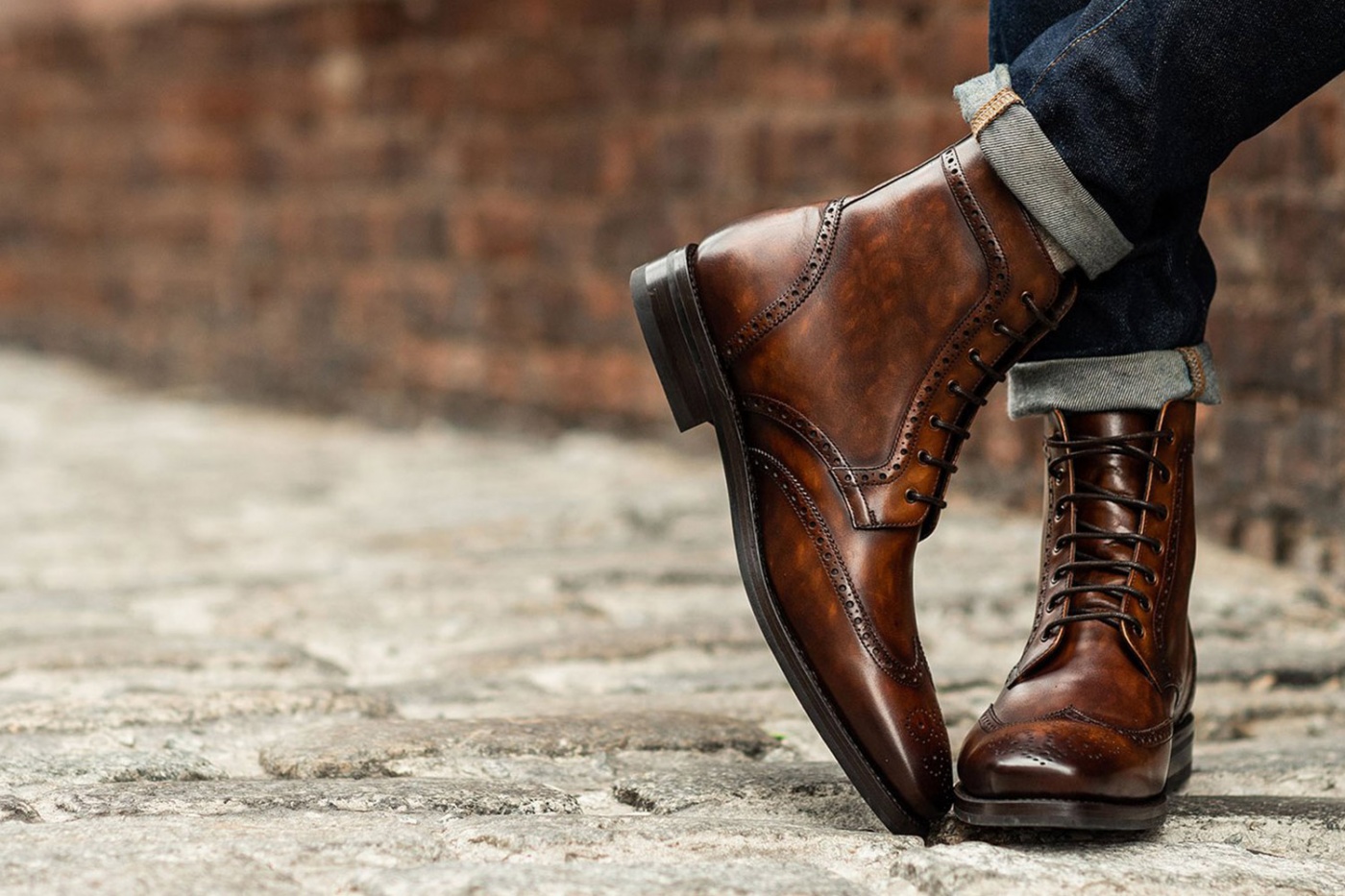
Chelsea boots have elastic side panels and a clean profile. They are easy to put on and work with jeans, chinos, and smart-casual clothing.
Choose a rounded or almond toe for versatility. A very pointed toe can look less natural with casual clothes.
Chukka boots
Chukkas usually have a low ankle height and a simple lace system. Suede chukkas offer a relaxed look, while leather versions can appear more polished.
They are a strong choice for mild weather and everyday use. They offer less protection than tall hiking or work boots.
Service boots
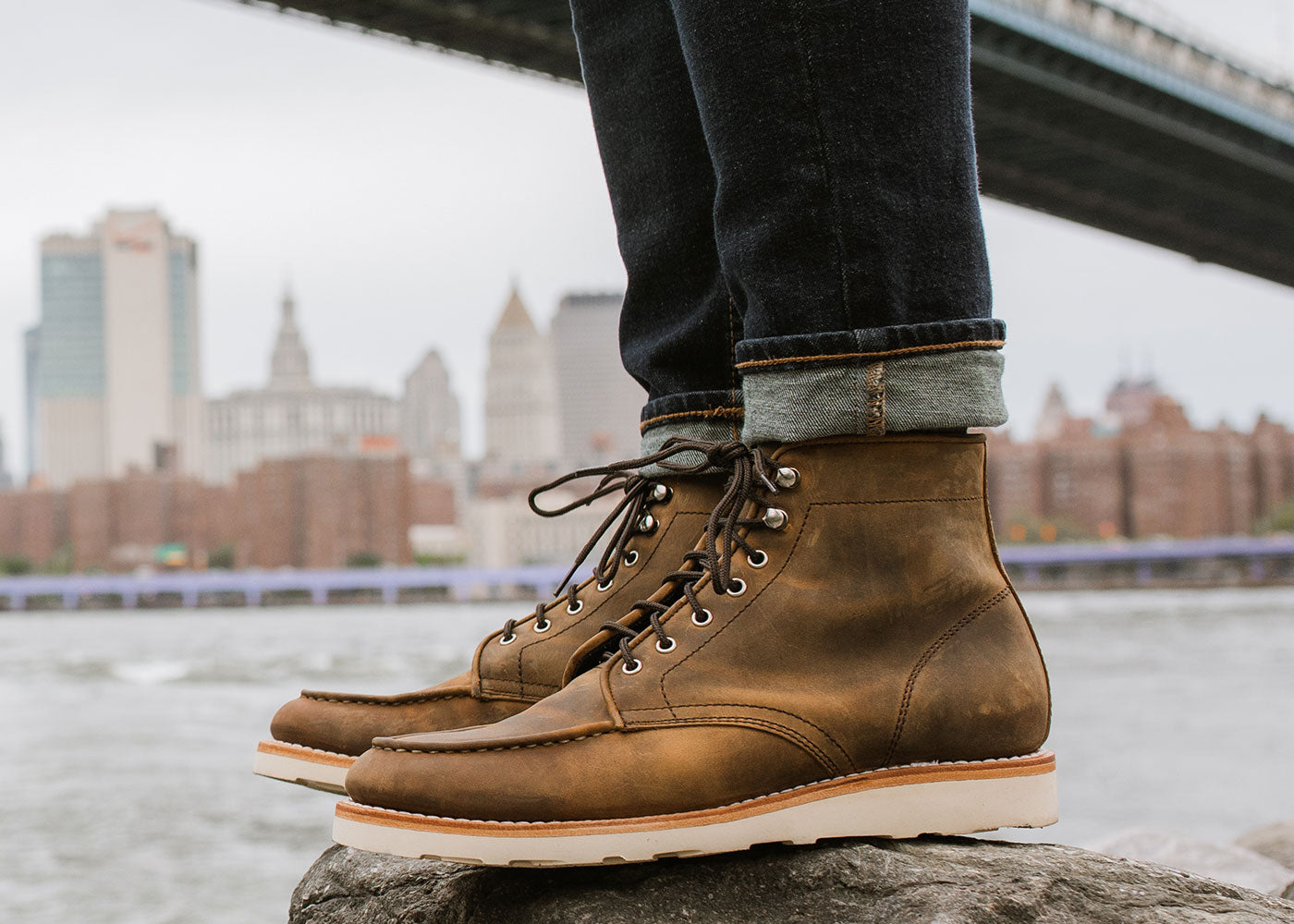
Service boots have a sturdy lace-up design inspired by military footwear. They often use thick leather, strong eyelets, and durable rubber soles.
They can last for many years with care. Their main limitation is weight and stiffness during the first few wears.
Combat boots
Combat-style boots offer a bold look and strong ankle coverage. Some include waterproof liners and aggressive soles.
They can work well for outdoor use, but fashion versions may not provide the protection of certified work boots. Check the actual features rather than relying on the style name.
Work boots
Work boots focus on safety, durability, and grip. They may look similar to casual boots, but certified protection makes them different.
Do not use a fashion boot for hazardous work. It may lack toe protection, electrical protection, or tested slip resistance.
Cowboy boots
Cowboy boots have a tall shaft and a distinct heel. They can offer comfort and support when the shape matches your foot.
The instep should feel secure, and the heel should lift slightly without rubbing badly. Western boots often need a different fit method than lace-up boots.

How much should you spend on men's boots?
The best men's boots can cost less than expected, but very cheap boots may wear out quickly. Price usually reflects materials, construction, labor, brand reputation, and repair options.
A simple guide looks like this:
• Budget boots: Good for occasional use or short-term needs
• Mid-range boots: Often offer the best balance of comfort and durability
• Premium boots: Worth considering for daily wear, repairability, and high-quality materials
Do not pay extra for a brand name alone. Examine the sole attachment, leather quality, stitching, lining, and return policy.
A more expensive boot can provide better value if you wear it often and maintain it well. A cheaper boot may be the smarter choice if you need it for one trip or one season.

Mistakes to avoid when buying boots
Many boot problems start before the first walk. A few simple checks can prevent discomfort and wasted money.
Buying for looks alone
A boot may look excellent online but feel narrow, stiff, or heavy in person. Always check measurements, read return terms, and try the boot with normal socks.
Choosing the wrong size
Boot sizes can vary between brands and styles. Never assume your usual size will fit every pair.
Measure both feet if possible. Choose the size that fits the larger foot, then use an insole or thicker sock if needed.
Ignoring the break-in period
Leather boots can need time to soften. Wear them for short periods at home before using them for a full workday or long trip.
Do not force a painful break-in. Blisters and numbness suggest a fit problem, not a normal adjustment.
Wearing cotton socks for long hikes
Cotton holds moisture against the skin. For hiking and work, wool or synthetic socks can manage moisture better and reduce friction.
The sock must also match the boot. A thick sock in a tight boot can create more pressure, not more comfort.
Skipping care
Dirt and salt can damage leather and stitching. Clean boots after heavy use and let them dry at room temperature.
Do not place wet leather boots directly beside a heater. High heat can dry and shrink the leather.
How to care for men's boots
Good care can extend boot life and improve comfort. The method depends on the material.
Leather boot care
Use a soft brush to remove dirt. Apply a suitable leather cleaner, then use conditioner when the leather looks dry.
Do not over-condition. Too much product can soften the leather excessively and make the boot feel greasy.
Suede boot care
Brush suede with a suede brush. Use a product made for suede if you need added water resistance.
Avoid standard leather polish. It can flatten the nap and change the color.
Drying wet boots
Remove the insoles and loosen the laces. Let the boots dry in a well-ventilated room.
Stuffing them with plain paper can help absorb moisture. Replace the paper as it becomes damp.
Storing boots
Store boots in a cool, dry place. Boot trees can help leather boots hold their shape and reduce creasing.
Keep boots away from direct sunlight for long periods. Sun can fade leather and some synthetic materials.

Are expensive boots worth it?
Sometimes. Premium boots often use better leather, stronger construction, and replaceable soles. These features can lower the long-term cost if you wear the boots often.
The best men's boots for daily wear may justify a higher price because comfort affects every step. Yet expensive boots are not automatically better for every foot or task.
Look for clear details about materials, construction, warranty terms, and repair service. If a brand does not explain how its boots are made, be cautious about paying a premium.
How to test boots before keeping them
Use a short home test before wearing new boots outside. This protects your return option and reveals problems early.
-
Try both boots with your normal socks.
-
Walk on carpet for at least 10 minutes.
-
Go up and down stairs.
-
Check for toe pressure and heel rubbing.
-
Bend each boot near the ball of the foot.
-
Stand still for several minutes.
-
Review the store’s return policy before removing tags or packaging.
A good boot should feel secure, not restrictive. Comfort should improve as the materials soften, but sharp pain, numbness, or strong pressure should never be ignored.
Frequently Asked Questions About What Are the Best Men's Boots
What are the best men's boots for everyday use?
The best men's boots for everyday use are usually leather Chelsea boots, chukkas, or medium-weight lace-up boots. Choose a pair with a comfortable insole, a flexible rubber sole, and enough room for your toes.
What are the best men's boots for walking all day?
The best men's boots for walking all day have strong cushioning, a stable heel, good grip, and a flexible forefoot. Lightweight hiking boots or supportive casual boots often work better than stiff fashion boots.
Are leather boots better than synthetic boots?
Leather boots can offer excellent durability, comfort, and a classic appearance when maintained well. Synthetic boots may be lighter, less costly, and faster to dry, so the better choice depends on your use and climate.
How should men's boots fit?
Men's boots should hold the heel securely while allowing the toes to move freely. The widest part of your foot should sit in the widest part of the boot, with no painful pressure.
How long should a good pair of men's boots last?
A good pair of men's boots may last several years or longer, depending on wear, materials, construction, and care. Boots with repairable soles can last much longer than low-cost boots with permanently bonded soles.
Can men's boots be worn in the rain?
Many men's boots can handle light rain if they have treated leather or water-resistant materials. For heavy rain, choose boots with waterproof construction, sealed seams, and a gusseted tongue.
Should men's boots feel tight at first?
New boots may feel firm, but they should not cause pain, numbness, or strong pressure. A little stiffness can improve with wear, while a poor size or narrow toe box usually will not.
Conclusion
The best men's boots combine the right fit, useful protection, suitable materials, and a sole made for your daily ground. Start by choosing the purpose, then compare comfort, construction, weather resistance, and care needs.
Do not buy only for style or brand reputation. Try boots with the socks you wear, walk in them before going outside, and give your feet time to adjust. Use this guide to narrow your choices, and explore more footwear advice before making your next purchase.

Madison Clark is a footwear expert and the voice behind MyStyleGrid.com. She specializes in honest shoe reviews, style tips, and practical guides to help readers find the perfect pair for any occasion. With years of experience in blogging and content creation, Madison makes footwear knowledge simple, stylish, and easy to follow.