The warmest men’s boots combine deep insulation, waterproof shells, heat-trapping liners, and a snug, breathable fit.
When people ask what are the warmest mens boots, they usually need more than a long product list. They need boots that match a real setting, such as deep snow, icy job sites, winter hiking, or daily city use. After comparing insulation types, sole designs, waterproof materials, and cold-weather fit, this guide explains which boots hold heat best and how to choose without wasting money.
What are the warmest mens boots?
The warmest men’s boots are usually built for extreme cold, not mild winter weather. They often use 400 to 1,200 grams of synthetic insulation, thick felt or wool liners, waterproof uppers, and tall shafts that block snow.
For most people, the best warm winter boots fall into four groups:
• Extreme cold boots for very low temperatures and deep snow
• Pac boots with removable felt liners
• Insulated rubber boots for wet snow, slush, and outdoor work
• Insulated hiking or work boots for walking, chores, and mixed winter use
There is no single warmest boot for every man. A boot that feels perfect at a frozen job site may feel too bulky for walking downtown. A very warm boot can also make your feet sweat, and damp socks quickly become cold socks.
The warmest men’s boots usually share these features:
• High levels of insulation
• A waterproof or water-resistant outer shell
• A tall design that keeps snow out
• A thick midsole that separates your foot from frozen ground
• A roomy toe box for warm air and thick socks
• A sole with strong traction on snow and ice
Best types of warm men’s boots
Understanding boot categories makes shopping much easier. Each style solves a different winter problem.
Extreme cold boots
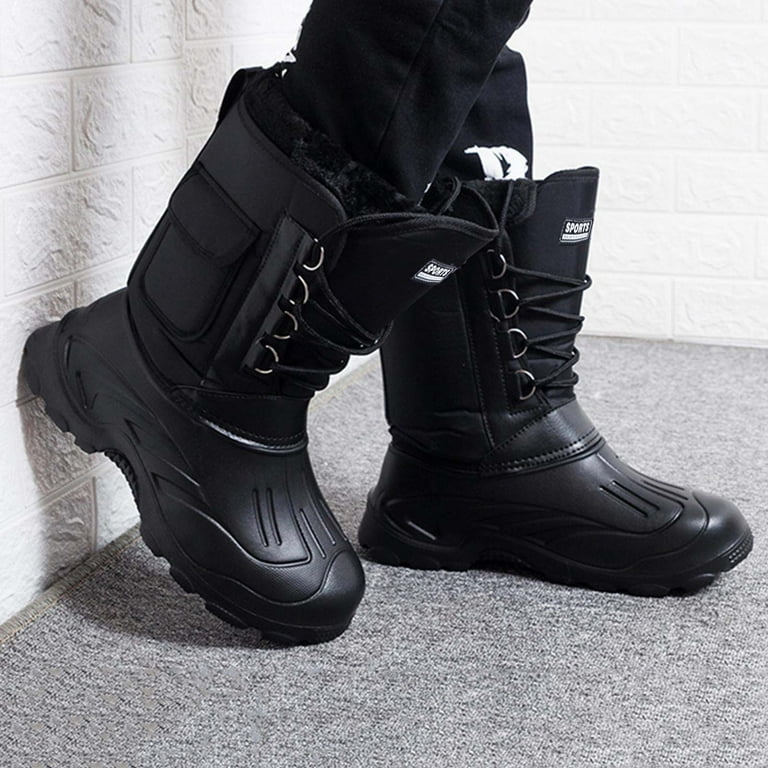
Extreme cold boots are made for long exposure to very low temperatures. Brands such as Baffin, Muck, Kamik, and LaCrosse make models designed for hunting, ice fishing, snowmobiling, and hard outdoor work.
These boots often use thick foam insulation, multilayer liners, waterproof shells, and tall shafts. Some are rated for temperatures far below zero, but temperature ratings are not universal tests. Your activity level, socks, circulation, and exposure time all affect how warm the boots feel.
Pac boots
Pac boots combine a waterproof lower section with a leather or textile upper. Many include a removable felt liner that dries more easily than a permanently attached lining.
Classic examples include the Sorel Caribou, Kamik Nation Plus, and similar winter pac boots. They are strong choices for snow shoveling, casual winter use, hunting, and cold walks.
A removable liner is a major benefit. If the liner gets wet from sweat or melted snow, you can remove it and dry it overnight. That simple feature can add comfort and extend the boot’s life.
Insulated rubber boots
Insulated rubber boots are excellent for wet snow, muddy trails, and slushy conditions. Muck, Bogs, and LaCrosse are well known for this type of boot.
Rubber blocks water better than many leather materials, but it does not breathe as well. These boots can feel hot during active work, then cold when sweat builds up inside. Choose them for wet conditions, not automatically for every winter day.
Insulated work boots
Insulated work boots are made for people who stand, walk, lift, or work outdoors. They may include safety toes, electrical hazard protection, waterproof leather, and aggressive outsoles.
A 400 gram insulated work boot can be warmer for active labor than a bulky 1,000 gram boot. Movement creates body heat, so workers often need a balance between insulation, flexibility, and moisture control.
Insulated winter hiking boots
Winter hiking boots are lighter than extreme cold boots. They usually have waterproof membranes, moderate insulation, deep lugs, and flexible midsoles.
These boots work well for walking trails, commuting, and active snow play. They may not be warm enough for sitting still on a frozen lake or spending hours in deep Arctic cold.

The warmest men’s boots for extreme cold
If you spend long periods outside in severe cold, look for boots with thick insulation and a proven cold-weather design. The warmest men’s boots for extreme cold often have removable liners, oversized construction, and a waterproof lower shell.
Good examples include:
• Baffin Impact for very cold outdoor use
• Muck Arctic Sport for wet and cold conditions
• LaCrosse Ice King for hunting and stationary outdoor use
• Kamik Nation Plus for snow, chores, and general winter wear
• Sorel Glacier XT for deep snow and heavy winter conditions
These models differ in fit and purpose. Some are better for walking, while others are designed for standing still. A boot with a very low temperature rating may feel stiff, heavy, or excessive for daily errands.
When selecting extreme cold boots, check these details:
• Insulation amount and material
• Temperature rating and how the brand tests it
• Liner design and drying options
• Shaft height
• Weight per pair
• Outsole grip
• Room for winter socks
Do not treat a temperature rating as a guarantee. A person standing still in wind at minus 10 degrees may need more warmth than someone hiking at the same temperature. Wind, moisture, circulation, and activity can change the result.

Insulation: what makes a boot warm?
Insulation traps air around your foot. Since still air is a poor conductor of heat, trapped air slows heat loss. This is similar to how a sleeping bag keeps your body warm.
Synthetic insulation
Synthetic insulation is common in winter boots because it performs well when damp. Thinsulate is one widely used material, but many brands use their own foam or fiber systems.
Insulation is often listed in grams, such as 200g, 400g, 600g, or 1,000g. More grams usually mean more warmth, but the number does not tell the whole story.
A 400g boot with a waterproof shell and thick rubber sole may feel warmer than a poorly sealed 800g boot. Fit and construction matter just as much as the insulation number.
Felt and wool liners
Felt liners are thick, warm, and common in pac boots. Wool can manage moisture well and continues to insulate better than cotton when slightly damp.
Removable liners offer another advantage: they can be taken out to dry. This is especially useful for people who wear boots all day or sweat heavily.
Foam insulation
Some extreme cold boots use molded foam. Foam can provide strong warmth and support, but it may feel less flexible. It also can take longer to dry if moisture enters the boot.
Why cotton socks fail in winter
Cotton absorbs sweat and stays wet. That moisture pulls heat away from your skin.
For cold weather, choose:
• Merino wool socks for warmth and moisture control
• Synthetic winter socks for fast drying
• A thin liner sock under a thicker wool sock when the boot has enough room
Avoid wearing several thick socks in a tight boot. Compression reduces circulation and leaves less air space for insulation.
How waterproofing affects warmth
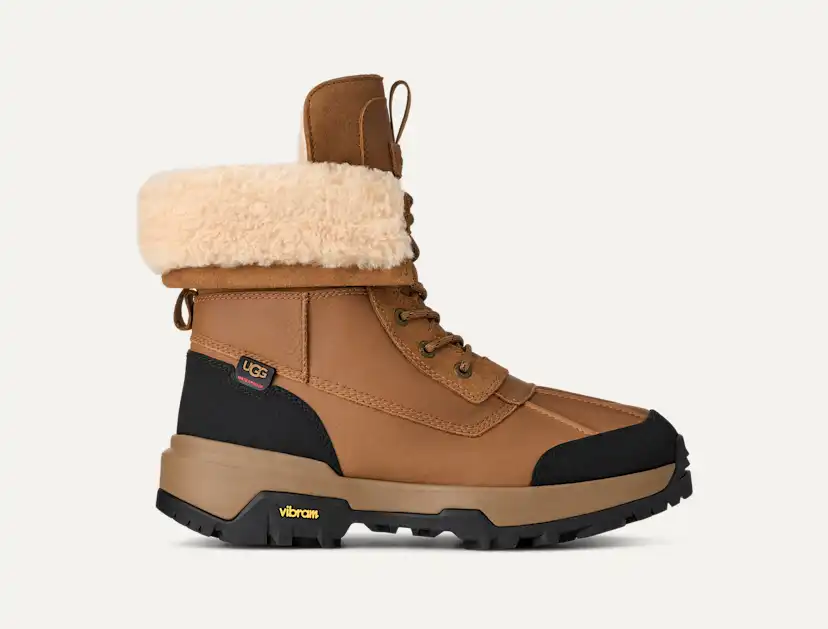
Waterproofing is one of the most important answers to what are the warmest mens boots. Wet feet lose heat much faster than dry feet, even when the boot has thick insulation.
Common waterproof materials include:
• Rubber shells
• Waterproof leather
• Waterproof breathable membranes
• Sealed seams
• Gusseted tongues
A boot can be made from waterproof material and still leak through the tongue, seams, laces, or collar. Deep snow can also enter from the top if the shaft is too short.
For wet snow and slush, rubber boots offer excellent protection. For long walks, waterproof leather or a breathable membrane may feel more comfortable because it allows some vapor to escape.
Remember that breathable does not mean fully ventilated. Every waterproof boot can become damp inside during hard activity. Open the boot and dry the liner after use.
Warmth versus comfort and mobility
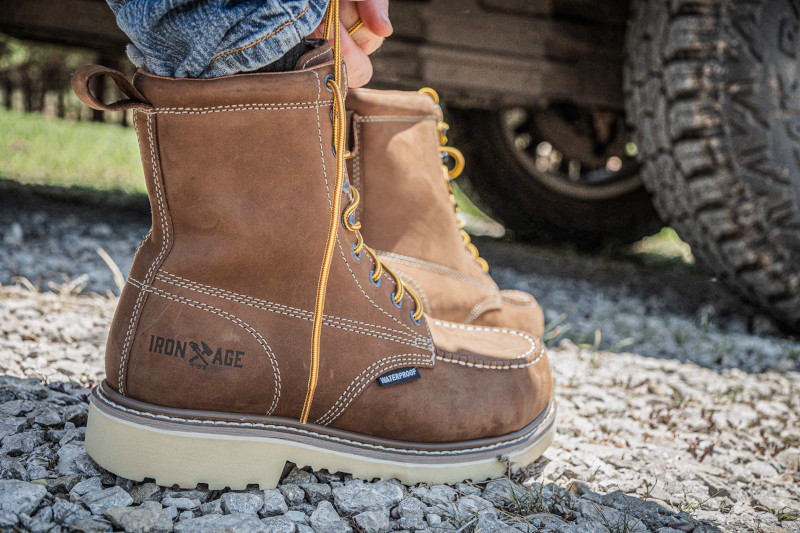
The warmest men’s boots are not always the best men’s boots for everyday life. Very warm models can be heavy and stiff. They may also make driving, climbing stairs, or walking on dry pavement less comfortable.
Choose based on your main use:
• For ice fishing, choose thick insulation, a tall shaft, and a removable liner.
• For snow shoveling, choose waterproofing, traction, and moderate flexibility.
• For winter hiking, choose lighter insulation, a secure heel, and a flexible sole.
• For construction work, choose safety features, stable traction, and enough insulation for your activity level.
• For city use, choose moderate insulation, a comfortable fit, and a sole that works on cleared sidewalks.
A warm boot should feel secure but not tight. Your toes should move freely, and your heel should stay mostly in place. Some small heel movement is normal in bulky winter boots, but excessive slipping can cause blisters.
.jpg)
How to choose the right size and fit
Many people buy winter boots too small. They plan to wear thick socks, but forget that insulation needs room to work.
Use this fitting process:
-
Try the boots on while wearing the socks you expect to use.
-
Check that your toes can wiggle without touching the front.
-
Walk downhill or down a ramp to test toe pressure.
-
Make sure your heel does not lift excessively.
-
Check that the upper does not squeeze your calf or ankle.
-
Test the laces, straps, or drawcord with gloves on.
Your foot should not slide forward when you walk. At the same time, the toe box should not press against your toes. A cramped boot can reduce blood flow and feel colder than a slightly larger boot.
One practical lesson stands out from winter boot testing: fit often beats insulation claims. A well-fitted 400g boot can feel warmer than a loose, heavy boot because it holds your foot in the correct position and reduces cold air movement.

Traction on snow and ice
Warmth keeps your feet comfortable, but traction keeps you upright. The best warm men’s boots should have a rubber outsole with deep lugs and a compound that remains flexible in cold weather.
Look for:
• Deep, widely spaced lugs for snow
• Flexible rubber for cold surfaces
• A broad heel for stability
• A firm midsole for uneven ground
• Ice-specific technology when walking on frozen surfaces
No ordinary boot is perfect on polished ice. If you regularly walk on glare ice, consider removable traction devices with metal studs or carbide points. Use them carefully indoors because they can damage floors and increase slipping on smooth surfaces.
Clean mud and packed snow from the outsole often. Even a strong tread loses grip when the grooves fill with ice.

Common mistakes that make winter boots feel cold
Even high-quality boots can feel cold when used incorrectly. These mistakes are common and easy to fix.
Wearing boots that are too tight
Tight boots compress insulation and restrict blood flow. This is one of the fastest ways to create cold toes.
Using cotton socks
Cotton holds sweat against your skin. Switch to wool or synthetic socks instead.
Wearing wet liners
A damp liner will not provide full warmth. Remove it from the boot and dry it in a warm, ventilated place.
Do not place leather boots directly on a radiator or near an intense heater. High heat can crack leather, weaken adhesives, and deform rubber.
Ignoring the ground beneath you
Cold travels through the sole. A thick, insulated midsole helps protect your foot from frozen ground, metal platforms, and packed snow.
Choosing too much insulation
Over-insulated boots can cause sweating during active work. Once your socks become damp, your feet may chill during rest periods.
How to care for warm winter boots
Good care helps winter boots stay warm for more than one season. Salt, water, sweat, and road chemicals can damage the upper and reduce comfort.
Follow these steps:
-
Brush off salt and dirt after each use.
-
Wipe leather with a damp cloth.
-
Apply a compatible leather conditioner when needed.
-
Remove liners and insoles to dry them.
-
Let boots dry naturally at room temperature.
-
Store boots in a dry, ventilated space.
-
Check the outsole for worn tread before the next winter.
Do not use regular household oils on technical leather unless the manufacturer permits them. The wrong product can block breathability or soften the leather too much.
For rubber boots, clean the surface and inspect it for cracks. Store them away from direct sunlight, which can weaken rubber over time.
Best warm men’s boots by use case
The answer to what are the warmest mens boots depends on where and how you use them.
Best for extreme cold
Choose a tall boot with thick foam or synthetic insulation, a waterproof lower shell, and a removable liner. These boots suit ice fishing, snowmobiling, hunting, and long periods outside.
Best for wet snow
Choose insulated rubber boots. They handle slush, puddles, and wet trails better than many leather boots.
Best for everyday winter wear
Choose a pac boot or insulated leather boot with moderate insulation. It should be warm enough for errands but not so bulky that walking becomes tiring.
Best for winter hiking
Choose a waterproof hiking boot with 200g to 400g insulation, a grippy outsole, and a stable heel. Add traction devices when trails are icy.
Best for outdoor work
Choose an insulated work boot with the safety features your job requires. Depending on the workplace, you may need a safety toe, electrical hazard protection, puncture resistance, or slip-resistant outsole.
Best for mild winters
A lightly insulated waterproof boot may be enough. Heavy extreme cold boots can make your feet sweat and may provide more warmth than you need.
Are expensive winter boots worth it?
Price can reflect better materials, stronger stitching, improved insulation, and more reliable waterproofing. However, the most expensive boot is not always the warmest men’s boot for your needs.
Consider the features that matter most:
• Warmth for your actual temperature range
• Waterproof protection
• Fit and comfort
• Traction
• Durability
• Warranty and repair support
• Ease of drying
A less expensive pac boot with a removable liner may outperform a costly fashion boot in deep snow. On the other hand, a quality work boot can be worth more if you wear it daily and need safety protection.
Think about cost per season, not just the price at checkout. A durable boot that stays comfortable for several winters may offer better value than a cheaper pair that leaks after a few months.
How to test winter boots before keeping them
You can learn a lot before wearing boots outside. Try them at home on a clean floor.
Check the following:
• Walk for 10 to 15 minutes.
• Wear your normal winter socks.
• Bend your ankles and climb stairs.
• Test whether the tongue stays centered.
• Check for pressure points around the toes.
• Confirm that the outsole does not slip on smooth floors.
• Make sure you can remove the boots without a struggle.
If a boot feels uncomfortable indoors, cold outdoor conditions will not improve it. Keep the packaging until you are sure the fit works, especially when buying online.
Also read the brand’s care instructions and warranty terms. Waterproof claims, insulation ratings, and return rules can vary between manufacturers.
What are the warmest mens boots for daily winter wear?
For daily winter wear, insulated pac boots or waterproof leather boots with 200g to 400g insulation are often the most practical. They provide warmth without the extreme bulk of deep-cold hunting or ice-fishing boots.
Are 1,000-gram boots always warmer than 400-gram boots?
No. Insulation weight is only one factor. Fit, waterproofing, sole thickness, liner quality, activity level, and moisture control also affect warmth.
Are rubber boots warmer than leather boots?
Rubber boots can be warmer and more waterproof in wet conditions when they have thick insulation. Leather boots may breathe better and feel more comfortable during long walks, especially when treated and sealed correctly.
What socks should men wear with the warmest winter boots?
Merino wool or synthetic socks are usually best because they manage moisture better than cotton. Make sure the boots have enough room so the socks do not make the fit tight.
How should winter boots fit?
Winter boots should hold your heel securely while leaving space for toe movement and warm air. Your toes should not touch the front, and the boot should not squeeze your foot or reduce circulation.
Can winter boots be too warm?
Yes. Excessive insulation can make your feet sweat during active work or walking. Damp socks can later feel colder, so choose insulation based on your activity and local weather.
How long do warm winter boots last?
Quality winter boots can last several seasons with proper care, but use, salt, moisture, and outsole wear affect their lifespan. Replace boots when the tread is smooth, the shell leaks, or the insulation has compressed and no longer feels protective.
Can you wear the warmest winter boots for driving?
Very bulky boots can reduce pedal feel and ankle movement. For frequent driving, choose a warm boot with a flexible sole and secure fit, or change into a lighter shoe once you reach your destination.
Conclusion
The warmest men’s boots are not defined by insulation alone. The best pair combines suitable insulation, waterproof protection, a roomy but secure fit, a thick sole, and dependable traction.
For extreme cold, choose tall insulated boots with removable liners. For wet snow, insulated rubber boots are hard to beat. For daily use, pac boots and insulated leather boots often offer the best balance of warmth, comfort, and mobility.
Use your climate, activity, sock choice, and fit as your guide. Compare trusted models, test the fit indoors, and care for the boots after every wet outing. Explore more winter footwear guides, and share your favorite cold-weather boots in the comments.

Madison Clark is a footwear expert and the voice behind MyStyleGrid.com. She specializes in honest shoe reviews, style tips, and practical guides to help readers find the perfect pair for any occasion. With years of experience in blogging and content creation, Madison makes footwear knowledge simple, stylish, and easy to follow.