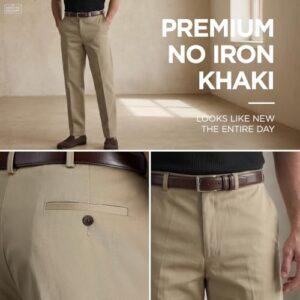
Trousers for women are lower-body garments designed to cover each leg separately from the waist to the ankle.
Trousers for women combine comfort, coverage, and personal style in one useful garment. They can look polished at work, relaxed on weekends, or elegant at formal events. This guide explains their meaning, history, main styles, fabrics, fit, and the best ways to choose a pair that feels as good as it looks.
What Are Trousers for Women?
Trousers for women are garments with two separate leg openings. They usually sit at the waist or hips and may reach the ankle, calf, or floor. Most pairs include a waistband, pockets, a front closure, and a cut that shapes the body without joining the legs together.
In the United States, many people use the word “pants” more often than “trousers.” The meaning is usually the same. “Trousers” can sound a little more formal, while “pants” is common in daily speech.
Trousers for women come in many shapes. A pair may be narrow and tailored, wide and flowing, cropped above the ankle, or loose like lounge wear. The best choice depends on the event, weather, fabric, body comfort, and personal taste.
Unlike skirts and dresses, trousers allow each leg to move on its own. This makes them useful for walking, cycling, travel, work, and many forms of exercise. They also offer more coverage for people who prefer not to wear skirts or dresses.

A Short History of Women’s Trousers
For much of Western history, women were expected to wear skirts or dresses in public. Some women wore divided garments for riding, work, or sport, but social rules often limited when and where trousers could be worn.
During the 19th century, dress reformers supported practical clothing for women. Loose trousers worn under a shorter skirt became known in the United States as bloomers. These garments were controversial at first, yet they helped show that women’s clothing could support movement and independence.
Trousers became more accepted during the 20th century. Women wore them for factory work during World War II, for sports, for travel, and later for office settings. Designers also helped make trousers a fashionable choice for evening wear and formal events.
Today, trousers for women are part of everyday clothing across many cultures. They can reflect social change, work needs, climate, religion, modesty, and individual style. Their history shows that clothing is not only about appearance. It can also affect freedom, safety, and confidence.
Common Types of Trousers for Women
The cut of trousers changes their look and feel. Learning the main types makes shopping much easier.
Straight-leg trousers
Straight-leg trousers keep a similar width from the hip or knee to the hem. They create a clean line and work well with flats, sneakers, loafers, and low heels.
They are a strong choice for work because they look neat without feeling too strict. They also suit many body shapes when the waistband and hip area fit well.
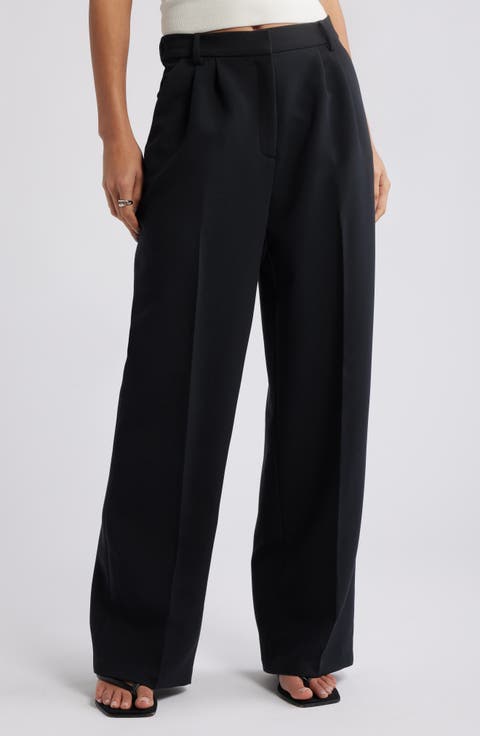
Wide-leg trousers
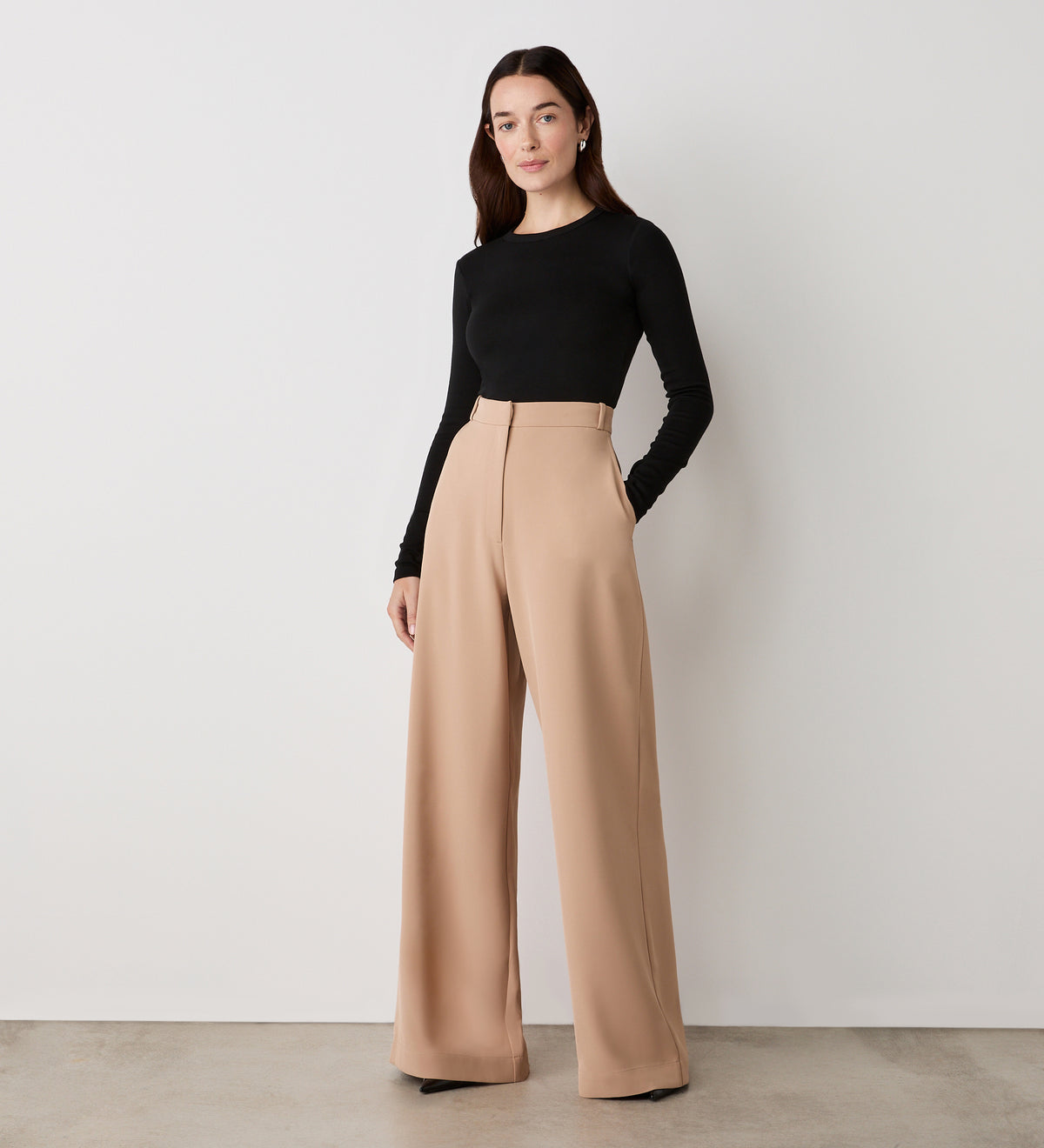
Wide-leg trousers have a generous shape from the hip or thigh down to the hem. They may be made from soft linen, wool, denim, or fluid synthetic fabric.
They feel airy and modern. A fitted shirt or shorter top often balances their wider shape. If the trousers are long, make sure the hem does not drag on the ground.
Bootcut trousers
Bootcut trousers fit more closely through the thigh and open slightly from the knee to the hem. They were designed to sit neatly over boots, but they also work with heels and some sneakers.
A small flare can make the leg look longer. The hem should almost reach the top of the shoe without covering it completely.
Flared trousers
Flared trousers widen more clearly from the knee downward. They may create a bold 1970s-inspired look or a modern fashion shape.
Because the lower leg is wide, a fitted or tucked-in top often creates better balance. The right length matters a great deal with this style.
Tapered trousers
Tapered trousers become narrower toward the ankle. Joggers, carrot-leg pants, and some paper-bag styles use this shape.
They are comfortable and practical for daily wear. They also look polished with a tucked shirt, belt, and ankle boots.
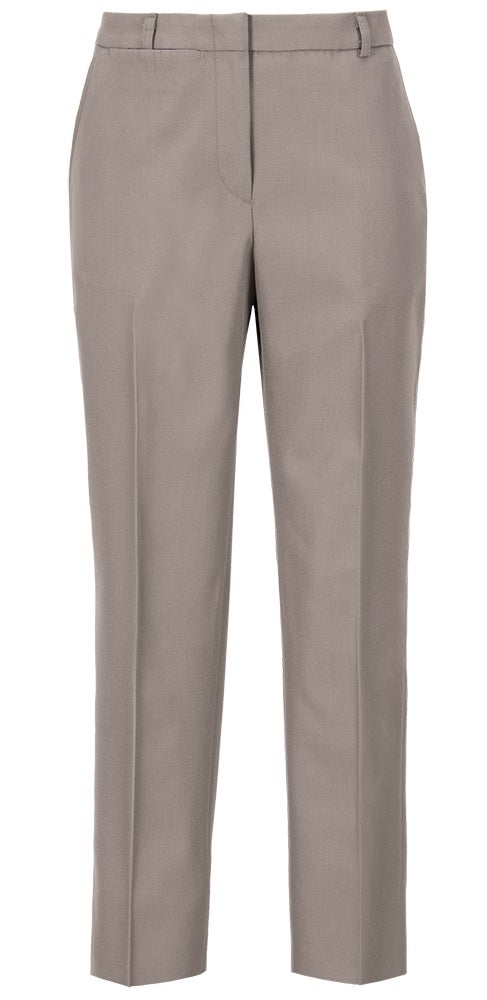
Cigarette trousers
Cigarette trousers are slim and usually end at or above the ankle. They are often made from a fabric with a small amount of stretch.
This style works well in a professional wardrobe. It pairs easily with a blazer, blouse, ballet flat, pump, or sleek sneaker.
Palazzo trousers
Palazzo trousers are very wide and often made from soft, flowing fabric. Their movement can resemble a long skirt while still offering the function of separate legs.
They are popular for warm weather, travel, and dressy events. A smooth waistband helps the trousers sit comfortably without adding bulk.
Cargo trousers
Cargo trousers include large utility pockets, often on the thighs or lower legs. They may be made from cotton twill, canvas, denim, or technical fabric.
They offer useful storage, but extra pockets can add visual volume. Choose pocket placement carefully if you want a smoother silhouette.
Culottes
Culottes are wide trousers that end around the calf or just below the knee. They combine the movement of trousers with the visual effect of a skirt.
They look balanced with a tucked top, cropped jacket, or shoe that shows some of the ankle. The hem should sit at a place that feels comfortable when you walk.
Leggings and stretch trousers
Leggings are close-fitting garments made with a high level of stretch. Some are designed for exercise, while others are made for casual outfits.
Not every pair of leggings is suitable as a replacement for structured trousers. Check the fabric weight, opacity, waistband support, and seam quality before wearing them outside the home.

How Trousers Differ From Other Bottoms
The word “trousers” can describe many garments, but it does not cover every type of lower-body clothing.
Shorts end above the knee or around the thigh. Skirts cover the lower body without separate leg sections. Dresses extend from the upper body and may reach the knee, calf, or ankle.
Jeans are a type of trousers made from denim. Slacks usually describe smart or casual tailored trousers. Chinos are commonly made from cotton twill. Leggings are stretch garments with a close fit, while joggers often have an elastic waist and cuffed ankles.
The difference is not always strict. Fashion brands use product names in different ways. A retailer may call one item “wide-leg pants,” while another calls a similar item “wide-leg trousers.”

Why Women Wear Trousers
Trousers for women offer several practical and style benefits.
• Comfort: A well-fitted pair allows easy movement during work, errands, travel, and rest.
• Coverage: Trousers can provide more coverage than shorts or a short skirt, which many people prefer in cool weather or active settings.
• Versatility: One pair can work with a T-shirt, blouse, sweater, blazer, or coat.
• Professional style: Tailored trousers can create a polished look without the need for a matching skirt.
• Weather protection: Wool, denim, corduroy, and lined fabrics can help protect the legs from wind and cold.
• Activity support: Stretch trousers and utility styles are useful for walking, gardening, commuting, and outdoor tasks.
• Personal expression: Color, cut, print, fabric, and detail allow people to show their taste.
Comfort should not be treated as a small benefit. Clothing that pinches, slips, or restricts movement can affect focus and confidence throughout the day.
How to Choose the Right Fit
Fit is more important than the number on the label. Sizes vary between brands, and even the same brand may use different measurements for different styles.
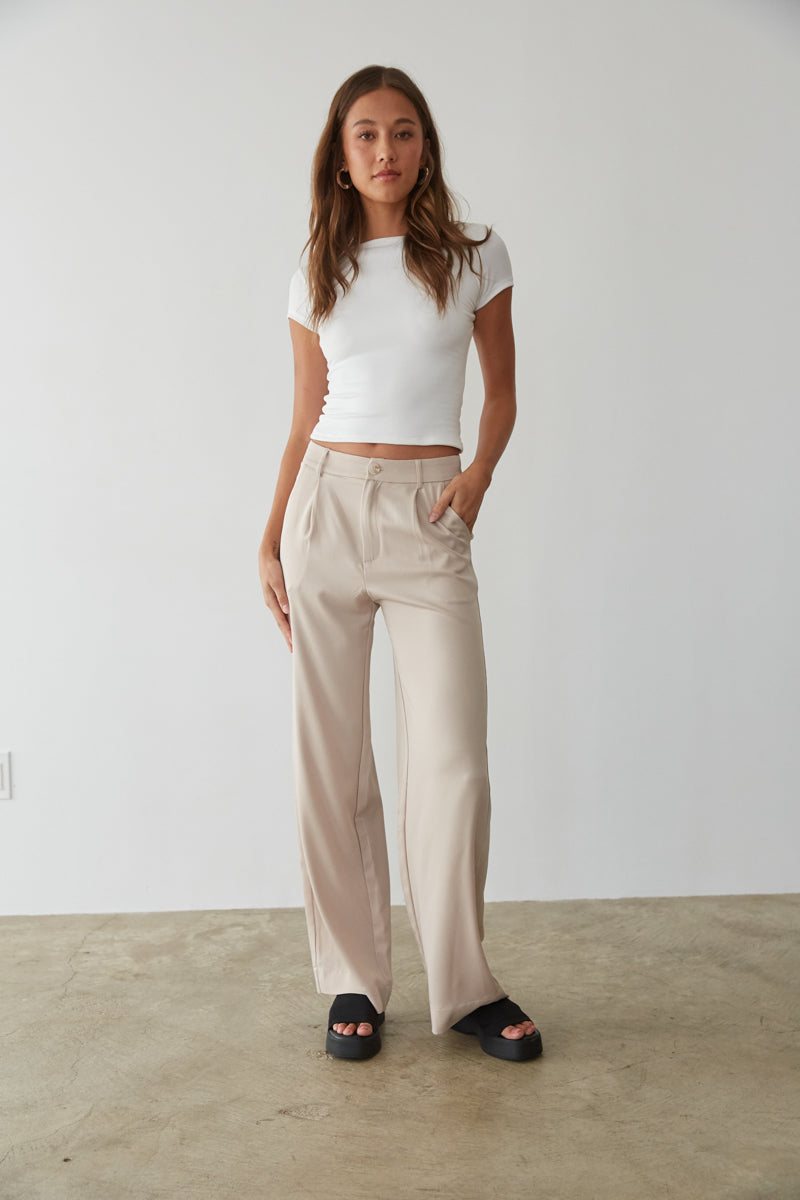
Start with the waistband. It should sit securely without digging into your skin. You should be able to place one or two fingers between your body and the waistband, but the trousers should not fall when you move.
Next, check the hip and seat area. The fabric should lie smoothly without strong horizontal pulling. If pockets gape or the center seam feels tight, try a larger size or a different cut.
Look at the rise. The rise is the distance from the crotch seam to the top of the waistband. A high rise may feel supportive and create a longer leg line. A mid-rise can feel balanced and versatile. A low rise may suit some outfits but can feel less secure during movement.
Check the thigh and knee area as well. You should be able to sit, bend, and walk without strong pulling. Try the trousers with the shoes you plan to wear most often.
When trying trousers for women, use this simple process:
- Stand naturally and check the waistband.
- Sit down to test comfort at the waist and hips.
- Walk several steps to check movement.
- Look for pulling, twisting, or excess fabric.
- Check the hem with your usual shoes.
- View the trousers from the front, side, and back.
- Keep the pair only if you can move with ease.
A useful fitting lesson is that tailoring often costs less than replacing several poor-fitting pairs. A small hem adjustment or waist alteration can make basic trousers look custom-made.
Choosing the Best Fabric
Fabric affects comfort, drape, care, durability, and price. Think about where you will wear the trousers before choosing the material.
Cotton
Cotton feels breathable and familiar. It works well for chinos, casual trousers, and warm-weather clothing. However, some cotton fabrics wrinkle easily or lose shape after repeated washing.
Wool
Wool trousers are warm, durable, and naturally resistant to some wrinkles. Lightweight wool can work for office wear in several seasons. Wool may cost more, and some people may need to avoid it because of skin sensitivity.
Linen
Linen is airy and useful in hot weather. Its main limitation is wrinkling. Many people like its relaxed texture, while others prefer a linen blend for a smoother look.
Polyester and other synthetics
Synthetic fibers can add strength, stretch, color stability, and wrinkle resistance. Quality varies widely, so check the fabric weight and breathability. Some synthetic fabrics can feel warm or hold odor during hot weather.
Stretch blends
Elastane, also called spandex, gives trousers more flexibility. A small amount can improve comfort and shape retention. Too much stretch may cause the fabric to lose its form over time.
For everyday trousers for women, a blended fabric can offer a useful balance. For example, cotton with a little elastane may feel soft, flexible, and easier to care for than rigid cotton.

Styling Trousers for Women
A few simple styling rules can help trousers fit into many outfits.
For a casual look, wear straight-leg trousers with a tucked T-shirt and clean sneakers. Add a denim jacket or cardigan when the weather is cool.
For work, try tailored trousers with a blouse, knit top, loafers, or a blazer. Matching the color of your belt and shoes can create a neat visual line, but it is not required.
For an evening outfit, choose wide-leg or fluid trousers with a satin top, fitted knit, or structured jacket. Jewelry and dress shoes can make simple trousers look more formal.
For a balanced outfit, consider the shape of the top. Wide trousers often look good with a closer-fitting top. Slim trousers can pair well with a relaxed sweater or oversized jacket. These are style suggestions, not strict rules. The best outfit is one that feels natural to you.
Color also matters. Black, navy, gray, beige, olive, and brown are easy to combine. Bright colors and prints can become the main feature of an outfit, so keep the other pieces simple if you want a calm look.
Common Mistakes to Avoid
Even attractive trousers may not work well if the details are wrong.
• Choosing size by the label alone: Always check the actual fit and measurement chart.
• Ignoring the rise: A rise that is too short may feel restrictive, while one that is too long can create extra fabric.
• Wearing the wrong length: A hem that drags can wear out quickly and create a safety risk.
• Forgetting pockets: Gaping pockets often signal tension across the hips or thighs.
• Buying fabric without checking care needs: Dry-clean-only trousers may not suit a busy routine.
• Overlooking transparency: Light or thin fabrics can become see-through in bright light.
• Failing to test movement: Standing still does not show how trousers will feel during a normal day.
• Choosing a trend over comfort: Fashion changes, but discomfort remains uncomfortable.
One mistake I often see in wardrobe planning is buying many similar pairs before testing one carefully. A better approach is to buy one pair, wear it several times, wash it as directed, and note what works before buying more.

Care and Maintenance
Proper care can extend the life of trousers for women.
Read the care label before washing. Turn trousers inside out to reduce fading and surface wear. Use cool or warm water when the label allows it, and avoid high heat unless the fabric needs it.
Hang tailored trousers on a sturdy hanger. Fold soft knit trousers if hanging may stretch the waistband. Remove stains early, and do not rub delicate fabrics too hard.
If trousers lose shape at the knees, steaming may help. Iron at the temperature recommended for the fabric. Store seasonal trousers clean and dry to reduce the risk of odor, stains, and insects.
Inspect hems, buttons, zippers, and belt loops from time to time. Small repairs can prevent larger damage. Replacing a loose button is much easier than repairing a torn waistband.
Are Trousers Sustainable?
The sustainability of trousers depends on the fiber, manufacturing process, quality, use, and end-of-life handling. No single fabric is perfect in every situation.
Buying fewer, better-made pairs can reduce waste. Look for strong seams, reliable closures, useful colors, and a fit you will wear often. Cost per wear is often more helpful than purchase price alone.
Secondhand shopping can extend the life of clothing. Repairing, altering, swapping, and donating clean trousers can also keep garments in use longer. Wash less often when appropriate, but always follow hygiene needs and care instructions.
Be cautious with broad environmental claims. Terms such as “eco-friendly” do not always explain the full impact of a garment. Check for clear information about fibers, production, durability, and certifications when those details matter to you.
Frequently Asked Questions About What Are Trousers for Women
What are trousers for women?
Trousers for women are lower-body garments with separate sections for each leg. They may be casual, formal, fitted, loose, cropped, or full length.
Are women’s trousers and women’s pants the same thing?
In most American English, women’s trousers and women’s pants mean the same type of garment. “Pants” is more common in everyday US speech, while “trousers” can sound more formal or international.
What is the most versatile type of women’s trousers?
Straight-leg trousers in a neutral color are among the most versatile choices. They can work with casual shirts, office tops, sweaters, jackets, flats, boots, and sneakers.
How should women’s trousers fit at the waist?
The waistband should stay in place without pinching or creating deep pressure marks. You should be able to sit, bend, and walk comfortably without the trousers slipping or cutting into your skin.
What is the difference between trousers and jeans?
Jeans are trousers made from denim, usually with a more casual design. Trousers may be made from wool, cotton, linen, polyester, or blended fabrics and can range from casual to formal.
Should women’s trousers be tight or loose?
The best fit depends on the style and purpose. Trousers should allow normal movement and avoid strong pulling, while the amount of looseness can reflect your comfort and preferred look.
Can trousers be worn to a formal event?
Yes. Tailored trousers, palazzo trousers, or matching suit trousers can look formal when paired with an elegant top, refined shoes, and suitable accessories. Fabric quality and neat fit are especially important.
Conclusion
Trousers for women are practical, flexible garments that suit work, travel, exercise, celebrations, and daily life. They come in many cuts, from straight-leg and tapered styles to wide-leg, flared, cargo, and palazzo designs. The right pair depends on fit, fabric, length, comfort, care needs, and personal style.
Start with one well-made pair that fits your life. Test it while sitting and walking, choose a fabric you can care for, and consider simple tailoring when needed. Explore different styles, build outfits you enjoy wearing, and share your favorite trouser tips or wardrobe questions in the comments.
Madison Clark is a footwear expert and the voice behind MyStyleGrid.com. She specializes in honest shoe reviews, style tips, and practical guides to help readers find the perfect pair for any occasion. With years of experience in blogging and content creation, Madison makes footwear knowledge simple, stylish, and easy to follow.