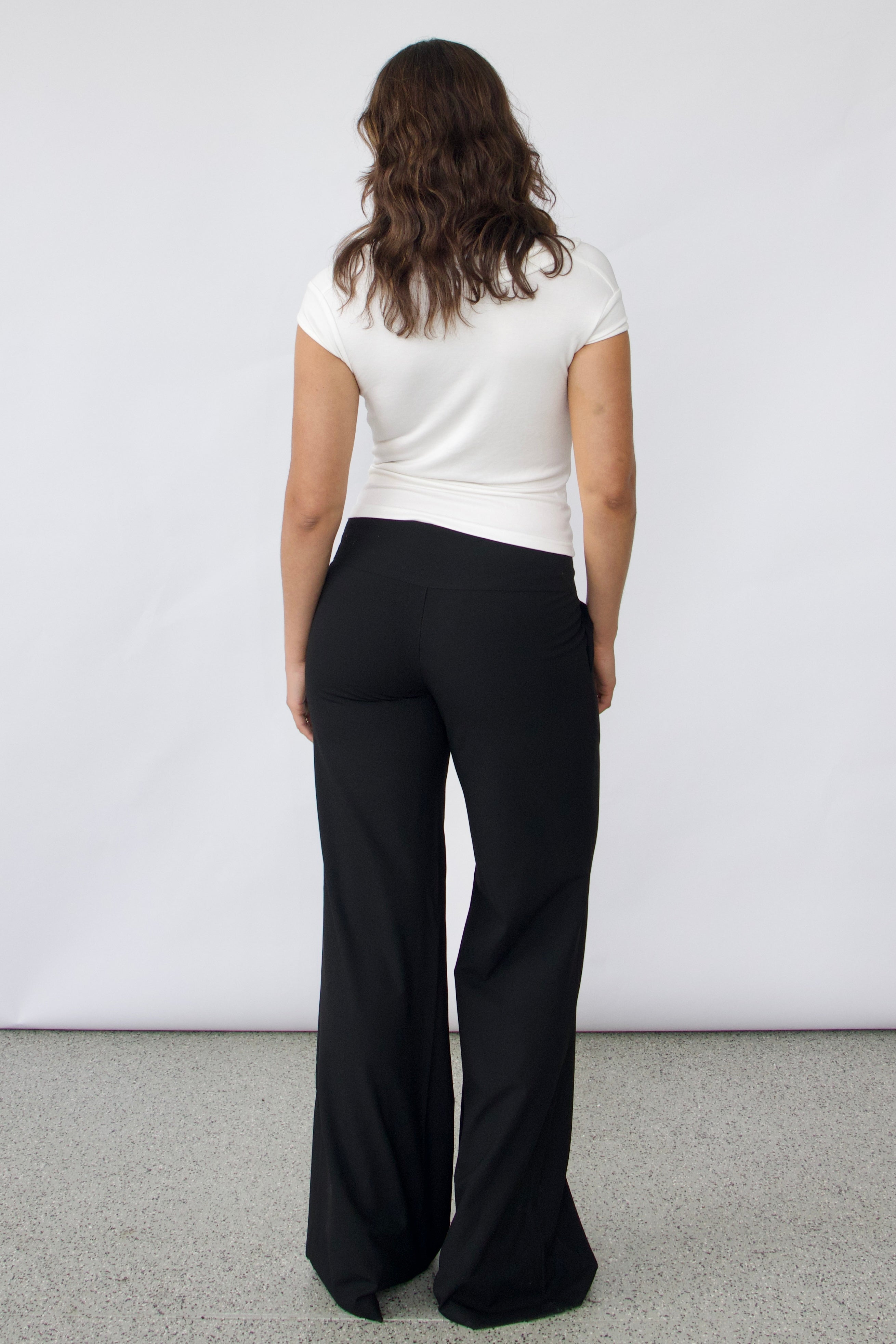
Low rise trousers sit below the natural waist, usually around the hips, for a relaxed, revealing fit.
If you have ever wondered what are low rise trousers, the answer starts with where the waistband sits. Unlike high rise or mid rise styles, low rise trousers rest several inches below the waist, often near the top of the hips. This guide explains their fit, history, benefits, drawbacks, styling tips, and the best way to choose a pair that feels comfortable and looks balanced.

What Are Low Rise Trousers?
Low rise trousers are pants designed with a short rise. The rise is the distance from the center of the crotch seam to the top of the waistband. In low rise trousers, this measurement is shorter than it is in mid rise or high rise trousers.
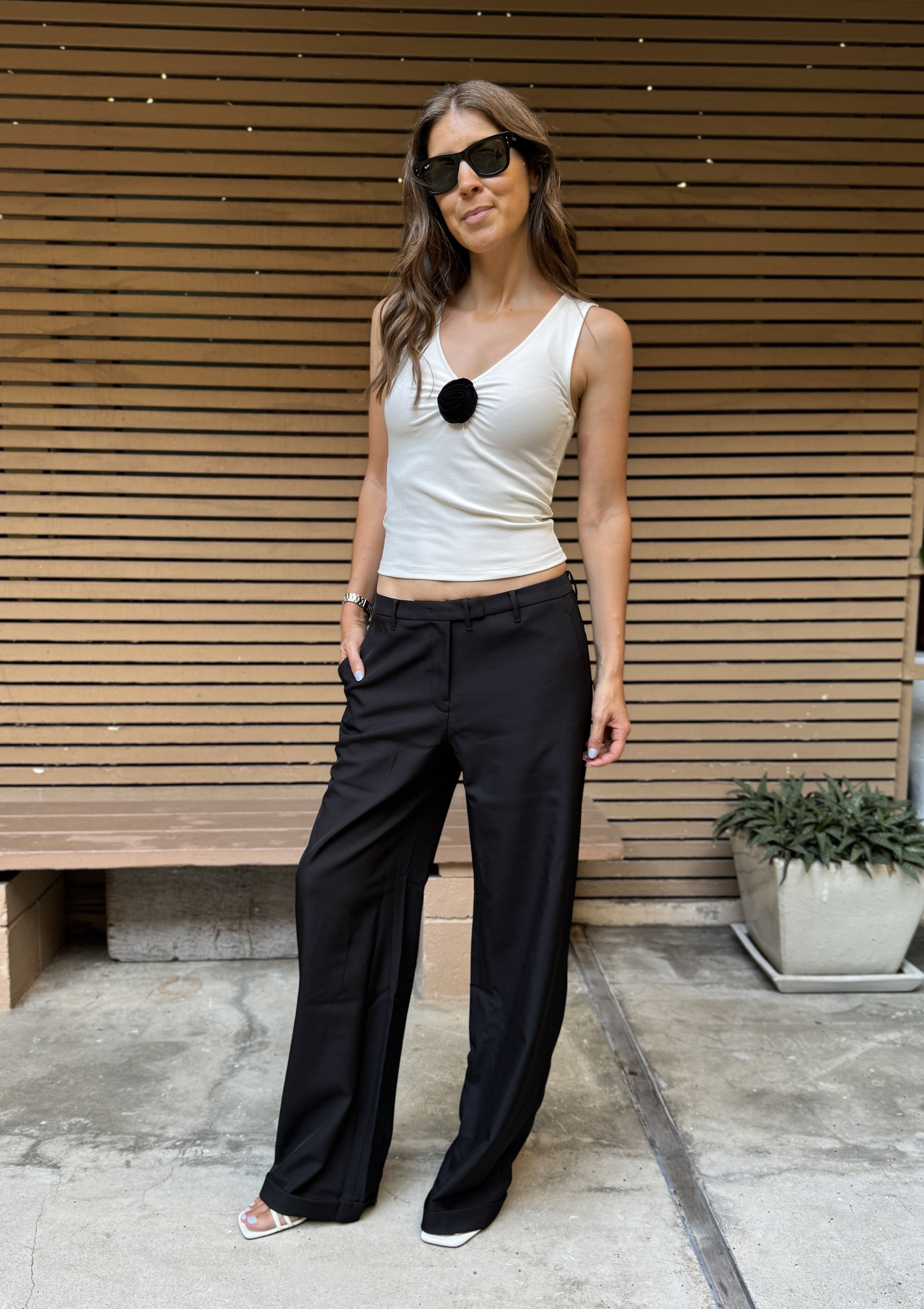
The waistband usually sits below the natural waist. Depending on the cut, it may rest just above the hip bones or lower across the hips. This creates the signature low-slung look linked with casual, denim, cargo, dress, and streetwear styles.
In simple terms, low rise trousers:
• Sit below the belly button
• Rest closer to the hips than the waist
• Have a shorter front and back rise
• Often reveal more of the midsection
• May fit snugly at the hips or hang loosely through the legs
The exact position can vary by brand. One company’s low rise may feel like another company’s mid rise. Always check the garment’s rise measurement and size chart instead of relying only on the label.
Low rise trousers compared with other rises
The main difference between trouser rises is waistband placement.
• Low rise: Sits below the natural waist, often at the upper hips.
• Mid rise: Sits between the hips and natural waist, often near the belly button.
• High rise: Sits at or above the natural waist, sometimes reaching the narrowest part of the torso.
A low rise fit is not defined only by how much skin it shows. The waistband, crotch depth, hip shape, and garment cut all affect how the trousers look and feel.

How Low Rise Trousers Fit
The fit of low rise trousers depends on more than waist size. Since the waistband sits near the hips, hip width and seat shape play a major role. A pair can fit well at the waist but feel tight across the hips or loose at the back.
The front rise can also change how the trousers feel when you sit, bend, or walk. A very short rise may pull at the crotch or expose the back. A slightly longer low rise can offer the same visual effect with more coverage.
When trying on low rise trousers, check these areas:
• Waistband: It should stay in place without digging into your skin.
• Hip area: The fabric should not create strong horizontal pulling lines.
• Crotch: You should be able to walk and sit without strain.
• Back coverage: The waistband should remain secure when you bend.
• Pockets: They should lie flat rather than gape open.
• Leg line: The cut should match your preferred shape, such as straight, wide, bootcut, or skinny.
A useful fitting test is to sit in a chair for one minute. If the waistband rolls, pinches, or slides down, the rise may not suit your body. This small test can prevent many uncomfortable purchases.
Do low rise trousers fit differently from low rise jeans?
Yes. Low rise jeans often use firm denim with less stretch, while low rise trousers may use cotton, wool, linen, polyester, or blended fabrics. Dress trousers can feel softer and move more easily, but they may also need a more precise fit at the hips.
Low rise jeans often have visible belt loops and a structured waistband. Low rise trousers may have pleats, pressed creases, side tabs, or a hidden fastening. These details change both comfort and appearance.
The History of Low Rise Trousers
Low rise trousers have appeared in different forms across modern fashion. Their popularity grew in the late 1990s and early 2000s, when low waist jeans, cargo pants, and fitted trousers became common in youth and pop culture fashion.
The style later returned through vintage fashion, streetwear, music trends, and social media. Modern versions are not limited to tight jeans. Today, designers use the low rise cut for:
• Wide leg trousers
• Tailored suit pants
• Cargo trousers
• Linen pants
• Flared trousers
• Track pants
• Satin evening trousers
This history matters because low rise trousers are a design choice, not a short-lived rule. Their look changes with fabric, leg shape, color, and styling.
Fashion cycles also show why personal comfort matters. Trends may make a certain rise popular, but a garment still needs to work for your body and daily routine. A style can be fashionable and uncomfortable at the same time.

Benefits of Low Rise Trousers
Low rise trousers offer several style benefits. They create a longer-looking torso because the waistband sits lower on the body. This can make tops, jackets, and belts more noticeable.
They can also create a relaxed and modern silhouette. Wide leg low rise trousers may look fluid and casual, while tailored low rise trousers can appear sharp and polished. The same rise can produce very different results depending on the leg shape.
Common benefits include:
• A longer-looking upper body
• A relaxed hip-level fit
• A natural match for cropped tops
• A strong streetwear appearance
• More room to show belts and waist accessories
• A useful option for people who dislike pressure around the stomach
Low rise trousers may also feel comfortable for people who prefer less fabric around the midsection. However, comfort depends on the cut. A loose low rise style may feel easy, while a tight pair can create pressure at the hips.
From my experience reviewing garment fit, the best results usually come from balancing the rise with the leg shape. A loose leg can make a low waistband look intentional. A very tight leg may make the fit feel restrictive or dated if the fabric has little stretch.
Drawbacks and Limitations of Low Rise Trousers
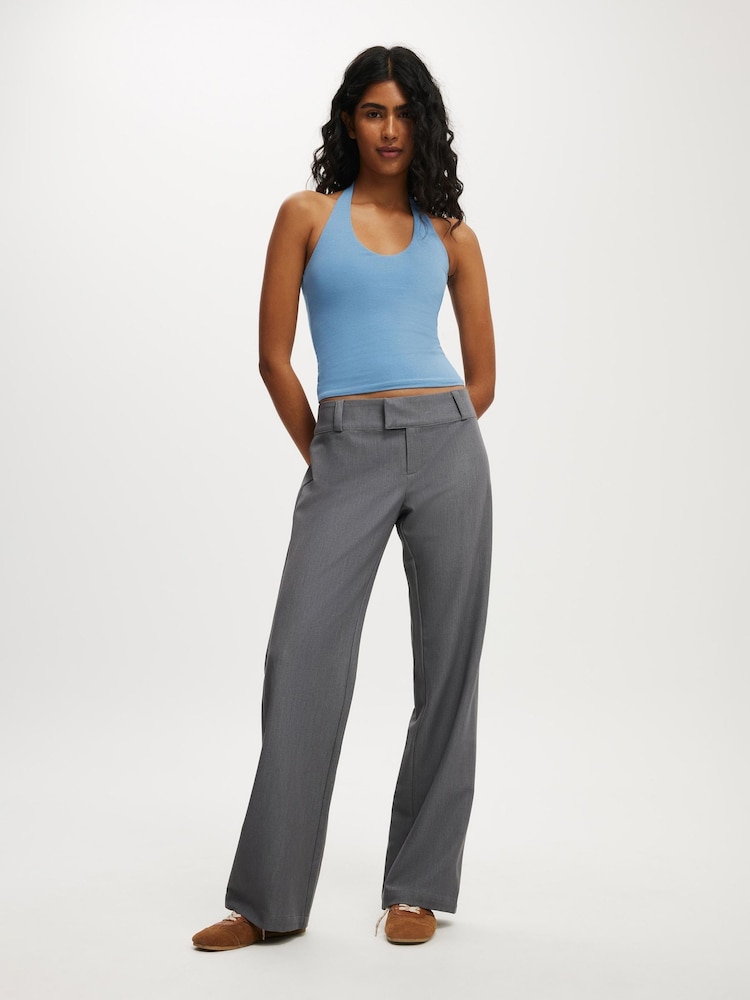
Low rise trousers are not ideal for every activity or body preference. Their lower waistband can move when you sit, bend, or reach. This may cause discomfort or unwanted exposure.
A short rise can also create fit problems. If the trousers are too tight at the hips, the waistband may dig into the skin. If they are too loose, they may slide down and require constant adjustment.
Potential drawbacks include:
• Less coverage at the stomach and lower back
• More movement at the waistband
• Possible gaping at the back
• A higher chance of visible underwear
• Less comfort during bending or sitting
• Difficult layering with long tops or fitted jackets
Body shape does not determine whether you can wear low rise trousers. The more important factors are the garment’s pattern, fabric, and size. Still, people with fuller hips or a longer torso may need to try several cuts before finding a secure fit.
Underwear choice matters too. Seamless briefs, hipster styles, and longer boxer briefs can reduce visible lines. High waisted underwear may rise above the trousers, so check the combination while moving.

How to Choose the Right Low Rise Trousers
Choosing low rise trousers starts with accurate measurements. Measure around the area where you want the waistband to sit, not automatically around your natural waist. Then compare that measurement with the brand’s chart.
Check the rise measurement when the brand provides it. Lay a similar pair of trousers flat and measure from the crotch seam to the top of the waistband. This gives you a practical comparison.
Use these steps:
-
Measure your hips at the fullest point.
-
Measure the area where the waistband will sit.
-
Check the front and back rise.
-
Review the fabric content and stretch.
-
Try sitting, walking, and bending.
-
Inspect the waistband for slipping or pinching.
-
Check whether the pockets lie flat.
Fabric affects the final fit. Cotton denim gives structure. Stretch denim adds movement. Linen feels cool but may wrinkle. Wool blends look polished and may hold their shape. Soft jersey creates comfort but can lose support around the waistband.
Do not size down just to create a tighter look. A smaller size may cause pulling across the hips and shorten the rise even more. A clean fit usually looks better than a strained fit.
Best cuts for different style goals
• Wide leg: Creates a soft, flowing shape and balances the lower waistband.
• Straight leg: Offers a simple, easy-to-wear silhouette.
• Bootcut: Adds a slight flare and works well with boots or heels.
• Cargo: Gives the style a practical, casual feel.
• Tailored: Makes low rise trousers look refined and suitable for smart outfits.
• Flared: Creates a retro look and lengthens the leg line.
How to Style Low Rise Trousers
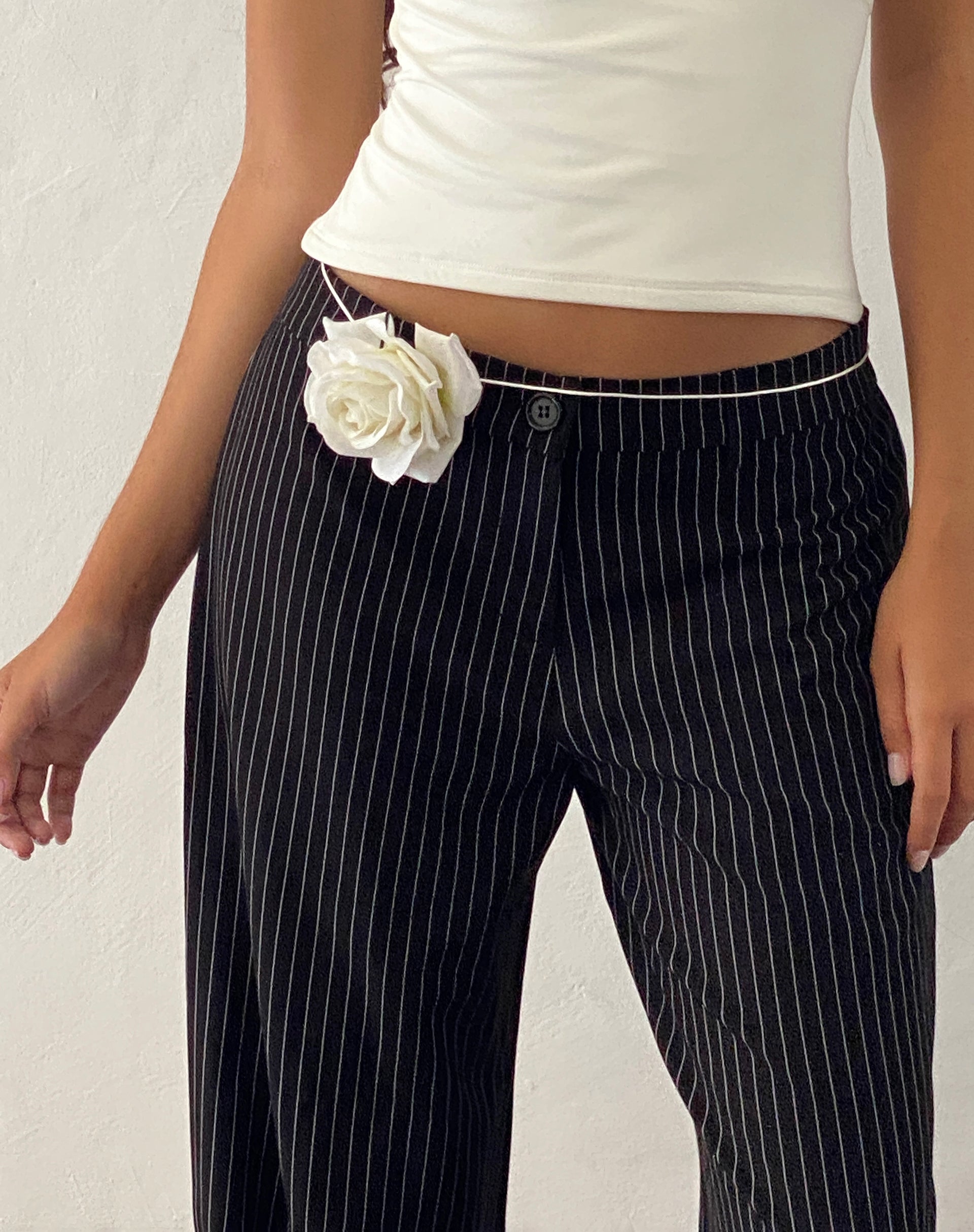
The easiest way to style low rise trousers is to consider proportion. Since the waistband sits low, the top determines how much of the torso you show.
A cropped T-shirt creates a clear low rise look. A fitted tank gives a clean shape. A tucked-in shirt highlights the waistband, while an untucked oversized shirt creates a loose streetwear outfit.
Try these outfit ideas:
• Pair low rise jeans with a fitted tank, sneakers, and a short jacket.
• Wear wide leg trousers with a cropped sweater and platform shoes.
• Combine tailored trousers with a tucked button-down shirt and loafers.
• Style cargo trousers with a fitted tee and lightweight overshirt.
• Wear linen trousers with a simple camisole and flat sandals.
• Add a belt to define the waistband and make the outfit look complete.
Jackets can help balance the exposed midsection. A cropped jacket keeps the proportions sharp. A longer blazer adds coverage and creates contrast between the low waistband and structured upper layer.
Shoes also affect the overall line. Platform sneakers, boots, and heels can make wide leg low rise trousers look longer. Flat shoes work well with straight or cropped cuts.
Color can guide attention. Dark trousers create a smooth base. Light trousers feel fresh and casual. A bright belt or patterned top can draw the eye toward the low waistband.
Low Rise Trousers for Different Body Shapes
Anyone can wear low rise trousers. The best pair depends on the fit you enjoy and the amount of coverage you want.
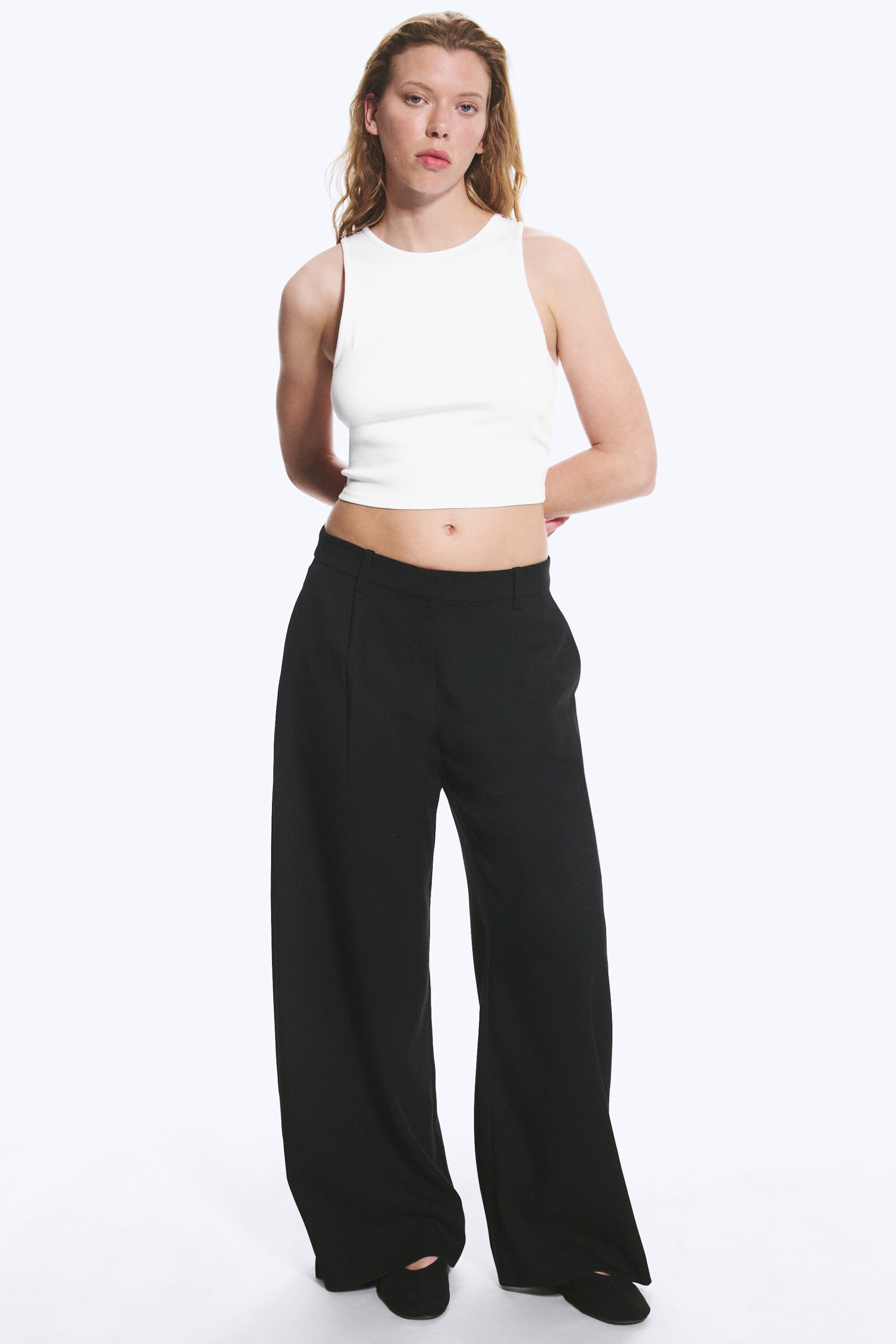
For fuller hips, look for a contoured waistband, stretch fabric, or trousers with a curved pattern. A higher back rise combined with a lower front rise can provide better coverage without losing the low rise appearance.
For a straighter body shape, pleats, cargo pockets, and wide legs can add visual volume. Belt loops and structured fabric can also give the outfit more shape.
For a longer torso, low rise trousers may create a balanced proportion by making the legs appear to start lower. For a shorter torso, a very low rise may make the upper body look longer, so a subtle low rise can feel more balanced.
Useful fit choices include:
• Curved waistbands for extra security
• Stretch blends for movement
• Wide legs for a soft silhouette
• Structured fabrics for a neat appearance
• Mid-low rises for more coverage
The goal is not to follow a body-shape rule. The goal is to understand how different details affect proportion and comfort. Clothing should support your confidence, not limit it.
Common Mistakes to Avoid
One common mistake is choosing low rise trousers based only on the waist label. Sizes vary between brands, and the labeled waist may not match the place where the trousers sit.
Another mistake is ignoring movement. A pair may look perfect while standing but feel uncomfortable when sitting. Always test the trousers in normal positions before removing tags.
Avoid these errors:
• Buying a size too small for a sharper look
• Ignoring the back rise
• Wearing tops that constantly ride up
• Choosing stiff fabric for an active day
• Overlooking pocket placement
• Wearing a belt that creates extra bulk
• Assuming every low rise style fits the same
A fitting lesson I often share is to bring the shoes and top you plan to wear. Trousers can look very different with sneakers and a cropped tee than with heels and a blazer. Styling context gives you a more accurate idea of whether the purchase will work.
Are Low Rise Trousers Comfortable?
Low rise trousers can be comfortable when the rise, hip measurement, and fabric work together. They may feel less restrictive around the stomach than high rise styles, but they can feel less secure during movement.
Comfort also depends on personal preference. Some people like a firm waistband at the natural waist. Others prefer a lower waistband that rests on the hips. Neither preference is better.
For daily wear, look for:
• Some stretch in the fabric
• A smooth waistband
• Enough room through the hips
• A secure back rise
• Soft seams
• A leg shape that allows easy movement
For work or travel, a mid-low rise may offer a useful compromise. It keeps the lower look while providing more coverage and stability than an extremely low rise.
What Are Low Rise Trousers Made From?
Low rise trousers can use almost any trouser fabric. The rise describes the garment’s shape, not its material.
Common fabrics include:
• Denim: Strong, casual, and often available with stretch.
• Cotton twill: Durable and useful for chinos or cargo trousers.
• Linen: Light and breathable, but prone to wrinkles.
• Wool: Smooth and polished for tailored clothing.
• Polyester blends: Resistant to wrinkles and common in dress trousers.
• Rayon or viscose: Soft and fluid, with an elegant drape.
• Jersey: Stretchy and casual, but less structured.
Fabric weight changes how the trousers hang. Heavy denim holds its shape. Lightweight fabric moves more freely. A fluid fabric can make a low rise cut look softer, while a stiff fabric makes it look more defined.
Check care instructions before buying. Some fabrics shrink, stretch, or lose shape after washing. Following the care label helps the trousers keep their original rise and fit.
What Are Low Rise Trousers? Frequently Asked Questions
What does low rise mean in trousers?
Low rise means the waistband sits below the natural waist, usually around the upper hips. The garment has a shorter rise than mid rise or high rise trousers.
Are low rise trousers the same as hip huggers?
They are closely related, but the terms are not always identical. “Hip huggers” usually describes trousers that fit closely around the hips, while low rise refers specifically to waistband placement.
Can low rise trousers be professional?
Yes. Tailored low rise trousers in wool, crepe, or a polished blend can look professional. Pair them with a tucked blouse, blazer, and refined shoes for a balanced outfit.
How should low rise trousers fit at the waist?
They should sit securely where designed without digging into the skin or sliding down. The fabric should lie smoothly across the hips, and you should be able to sit and move without pulling.
What tops work best with low rise trousers?
Cropped tops, fitted shirts, tucked blouses, short sweaters, and structured jackets all work well. A longer blazer or overshirt can add coverage if you prefer not to show much midsection.
Are low rise trousers still in style?
Yes. They continue to appear in denim, tailoring, cargo clothing, and streetwear. The current versions often use wider legs, softer fabrics, and more relaxed styling than earlier designs.
How can I stop low rise trousers from sliding down?
Choose the correct hip size, check the back rise, and use a belt if the waistband has belt loops. Avoid sizing down, since tight trousers can slide or pull even more during movement.
Conclusion
Low rise trousers sit below the natural waist and create a distinct hip-level silhouette. Their comfort depends on rise length, fabric, waistband design, hip fit, and how well the trousers support your daily movement.
The best pair should feel secure when you stand, sit, and walk. Measure the area where the waistband will rest, test several cuts, and style the trousers with balanced proportions. Explore different low rise trousers, find the fit that feels right for you, and share your favorite styling approach in the comments.

Rubel Miah is the Senior Editor at MyStyleGrid.com, where he brings a sharp editorial eye and an unshakable love for fashion to everything he does. A true style addict, Rubel lives and breathes trends, from streetwear to high fashion, and has a knack for turning inspiration into impactful stories. With years of experience in fashion journalism and digital media, he curates content that empowers readers to express themselves through style. When he’s not editing features or forecasting the next big thing, you’ll find him hunting down vintage pieces or capturing street style moments around the city.