Toe shoes can help foot strength and balance, but they are not healthy for everyone or every activity.
The answer to “are toe shoes good for you” depends on your foot shape, activity, training history, and how slowly you transition. Toe shoes, also called minimalist or barefoot shoes, let each toe move more freely and give your feet more contact with the ground. They may feel natural, but they also provide less cushioning and support than traditional shoes. This guide explains the benefits, risks, research, and safe ways to decide if toe shoes fit your needs.
What Are Toe Shoes?
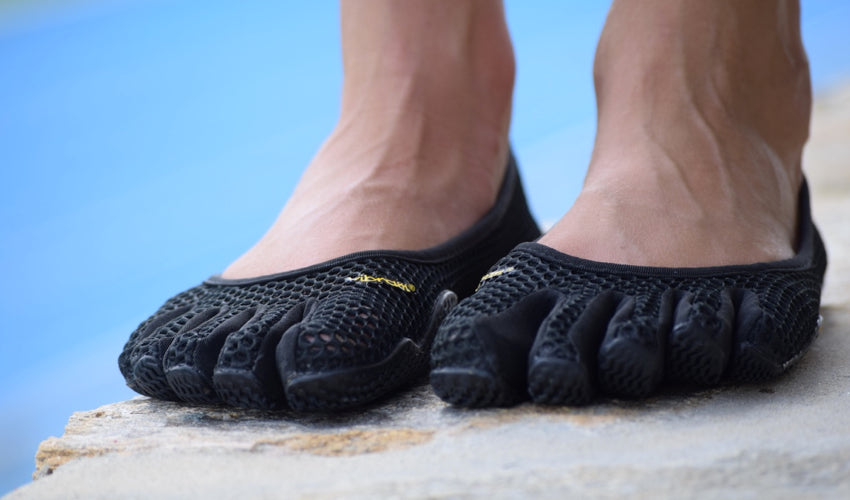
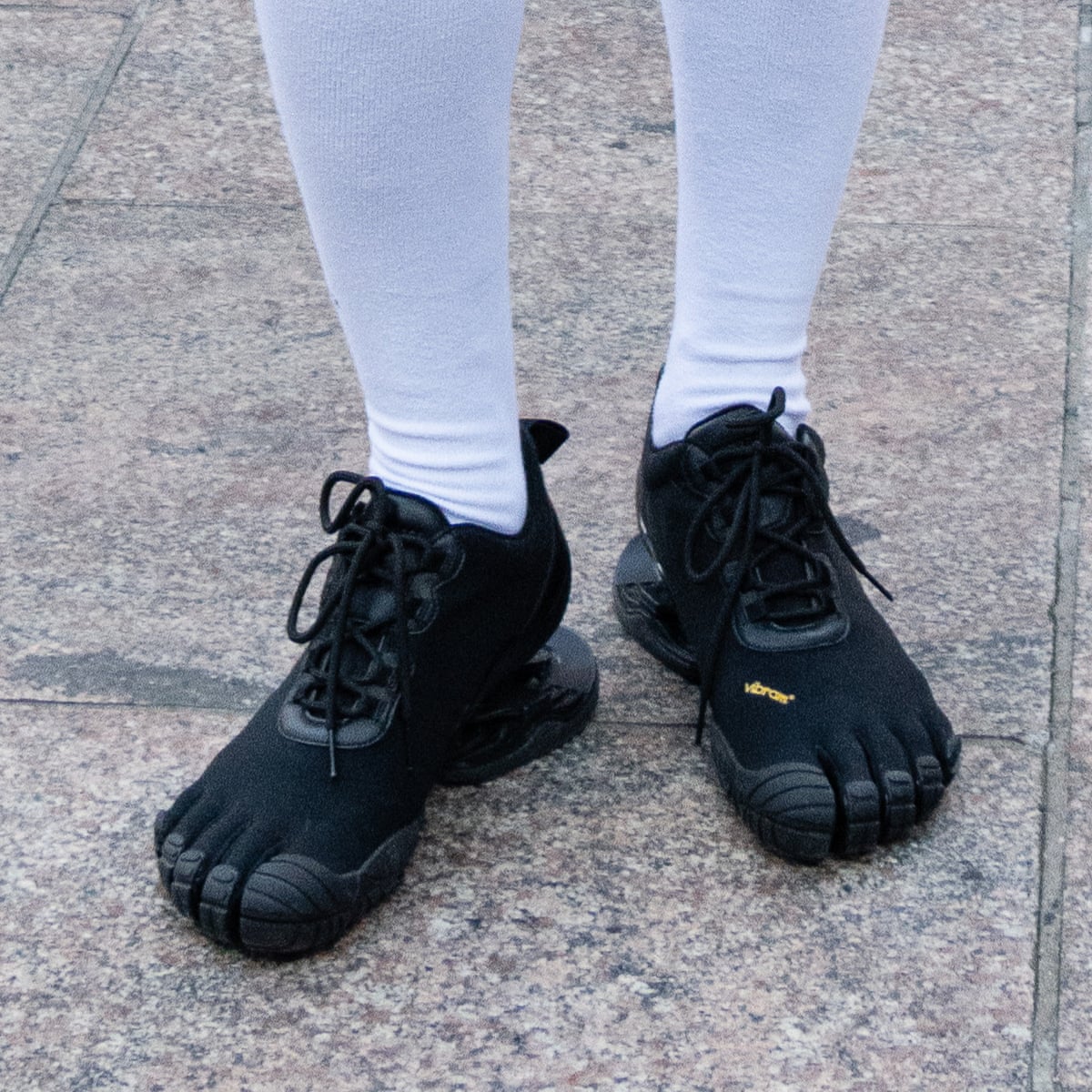
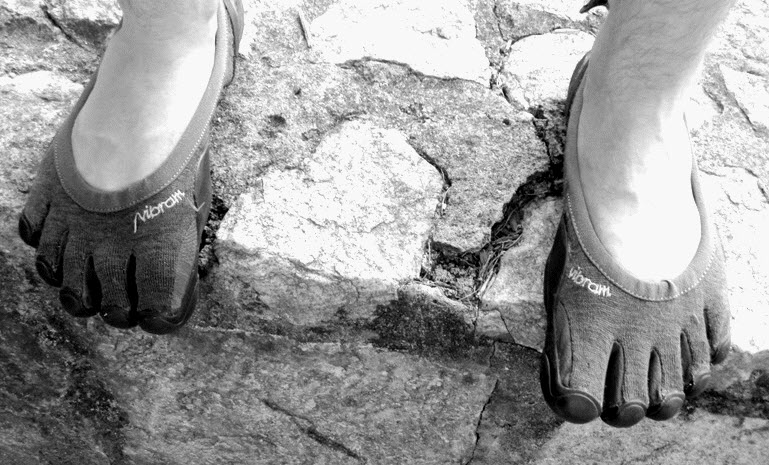
Toe shoes are footwear designed with separate toe spaces. Each toe sits in its own pocket, much like fingers inside a glove. Many models also have a thin, flexible sole and a wide toe box.
The most common types include:
• Barefoot toe shoes with very thin soles and little cushioning
• Minimalist toe shoes with some protection but limited support
• Water-friendly toe shoes for swimming, boating, and beach use
• Fitness toe shoes for walking, hiking, yoga, and light training
Toe shoes differ from regular wide-toe-box shoes. A wide shoe gives your toes space, but it does not separate them. Toe shoes do both.
The goal is to let your foot work in a more natural way. Your toes can spread, bend, and help you balance. However, natural movement does not always mean safe movement. Your body still needs time to adapt.

Are Toe Shoes Good for You?
For some people, toe shoes can be good for you when worn for the right activity and introduced slowly. They may improve toe movement, foot awareness, balance, and comfort for people who dislike narrow shoes.
Still, toe shoes are not a cure-all. They may increase stress on the calves, Achilles tendon, arches, and forefoot. People with diabetes, poor circulation, nerve loss, serious arthritis, or current foot pain should seek medical advice before trying them.
The best answer to “are toe shoes good for you” is personal. A healthy foot may enjoy the freedom, while an injured or weak foot may need more support.
Possible benefits
Toe shoes may offer several useful benefits:
• More room for natural toe spread
• Better awareness of how the foot meets the ground
• Improved balance during slow movement
• Less pressure from narrow, pointed toe boxes
• Greater toe and foot muscle activity
• A more direct feel during yoga, walking, or light exercise
A wide toe area may also help reduce rubbing on bunions and crowded toes. That does not remove a bunion or correct a structural problem, but it can make movement more comfortable.
What the research suggests
Research on minimalist footwear shows that thin, flexible shoes can change foot and lower-leg muscle activity. Some studies also report improvements in foot strength after gradual training.
However, the evidence is mixed. Studies often involve small groups, short follow-up periods, and different shoe designs. There is not enough proof to say that toe shoes prevent injuries or improve everyone’s health.

Potential Benefits of Toe Shoes
They may support natural toe movement
Many standard shoes squeeze the toes together. Over time, this can limit how well the toes spread and grip the ground. Toe shoes create separate spaces, which may allow a more relaxed foot position.
Your toes act like the legs of a small table. When they spread, they can help create a wider and steadier base.
They may improve balance
Toe shoes give your feet clear feedback from the ground. This feedback is called sensory input, or proprioception. It helps your brain understand where your body is in space.
Some people notice this during yoga, balance drills, or slow hikes. The effect may be useful, but it does not mean toe shoes are ideal for fast sports or rough terrain.
They may build foot strength
A stiff, supportive shoe can do much of the work for the foot. A flexible shoe asks the foot to move more on its own.
With gradual use, toe shoes may challenge the small muscles in the foot. The muscles in the calves and lower legs may also work harder. This can be useful, but too much stress too soon can lead to pain.
They may reduce pressure from tight shoes
People with bunions, overlapping toes, or a wide forefoot often dislike narrow dress shoes and running shoes. Toe shoes may reduce side pressure because each toe has its own space.
The shoe cannot reverse bone changes. It can only create a roomier environment around them.
They may feel useful for selected activities
Toe shoes can work well for:
• Yoga and Pilates
• Light gym sessions
• Walking on smooth paths
• Beach and water activities
• Balance practice
• Short, easy hikes
• Casual daily wear after adaptation
The best use depends on the sole, weather, surface, and fit.
Risks and Drawbacks of Toe Shoes
They can overload the calves and Achilles tendon
Minimalist footwear changes how your foot lands and pushes off. Many new users take shorter steps and use the calf more. This may place extra load on the Achilles tendon.
A sudden switch can cause calf soreness, tendon pain, or stiffness. Achilles problems can take time to heal, so slow progress matters.
They may increase forefoot stress
Some people shift toward the front of the foot in thin shoes. This can increase pressure under the ball of the foot and the metatarsal bones.
Possible symptoms include:
• Burning under the forefoot
• Tenderness near the toes
• Pain during push-off
• Calluses that develop quickly
• Sharp pain in one small area
Persistent pain should not be ignored. A stress injury can begin as mild soreness and worsen with continued use.
They offer little protection
Thin soles may not protect your feet from:
• Sharp rocks
• Broken glass
• Hot pavement
• Cold ground
• Uneven roots
• Heavy objects
Toe shoes are not automatically safe for construction work, long-distance hiking, or rough trails. Check the sole and safety rating before using them.
They may not suit every foot condition
Toe shoes may be a poor choice if you have:
• A current foot or ankle injury
• Severe flat feet with pain
• Advanced arthritis
• Rigid hammertoes
• Loss of sensation
• Poor circulation
• Diabetes-related foot concerns
• Significant balance problems
This does not mean no one with these conditions can wear them. It means a podiatrist, physical therapist, or other qualified clinician should guide the choice.
They can cause skin problems
Toe pockets may trap moisture. Friction between the toes can cause blisters, raw skin, or fungal infections.
Wash and dry your feet well. Let the shoes dry fully after use. Stop wearing them if you develop broken skin or a spreading rash.
Are Toe Shoes Good for Walking and Running?
Toe shoes can be good for short walks on smooth, familiar surfaces. They are less forgiving than regular walking shoes, so your pace and distance should increase slowly.
Running is more demanding. A thin shoe can change your stride, landing pattern, and muscle load. If you are new to minimalist shoes, do not begin with a long run.
A safer transition looks like this:
- Wear the shoes indoors for 10 to 15 minutes.
- Try short walks on a flat surface.
- Add only a few minutes every several sessions.
- Rest if your calves or feet feel unusually sore.
- Delay running until walking feels easy for several weeks.
- Start with short run-walk intervals, not a full workout.
Do not use pain as proof that the shoe is working. Mild muscle tiredness can be normal. Sharp pain, swelling, limping, numbness, or pain that lasts more than a day is a warning sign.
A 2022 review of minimalist footwear research found that adaptation can improve lower-limb strength, but injury risk may rise when training changes too quickly. The lesson is simple: the shoe is only one part of the plan.
How to Choose Toe Shoes Safely
Check the toe fit
Your toes should have space to spread without pressing against the fabric. The shoe should not curl your toes or force them into an unusual position.
Use these checks:
• Your longest toe should not touch the end
• Each toe should sit in its own pocket
• The heel should stay in place
• The shoe should not pinch the sides of your foot
• Your toes should move without pain
• The sole should bend where your toes bend
Try shoes late in the day. Feet often swell slightly after hours of standing and walking.
Match the shoe to the activity
A soft, thin shoe may be fine for yoga. A trail model needs more grip and protection. A water shoe needs quick drying and a secure fit.
Do not assume one pair can handle every surface. Shoes designed for a pool may not protect you on sharp mountain trails.
Start with short sessions
Your feet may be strong, but they may not be conditioned for a new shoe. Tendons and bones adapt more slowly than your motivation.
Begin with brief sessions two or three times per week. Keep using your usual shoes for longer walks or demanding workouts during the transition.
Watch your body’s signals
Normal adjustment may include light muscle fatigue. It should improve with rest.
Stop and reassess if you notice:
• Pain in the Achilles tendon
• Pain under the ball of the foot
• New knee or hip pain
• Swelling
• Numbness or tingling
• Blisters that keep returning
• A change in your walking pattern
A physical therapist can assess your gait and suggest exercises if needed.
Toe Shoes Compared With Regular Shoes
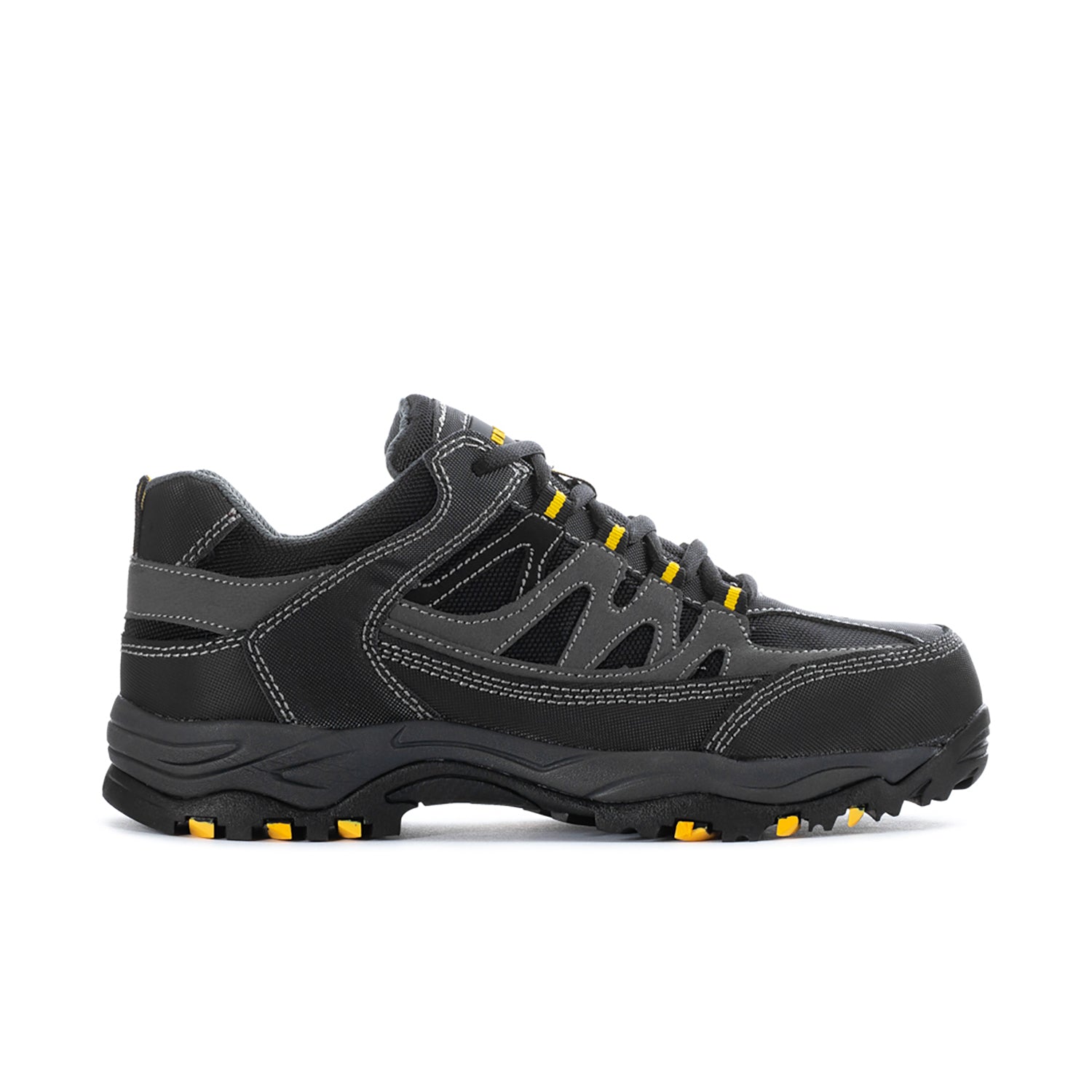
Regular shoes vary widely. Some have narrow toe boxes and stiff soles. Others have a wide front, flexible materials, and a low heel. The label alone does not tell you whether a shoe is healthy.
Toe shoes usually provide:
• More toe separation
• Less cushioning
• Less arch structure
• More flexibility
• More ground feedback
• Less protection from impact and debris
Traditional athletic shoes may provide more cushioning and stability. That can be helpful for long walks, hard surfaces, or people recovering from injury.
A middle option is a flexible shoe with a wide toe box but no separate toe pockets. This style may offer more room without requiring the same adjustment as toe shoes.
The right shoe is not the one with the most technology. It is the one that fits your foot, suits your activity, and lets you move without pain.
Common Mistakes to Avoid
Many problems come from the transition, not the concept of toe shoes itself.
Avoid these mistakes:
• Wearing them all day on the first day
• Running several miles right away
• Ignoring calf or Achilles pain
• Using them on rough ground without protection
• Buying a size that feels tight between the toes
• Assuming discomfort means your feet are getting stronger
• Wearing damp shoes for long periods
• Replacing medical care with a new pair of shoes
One practical lesson is worth remembering: a shoe change is a training change. Treat it like a new exercise program. Start small, track how you feel, and give your body time to respond.
Who Should Consider Toe Shoes?
Toe shoes may suit adults who:
• Have healthy feet
• Want more toe freedom
• Enjoy yoga, walking, or light training
• Like a close-to-the-ground feel
• Can transition slowly
• Have no current foot pain
They may be especially appealing to people whose regular shoes crowd the toes. Still, comfort is the first test. A shoe that feels natural for one person may feel unstable or tiring for another.
If you have a medical condition, ask a qualified professional before changing footwear. A podiatrist can check your foot structure, while a physical therapist can assess strength, mobility, and walking form.
How I Would Test Toe Shoes in Real Life
I would treat toe shoes like a new tool, not a daily requirement. First, I would wear them at home and check for rubbing, pressure, and toe movement. Then I would use them for a short walk on a smooth path.
I would keep a simple note of how my feet felt that evening and the next morning. Delayed soreness matters because tendons and muscles may react hours after a new activity.
My biggest practical lesson is to avoid chasing the barefoot feeling too fast. The goal is comfortable movement, not proving that you can tolerate a thin sole. If a shoe causes repeated pain, it may simply be the wrong shoe for your body or your current fitness level.
When to Stop Wearing Toe Shoes
Stop using toe shoes and seek professional advice if you have severe or lasting symptoms. This is especially important if you have diabetes, reduced sensation, or poor circulation.
Get medical help for:
• Sudden swelling
• Severe pain
• Bruising without a clear cause
• Inability to walk normally
• Numbness
• Open sores
• Increasing warmth or redness
• Pain that does not improve with rest
Do not “walk off” sharp pain. Feet support every step you take, and small problems can become bigger when ignored.
Frequently Asked Questions About Are Toe Shoes Good for You
Are toe shoes good for your feet?
Toe shoes may help toe movement, balance, and foot strength for some healthy users. They can also cause pain if worn too much or too soon, so gradual use is important.
Are toe shoes good for walking?
Toe shoes can work well for short walks on smooth surfaces. They may be less suitable for long walks, rough trails, or people who need more cushioning and stability.
Are toe shoes good for running?
They may be used for running after a slow and careful transition. New users should begin with short run-walk sessions and stop if they develop calf, Achilles, forefoot, or joint pain.
Can toe shoes fix bunions?
Toe shoes cannot remove or reverse a bunion. Their separate toe spaces may reduce pressure and improve comfort, but painful bunions may need assessment from a podiatrist.
Are toe shoes safe for people with diabetes?
People with diabetes should ask a medical professional before wearing toe shoes. Reduced sensation or poor circulation can make it harder to notice blisters, pressure, or injuries.
Do toe shoes strengthen your feet?
They may increase the work done by some foot and lower-leg muscles. Strength gains depend on gradual use, overall activity, and individual foot health.
How long does it take to get used to toe shoes?
Some people adjust in days, while others need several weeks or longer. Start with short sessions and increase use only when your feet feel comfortable the next day.
Conclusion
So, are toe shoes good for you? They can be, especially if you want more toe room, better ground awareness, or a flexible shoe for gentle activities. They are not ideal for everyone, and they do not replace medical care, proper training, or a good fit.
Choose the shoe for your foot and activity. Start slowly, monitor your symptoms, and keep a supportive alternative available during the transition. If you are unsure, ask a podiatrist or physical therapist for personalized advice, and share your experience or questions in the comments.

Rubel Miah is the Senior Editor at MyStyleGrid.com, where he brings a sharp editorial eye and an unshakable love for fashion to everything he does. A true style addict, Rubel lives and breathes trends, from streetwear to high fashion, and has a knack for turning inspiration into impactful stories. With years of experience in fashion journalism and digital media, he curates content that empowers readers to express themselves through style. When he’s not editing features or forecasting the next big thing, you’ll find him hunting down vintage pieces or capturing street style moments around the city.