You can buy nice dress pants at department stores, menswear shops, brand websites, and trusted online retailers.
Knowing where to buy nice dress pants is about more than finding a familiar store. The best pair should fit your waist, seat, thighs, and length while matching your work, event, or everyday style. This guide explains which stores are worth visiting, what fabrics and cuts to look for, and how to avoid costly fit mistakes.
Where to Buy Nice Dress Pants
The best place to buy nice dress pants depends on your budget, fit needs, and how soon you need them. A department store gives you many brands in one place. A specialty menswear or womenswear shop often provides better fit advice. Online stores offer more sizes, colors, and styles, but returns can take extra time.
Here are the most useful places to shop:
• Department stores are a strong choice for variety, sales, and in-person fitting.
• Specialty clothing stores offer better fabric choices and more focused style advice.
• Brand websites are useful when you already know which cut and size fit you well.
• Online marketplaces provide many options, but seller quality and return rules can vary.
• Local tailors and made-to-measure shops offer the best fit when standard sizes do not work.
For most shoppers, the ideal approach is simple: try on several pairs in person, note the best cut, then compare prices online. This gives you the confidence of a fitting room and the value of careful research.

Best Places to Shop for Dress Pants
Department stores
Department stores remain one of the easiest answers to where to buy nice dress pants. You can compare several brands, try different cuts, and often find seasonal discounts. Many stores also have basic tailoring services for hems and waist adjustments.
Look for stores with a dedicated suiting area. The staff may know which brands run slim, relaxed, short, or long. This advice can save you from trying on ten pairs that were never designed for your body shape.
Department stores are especially helpful for:
• Office trousers


• Interview outfits
• Suit separates
• Classic black, navy, gray, and khaki pants
• Same-day purchases
Specialty menswear and womenswear stores
Specialty stores often have a smaller selection, but the quality can be more consistent. Their employees usually understand details such as rise, break, lining, wool weight, and waistband construction.
These stores are a good choice when you need polished dress pants for a wedding, business meeting, presentation, or formal dinner. You may pay more, but the cut and fabric can make the pants look sharper and last longer.
Brand websites
Brand websites work well when you already know your preferred size. Online shopping also gives you access to extended sizes, tall and petite lengths, and more colors than many local stores carry.
Before ordering, study the size chart. Do not assume that a 34-inch waist fits the same across every brand. Check the fabric content, inseam options, return policy, and customer reviews that mention fit.
Local boutiques
A local boutique can be a smart answer to where to buy nice dress pants if you want something less common. Smaller stores may carry modern cuts, high-quality fabrics, and unique colors.
Ask whether the pants can be altered. A boutique that works with a trusted tailor can often create a much better final fit than a large store with limited service.

Where to Buy Nice Dress Pants Online
Online shopping is convenient, but it requires more attention. Product photos can make pants look perfect, even when the fabric is thin or the cut does not match your body.
When choosing where to buy nice dress pants online, review these details before placing an order:
• Full fabric composition
• Waist and inseam measurements


• Rise measurement
• Leg opening or hem width
• Customer photos
• Shipping cost
• Return window
• Restocking fees
• Alteration options
A return policy matters as much as the pants themselves. A retailer may offer free returns, but some items may be final sale after a discount. Check the policy before buying multiple sizes.
Online retailers are often best for repeat purchases. If you have worn a certain brand and know your size, you can save time and find more color options. For a first purchase, ordering from a retailer with easy returns lowers the risk.
One useful method is to measure a pair of pants you already like. Lay them flat and measure the waistband, front rise, thigh, knee, and inseam. Compare those measurements with the product page instead of relying only on a size label.

Best Dress Pant Fabrics to Look For
Fabric affects comfort, appearance, care, and price. The nicest dress pants are not always the most expensive. A well-made pair in the right fabric can look better than a costly pair with poor construction.
Wool
Wool is a classic choice for dress pants. It drapes well, resists wrinkles, and works in many professional settings. Lightweight wool suits warm weather, while heavier wool blends offer more structure in cool weather.
Look for terms such as tropical wool, worsted wool, or wool stretch. A small amount of elastane can improve comfort, especially when you sit for long periods.
Wool blends
Wool blended with polyester, rayon, or nylon can be durable and easier to care for. These pants may resist wrinkles and cost less than pure wool.


The limitation is breathability. Some synthetic-heavy blends can feel warm or look shiny after repeated wear. Check the surface in natural light before buying.
Cotton
Cotton dress pants are useful for business-casual outfits and warmer months. Chinos are the most common example, but some cotton trousers have a sharper crease and more formal finish.
Cotton tends to crease more than wool. It may also shrink if washed or dried at high heat, so follow the care label.
Linen blends
Linen and linen-blend pants feel cool and relaxed. They work well for summer events, vacations, outdoor dinners, and casual offices.
Wrinkles are part of linen’s character. If you need a crisp look all day, choose a linen blend with cotton, wool, or a small amount of synthetic fiber.
Stretch fabrics
A little stretch can make dress pants much more comfortable. Look for around 1% to 5% elastane or spandex.
Too much stretch may make the pants look less structured. The fabric should recover after you bend your knees or sit down. If the knees stay stretched out, the pants may not hold their shape well.

How to Choose the Right Fit
Fit is the main difference between ordinary trousers and nice dress pants. A good pair should follow your shape without pulling, sagging, or restricting movement.
Start with the waistband. It should sit securely without pinching. You should be able to slide one or two fingers inside the waistband, but the pants should not need a belt to stay up.
Next, check the seat and thighs. Look for these signs:
• Horizontal wrinkles near the hips may mean the pants are too tight.
• Loose folds under the seat may mean the pants are too large.
• Pulling at the pockets often means the hips or thighs need more room.
• Tightness when sitting suggests that the rise or thigh area is too small.


• Excess fabric around the upper leg may indicate a cut that is too relaxed.
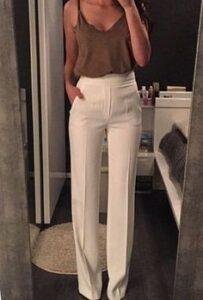
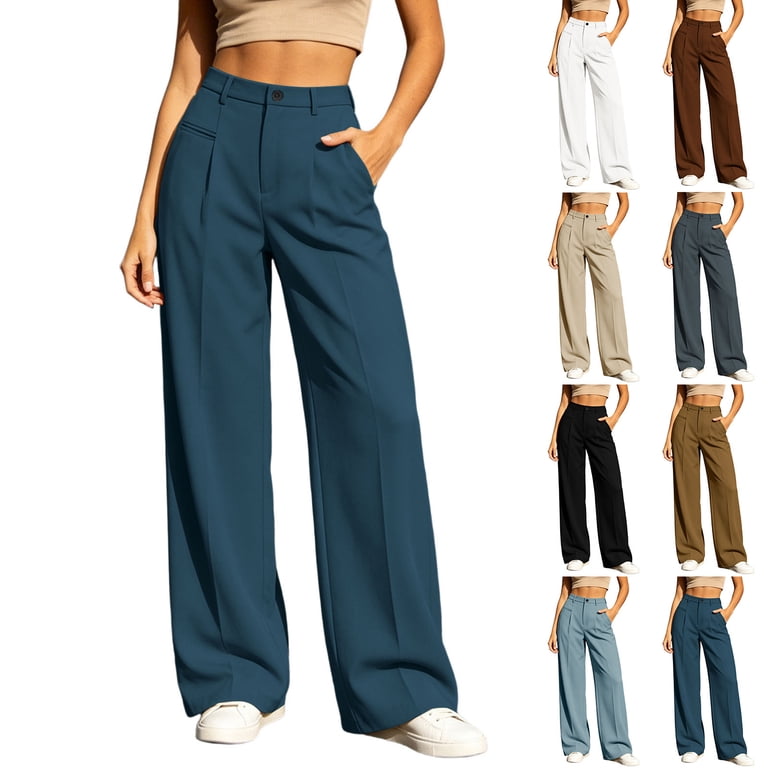
The rise also matters. Low-rise pants sit closer to the hips. Mid-rise pants sit around the natural waist or slightly below it. High-rise pants sit higher and often create a longer, cleaner leg line.
A straight leg gives a classic look. A tapered leg feels more modern. A wide leg can look elegant when the fabric drapes well and the hem is balanced.
Understanding the trouser break
The break is the small fold where the pant leg meets the shoe.
• No break creates a clean, modern line.
• A slight break is versatile and works for most offices.
• A full break creates a traditional look but can appear messy if the pants are too long.
When in doubt, choose a slight break. It is polished without looking overly formal.

How Much Should Nice Dress Pants Cost?
Nice dress pants can cost anywhere from about $40 to several hundred dollars. Price depends on the fabric, construction, brand, tailoring, and place of manufacture.
A lower price does not always mean poor quality. Sales, outlet pricing, and simple designs can reduce the cost. However, very cheap pants may use thin fabric, weak seams, poor lining, or inconsistent sizing.
For a practical wardrobe, consider these general price ranges:
• Budget: suitable for occasional wear, especially during sales.
• Mid-range: usually offers better fabric, construction, and size options.
• Premium: often provides superior wool, detailed finishing, and stronger tailoring support.
• Made-to-measure: costs more but can solve difficult fit problems.
Cost per wear is a useful way to judge value. A pair worn twice a week for two years may be a better purchase than a cheaper pair worn only once because it wrinkles, fades, or feels uncomfortable.
Inspect the pants before removing tags. Check the seams, zipper, button, pockets, hem, and fabric surface. A quick inspection can prevent the frustration of discovering a flaw after the return period ends.

Dress Pants for Work, Weddings, and Everyday Wear
The right pair depends on the setting. A formal office, wedding, and casual dinner may all call for dress pants, but they do not require the same style.
For the office
Choose wool, wool blends, or polished synthetic blends in navy, charcoal, medium gray, or black. A flat-front style looks modern, while pleats can add comfort and room through the hips and thighs.
Avoid extreme skinny cuts, loud patterns, and overly shiny fabric in conservative workplaces. Your pants should support your appearance, not become the main subject.
For weddings and formal events
Dark wool trousers are a safe choice. If you are wearing a suit jacket, try to match the fabric and color closely. Suit separates can work, but different textures may look intentional only when the contrast is clear.
For a less formal event, consider subtle checks, brown, olive, or textured wool. Make sure the trousers still coordinate with your shirt, jacket, and shoes.
For business casual outfits
Cotton twill, chinos, wool blends, and textured trousers are useful. Pair them with an Oxford shirt, knit polo, blouse, cardigan, blazer, or clean leather shoes.
Khaki, navy, dark brown, and gray are easy to combine. A pressed crease can make casual trousers look more refined.
For travel
Choose wrinkle-resistant fabric with a little stretch. A darker color can hide marks, while a mid-weight fabric works across changing temperatures.
Avoid pants that are too tight for sitting. Travel is not the time to test the limits of a slim cut.

Common Mistakes to Avoid When Buying Dress Pants
Many shoppers focus only on waist size. That is one of the most common mistakes. Two pairs with the same waist measurement can fit very differently because of rise, thigh shape, fabric, and cut.
Other mistakes include:
• Buying pants that are too long because they seem easier to alter.
• Choosing a size that fits the waist but pulls across the seat.
• Ignoring the care label.
• Purchasing a color that does not match the rest of the wardrobe.
• Keeping pants with a shiny surface or weak seams.
• Assuming expensive pants fit perfectly without alterations.
• Wearing a belt to fix pants that are too large.
• Buying several pairs before testing one through a full day.
I once saw a shopper choose a pair that looked excellent while standing but became tight across the thighs when seated. The lesson is simple: always sit, walk, bend, and check the pockets before deciding.
A tailor can shorten pants, adjust the waistband, and make small changes to the seat. Major changes to the rise or thigh area are harder and may not be worth the cost. Buy a pair that fits well in the hips and thighs first, then tailor the length.
How to Care for Nice Dress Pants
Good care helps dress pants keep their shape. Start by following the care label because wool, cotton, linen, and blended fabrics have different needs.
After wearing pants, hang them from the waistband or use a quality trouser hanger. Let them air out before placing them in a closet. This reduces odor and gives the fibers time to recover.
For routine care:
-
Brush away dust with a soft clothing brush.
-
Hang the pants after each use.
-
Steam light wrinkles instead of pressing directly with high heat.
-
Dry-clean only when needed, unless the care label says otherwise.
-
Rotate several pairs instead of wearing one pair every day.
-
Store them in a cool, dry place with room for air movement.
Frequent dry cleaning can shorten the life of some fabrics. Spot cleaning and airing may be enough for light use. If the pants have stains, strong odor, or visible soiling, professional cleaning is safer than experimenting at home.

A Simple Shopping Checklist
Before you buy, use this quick checklist. It works whether you shop in a store or search online for where to buy nice dress pants.
• Know the occasion.
• Set a realistic budget.
• Measure your waist, hips, thighs, and inseam.
• Choose a versatile color.
• Check the fabric content.
• Try sitting and walking in the pants.
• Inspect the seams and zipper.
• Confirm the return policy.
• Plan for tailoring.
• Keep the receipt and tags until you wear the pants for a full day.
If you shop online, order one pair first. Test the fit at home with the shoes and shirt you plan to wear. This is more reliable than ordering five pairs based only on product photos.
Frequently Asked Questions About Where to Buy Nice Dress Pants
Where is the best place to buy nice dress pants?
Department stores and specialty clothing stores are often the best starting points because you can compare brands and test the fit. Online retailers are useful when you need extended sizes, specific colors, or a repeat purchase.
How much should I spend on nice dress pants?
A reasonable budget depends on how often you will wear them. Spend enough to get comfortable fabric, strong construction, and a good fit, but remember that sales and tailoring can improve value.
Are expensive dress pants worth it?
They can be worth it when the fabric, construction, and fit are clearly better. Price alone does not guarantee quality, so inspect the stitching, drape, waistband, and return policy.
Should dress pants be tight or loose?
Dress pants should feel comfortable without looking baggy. The waistband should stay in place, and the fabric should not pull across the hips, seat, thighs, or pockets.
Can a tailor improve the fit of dress pants?
A tailor can usually adjust the hem and make small waist changes. Alterations are less simple when the pants are wrong in the rise, thigh, or seat, so start with a pair that fits those areas well.
What color dress pants should I buy first?
Navy, charcoal, medium gray, and black are the most versatile starting colors. Choose the color that fits your wardrobe and the settings where you expect to wear the pants.
Is it better to buy dress pants online or in a store?
A store is better for your first purchase because you can compare cuts and check the fit. Online shopping is convenient once you know your preferred brand, size, and measurements.
Conclusion
Finding where to buy nice dress pants becomes easier when you focus on fit, fabric, purpose, and return policies. Department stores and specialty shops are excellent for first-time fitting, while online retailers offer convenience and broader size options. A small amount of tailoring can also turn a good pair into a great one.
Start with one versatile pair in navy, gray, or black. Try it while standing, sitting, and walking, then judge the fabric and construction in natural light. Explore trusted retailers, compare your options, and share your own shopping tips in the comments.
Madison Clark is a footwear expert and the voice behind MyStyleGrid.com. She specializes in honest shoe reviews, style tips, and practical guides to help readers find the perfect pair for any occasion. With years of experience in blogging and content creation, Madison makes footwear knowledge simple, stylish, and easy to follow.