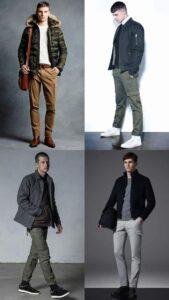
The best way to style trouser pants for men is to balance fit, color, texture, and shoes for the occasion.
Learning how to style trouser pants men can wear with ease starts with one simple idea: trousers should support your outfit, not overpower it. The right rise, leg shape, fabric, shirt, jacket, and shoes can take you from the office to dinner without looking stiff or overdressed. This guide explains the key rules, useful combinations, common mistakes, and practical ways to build a polished look.

What Are Trouser Pants?
Trouser pants are structured pants made from fabrics such as wool, cotton, linen, or blended fibers. They often have a cleaner finish than jeans or casual chinos. Many styles include a waistband, belt loops, pleats, front pockets, and a pressed crease.
The term “trousers” can describe both formal and smart-casual pants. A pair of wool trousers may suit a business setting, while cotton trousers may work well for a relaxed weekend outfit.
When learning how to style trouser pants men should first understand the level of formality. Fabric, color, fit, and details all affect how dressy the pants look.
Trouser pants compared with other men’s pants
- Dress trousers usually have a smooth finish and a sharper shape.
- Chinos often use cotton twill and create a more relaxed look.
- Jeans have a rugged texture and stronger casual feel.
- Suit trousers are designed to match a specific jacket.
- Odd trousers are sold separately and are made to work with different jackets.
A useful rule is to treat trousers as the middle ground between jeans and a full suit. They can look refined, but they do not always need a dress shirt or tie.
Start With the Right Fit
Fit is the foundation of how to style trouser pants men can wear confidently. Even expensive trousers will look poor if they pull across the hips, sag at the seat, or bunch heavily at the ankles.
The waistband should sit comfortably around your natural waist or slightly below it. You should be able to slide one or two fingers inside the waistband without feeling pressure. If you need to tighten the belt sharply to keep the pants up, the waist is likely too large.
Check these areas before buying:
- The seat should lie smooth without tight horizontal wrinkles.
- The hips should allow comfortable movement.
- The rise should not feel tight when you sit.
- The thighs should skim the body without clinging.
- The leg should fall cleanly from the thigh to the hem.
- The hem should touch or lightly rest on the top of your shoe.
Choose a trouser break
The break is the small fold where the trouser hem meets the shoe. It affects the overall mood of the outfit.
- No break creates a modern, clean line.
- A slight break works for most office and smart-casual outfits.
- A full break looks more traditional but can seem untidy if the pants are too long.
For most men, a slight break is the safest starting point. It offers polish without looking overly formal.
A common mistake is choosing trousers based only on waist size. Two pants with the same waist measurement can have very different rises, thigh widths, and leg shapes. Try sitting, walking, and standing before deciding.
Pick the Best Trouser Style for Your Body
There is no single perfect trouser cut for every man. Your build, height, personal taste, and daily needs all matter. The goal is balance, not hiding your body.
Slim trousers
Slim trousers follow the leg closely but should not feel tight. They work well with fitted shirts, fine-knit sweaters, and streamlined shoes.
Avoid extremely narrow legs if you have larger calves or muscular thighs. Tight fabric can create wrinkles and make the outfit look uncomfortable.
Straight-leg trousers
Straight-leg trousers offer a classic shape. They are easy to wear with dress shoes, loafers, boots, and clean sneakers.
This cut is often the best choice for a first pair because it works across many settings. It also gives your outfit a calm, balanced shape.
Pleated trousers
Pleats add fabric at the front of the pants. They can improve comfort and create a relaxed, elegant drape.
Pleated trousers look best when the rest of the outfit is simple. Try them with a tucked-in shirt, knit polo, loafers, or an unstructured blazer.
Wide-leg trousers
Wide-leg trousers create a fashion-forward silhouette. They work well with cropped jackets, roomy overshirts, and substantial shoes.
Keep the proportions intentional. Very wide pants with a tiny, tight shirt can make the upper body look out of balance.
When considering how to style trouser pants men should match the width of the leg with the shape of the top. Slim pants pair well with closer-fitting tops, while relaxed pants need a little volume above.
Choose Colors That Work Together
Color is one of the easiest ways to control the mood of an outfit. Neutral trousers offer the most flexibility, while rich colors add personality.
Essential trouser colors
- Charcoal works with white, blue, black, burgundy, and soft gray.
- Navy pairs well with white, light blue, tan, olive, and brown.
- Gray creates a clean base for both casual and formal clothing.
- Khaki works with navy, white, denim, olive, and brown.
- Beige looks relaxed with darker tops and textured shoes.
- Brown works well with cream, pale blue, green, and navy.
- Black trousers suit minimalist outfits and evening settings.
Gray and navy are the best starting colors for a small wardrobe. They can support work outfits, dinners, travel looks, and smart-casual events.
Try to avoid matching every piece too closely. For example, navy trousers and a navy shirt can look flat unless you add a clear contrast through texture, tone, or a jacket.
A simple color formula is one dark piece, one light piece, and one middle-tone piece. Navy trousers, a white shirt, and brown loafers are a good example.
How to Style Trouser Pants Men Can Wear Casually
Trouser pants do not need to look formal. The key is to combine them with relaxed fabrics and less structured pieces.
Try these combinations:
- Wear gray trousers with a white T-shirt, a navy overshirt, and clean leather sneakers.
- Pair beige trousers with a textured polo and suede loafers.
- Combine navy trousers with a plain crew-neck sweater and minimalist sneakers.
- Wear brown trousers with an Oxford shirt and casual boots.
- Match pleated trousers with a tucked-in knit polo and loafers.
The shirt makes a major difference. A crisp poplin shirt feels sharper than a washed Oxford shirt. A fine merino sweater feels dressier than a chunky cotton sweatshirt.
For a casual look, leave a relaxed shirt untucked if the hem is not too long. The shirt should usually end around the middle of your zipper or upper hip. A very long shirt can make the legs appear shorter.
Clean sneakers can work with trousers, but their shape matters. Low-profile leather sneakers look sharper than heavily cushioned athletic shoes. If you choose running shoes, keep the rest of the outfit simple and modern.
How to Style Trouser Pants Men Can Wear to Work
Work outfits require attention to dress codes. A conservative office may call for wool trousers, an Oxford shirt, and leather dress shoes. A creative workplace may allow trousers with a knit polo, overshirt, or clean sneakers.
For a traditional office, try:
- Charcoal trousers
- A pale blue or white dress shirt
- A navy blazer
- Brown or black leather shoes
- A matching leather belt
For a business-casual office, try:
- Navy or gray trousers
- A tucked-in Oxford shirt
- A textured blazer or cardigan
- Loafers, derbies, or plain leather sneakers
For a relaxed office, try:
- Cotton trousers in olive, beige, or navy
- A knit polo or fine-gauge sweater
- A lightweight jacket
- Suede loafers or simple sneakers
The jacket does not need to match the trousers unless you are wearing a suit. In fact, a contrasting jacket often creates a more natural odd-jacket outfit.
If the trousers have a strong pattern, keep the jacket and shirt quiet. If the trousers are plain, you can add interest with a textured jacket, patterned shirt, or distinctive shoes.
How to Style Trouser Pants Men Can Wear for a Night Out
Evening outfits benefit from darker colors, cleaner lines, and subtle texture. Black, charcoal, deep navy, and dark brown trousers are reliable choices.
For a restaurant or date, pair charcoal trousers with a black knit polo and black loafers. For a less formal setting, try dark navy trousers, a cream shirt, a brown suede jacket, and suede shoes.
A blazer instantly increases formality. A relaxed blazer with soft shoulders feels more modern than a stiff business jacket. You can also wear a tucked-in T-shirt under an unstructured blazer for a polished but easy look.
Avoid adding too many statement pieces at once. A bold jacket, bright shirt, patterned trousers, and unusual shoes can compete for attention. Let one item lead while the other pieces provide support.
This is one of the most useful lessons in how to style trouser pants men can apply: a simple outfit often looks more expensive than a busy one.
Match Trouser Pants With the Right Shoes
Shoes anchor the outfit. They also change how formal or casual the trousers appear.
Best shoes for dress trousers
- Oxford shoes create a formal, refined look.
- Derby shoes offer a little more room and a slightly relaxed feel.
- Loafers work well with office, dinner, and smart-casual outfits.
- Monk straps add visual interest without looking loud.
- Chelsea boots suit slim or straight trousers in cooler weather.
- Suede chukkas create a softer, casual finish.
- Minimal leather sneakers make trousers feel modern and relaxed.
The color of your shoes should relate to the rest of the outfit. Brown shoes work well with navy, gray, beige, olive, and brown trousers. Black shoes pair easily with black, charcoal, and dark navy.
Your belt should usually be close in color and formality to your shoes. It does not need to match perfectly, but a bright brown belt with black dress shoes can look disconnected.
Pay attention to the shoe’s shape. A very thin shoe may look weak under wide-leg trousers, while a large athletic sneaker can overwhelm slim pants. Think of the hem and shoe as two parts of one frame.
How to Style Trouser Pants Men Can Wear in Each Season
Fabric and color should change with the weather. Seasonal dressing is not only about comfort; it also helps the outfit feel natural.
Spring
Choose lightweight wool, cotton, linen blends, and soft colors. Try gray trousers with a pale blue shirt, suede loafers, and a light jacket.
Summer
Linen and cotton trousers allow more airflow. Beige, stone, cream, light gray, and olive work well in warm weather.
Linen wrinkles easily, and that is part of its character. However, deep creases and messy folds can make the outfit look neglected. Press linen trousers lightly and accept a few natural wrinkles.
Fall
Use heavier cotton, flannel, corduroy, and wool. Brown, olive, rust, charcoal, and deep navy suit the season.
Pair trousers with knit sweaters, overshirts, suede shoes, or leather boots. Layering also adds depth without needing bold colors.
Winter
Choose flannel, brushed wool, cavalry twill, or heavier blends. Wear them with wool coats, turtlenecks, cardigans, and sturdy boots.
Make sure the trouser fabric has enough weight to hold its shape under a coat. Thin summer trousers can look out of place with heavy winter layers.
Use Shirts, Sweaters, and Jackets Wisely
The top half of your outfit should support the trousers’ shape and formality.
A tucked-in shirt creates a longer leg line and shows the waistband. This works especially well with pleated or high-rise trousers. A tucked shirt also looks cleaner under a blazer.
An untucked shirt can look relaxed, but length matters. Choose a shirt designed to be worn untucked, or ask a tailor to shorten a longer shirt.
Sweaters offer many options:
- Crew-neck sweaters create a simple, balanced look.
- V-neck sweaters work well over collared shirts.
- Turtlenecks add a refined, modern feel.
- Cardigans create soft layers for business-casual outfits.
- Knit polos bridge the gap between shirts and T-shirts.
When wearing a jacket, compare the structure of both pieces. A soft blazer works well with relaxed trousers. A sharp suit jacket usually needs matching suit pants because the fabric and cut are designed as a set.
One of the most common styling errors is mixing formal trousers with a very casual top that has no visual connection. A basic T-shirt can work, but choose quality fabric, a good fit, and clean shoes.
Accessories That Improve the Outfit
Accessories should finish the look, not distract from it. A few thoughtful details can make simple trousers feel intentional.
Consider these additions:
- A leather belt for classic office outfits
- A woven belt for relaxed summer trousers
- A simple watch for everyday polish
- A pocket square with a blazer
- Ribbed or patterned socks for subtle character
- A wool scarf during colder months
- A leather bag for work or travel
Your socks should bridge the gap between the trousers and shoes. Dark socks are a safe choice, but a muted pattern can add personality.
If you wear cropped or no-break trousers, make sure the sock choice is deliberate. Showing a small amount of ankle can look modern in warm weather, but bare ankles may not suit a conservative workplace.
Avoid wearing too many accessories that share the same level of shine. A glossy belt, shiny watch, polished shoes, and bright jewelry can feel excessive. Mix smooth and textured finishes for a more natural result.
Common Mistakes to Avoid
Understanding what goes wrong is just as useful as knowing what works. Small errors can change the entire appearance of an outfit.
Wearing trousers that are too long
Extra fabric can create several folds around the ankle. This makes the pants look heavy and can hide the shoes.
Choosing the wrong rise
A low rise may feel uncomfortable when sitting, while an extremely high rise may not suit your preferred style. The waistband should feel secure without cutting into your body.
Ignoring the seat and thighs
Many men focus only on the waist. Tightness across the seat or thighs causes pulling and wrinkles that no shirt can hide.
Matching formal trousers with casual shoes
Some combinations work, but very formal trousers with bulky athletic shoes often look accidental. Choose a sleek sneaker or a more relaxed trouser fabric.
Using the belt as a fix
A belt should complete the outfit, not hold up pants that are too large. If the waist is too loose, tailoring is the better solution.
Overlooking fabric texture
Smooth wool trousers, a rough flannel shirt, and shiny athletic shoes may create too much contrast. Texture should feel connected across the outfit.
In practical styling sessions, the most common lesson is simple: fit changes more than brand names do. A well-altered basic pair usually looks better than an expensive pair with poor proportions.
Tailoring and Trouser Care
A tailor can improve the waist, seat, hem, and sometimes the leg shape. Hemming is usually simple, while major changes to the rise or thigh can be limited by the original pattern and seam allowance.
Ask for alterations based on how you want to wear the pants. A trouser hem for dress shoes may be different from a hem for sneakers or boots.
Care also protects the shape and lifespan of your trousers:
- Follow the care label.
- Air trousers after wearing them.
- Use a proper hanger with a trouser bar.
- Brush away dust before storing them.
- Steam light wrinkles when suitable.
- Avoid frequent washing when the fabric does not require it.
- Rotate pairs instead of wearing one pair every day.
Wool trousers often benefit from airing and occasional professional cleaning rather than repeated washing. Cotton and linen may require more regular cleaning, but heat can cause shrinkage or damage.
Store trousers in a cool, dry place. Good care helps the crease, fabric, and fit stay sharp for much longer.
A Simple Outfit Formula
If you are unsure how to style trouser pants men can start with a three-part formula:
- Choose neutral trousers with a clean fit.
- Add a top that contrasts in color or texture.
- Finish with shoes that match the outfit’s level of formality.
For example, begin with medium-gray trousers. Add a white Oxford shirt and a navy cardigan. Finish with brown loafers and a matching belt.
For a casual version, wear the same trousers with a white T-shirt, olive overshirt, and white leather sneakers. The pants stay the same, but the upper layers and shoes change the mood.
For a formal version, add a navy blazer, pale blue shirt, and dark brown derbies. This shows why versatile trousers are valuable: one pair can support several outfits.
When learning how to style trouser pants men should take photos in natural light. A mirror can hide poor proportions, while a photo often reveals a long hem, short jacket, or unbalanced silhouette.
How to Build a Trouser Pants Capsule Wardrobe
A small collection can cover most occasions. Begin with versatile colors and fabrics before adding trend-led styles.
A practical capsule may include:
- One charcoal wool trouser
- One navy trouser
- One medium-gray trouser
- One beige or khaki cotton trouser
- One dark brown or olive casual trouser
- One lightweight summer trouser in linen or cotton
Add shirts in white, pale blue, and soft gray. Then include a navy blazer, a casual overshirt, a fine-knit sweater, and shoes in brown and black.
This approach reduces decision fatigue. You can create many combinations without buying a large number of clothes.
Patterns should come later. A subtle windowpane, check, or herringbone trouser can add interest, but plain trousers are easier to wear and repeat.
Frequently Asked Questions About How to Style Trouser Pants Men
Can men wear trouser pants with sneakers?
Yes, men can wear trouser pants with sneakers when the sneakers are clean and the trousers have a relaxed or modern cut. Low-profile leather sneakers usually look more polished than bulky athletic shoes.
Should trouser pants be slim or loose?
Trouser pants should follow your body without pulling or clinging. Slim, straight, and relaxed cuts can all work, but the choice should match your body shape, top layer, and personal style.
What color trouser pants should every man own?
Charcoal and navy are the most useful first choices. They work with many shirts, jackets, and shoes and can suit both professional and casual settings.
Can you wear a T-shirt with trouser pants?
You can wear a T-shirt with trouser pants for a modern smart-casual outfit. Choose a clean, well-fitting T-shirt and balance it with simple sneakers, loafers, or an unstructured jacket.
Should trouser pants match the blazer?
They should match when you are wearing a traditional suit. For a separate blazer outfit, the trousers should complement the jacket in color, texture, and formality without being identical.
How long should men’s trouser pants be?
The hem should usually reach the top of the shoe with no break or a slight break. The best length depends on the trouser width, shoe style, and level of formality.
Can men wear black shoes with navy trouser pants?
Yes, black shoes can work with navy trouser pants, especially in formal or evening settings. Brown shoes often create a softer and more traditional contrast for daytime outfits.
Conclusion
Learning how to style trouser pants men can wear confidently becomes much easier when you focus on fit, proportion, color, fabric, and shoes. Start with charcoal, navy, or gray trousers, then build outfits with simple shirts, knitwear, jackets, and well-chosen footwear.
Do not worry about following every trend. A clean hem, comfortable rise, balanced silhouette, and suitable fabric will always matter more. Try one new combination this week, take a clear photo, and adjust the fit or proportions until the outfit feels natural. Share your favorite trouser styling idea or explore more men’s style guides for practical wardrobe advice.
Madison Clark is a footwear expert and the voice behind MyStyleGrid.com. She specializes in honest shoe reviews, style tips, and practical guides to help readers find the perfect pair for any occasion. With years of experience in blogging and content creation, Madison makes footwear knowledge simple, stylish, and easy to follow.