Knee-high boots are usually called knee-high boots, knee boots, or simply boots that reach the knee.
If you have searched for what are knee high boots called, you may have noticed several names used by stores, fashion writers, and shoppers. The main term is simple, but related styles such as riding boots, over-the-knee boots, and thigh-high boots can create confusion. This guide explains the correct names, key differences, best uses, and practical buying tips.

What Are Knee-High Boots Called?
The most common name is knee-high boots. This term describes boots with shafts that rise to about the knee or just below it. In some stores, you may also see them listed as knee boots.
The name can change based on the boot’s shape, purpose, and design. For example, a flat leather pair may be called riding boots, while a heeled pair may be marketed as dress boots or fashion boots.
Common names include:
• Knee-high boots: The standard and clearest term.
• Knee boots: A shorter version often used in fashion retail.
• Tall boots: A broad term for boots that rise well above the ankle.
• Riding boots: A structured style inspired by equestrian footwear.
• Dress boots: A polished style made for formal or smart-casual outfits.
• Fashion boots: A trend-focused style with bold colors, prints, heels, or details.
In most cases, these names describe the same general height but not always the same design. The phrase knee-high boots tells you where the boot ends, while terms like riding boots or dress boots tell you more about its purpose and appearance.

How High Do Knee-High Boots Reach?
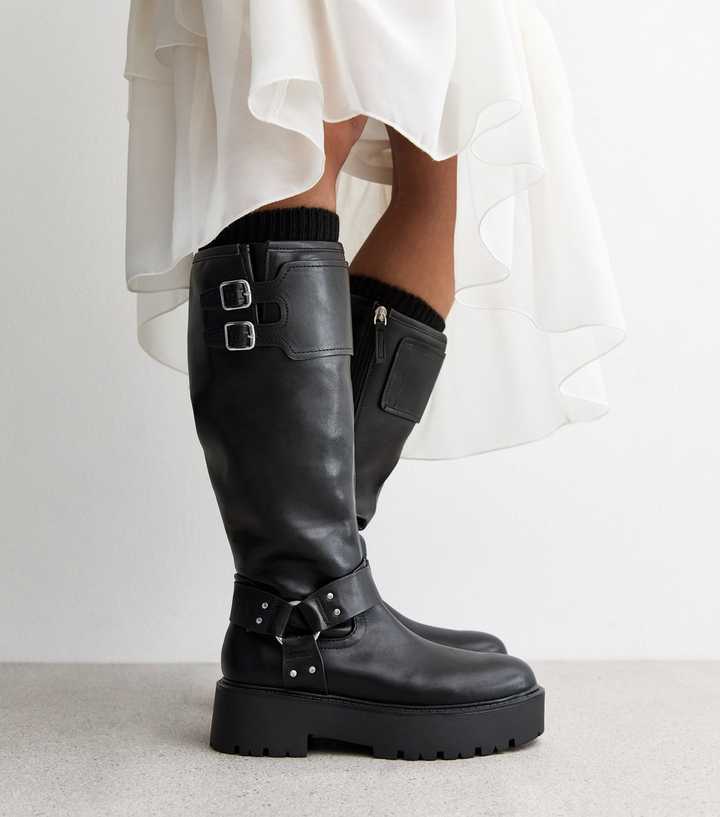
Knee-high boots usually reach the knee, the lower edge of the kneecap, or slightly below it. The exact height varies because people have different leg lengths and boot brands use different shaft measurements.


A boot may still be called knee-high if it ends one or two inches below the knee. A tall person may find that the same boot reaches just below the kneecap, while a shorter person may find that it covers the knee area.
Boot measurements often include:
• Shaft height: The distance from the top of the boot to the top of the heel.
• Shaft circumference: The measurement around the widest part of the boot opening.
• Heel height: The distance from the ground to the top of the heel.
• Foot width: The amount of room across the ball of the foot.
The shaft height does not include the heel. This detail matters when comparing online listings. A boot with a 15-inch shaft may look knee-high on one person but sit lower on another.
A good fit should allow you to bend your knee without the top edge digging into your leg. You should also have enough room to wear the socks or pants you plan to use with the boots.

What Is the Difference Between Knee-High and Over-the-Knee Boots?
The main difference is where the boot ends. Knee-high boots stop at or near the knee, while over-the-knee boots continue several inches above it.
Here is a simple comparison:
| Boot type | Usual height | Common look |
|---|---|---|
| Ankle boots | Around the ankle | Casual and easy to style |
| Mid-calf boots | Halfway up the calf | Practical and relaxed |
| Knee-high boots | At or near the knee | Polished and versatile |
| Over-the-knee boots | Above the knee | Bold and fashion-forward |
| Thigh-high boots | High on the thigh | Dramatic and statement-making |
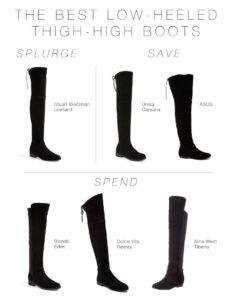
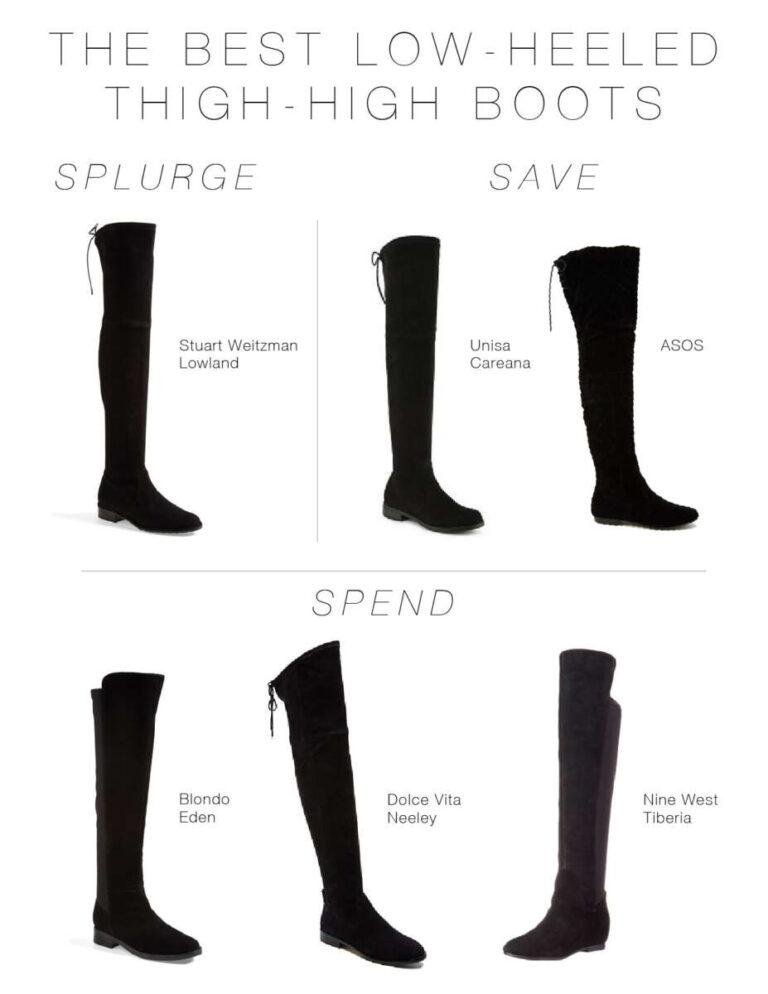
Over-the-knee boots are sometimes called thigh-high boots, but the terms are not always identical. Over-the-knee styles normally cover the knee and stop somewhere on the lower or middle thigh. Thigh-high boots reach farther up the leg.
This distinction is useful when shopping. Searching for knee-high boots will show a classic tall boot, while searching for over-the-knee boots will produce a much taller style.

Knee-High Boots vs. Riding Boots
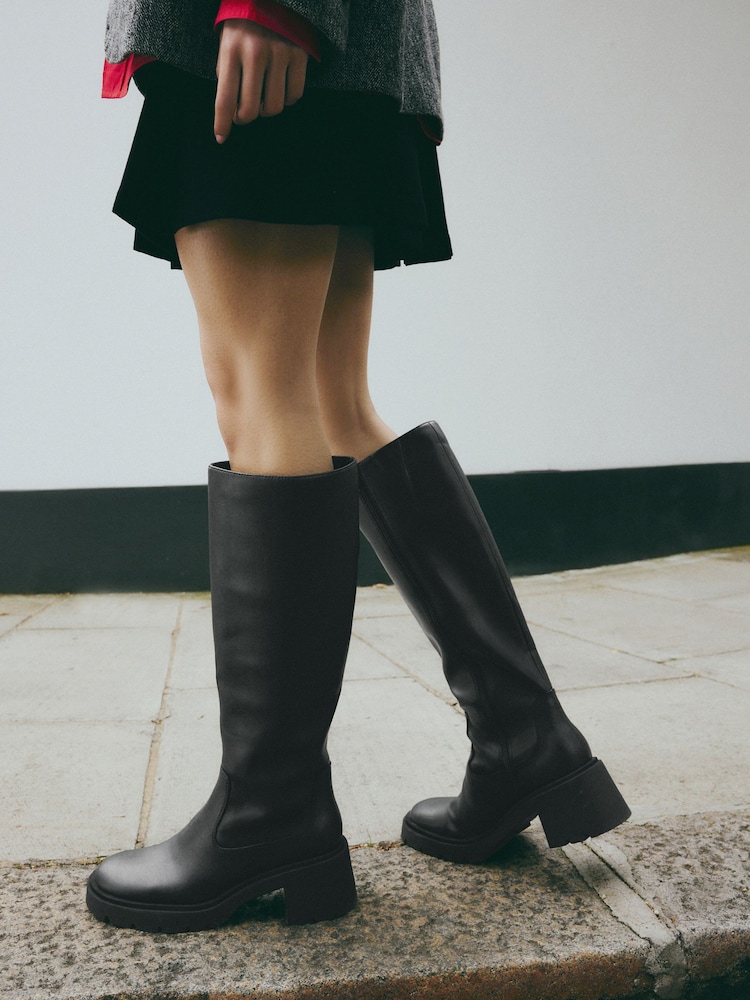
Riding boots are one of the most popular types of knee-high boots. They take design ideas from traditional horse-riding footwear, including a tall shaft, low heel, smooth leather, and a simple shape.


Traditional riding boots often have:
• A low, stable heel
• A rounded or softly pointed toe
• A firm shaft
• A side zipper or pull tabs
• Minimal decoration
• Leather or leather-like material
Not every pair of knee-high boots is a riding boot. A high-heeled suede boot may reach the knee, but it is usually called a dress boot or fashion boot instead.
Riding boots work well with jeans, leggings, sweater dresses, and casual skirts. They are often a practical choice for fall and winter because the tall shaft adds warmth and helps protect the lower leg from light rain, cold air, and splashes.
Popular Types of Knee-High Boots
Knee-high boots come in many designs. Knowing the style names can make online shopping much easier.
Flat Knee-High Boots
Flat knee-high boots have little or no raised heel. They are comfortable for walking and suit everyday outfits. Flat boots often have a casual, classic look.
They pair well with:
• Skinny jeans
• Leggings


• Casual dresses
• Long cardigans
• Oversized sweaters
Heeled Knee-High Boots
Heeled knee-high boots can look sleek and refined. Heel shapes range from wide block heels to thin stilettos.
Block heels offer more stability for daily wear. Slim heels create a more formal look but may feel less comfortable during long periods of standing or walking.
Western Knee-High Boots
Western boots may have pointed toes, stacked heels, decorative stitching, or metal details. They can reach the knee and still keep their Western design.
Try them with straight-leg jeans, denim skirts, simple dresses, or relaxed shirts. Since Western boots already make a strong statement, simple clothing often creates the most balanced outfit.
Slouchy Knee-High Boots
Slouchy boots have soft material that folds or gathers around the calf. They create a relaxed shape and often use suede or flexible leather.
They look best with slim clothing on the lower body. A fitted dress or narrow pants can balance the extra volume around the boot shaft.
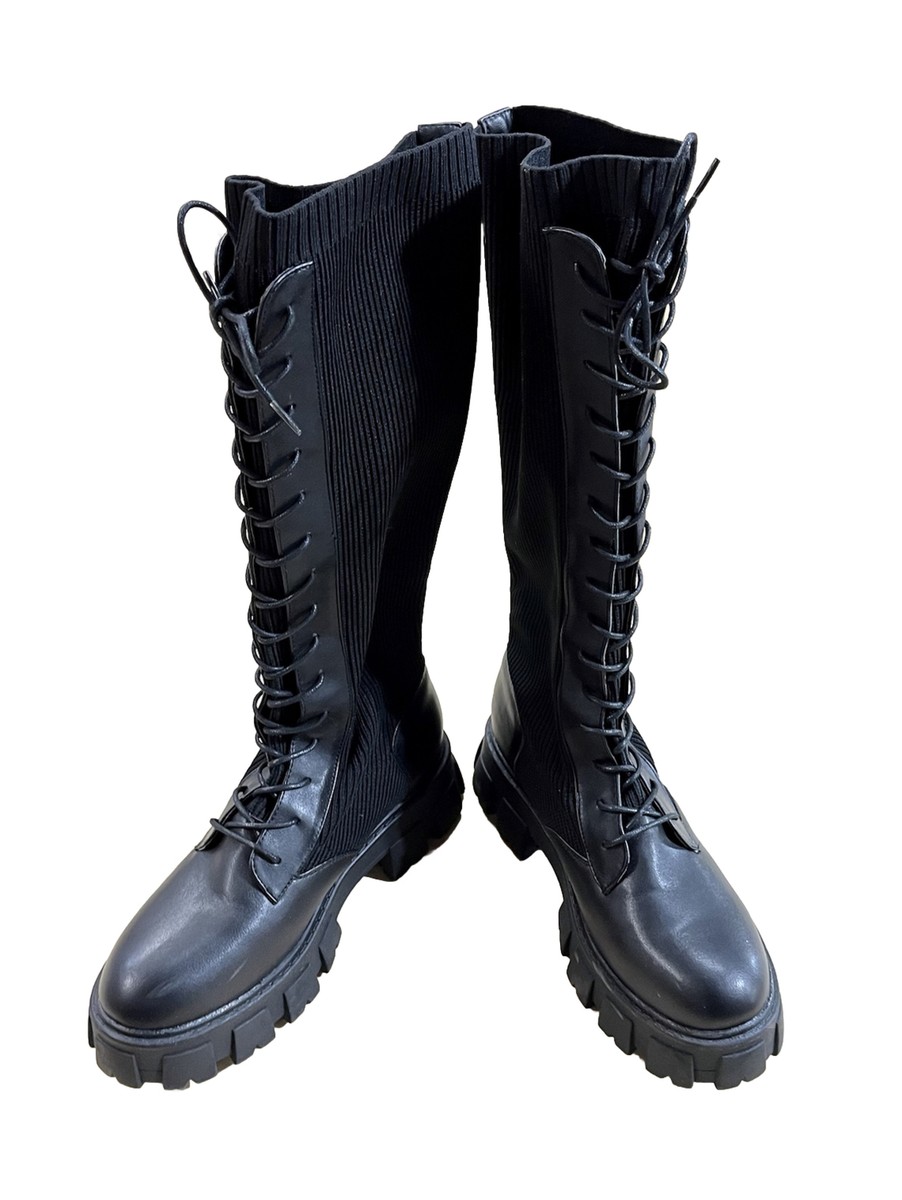
Platform Knee-High Boots
Platform boots have a thick sole that raises the foot from the ground. Some also include a high heel.
They can add height and create a bold look, but they may feel heavier than standard knee-high boots. Walk on a flat surface before wearing them for a full day.
How to Wear Knee-High Boots
Knee-high boots are popular because they work with many outfits. They can look casual, polished, modern, or classic depending on the clothing and boot design.
With Jeans
Skinny or straight-leg jeans usually fit well inside knee-high boots. Choose a slim pair of jeans to prevent bunching around the ankle and calf.
If your jeans are too thick, the boot may feel tight even when the foot size is correct. Stretch denim often gives a smoother fit.


With Dresses
A short or midi dress can look balanced with knee-high boots. The small space between the boot top and dress hem can create a clear, stylish shape.
For a softer outfit, choose flat boots. For a more polished outfit, try a simple heel and a dress with clean lines.
With Skirts
Knee-high boots work with both short and midi skirts. A-line skirts create movement, while pencil skirts offer a more formal appearance.
Opaque tights can connect the skirt and boots, especially in cool weather. Matching the tights closely to the boot color can also create a longer-looking leg line.
With Leggings
Leggings and knee-high boots make a practical cold-weather outfit. Add a long sweater, tunic, blazer, or coat for coverage and balance.
Make sure the boot shaft is wide enough to fit over the leggings without creating uncomfortable pressure.
With Shorts
Shorts and knee-high boots can create a strong contrast between bare skin and tall footwear. This look works best when the rest of the outfit remains simple.
A loose button-down shirt, knit sweater, or structured jacket can help the outfit feel intentional rather than busy.

How Should Knee-High Boots Fit?
Good fit is more important than the size printed on the box. Two brands may use the same size but create very different foot shapes and shaft widths.
Check these areas before keeping a pair:
• Toes: Your toes should not touch the front of the boot.
• Heel: A small amount of movement is normal, but your heel should not lift sharply with every step.
• Instep: The upper part of your foot should feel supported, not squeezed.
• Calf: You should be able to close the boot without strain.
• Knee: The top edge should not press into the back of your knee when you sit.
• Sole: The sole should bend near the ball of your foot, not directly under your arch.
Try boots on with the socks or pants you plan to wear. Walk, sit, bend your knees, and climb a few steps if possible.
One fitting-room lesson is easy to remember: a boot can feel comfortable while standing and become painful after ten minutes of walking. Always test movement, not just appearance. A beautiful boot that pinches your calf or rubs your heel will spend more time in your closet than on your feet.
What Materials Are Used for Knee-High Boots?
The material affects comfort, care, price, and weather performance. The most common options are leather, suede, synthetic leather, rubber, and fabric blends.
Leather
Leather is durable and often becomes more comfortable as it softens. It can also resist light moisture when treated correctly.
Leather needs regular care. Use a product made for the specific leather finish, and test it on a hidden area first.
Suede
Suede has a soft, textured surface. It gives knee-high boots a relaxed and luxurious appearance.
Suede is more sensitive to water, salt, and stains than smooth leather. A suede protector can help, but it will not make the material fully waterproof.
Synthetic Leather
Synthetic materials can cost less and may offer consistent color and texture. Some options are also easier to clean.
Their durability varies. Look for strong stitching, a flexible sole, and a lining that does not shed or bunch.
Rubber
Rubber knee-high boots are useful for wet weather and outdoor tasks. They are common in rain boots and garden boots.
Rubber is water-resistant, but it may feel less breathable than leather or fabric. Wear moisture-wicking socks to improve comfort.

Are Knee-High Boots Good for Winter?
Knee-high boots can be useful in winter, but height alone does not make them warm or waterproof. Check the lining, sole, insulation, and material before buying a pair for cold weather.
Features that help include:
• A warm lining
• A thick rubber sole
• A deep tread pattern
• Water-resistant material
• Room for warm socks
• A sealed or protected construction
Avoid wearing fashion boots in heavy snow unless the manufacturer states that they are made for those conditions. Smooth soles can become slippery on ice, and suede can suffer lasting damage from salt and moisture.
For severe cold, insulated winter boots are usually a better choice than ordinary leather knee-high boots. The right boot depends on the weather, walking conditions, and length of time spent outdoors.
How to Clean and Store Knee-High Boots
Proper care can help knee-high boots keep their shape and last longer. Care instructions vary by material, so read the brand’s guidance before using a cleaner or conditioner.
Follow these basic steps:
-
Remove dirt with a soft brush or dry cloth.
-
Clean small marks with a suitable material cleaner.
-
Let wet boots dry at room temperature.
-
Keep boots away from radiators, hair dryers, and strong heat.
-
Insert boot shapers or rolled towels to support the shaft.
-
Store boots upright in a cool, dry place.
Never put wet leather or suede boots beside a heater. Fast heat can dry the material, cause cracking, or change its shape.
Salt stains are common in winter. Remove them early with a cleaner designed for the boot material. Do not scrub aggressively, since hard rubbing can spread the stain or damage the surface.
Common Mistakes When Buying Knee-High Boots
Many boot problems come from choosing based on appearance alone. A few simple checks can prevent disappointment.
• Ignoring calf width: A boot may fit your foot but fail to close around your calf.
• Buying too small: Leather may soften, but it will not always stretch enough to fix serious pressure.
• Forgetting socks: Thick winter socks can change the fit.
• Choosing a slippery sole: Smooth soles may be unsafe on wet or icy ground.
• Skipping return policies: Online boot sizing can vary greatly between brands.
• Focusing only on heel height: A stable sole and good footbed matter just as much.
• Wearing them without breaking them in: Start with short walks before using new boots all day.
A useful rule is to buy for your real life. If you walk to work, choose support and traction. If you need a formal pair for events, focus on shape and finish. The best knee-high boots are the ones you can wear with confidence and comfort.
Why Are Knee-High Boots So Popular?
Knee-high boots cover more of the leg than ankle boots while remaining easier to style than over-the-knee boots. They also work across several seasons, especially fall, winter, and early spring.
Their popularity comes from a mix of practical and visual benefits:
• They add warmth to the lower leg.
• They work with pants, dresses, skirts, and shorts.
• They can make an outfit look more polished.
• They are available in flat, heeled, casual, and formal designs.
• They suit many personal styles.
Knee-high boots also create a strong vertical line from the foot to the knee. This can make an outfit look neat and connected, much like a frame around a picture.
Still, they are not ideal for every person or climate. People with wide calves may need extended-calf designs, and people in hot weather may prefer ankle boots or lightweight shoes.
Frequently Asked Questions About What Are Knee High Boots Called
Are knee-high boots and knee boots the same thing?
Usually, yes. Both terms describe boots that reach the knee or sit just below it. Retailers may use “knee boots” as a shorter product name.
What are boots that go just below the knee called?
They are generally called knee-high boots or tall boots. The exact name depends on the brand and the boot’s design.
Are riding boots always knee-high?
No. Many riding boots are knee-high, but some are shorter. The term “riding boot” describes the boot’s design and purpose, while “knee-high” describes its height.
What are boots above the knee called?
Boots that extend above the knee are called over-the-knee boots. If they reach high on the thigh, they may also be called thigh-high boots.
Can knee-high boots be worn with jeans?
Yes. Slim jeans, skinny jeans, and leggings usually fit best inside knee-high boots. Straight-leg jeans may also work if the boot shaft has enough room.
Should knee-high boots be tight around the calf?
They should feel secure but not painfully tight. You should be able to sit, walk, and wear your planned socks or pants without pressure.
Are knee-high boots suitable for wide calves?
Yes, many brands offer wide-calf and extra-wide-calf styles. Always check the shaft circumference rather than relying only on the foot size.
Are knee-high boots formal or casual?
They can be either. Flat leather boots often look casual, while sleek leather, suede, or heeled boots can suit formal and business-casual outfits.
Conclusion
Knee-high boots are also known as knee boots, tall boots, riding boots, dress boots, or fashion boots when their design fits those categories. The key difference is height: they reach the knee or sit just below it, while over-the-knee and thigh-high boots continue higher.
When choosing a pair, check the shaft height, calf circumference, foot shape, sole grip, material, and intended use. Try them with the clothes and socks you plan to wear, then walk and sit before making a final decision. Explore different knee-high boot styles, compare their measurements, and choose the pair that fits your life as well as your wardrobe.

Madison Clark is a footwear expert and the voice behind MyStyleGrid.com. She specializes in honest shoe reviews, style tips, and practical guides to help readers find the perfect pair for any occasion. With years of experience in blogging and content creation, Madison makes footwear knowledge simple, stylish, and easy to follow.