A chunky heel is a thick, sturdy heel that gives shoes lift with more balance and support.
If you have ever wanted extra height without the sharp feel of a thin stiletto, you have likely considered this style. In this guide, I’ll explain what is a chunky heel, how it differs from other heel types, how it feels to wear, and how to choose the right pair for comfort and style.
What Is a Chunky Heel?
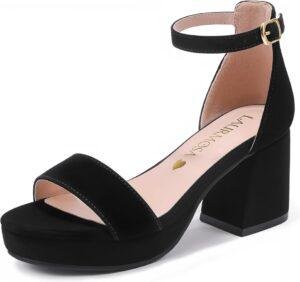
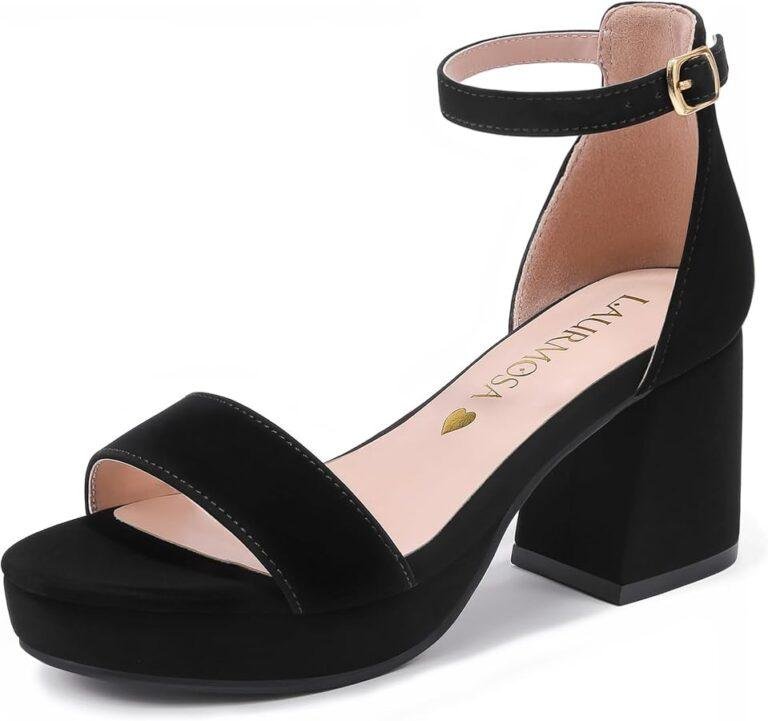
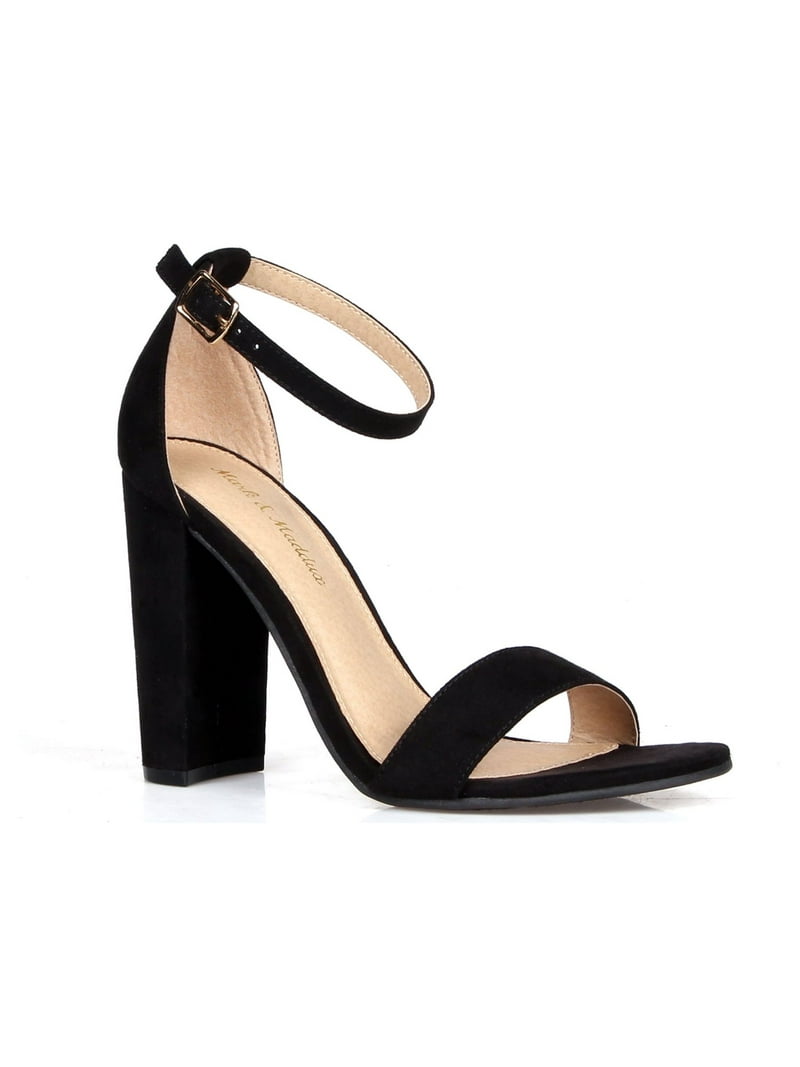
What is a chunky heel? It is a shoe heel with a wide, solid shape. Unlike a narrow stiletto heel, a chunky heel has more surface area under the foot. This design can make the shoe feel more stable while still adding height.
Chunky heels can appear on sandals, pumps, boots, loafers, mules, and platform shoes. The heel may be short and square or tall and slightly tapered. The key feature is its thicker build.
A chunky heel is not defined by one exact height. Its main feature is width and structure. A two-inch block heel may be chunky, while a four-inch heel can also be chunky if it has a broad base.
How a Chunky Heel Works
A chunky heel spreads your weight over a larger area than a thin heel. Think of it like standing on a wide stepping stone instead of a pencil tip. This can help you feel more secure as you walk.
The heel also affects how your foot meets the ground. A wider base may reduce side-to-side wobbling, especially on smooth floors or busy sidewalks. Still, comfort depends on the full shoe design, including the toe shape, arch support, sole, and fit.
A chunky heel does not automatically mean a shoe is pain-free. A very tall heel can still move your weight toward the front of the foot. Poor cushioning or a tight toe box can also cause pressure, rubbing, and blisters.

Chunky Heel vs. Other Heel Types
Understanding what is a chunky heel becomes easier when you compare it with similar designs.
Chunky Heel vs. Stiletto Heel
A stiletto heel is thin and narrow. It creates a sleek, delicate look but offers less surface area for balance. A chunky heel is wider and often feels steadier during normal walking.
Stilettos may suit formal events, while chunky heels work well for daily outfits, parties, workwear, and casual looks. Neither style is always better. The right choice depends on comfort, occasion, and personal taste.
Chunky Heel vs. Block Heel
A block heel is usually straight and square from top to bottom. Many block heels are chunky, but the terms are not identical. “Block heel” describes the shape, while “chunky heel” describes a thick, substantial appearance.
A heel can be both block and chunky. For example, a sandal with a three-inch square heel is a classic chunky block heel.


Chunky Heel vs. Wedge Heel
A wedge heel runs under the heel and often continues toward the front of the shoe. It supports more of the foot from heel to toe. A chunky heel usually stands as a separate heel under the back of the shoe.
Wedges may feel stable because they have a larger base. Chunky heels offer a more traditional raised heel shape and can look dressier.
Chunky Heel vs. Platform Heel
A platform adds height under the front of the foot. A chunky heel mainly adds height under the heel. Some shoes combine both features.
A platform can reduce the angle between your heel and forefoot. This may make a tall shoe feel easier to wear, but it does not remove all pressure or balance concerns.
Benefits of Wearing a Chunky Heel
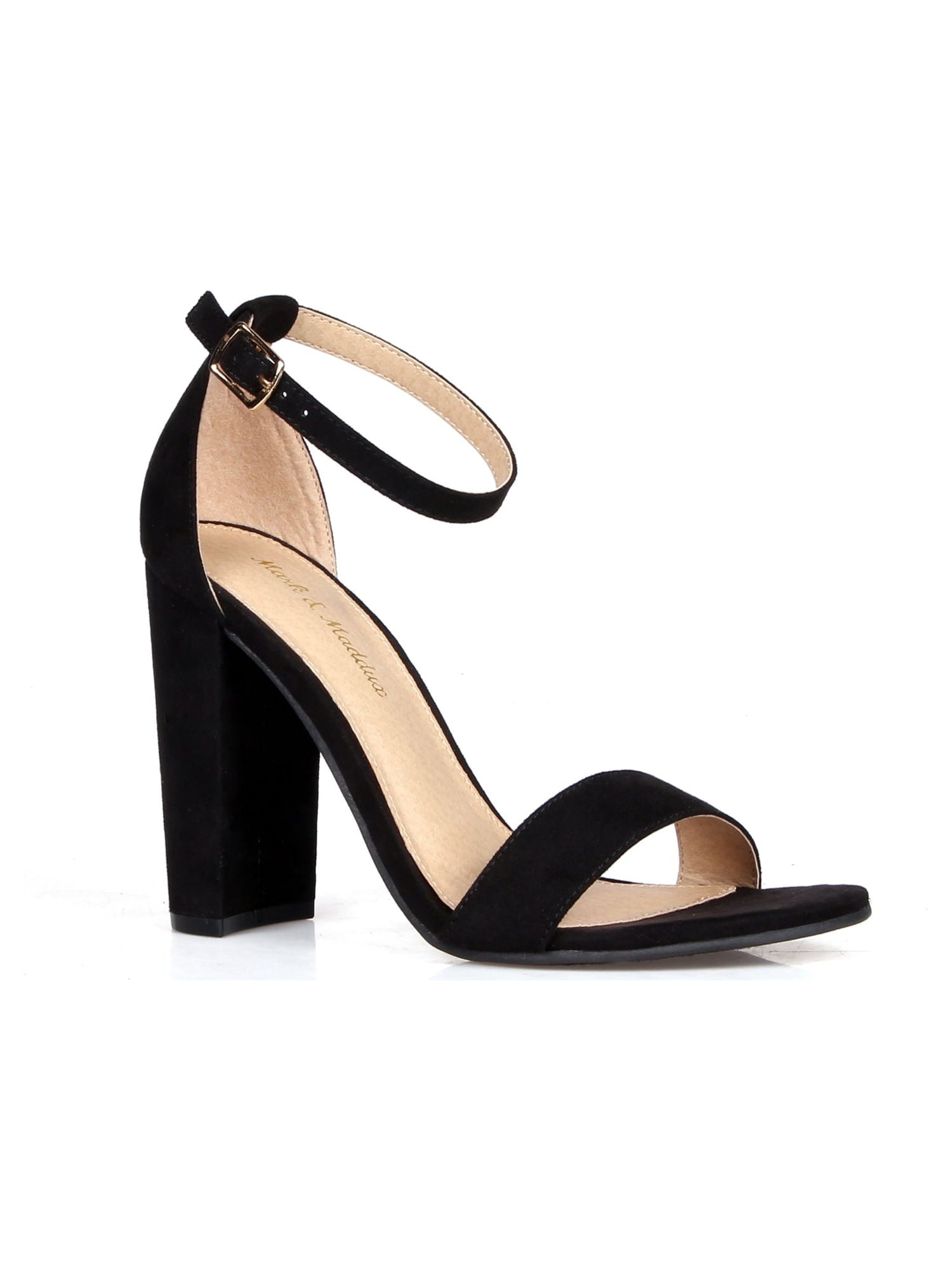
The main appeal of a chunky heel is its mix of height, style, and stability. Here are the benefits many wearers notice.
Better Balance
The broad heel base can make walking feel more controlled. This is useful when moving across hard floors, pavement, or uneven surfaces.
A Stronger Footprint
Chunky heels have visual weight. They can make an outfit look modern, bold, or slightly retro. They also balance wide-leg pants, oversized jackets, and heavy fabrics well.
More Everyday Versatility
A chunky heel works with many types of clothing. You can wear a low version with jeans or a taller pair with a dress. Boots with chunky heels also transition well from fall through winter.
More Support Than a Thin Heel
The extra width may help reduce wobbling. Some designs also include a padded footbed, rubber sole, or ankle strap for added comfort.
However, support varies by shoe. A wide heel cannot correct an unsupported arch or an unstable upper. Always judge the whole shoe, not just the heel.

Are Chunky Heels More Comfortable?
What is a chunky heel’s comfort level? In many cases, it is more comfortable than a narrow heel of the same height because it offers better stability. The difference can be noticeable when you walk for several hours.
Comfort still depends on several details:
• Heel height: Lower heels usually place less pressure on the front of the foot.


• Toe shape: A rounded or square toe gives toes more room than a pointed toe.
• Cushioning: Soft padding can reduce impact on hard floors.
• Fit: A shoe should hold your heel without squeezing your toes.
• Sole grip: A textured sole can help prevent slipping.
• Ankle support: Straps and secure uppers can improve stability.
A practical fitting test is simple. Try both shoes, stand up, and walk for several minutes. Check whether your toes grip the floor, your heel slips, or pressure builds under the ball of your foot. If it feels uncomfortable in the store, it will rarely become comfortable after a full day.

Are Chunky Heels Better for Your Feet?
A chunky heel may be a better option than a very thin heel for balance, but it is not automatically better for foot health. Any raised heel can change your posture and shift weight toward the front of your foot.
Very high heels may increase pressure on the toes and forefoot. They can also shorten the calf muscles temporarily and make the ankle less stable. Medical guidance often recommends choosing a manageable height, limiting wear time, and selecting shoes with a secure fit.
Use these practical habits:
-
Choose a lower heel for long periods of walking.
-
Look for a cushioned insole and a flexible sole.
-
Avoid shoes that force your toes into a narrow point.
-
Carry comfortable flats if you will be out for many hours.
-
Take breaks and remove the shoes if pain starts.
-
Do not ignore numbness, swelling, or sharp pain.


People with bunions, plantar heel pain, arthritis, balance issues, or other foot concerns may need advice from a qualified health professional. Shoe comfort is personal, and general style advice cannot replace an individual assessment.

Common Types of Chunky Heels
What is a chunky heel likely to look like in a store? It can appear in many forms.
Chunky Sandals
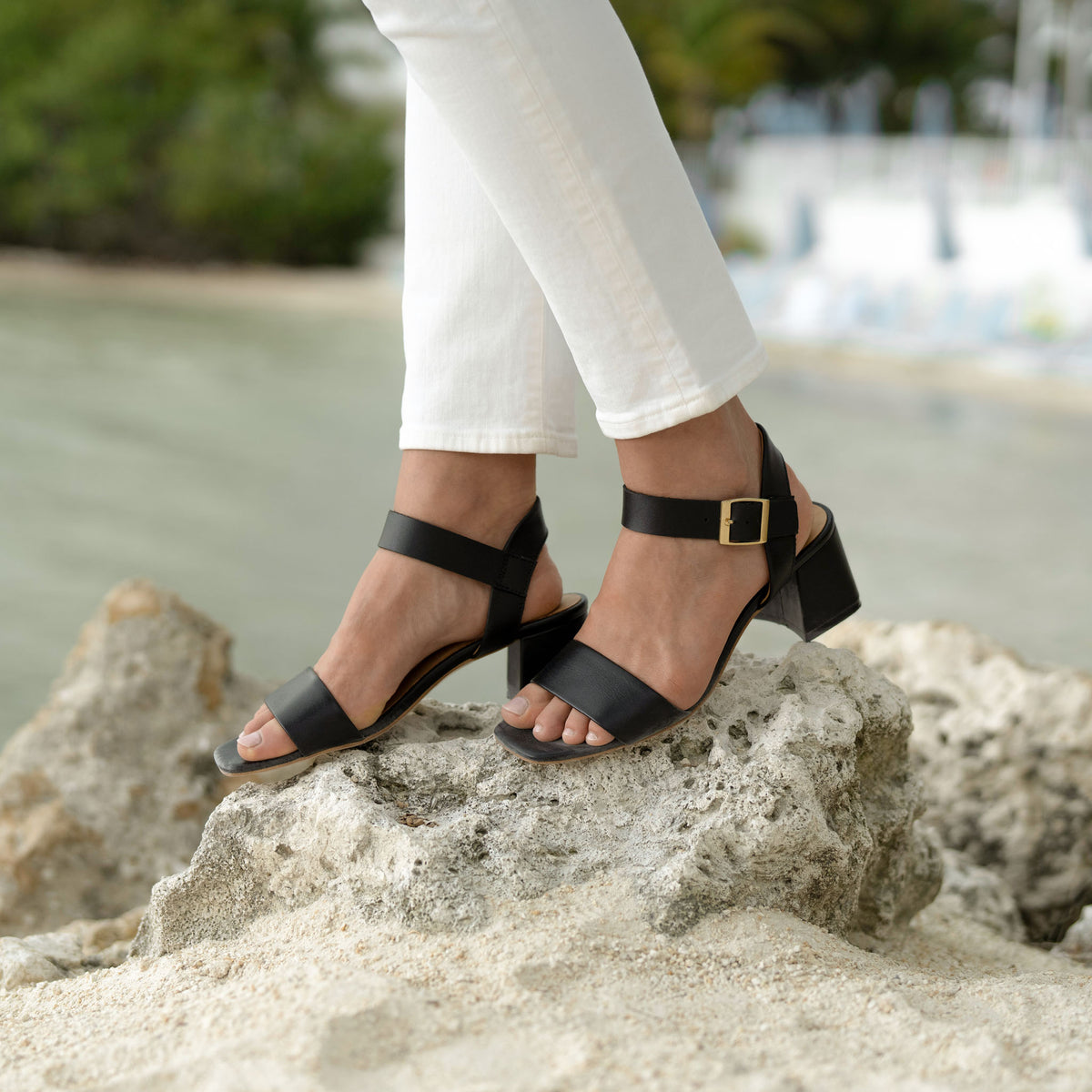
Chunky heel sandals often have an open toe and ankle strap. They work well with summer dresses, linen pants, skirts, and jeans. Look for adjustable straps that do not cut into the skin.
Chunky Pumps
Chunky pumps combine a closed toe with a thicker heel. They can suit office outfits, weddings, and evening events. A moderate heel is often easier to wear than a very tall design.
Chunky Heel Boots
Boots with chunky heels are popular because the heel adds height while matching the sturdy shape of the boot. They pair well with denim, tights, sweaters, and long coats.
Chunky Loafers
Chunky loafers usually have a thick sole and a low block heel. They offer a polished look without the height of a traditional pump. They are useful for workwear and smart casual outfits.
Chunky Platform Shoes
These shoes combine a thick heel with extra sole height under the front. They can create a dramatic look. Because platforms may feel heavy, check the shoe’s weight before buying.
How to Style a Chunky Heel
A chunky heel can look polished or casual depending on the rest of the outfit. The best styling choice often comes from balancing visual weight.
Try these combinations:
• Wear chunky ankle boots with straight-leg jeans and a tucked sweater.
• Pair chunky sandals with a flowing midi dress for a soft contrast.
• Match chunky pumps with tailored trousers for a strong office look.


• Wear chunky loafers with cropped pants to show the ankle.
• Combine black chunky heels with simple clothes when you want the shoes to stand out.
• Choose a nude or tan pair when you want a longer-looking leg line.
A useful rule is to match the shoe’s weight with the outfit. Heavy boots may look balanced with denim or a coat. A delicate silk dress may work better with a refined chunky sandal than with a thick winter boot.
Color also changes the effect. Black looks bold and classic. White can feel fresh and modern. Brown, tan, and burgundy often create a softer fall look.

How to Choose the Right Chunky Heel
When deciding what is a chunky heel for your needs, focus on fit before trend. A stylish shoe that hurts will spend most of its life in your closet.
Use this checklist:
-
Measure both feet later in the day, when feet may be slightly larger.
-
Fit the larger foot first.
-
Leave a small amount of space in front of the longest toe.
-
Make sure the heel does not lift excessively as you walk.
-
Check that the widest part of your foot sits comfortably in the shoe.
-
Test the shoe on a hard surface and a carpeted surface.
-
Look for a sole with enough grip for your usual setting.
-
Consider the shoe’s weight if you plan to walk often.
Heel height also matters. A low chunky heel may suit daily errands and work. A medium heel can add a dressier effect. A tall chunky heel may be best for shorter events, especially if the shoe has a supportive platform.
Mistakes to Avoid
One common mistake is assuming a wide heel solves every comfort problem. It improves stability, but it cannot fix a poor fit, hard footbed, or cramped toe box.
Another mistake is buying a pair without walking in it. Online photos can show the shape, but they cannot show how the shoe feels on your foot. If you shop online, review the size chart, return policy, material details, and customer comments about fit.
Avoid wearing new heels for a full event right away. Break them in at home for short periods. This helps you find rubbing points before they become painful blisters.
It is also easy to overlook the sole. A smooth sole may slide on polished floors, while a rubber outsole often provides better grip. Small details like an ankle strap, padded collar, and flexible material can make a large difference.
Who Should Wear Chunky Heels?
Chunky heels suit people who want added height with a grounded, stable look. They are a strong choice for anyone who finds very thin heels difficult to control.
They can also work well for:
• People who prefer modern or retro-inspired fashion.
• Wearers who want a versatile heel for day and evening use.
• Anyone who likes a bold shoe with casual outfits.
• People who want more visual balance with wide-leg clothing.
Still, no heel style suits every foot. If you have ongoing pain or a known foot condition, comfort should guide your choice more than fashion. A lower heel, supportive flat, or sneaker may be the better option for long days.
Frequently Asked Questions About What Is a Chunky Heel
What is a chunky heel made of?
A chunky heel may be made from wood, stacked leather, rubber, plastic, or a lightweight synthetic material. The upper can use leather, suede, fabric, or man-made materials.
Are chunky heels easier to walk in?
They are often easier to walk in than stilettos because the wider base offers more stability. Ease also depends on heel height, sole grip, fit, and ankle support.
Are chunky heels good for beginners?
A low or medium chunky heel can be a good starting point for someone new to heels. Begin with short periods of wear and choose a secure shoe with a comfortable toe box.
Can you wear chunky heels every day?
You can wear a comfortable, low chunky heel regularly if it fits well and does not cause pain. Rotate shoes when possible, and avoid wearing tall heels for long walks or extended standing.
Do chunky heels make you look shorter?
Chunky heels add height, but their thicker shape can look visually heavier than a slim heel. Choosing a shoe close to your skin tone or wearing it with long, clean lines can create a more streamlined effect.
What is the difference between a chunky heel and a block heel?
A block heel usually describes a straight, square heel shape. A chunky heel describes a thick and substantial heel, so one shoe can be both a block heel and a chunky heel.
Conclusion
What is a chunky heel? It is a thick, stable heel that adds height without the narrow base of a stiletto. Its broad shape can improve balance, create a bold fashion statement, and work across sandals, pumps, boots, loafers, and platforms.
The best chunky heel is not simply the tallest or trendiest pair. Choose one with a secure fit, enough toe room, good grip, and a height you can walk in with ease. Try these tips the next time you shop, and share your favorite chunky heel style or explore more footwear guides for practical fashion advice.

Madison Clark is a footwear expert and the voice behind MyStyleGrid.com. She specializes in honest shoe reviews, style tips, and practical guides to help readers find the perfect pair for any occasion. With years of experience in blogging and content creation, Madison makes footwear knowledge simple, stylish, and easy to follow.