Cowboy boots have pointed toes to ease stirrup entry, support riding, and reflect long-standing Western style.
The story behind why do cowboy boots have pointed toes is more interesting than it first seems. The shape grew from riding needs, older bootmaking traditions, and changing Western fashion. Still, the pointed toe is only one part of a cowboy boot. The heel, shaft, welt, leather, and fit all work together. This guide explains the history, function, benefits, limits, and best ways to choose the right toe shape.
Why Do Cowboy Boots Have Pointed Toes?
Cowboy boots have pointed toes mainly because a narrow front can help the foot slide into a stirrup. This mattered to ranch hands, cavalry riders, and working cowboys who spent long hours on horseback. A pointed toe also gave the boot a sharp, clean look that became linked with Western clothing.
However, the toe shape was not created for only one reason. Fashion, regional style, bootmaking skill, and riding habits all played a role. The answer to why do cowboy boots have pointed toes is a blend of function and tradition.
A pointed boot toe may guide the front of the foot toward the stirrup opening. Once the foot is in place, the boot heel helps keep it from sliding too far through. The heel and stirrup work as a pair, so the toe cannot be judged alone.
It is also important to avoid a common myth. Pointed toes do not automatically make a boot safer. A toe that is too narrow can squeeze the toes, cause pressure, and make walking painful. Fit matters more than the shape itself.
The basic design of a cowboy boot
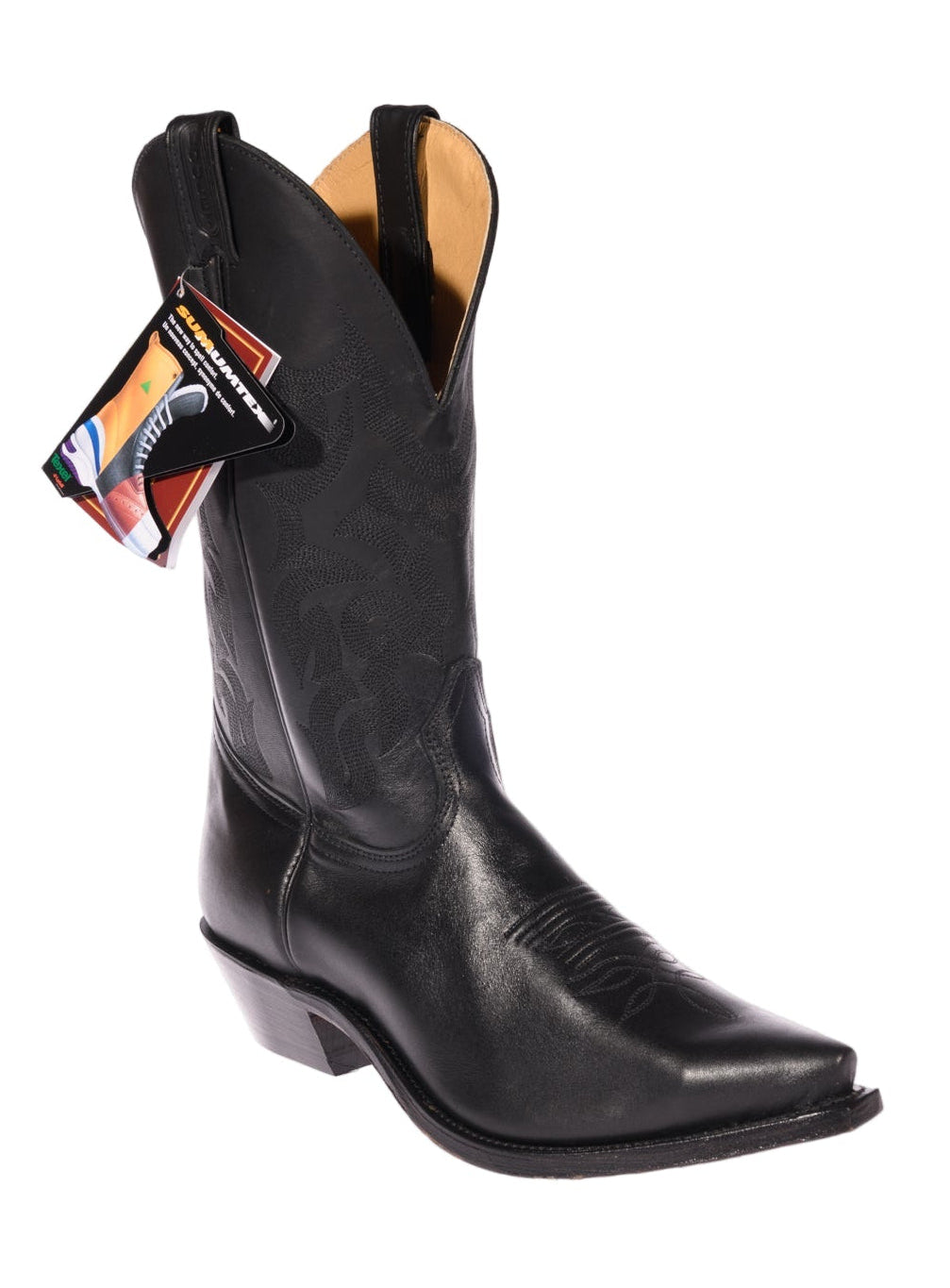
Traditional cowboy boots include several parts:
• Toe box: The front area that holds the toes.
• Vamp: The section that covers the top and sides of the foot.
• Shaft: The tall upper section that protects the lower leg.
• Heel: The raised section that helps keep the foot in the stirrup.
• Pull straps: Loops or tabs that help the wearer put on the boot.
• Welt and sole: The parts that connect and support the boot under the foot.
Each part has a job. The pointed toe may help with stirrup entry, but the riding system depends on the whole boot.
The History Behind the Pointed Cowboy Boot Toe
The modern cowboy boot developed from several older riding boots. Spanish vaquero boots strongly influenced Western boot design. European riding boots, military footwear, and work boots also shaped the styles used across North America.
Early riding boots did not all have sharply pointed toes. Many had rounded or moderately narrow fronts. Boot shapes changed over time as makers adjusted them for local work, available leather, horse gear, and customer taste.
By the late 1800s and early 1900s, the cowboy boot had become a distinct American style. Bootmakers began offering more toe shapes, including pointed, snip, round, and later square designs. Popular culture then made pointed boots even more recognizable.
So, why do cowboy boots have pointed toes when some historic riding boots did not? The answer is that the pointed style became one successful version of the cowboy boot, not the only original design.
Western films, country music, rodeos, and regional boot shops helped spread the pointed shape. A narrow toe looked dramatic under jeans and gave the boot a strong profile. Over time, that look became part of the public idea of a classic cowboy.
Historical boot collections and museum examples also show that cowboy boots have never followed one fixed pattern. Designs have changed with work, fashion, and technology. This is why modern brands can sell both very pointed boots and roomy square-toe boots under the same cowboy boot label.

How Pointed Toes Help When Riding
The main practical reason for a pointed cowboy boot toe is stirrup access. A stirrup is a metal loop that supports the rider’s foot. Its opening is often narrower than the full width of a human foot.
A tapered toe can enter the opening with less resistance. The rider can place the front of the foot into the stirrup before the wider part of the boot reaches it. This is similar to guiding a key into a lock: the narrow end finds the opening first.
The boot heel has an equally important role. A raised riding heel helps stop the foot from sliding too far through the stirrup. This feature may reduce the risk of the foot becoming caught during a fall, although no boot can remove that risk completely.
Good riding practice still matters. Riders should use suitable tack, check stirrup size, and keep the ball of the foot on the stirrup. Young riders and beginners should receive instruction from a qualified riding professional.
Pointed toes and stirrup safety
A pointed toe may make stirrup entry easier, but it should not be extremely narrow. The foot must remain comfortable and stable once inside the boot. A boot that pinches the toes can affect balance and make a long ride miserable.
For serious riding, look for:
• A firm heel with a clear riding shape.
• A sole that is not overly bulky.
• A toe box that holds the toes without crushing them.
• A heel that fits snugly and does not lift excessively.
• A smooth sole that can release from the stirrup when needed.
Some modern riding boots have round or square toes. These can work well when the stirrup is wide enough and the boot has a proper riding heel. The toe shape alone does not decide whether a boot is safe.
Is the Pointed Toe Mostly Fashion?
Today, the answer is often yes. Many people wear cowboy boots for style, work, concerts, weddings, or daily use rather than horseback riding. In these cases, the pointed toe is a visual choice.
A narrow toe gives the boot a longer, cleaner line. It can make jeans drape differently and give an outfit a classic Western feel. For many wearers, the toe shape connects them with ranch culture, country music, rodeo history, or family tradition.
Fashion also explains why do cowboy boots have pointed toes in settings far from a saddle. The design has become a cultural symbol. Like a leather jacket or a denim jacket, it can suggest a way of life even when the wearer is not doing the original work.
Still, style should not override comfort. If you plan to walk, stand, or dance for hours, choose a toe shape that gives your toes room. A beautiful boot that hurts after 20 minutes is not a good everyday boot.
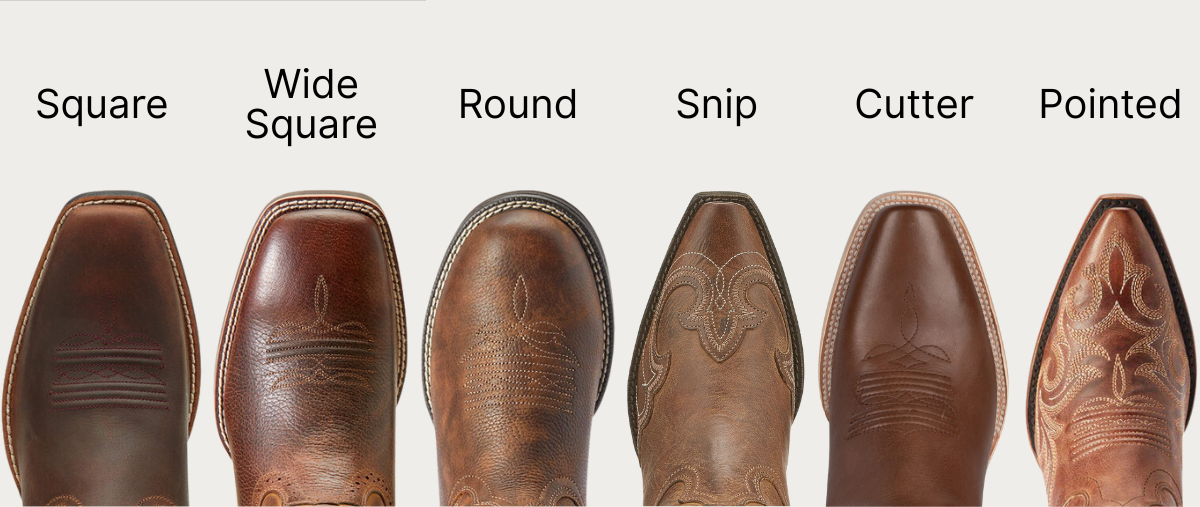
Common cowboy boot toe shapes
• Pointed toe: Narrow and classic, with a strong Western profile.
• Snip toe: Sharply tapered with a flat or clipped front.
• Round toe: More traditional and roomy than many pointed styles.
• Square toe: Offers extra space and often feels comfortable for daily wear.
• Wide square toe: Gives the most room across the front and suits many modern work boots.
The best shape depends on your foot, your activity, and your personal taste. There is no rule that says a real cowboy must wear a pointed boot.

Benefits of Pointed Cowboy Boots
Pointed cowboy boots offer several useful features when the shape matches the wearer’s foot. Their narrow front can help with stirrup entry. Their long profile also creates the traditional Western appearance many people want.
Other possible benefits include:
• Easier stirrup placement: The tapered front can enter a narrow stirrup more easily.
• Classic style: Pointed toes pair well with denim, snap shirts, vests, and Western jackets.
• Strong visual line: The shape can make the leg and foot look longer.
• Wide style range: Pointed boots are available in leather, exotic skins, embroidery, and many colors.
• Cultural connection: The design reflects a long history of ranching, riding, and Western craft.
These benefits depend on construction and fit. A poorly made pointed boot may rub the toes, crease in the wrong place, or fail to support the foot. Leather quality, footbed design, and sole construction matter just as much as the toe.
Drawbacks of Pointed-Toe Cowboy Boots
A pointed toe is not right for every foot. People with wide feet, bunions, hammertoes, or sensitive joints may find a narrow toe uncomfortable. Even people with average-width feet can feel pressure if the toe box is too short or too tapered.
Common problems include:
• Toe crowding: The toes may press together instead of spreading naturally.
• Blisters: Poor fit can create rubbing near the little toe or heel.
• Numbness: Constant pressure may cause tingling or reduced feeling.
• Foot pain: A narrow front can worsen existing foot problems.
• Break-in discomfort: Stiff leather may feel tight before it softens.
A boot should not need to “hurt until it breaks in.” Leather may soften, but it will not reliably stretch in length. If your toes touch the end, choose a different size or shape.
When considering why do cowboy boots have pointed toes, remember that historical function does not guarantee modern comfort. Today’s wearer may spend more time walking on pavement than riding a horse. That change should guide the choice.

How to Choose the Right Cowboy Boot Toe
Start with your foot, not the trend. Stand in the boots and check whether your toes can move slightly. The widest part of your foot should rest over the widest part of the boot.
Use these steps:
-
Try boots on near the end of the day. Feet often swell after hours of standing.
-
Wear the socks you plan to use with the boots.
-
Check toe space. Your toes should not press against the front or top.
-
Walk on a hard floor. Look for pinching, slipping, or rubbing.
-
Bend your foot. The boot should crease near the ball of your foot, not across your toes.
-
Check the heel. A small amount of lift can be normal in a new boot, but excessive movement is a warning sign.
-
Compare toe shapes. Try pointed, round, and square styles before deciding.
A useful fitting lesson is simple: do not buy a pointed boot just because it looks right on someone else. Foot shape varies greatly. The right boot should feel secure at the instep, comfortable at the toe, and stable at the heel.
For work or long walks, a round or square toe may be a better choice. For occasional wear, a pointed toe may be fine if it does not create pressure. For riding, focus on the heel, sole, stirrup fit, and overall stability.
Do Cowboy Boots Need Pointed Toes for Riding?
No. Cowboy boots do not need pointed toes for riding. Many riders use round-toe, snip-toe, or square-toe boots successfully.
The most important riding features are:
• A defined heel.
• A stable fit around the foot and ankle.
• A sole that can release from the stirrup.
• A toe that fits comfortably inside the stirrup.
• Proper stirrup width and riding technique.
A very wide square toe may not fit a narrow stirrup well. On the other hand, a moderately square toe can be safe with suitable equipment. Always match the boot to the stirrup instead of assuming one toe shape works for everyone.
This point helps answer why do cowboy boots have pointed toes without overstating the history. Pointed toes can be useful, but they are not a required safety feature.

Caring for Pointed-Toe Cowboy Boots
Good care helps leather boots keep their shape. Pointed toes can show creases and scuffs clearly, so regular cleaning is worthwhile.
Follow these basic care steps:
• Brush away dust after wear.
• Wipe mud off with a lightly damp cloth.
• Let wet boots dry at room temperature.
• Use a conditioner made for the leather type.
• Store boots with boot trees or clean paper inside.
• Keep boots away from heaters and direct high heat.
Do not soak leather boots unless the maker gives specific instructions. Excess water can stain leather, weaken adhesives, or change the shape. Exotic leathers need special products and gentler care.
A common mistake is using too much conditioner. Heavy oil can darken leather, soften it too much, or leave a sticky surface. Test any product on a hidden area first.

Frequently Asked Questions
Why do cowboy boots have pointed toes?
Cowboy boots have pointed toes because the tapered shape can help the foot enter a stirrup. The style also grew from Western bootmaking traditions and became a lasting fashion symbol.
Are pointed cowboy boots better for riding?
Not always. A pointed toe can help with stirrup entry, but heel shape, sole design, fit, and stirrup size are more important for safe riding.
Can pointed-toe cowboy boots be comfortable?
Yes, if the toe box is long and wide enough for your foot. They should never pinch, numb, or force the toes into an unnatural position.
What is the most comfortable cowboy boot toe shape?
Comfort depends on foot shape. Round and square toes often provide more room, while pointed toes may suit people with narrower feet.
Do cowboy boots stretch in the toe?
Leather may soften and expand slightly in width, but it will not stretch much in length. If your toes touch the front, choose a larger size or a roomier toe shape.
Are square-toe cowboy boots less authentic?
No. Square-toe boots are a modern part of Western footwear and are widely used for work and daily wear. Authenticity comes from the boot’s design, quality, and connection to Western use, not from one toe shape.
Can you wear pointed cowboy boots every day?
You can, provided they fit well and support your daily activity. If you walk or stand for long periods, choose a roomy toe box and a cushioned insole.
Conclusion
The best answer to why do cowboy boots have pointed toes is that the shape combines practical riding history with strong Western style. A tapered toe can help guide the foot into a stirrup, while the heel helps support the rider. Over time, fashion, music, film, and tradition made the pointed toe a lasting symbol of cowboy culture.
Pointed boots are not automatically better than round or square styles. Choose the toe shape that fits your foot, suits your activity, and feels stable when you walk. Try several styles, check the toe room, and never ignore pain. Explore more Western boot guides, compare trusted makers, and share your favorite cowboy boot toe shape in the comments.

Madison Clark is a footwear expert and the voice behind MyStyleGrid.com. She specializes in honest shoe reviews, style tips, and practical guides to help readers find the perfect pair for any occasion. With years of experience in blogging and content creation, Madison makes footwear knowledge simple, stylish, and easy to follow.