Your shoes may smell like cat pee because ammonia-like odors come from urine, bacteria, sweat, or harsh cleaners.
If you are asking, “why do my shoes smell like cat pee,” the answer is often more complex than one dirty sock. Ammonia forms when urine or sweat breaks down, but damp fabric, shoe glue, mildew, and cleaning products can create a very similar smell. This guide explains how to find the real cause, remove the odor safely, and stop it from coming back.
Why Do My Shoes Smell Like Cat Pee?
The most common reason shoes smell like cat pee is the presence of ammonia-like compounds. Cat urine contains waste products that can release a sharp ammonia odor as they dry and break down. Shoes can develop a similar smell when sweat, bacteria, or another source of urine sits inside warm, damp materials.
The smell may come from several places:
• A pet may have urinated on or near the shoes.
• Sweat and skin bacteria may have built up inside the shoes.
• Damp shoes may contain mildew or mold.
• A cleaner with ammonia may have left a strong chemical odor.
• Shoe glue, foam, or rubber may have broken down.
• A dirty floor, closet, mat, or laundry basket may have transferred the smell.
Shoes are especially good at holding odors because they contain layers of fabric, foam, leather, rubber, and glue. These layers act like a sponge. Wiping the outside may remove the surface smell while the deeper odor remains.

How to Tell What Is Causing the Smell
Finding the source helps you choose the right treatment. If you use the wrong product, you may cover the smell for a short time without removing it.
Start with a simple inspection:
-
Remove the insoles and laces.
-
Smell the inside, outside, tongue, heel, and insole separately.
-
Check for wet spots, yellow stains, crusty areas, or sticky residue.
-
Inspect nearby floors, rugs, pet beds, and laundry baskets.
-
Let the shoes dry fully, then smell them again.
If the smell is strongest on the insole, sweat and bacteria are likely causes. If it is strongest on one outside area, pet urine or a spill may be responsible. If the smell appears only when the shoes get warm, trapped moisture or materials inside the shoe may be releasing the odor.
A useful test is to place each shoe in a clean plastic bag for several hours. Do not seal wet shoes for a long period, as this can encourage mold. After a few hours, open one bag at a time and check whether the odor comes from the shoe or the surrounding area.
Signs of cat urine
Cat urine often has a sharp, sour, ammonia-like smell. It may leave a yellow mark, but stains are not always visible on dark shoes. The odor can become stronger in warm or humid conditions.
Signs of sweat and bacteria
Sweat odor tends to smell sour, salty, or cheesy rather than purely chemical. It is often strongest after wearing the shoes for many hours. Both feet and footwear can contribute to this problem.
Signs of mildew
mildew usually smells musty, damp, or earthy. It may appear after shoes were stored wet in a closet, gym bag, car, or basement. Small dark spots can occur, but mildew may also grow out of sight inside foam padding.

How Sweat Can Make Shoes Smell Like Cat Pee
Human sweat does not usually smell strongly when it first leaves the body. The odor develops when bacteria break down compounds in sweat, skin oil, and dead skin cells. Shoes provide warmth, moisture, and limited airflow, which creates an ideal setting for odor-causing bacteria.
The smell can seem like cat pee because both odors may contain sharp, ammonia-like notes. This does not mean your feet are producing cat urine. It means different chemical processes can create similar smells.
Several habits can increase shoe odor:
• Wearing the same shoes every day.
• Using shoes without socks.
• Wearing damp socks for long periods.
• Storing shoes in a closed gym bag.
• Failing to dry shoes after exercise or rain.
• Wearing shoes with old, absorbent insoles.
A simple prevention habit is to rotate your shoes. Give each pair at least 24 hours to dry before wearing it again. Moisture-wicking socks can also help, but they do not replace washing your feet and drying them well.
If your feet sweat heavily, consider breathable shoes, moisture-control insoles, and a foot powder made for odor control. Follow the product label, and stop using it if it causes itching, burning, or a rash.
How to Remove Cat Pee Smell From Shoes
The best method depends on the shoe material and the odor source. Always check the care label first. Test any cleaning solution on a hidden area before applying it to the whole shoe.
Step 1: Dry the shoes
Remove the insoles and laces. Place the shoes in a well-ventilated area away from direct heat. Do not use a hair dryer, radiator, or hot car to dry leather, glue, or synthetic materials. High heat can shrink shoes, damage adhesives, and set some stains.
Step 2: Clean washable fabric shoes
For canvas and many synthetic shoes, use cool or lukewarm water with a small amount of mild laundry detergent. Scrub gently with a soft brush, then rinse with a damp cloth.
Do not soak shoes for longer than needed. Excess water can move urine deeper into the foam. Stuff the shoes with plain paper to help them keep their shape, and replace the paper when it becomes damp.
Step 3: Use an enzyme cleaner for urine
An enzyme-based pet-odor cleaner is often the best choice when urine is the likely cause. Enzymes help break down organic residues instead of simply masking the smell.
Use the product exactly as directed. Some products require the affected area to stay wet for a set time. Others are not safe for leather, suede, silk, or certain dyes. Never assume a product is safe for every shoe material.
Step 4: Treat removable insoles
If the insoles still smell after cleaning, replace them. Insoles absorb sweat and urine more easily than the shoe shell. New odor-control insoles may solve the problem faster than repeated washing.
Step 5: Clean leather and suede carefully
Do not flood leather or suede with water or enzyme cleaner unless the product label specifically allows it. Blot the area, use a material-safe cleaner, and allow the shoe to dry naturally. Suede may need professional cleaning if the odor has reached the inner lining.
What Not to Use on Smelly Shoes
Some popular odor remedies can damage shoes or create a safety risk. Avoid using several strong products at once.
Never mix bleach with ammonia or ammonia-like cleaners. This can create dangerous gases that irritate the eyes, throat, and lungs. Also avoid mixing bleach with vinegar, alcohol, or other household cleaners.
Be careful with these common methods:
• Essential oils may mask odor but do not remove urine or bacteria.
• Heavy perfume can combine with ammonia and smell worse.
• Strong bleach can discolor fabric and weaken fibers.
• Excessive baking soda may leave powder deep inside foam.
• Steam can damage leather, suede, glue, and some synthetic materials.
• Washing machines can harm structured shoes, foam, and adhesives.
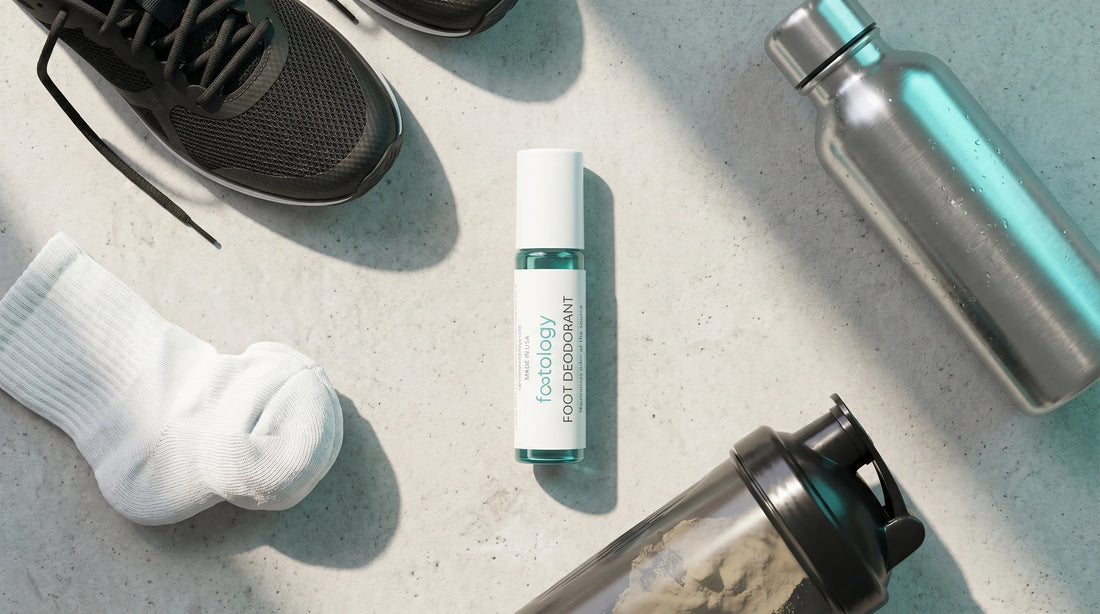
Baking soda can help absorb mild odor in dry shoes. Sprinkle a small amount inside, leave it overnight, then shake or vacuum it out. It is not a substitute for enzyme treatment when urine is present.
Activated charcoal bags may also reduce general odor. They work best after the shoes are clean and dry. They cannot remove a urine residue that remains inside the material.
How to Stop the Smell From Coming Back
Removing the current odor is only half the job. You also need to control moisture and prevent new contamination.
Use this routine:
-
Air out shoes after every wear.
-
Remove insoles so both sides can dry.
-
Rotate between at least two pairs.
-
Wash socks after each use.
-
Keep shoes off damp floors.
-
Store shoes in a ventilated place.
-
Clean gym bags, mats, and shoe racks often.
-
Treat pet accidents on nearby surfaces, not only the shoes.
If a cat has urinated on your shoes more than once, store them inside a closed cabinet or container that the cat cannot access. Clean the area where the shoes were kept with a pet-safe enzyme product. Cats may return to places that still carry a urine scent, even when people can no longer smell it.
Do not punish a cat for urinating outside the litter box. Sudden accidents can relate to stress, litter-box problems, or health issues. A veterinary check is wise if the behavior is new, repeated, or linked with straining, blood, frequent urination, or signs of pain.

When to Replace the Shoes
Sometimes the most practical answer to why do my shoes smell like cat pee is that the odor has become trapped too deeply to remove.
Consider replacing the shoes when:
• The smell returns after several full cleanings.
• The foam or insole remains damp.
• There is visible mold that cannot be safely removed.
• The shoes are cracked, damaged, or breaking down.
• The odor causes headaches, nausea, or breathing discomfort.
• Pet urine has soaked through several inner layers.
A new pair may cost less than repeated cleaning attempts. If you keep the old shoes, do not donate them while they still smell. Odor can transfer to another person’s home or closet.
For expensive leather, athletic, or specialty shoes, a professional cleaner may be able to remove the odor without harming the material. Ask what methods and products they use before paying for the service.

Health and Safety Considerations
A brief odor from shoes is usually not dangerous, but strong fumes can irritate the nose, eyes, skin, and airways. This is especially important for children, people with asthma, and anyone sensitive to cleaning chemicals.
Move smelly shoes outdoors or to a well-ventilated area. Wear gloves when handling suspected urine. Wash your hands after cleaning, and keep pets and children away from wet cleaning products.
Do not use ozone machines in occupied rooms. Ozone can irritate the lungs and damage rubber, elastic, dyes, and other shoe materials. Fragrance sprays can also worsen indoor air quality without solving the source.
If you develop skin irritation, wheezing, severe coughing, or eye pain after cleaning, leave the area and seek medical advice. For repeated foot odor with itching, peeling, cracks, or sores, speak with a health professional. Athlete’s foot and other skin conditions can increase odor and need proper treatment.
Common Mistakes People Make
One mistake is spraying deodorizer and wearing the shoes again before they are dry. This traps moisture and gives bacteria a better place to grow. Another mistake is cleaning only the visible stain while ignoring the insole, tongue, and inner lining.
Many people also assume that a washing machine will solve everything. It may clean some canvas shoes, but it can damage running shoes, leather, suede, glued soles, and shoes with shape-retaining foam.
A lesson often repeated in shoe-care work is simple: find the source before choosing the product. A mild fabric wash may help sweat odor, while an enzyme cleaner may be needed for urine. Treating the wrong cause wastes time and may make the smell harder to identify.
Frequently Asked Questions
Why do my shoes smell like cat pee after washing?
Washing may remove surface dirt but leave odor trapped in the insole, foam, or inner lining. It can also leave the shoe damp, allowing bacteria to grow. Dry the shoes fully and consider replacing the insoles or using a material-safe enzyme cleaner.
Can human sweat make shoes smell like cat pee?
Yes, sweat and bacteria can create a sharp, ammonia-like odor that resembles cat urine. The smell is more likely when shoes stay warm and damp or are worn many days in a row.
How can I remove cat urine smell from sneakers?
Remove the laces and insoles, then use a cleaner labeled as enzyme-based and safe for the sneaker material. Follow the label, rinse or wipe as directed, and let the shoes dry fully in a ventilated place.
Should I throw away shoes that smell like cat pee?
Not always. Washable shoes with mild odor can often be saved, but shoes soaked through with urine, mold, or damaged foam may not be worth restoring. Replace them if the smell returns after proper treatment.
Is it safe to use bleach on shoes that smell like urine?
Bleach can damage fabric and may create dangerous fumes if it contacts ammonia or other cleaners. Avoid mixing cleaning products, and choose a material-safe enzyme cleaner when urine is suspected.
Why do my shoes smell worse when they get wet?
Water can reactivate odor compounds trapped in fabric, foam, or glue. Wet shoes also provide the moisture bacteria and mildew need, so the smell may become stronger until the shoes are cleaned and dried.
Conclusion
The answer to why do my shoes smell like cat pee may be pet urine, sweat bacteria, mildew, cleaning chemicals, or aging shoe materials. Start by locating the strongest odor, remove the insoles, clean according to the shoe material, and dry everything completely.
Use an enzyme cleaner for suspected urine, avoid mixing household chemicals, and replace deeply contaminated insoles when needed. With better airflow, shoe rotation, clean socks, and proper storage, you can keep that sharp odor from returning. Try these steps today, and share your experience or cleaning method in the comments.

Rubel Miah is the Senior Editor at MyStyleGrid.com, where he brings a sharp editorial eye and an unshakable love for fashion to everything he does. A true style addict, Rubel lives and breathes trends, from streetwear to high fashion, and has a knack for turning inspiration into impactful stories. With years of experience in fashion journalism and digital media, he curates content that empowers readers to express themselves through style. When he’s not editing features or forecasting the next big thing, you’ll find him hunting down vintage pieces or capturing street style moments around the city.