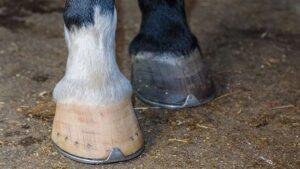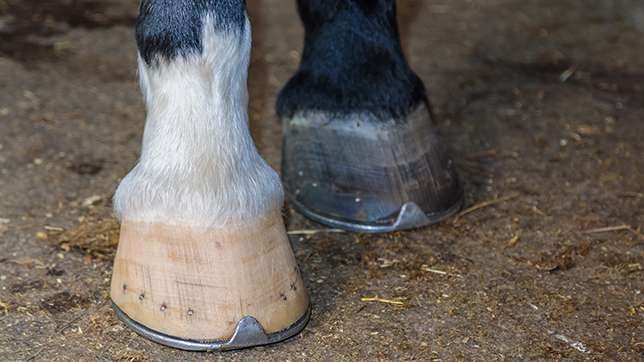
We shoe horses to protect their hooves, improve comfort, and support safe work on hard or uneven ground.
The question “why do we shoe horses” has a practical answer rooted in hoof health, workload, terrain, and individual need. This guide explains how horseshoes work, when horses need them, when they may not, and how good farriery helps prevent pain and injury.
What Does Shoeing a Horse Mean?
Shoeing a horse means fitting a shaped piece of metal, plastic, or another material to the outer wall of the hoof. A trained farrier trims and balances the hoof, then attaches the shoe with special nails or adhesive.
The shoe sits on the hoof wall, not on the sensitive inner tissues. When fitted well, it should not hurt the horse. The hoof wall is similar to a human fingernail because it has little to no feeling in the outer portion.
To understand why do we shoe horses, it helps to understand the hoof. A horse’s hoof has several key parts:
• Hoof wall: The hard outer layer that carries much of the horse’s weight
• Sole: The lower surface that helps protect the inner foot
• Frog: The soft, triangular structure that helps absorb shock and support circulation
• White line: The junction between the hoof wall and the inner hoof structures
• Coffin bone: The main bone inside the hoof
A horseshoe adds protection to the hoof wall and helps reduce wear. It can also change how the foot meets the ground, which may support a horse with an injury, imbalance, or movement problem.

Why Do We Shoe Horses?
The main reason is simple: domesticated horses often face more work and harder surfaces than their hooves can handle. Wild horses may travel many miles each day over mixed ground, allowing their hooves to wear and strengthen at a steady rate. A working horse may instead spend hours on roads, rocky trails, arenas, or packed soil.
Here are the most common reasons why do we shoe horses:
To Prevent Excessive Hoof Wear
A horse’s hoof grows continuously, much like a human fingernail. If the hoof wears faster than it grows, the wall may become short, thin, cracked, or painful.
Shoes act as a wear barrier. They help the hoof grow without being worn away too quickly. This is especially useful for horses that work on asphalt, gravel, concrete, or abrasive arena footing.
To Improve Traction
Some horses need extra grip when they work, compete, or travel over slippery ground. A properly selected shoe can improve traction on grass, mud, packed dirt, or winter surfaces.
Extra traction must be used with care. Too much grip can stop the hoof from sliding naturally and place more strain on joints, tendons, and ligaments. The farrier should match the shoe to the horse’s work and footing.
To Protect a Weak or Damaged Hoof
A horse with thin soles, hoof cracks, bruising, or wall damage may need protection while the hoof heals. A shoe can help spread weight across a wider area and reduce pressure on a painful section.
Some horses need pads, bar shoes, or other specialty designs. These devices should be used for a clear reason and checked often, since poor fitting can create new pressure points.
To Correct or Support Movement
Corrective shoeing can help manage certain conformational or movement problems. A farrier may adjust the shoe’s shape, breakover point, or support area to reduce stress on a specific part of the limb.
This work should involve both a veterinarian and a qualified farrier when pain or lameness is present. Shoeing alone cannot cure every problem, and an incorrect change may make a horse worse.
To Help a Horse Recover From Injury
Some horses need therapeutic shoes after an injury or during treatment for conditions such as laminitis, navicular-related pain, or tendon strain. The shoe may support the hoof, reduce force on damaged tissues, or alter how the foot loads the ground.
The correct design depends on the diagnosis. A shoe that helps one horse may harm another, so owners should avoid copying a shoeing plan without professional advice.

Do All Horses Need Shoes?
No. Not every horse needs shoes, and some horses do well barefoot. The choice depends on hoof quality, workload, terrain, health, conformation, and the horse’s comfort.
A barefoot horse still needs regular trimming. Going without shoes does not mean ignoring the feet. The farrier must maintain a balanced shape and remove excess hoof growth before it causes cracks or changes in movement.
A horse may do well barefoot when:
• The hoof wall is strong and grows at a healthy rate
• The horse works on soft or natural ground
• The horse remains comfortable during exercise
• The hoof does not wear faster than it grows
• The horse has no condition that needs added support
A horse may benefit from shoes when:
• It works often on hard or rough ground
• Its feet wear down faster than they grow
• It has thin soles or repeated hoof bruising
• It needs better traction for a specific job
• It has a diagnosed hoof or limb problem
• It cannot stay comfortable barefoot
The best answer to why do we shoe horses is not the same for every animal. Shoeing should be based on need, not habit or appearance.
Horseshoes Versus Barefoot Trimming
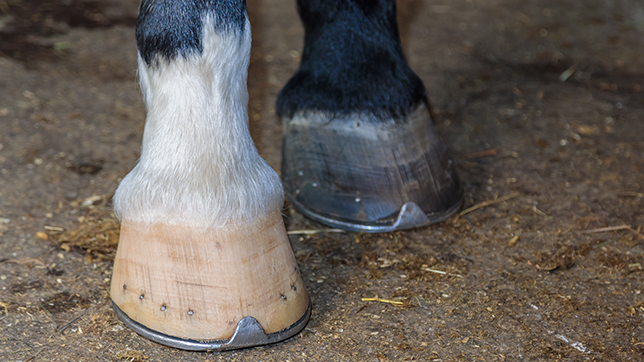
Barefoot trimming and shoeing both aim to keep the hoof balanced and comfortable. Neither method is automatically right for every horse.
With barefoot care, the hoof meets the ground directly. This may support natural movement and sensory feedback. However, a barefoot hoof can wear too quickly on harsh ground, especially when the horse is ridden often.
With shoes, the hoof gets extra protection and may receive specific support. The tradeoff is that shoes require careful fitting, regular resets, and close monitoring for loose nails, shifted shoes, or trapped debris.
A simple comparison looks like this:
| Factor | Barefoot care | Shoeing |
|---|---|---|
| Hoof protection | Depends on natural hoof strength | Adds protection from wear |
| Traction | Depends on the natural hoof and ground | Can be adjusted for the job |
| Maintenance | Needs regular trimming | Needs trimming and shoe resets |
| Cost | Often lower, but varies | Usually higher due to materials and labor |
| Special support | Limited without boots or pads | Many therapeutic options |
| Risk | Cracks or soreness if the hoof wears too much | Nail, fit, or pressure problems if poorly done |
Some owners use hoof boots instead of permanent shoes. Boots can provide temporary protection during rides while allowing the horse to remain barefoot at other times. They must fit well and stay clean to prevent rubbing.
How Does a Farrier Shoe a Horse?
A farrier usually follows a careful process. The exact steps vary with the horse, shoe type, and reason for shoeing.
- The farrier examines the horse
The farrier watches the horse walk and may assess posture, limb alignment, hoof shape, and signs of pain. A veterinarian may be involved if the horse is lame or has a medical condition.
- The old shoe is removed
The farrier removes the old shoe and checks the hoof for bruising, cracks, abscesses, loose nails, or infection. This step often reveals problems that were hidden under the shoe.
- The hoof is trimmed
The farrier removes excess wall and balances the hoof. The goal is not to make every hoof look identical. Each foot must be shaped to suit the horse’s anatomy and movement.
- The new shoe is selected and shaped
The shoe is chosen based on the horse’s size, work, hoof condition, and footing. The farrier may shape it cold or heat it before fitting it to the hoof.
- The shoe is fitted
The shoe should support the hoof without pressing into sensitive areas. It should also allow normal heel movement and provide the right amount of protection.
- The shoe is attached
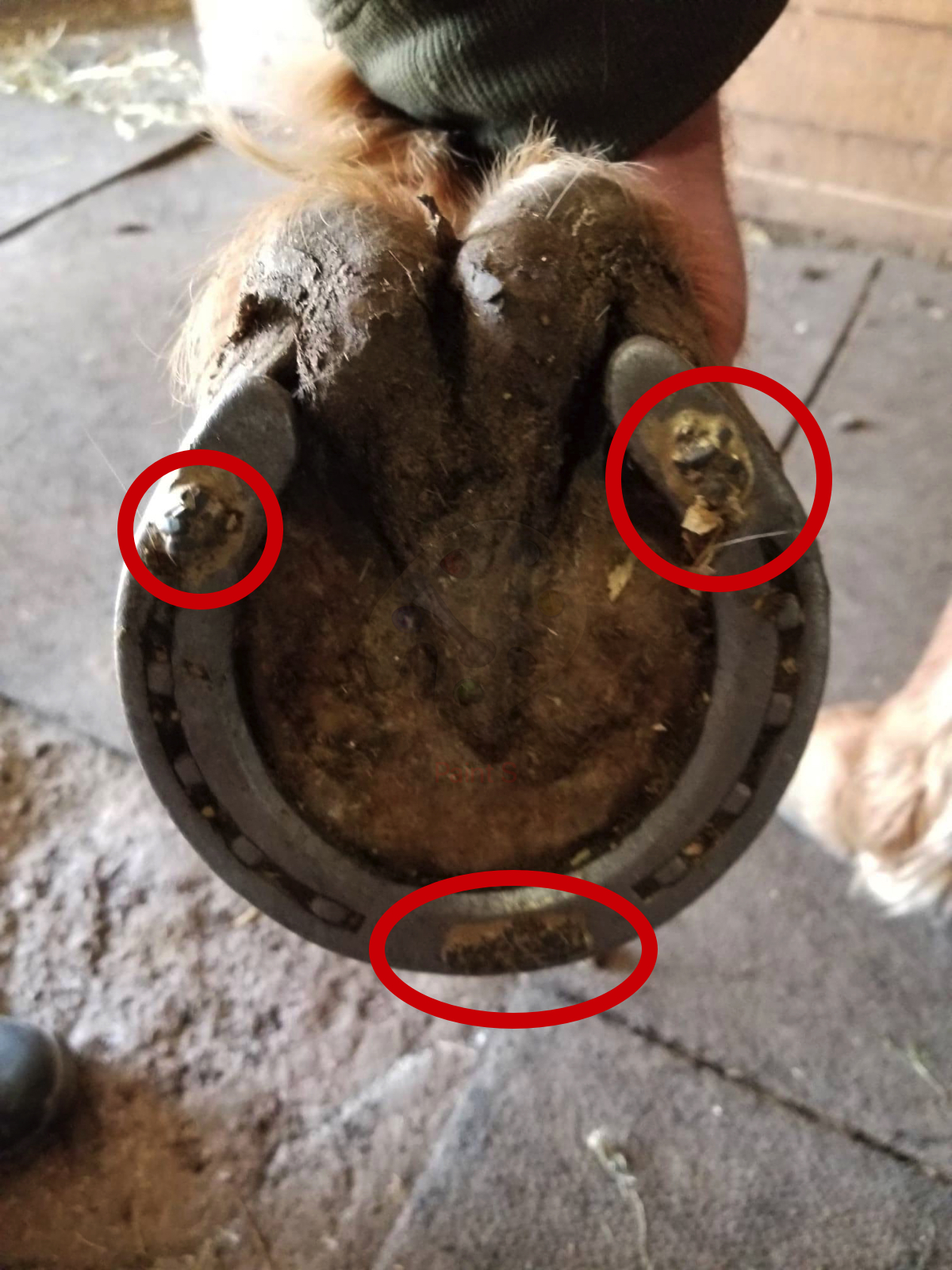
Most traditional shoes are attached with nails placed in the insensitive hoof wall. The nail ends are then clinched and smoothed.
- The horse is checked again
The farrier checks the hoof from the side, bottom, and front. The horse may also be walked to assess balance and comfort.
Good shoeing is precise work. A few millimeters in the wrong place can affect how force moves through the hoof and leg.

Common Types of Horseshoes
Different horses need different shoe designs. The shoe should solve a clear problem rather than serve as decoration.
Standard Keg Shoes
These are common shoes used for general riding and work. They provide protection and may improve traction on selected surfaces.
Front and Hind Shoes
Front feet often carry more weight and may need a different shape from hind feet. Hind shoes may include features that support propulsion and reduce slipping.
Bar Shoes
A bar shoe connects the heels with a solid section. It can add support to the back of the hoof and may be used for certain injuries or hoof conditions.
Heart-Bar Shoes
A heart-bar shoe includes support for the frog. It is sometimes used in cases of laminitis, but it must be fitted with great accuracy. Too little pressure may fail to help, while too much can cause pain.
Egg-Bar Shoes
An egg-bar shoe extends behind the heel and can provide extra support. Farriers may use it for some heel, tendon, or hoof support needs.
Shoes With Pads
Pads can protect thin soles or reduce contact with rough ground. They may also trap moisture and dirt, so the hoof needs frequent inspection.
Glue-On Shoes
Glue-on shoes may help horses with weak hoof walls or situations where nail placement is not suitable. They can be useful, but they require careful preparation and regular checks.

How Often Do Horses Need New Shoes?
Many shod horses need a trim and shoe reset every four to eight weeks. The exact schedule depends on hoof growth, season, workload, age, climate, and the type of shoe.
Young horses and horses with fast hoof growth may need more frequent care. A horse with slow growth may go slightly longer, but waiting too long can cause imbalance even when the shoes still appear secure.
Watch for these signs that a horse needs attention:
• A shoe is loose, shifted, or missing
• Nails are rising from the hoof wall
• The hoof wall is overgrowing the shoe
• The horse is stumbling or moving differently
• A crack is spreading
• The horse becomes short-strided or sore
• Dirt or moisture is packed under a pad
A loose shoe should not be ignored. A horse can step on it, pull it off, or injure the hoof. Contact the farrier instead of trying to hammer the shoe back into place.

Risks and Limitations of Shoeing
Shoeing can help a horse, but it is not risk-free. The quality of the result depends on the horse, the farrier, the shoe, and the maintenance plan.
Possible problems include:
• Nail sensitivity or accidental contact with sensitive tissue
• A shoe that is too tight or too small
• Heel contraction or reduced natural expansion
• Hoof cracks caused by imbalance or long intervals
• Lost shoes and pulled hoof wall
• Trapped moisture, manure, or bacteria under pads
• Excess traction that increases strain higher in the limb
• Pain caused by an unsuitable therapeutic design
Research and clinical experience support careful, individualized hoof care, but no single shoeing system has been proven best for every horse. Owners should judge success by comfort, soundness, hoof quality, and movement rather than by a fashionable method.
A key lesson from routine horse care is to address small changes early. A slight shift in gait, a warm hoof, or a new crack may seem minor, but early action can prevent a long recovery.

Practical Tips for Horse Owners
Owners play an important role between farrier visits. Daily observation helps catch problems before they become serious.
Use this simple routine:
-
Pick out each hoof at least once a day.
-
Check for stones, loose shoes, foul odor, cracks, and heat.
-
Watch the horse walk on a firm, level surface.
-
Keep stalls and paddocks as clean and dry as practical.
-
Tell the farrier about changes in work, footing, or behavior.
-
Keep a record of trim and shoeing dates.
-
Use a qualified farrier who communicates clearly.
Never assume a horse is fine because it is not limping badly. Horses often hide discomfort, and mild pain may appear as reluctance to move, shortened steps, pinned ears, or changes in attitude.
Do not pull off a shoe unless a professional has advised you or the shoe is creating an immediate danger. Removing it incorrectly can tear the hoof wall.

Signs a Horse May Be Uncomfortable
A horse may show discomfort in ways that are easy to miss. Pay attention to behavior as well as obvious lameness.
Possible signs include:
• Hesitation on hard ground
• Frequent stumbling
• Refusal to pick up a foot
• Short, choppy steps
• Reluctance to turn
• Uneven wear on the shoes
• Heat in the hoof
• A stronger digital pulse
• Shifting weight from one foot to another
• Sudden resistance during riding
These signs do not identify the cause by themselves. A hoof abscess, stone bruise, laminitis, joint pain, or poor shoe fit can look similar. A veterinarian should assess sudden, severe, or worsening pain.
Frequently Asked Questions About Why Do We Shoe Horses
Why do we shoe horses instead of leaving them barefoot?
We shoe horses when their hooves wear faster than they grow, when they need more traction, or when a hoof or limb condition requires support. Horses that remain comfortable and sound barefoot may not need shoes.
Does shoeing a horse hurt?
Proper shoeing should not hurt because nails are placed in the insensitive hoof wall. Pain can occur if a nail is misplaced, the shoe is poorly fitted, or an existing hoof problem is overlooked.
How long can a horse go without shoes?
A horse can go without shoes if its hooves remain strong, balanced, and comfortable for its work and terrain. Some horses transition gradually, while others need hoof boots or shoes to avoid soreness.
How often should a shod horse see a farrier?
Most shod horses need farrier care about every four to eight weeks. The best schedule depends on hoof growth, season, workload, shoe type, and the horse’s health.
Can horseshoes cause problems?
Yes. Poor fit, long gaps between visits, lost shoes, excessive traction, and incorrect therapeutic designs can cause hoof or limb problems. Regular checks and skilled farrier care reduce these risks.
Are horseshoes used only for working horses?
No. Horseshoes may also help retired horses with thin soles, weak walls, pain, or chronic hoof conditions. The decision should be based on comfort and health, not only on workload.
What should I do if my horse loses a shoe?
Keep the horse on safe, soft footing and contact the farrier. Do not ride until the hoof has been checked, especially if the shoe has pulled away part of the hoof wall.
Conclusion
Why do we shoe horses? We shoe them to protect hoof tissue, limit wear, improve traction, and provide support when a horse’s feet or limbs need extra help. Yet shoes are not a universal requirement, and barefoot care can work well for horses with healthy hooves and suitable living conditions.
The safest approach is individual care based on soundness, hoof quality, workload, terrain, and professional assessment. Check your horse’s feet often, keep farrier visits consistent, and respond quickly to changes in comfort or movement. Talk with a qualified farrier and veterinarian to create a plan that fits your horse, then share your experience or questions with other horse owners.

Rubel Miah is the Senior Editor at MyStyleGrid.com, where he brings a sharp editorial eye and an unshakable love for fashion to everything he does. A true style addict, Rubel lives and breathes trends, from streetwear to high fashion, and has a knack for turning inspiration into impactful stories. With years of experience in fashion journalism and digital media, he curates content that empowers readers to express themselves through style. When he’s not editing features or forecasting the next big thing, you’ll find him hunting down vintage pieces or capturing street style moments around the city.