Shoes are expensive because materials, skilled labor, technology, shipping, retail costs, and brand value all raise the final price.
If you have ever held a $200 pair of sneakers and wondered why shoes are so expensive, you are not alone. The price often reflects far more than rubber, fabric, and a logo. It can include design work, factory labor, testing, marketing, import costs, store overhead, and years of research.
This guide explains the full shoe pricing process in simple terms. It also shows when a high price may be justified, when it may be mostly branding, and how to choose shoes that offer real value.
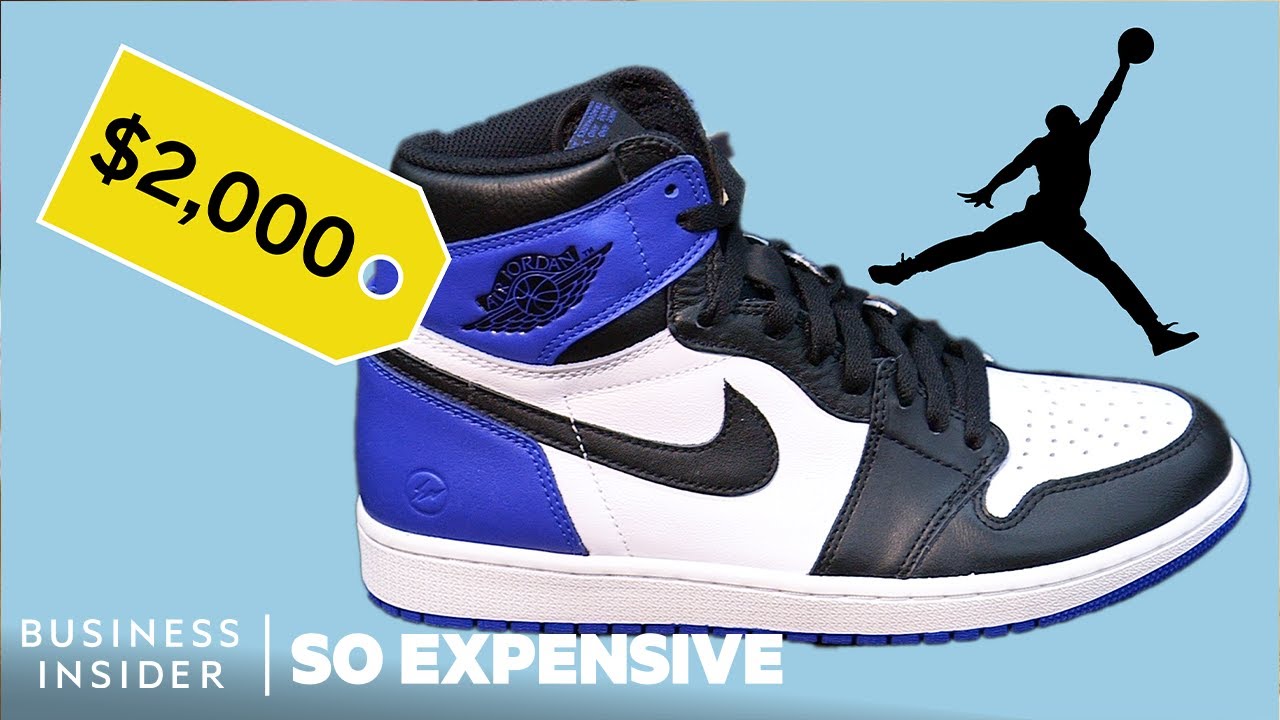
Why shoes are so expensive
The short answer to why shoes are so expensive is that a shoe is a small, complex product with many hidden costs. A single pair may pass through designers, material suppliers, factories, shipping firms, distributors, retailers, and marketing teams before reaching you.
A $150 shoe does not mean the factory made $150 from it. The price is divided across the entire supply chain. Each business adds a cost to cover its work, risk, and profit.
Common costs include:
• Materials such as leather, foam, rubber, mesh, thread, and adhesives
• Skilled workers and factory wages
• Product design and testing
• Packaging and shipping
• Import duties and taxes
• Wholesale and retail markups
• Advertising, athlete deals, and sponsorships
• Returns, damaged stock, and unsold inventory
The price also changes based on the type of shoe. A basic canvas sneaker has a very different cost structure from a running shoe with a carbon plate, advanced foam, and a custom fit.
The cost of shoe materials
Materials are one of the clearest reasons why shoes are so expensive. The upper, midsole, outsole, lining, laces, insole, and glue must work together. Each part affects comfort, durability, weight, and performance.
Leather can cost more than synthetic fabric because it needs careful selection, tanning, cutting, and finishing. Full-grain leather often lasts longer, but the quality can vary. Some expensive leather shoes also require more handwork than mass-produced shoes.
Performance shoes use special materials for a reason. Examples include:
• Ethylene-vinyl acetate foam for soft cushioning
• Thermoplastic polyurethane for support and durability
• Carbon fiber plates for stiffness and energy transfer
• Waterproof membranes that block water but allow some vapor to escape
• Engineered mesh that balances airflow and structure
• High-abrasion rubber for better grip and longer wear
These materials may improve a shoe, but they do not always improve it for every person. A trail runner may need strong rubber and protection. Someone who walks on sidewalks may gain little from the same features.
Material waste also affects the final cost. Shoe patterns must be cut from large sheets or hides. Some pieces cannot be used because of flaws or shape limits. Better factories may reduce waste, but advanced cutting systems and quality checks can require more investment.

Labor and craftsmanship raise the price
Labor is another major part of why shoes are so expensive. Shoes may look simple, but many models require dozens of steps. Workers cut materials, stitch uppers, shape parts, attach soles, inspect seams, and package the finished pair.
A handmade dress shoe can take many hours to produce. The maker may shape the leather over a last, stitch the upper, build the sole, polish the surface, and check the fit. That work is very different from automated production.
Even factory-made shoes need trained workers. A small mistake can lead to loose stitching, uneven soles, poor balance, or discomfort. Higher quality control often means more time per pair.
Wage levels also vary by country and factory. A low price may come from lower labor costs, high production volume, or simpler construction. It does not automatically mean the workers are treated well or poorly. The public often lacks full visibility into factory conditions, so claims about ethical production should be checked carefully.
Fair wages, safer workplaces, and better benefits can increase production costs. That increase may be a positive sign, but a high retail price alone does not prove that workers received more money.
Research, design, and testing
Modern shoes often require extensive research. Brands may test foam density, grip, flexibility, impact, heat, moisture, and long-term wear before launching a model.
Running shoes offer a good example. A brand may test:
• How the shoe bends during a stride
• How the foam responds after repeated compression
• How the outsole performs on wet surfaces
• How different foot shapes fit the design
• Whether the upper stays secure during movement
• How the shoe performs after many miles
This process costs money even when the final shoe looks plain. The cost is spread across the pairs that sell. If a model has low sales, the research cost may make each pair more expensive.
Designers also spend time solving practical problems. They may try to make a shoe lighter without making it weaker. They may add support without making it stiff. They may improve comfort without creating too much heat.
This is one reason why shoes are so expensive in specialized categories. A safety boot, hiking shoe, or medical walking shoe must meet needs that a basic fashion sneaker does not.
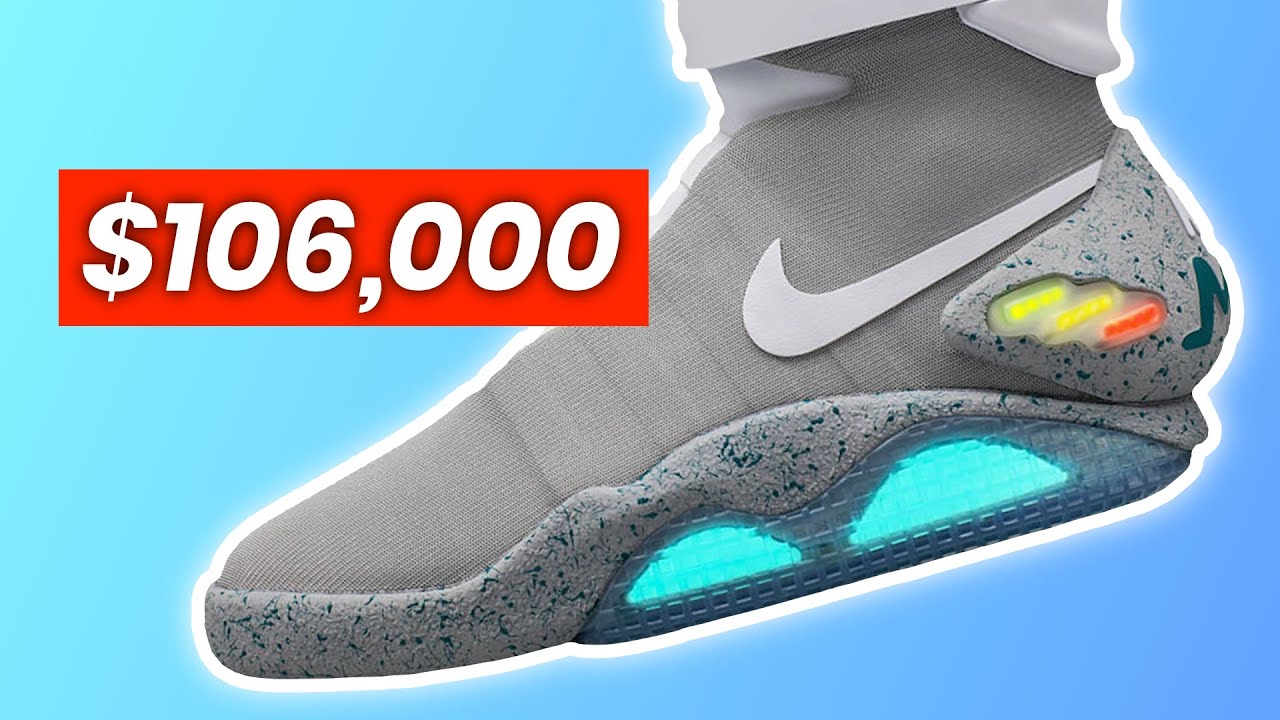
Brand names and marketing add a large premium
Brand value is a major reason why shoes are so expensive. Famous brands spend heavily on advertising, athletes, musicians, events, stores, social media, and product launches.
A shoe connected to a popular athlete may sell for more because buyers want the story as well as the product. Limited releases can create urgency. A familiar logo can also make shoppers feel more confident about quality, even when the technical differences are small.
Marketing is not always useless. A strong brand may offer better design teams, clearer warranties, more consistent sizing, or stronger quality control. However, branding can also raise the price beyond the practical value of the shoe.
A useful question is this: are you paying for performance, construction, or status?
For example, a $180 running shoe may include advanced foam and strong testing. A $180 lifestyle sneaker may use simpler materials but gain value from design, rarity, or cultural appeal. Both can be worth the price to different buyers, but they offer different forms of value.
Retail markups and the shoe supply chain
The retail system explains much of why shoes are so expensive. A pair may move from a material supplier to a factory, then to an importer, distributor, wholesaler, and store.
Every step adds expenses. A physical store must pay for:
• Rent and utilities
• Employee wages
• Inventory storage
• Security
• Insurance
• Payment processing
• Returns and exchanges
• Unsold products and seasonal discounts
Online sellers avoid some store costs, but they still pay for warehouses, website operations, shipping, customer service, and returns. Free shipping is not truly free. Its cost is built into the product price or absorbed by the seller.
Retail pricing also accounts for discounts. A store may set a shoe at $120 while expecting to sell some pairs at $90 or less. The original price helps cover the risk of unsold stock.
Direct-to-consumer brands can sometimes charge less by removing middlemen. Yet lower distribution costs do not guarantee better quality. Always compare the materials, construction, warranty, and return policy.

Import duties, taxes, and shipping
International trade is another answer to why shoes are so expensive. Many shoes are made in one country, use materials from several others, and are sold around the world.
Costs may include:
• Ocean or air freight
• Port and warehouse fees
• Import duties
• Customs processing
• State and local taxes
• Currency changes
• Fuel and labor costs
Import duties vary by product type and country of origin. Shoes can also face different rates based on their materials, construction, and intended use. These charges are included in the business cost and may influence the final price.
Shipping became more expensive during periods of supply chain disruption. Delays, container shortages, and higher fuel costs pushed up prices for many goods, including footwear. Even when shipping prices fall, brands may keep prices steady to protect margins or cover other rising costs.
Country of origin labels can help you understand where final assembly took place. They do not always show where every material came from or how much labor happened in each location.
Technology can make shoes cost more
Technology explains why shoes are so expensive in performance categories. Brands invest in new cushioning systems, stability parts, plates, sensors, and manufacturing methods.
A high-end running shoe may use foam that is lighter and more springy than older foam. A basketball shoe may use a special traction pattern and sidewall support. A hiking boot may combine waterproof layers with a stiff shank and protective toe cap.
New technology has limits. More cushioning does not suit every runner. A carbon plate may help some racing athletes but feel awkward for casual walking. Waterproof shoes can also trap heat in warm weather.
Try to match the technology to your needs. The best shoe is not the one with the longest feature list. It is the one that fits well, works for your activity, and lasts long enough to justify its cost.

Sustainability and ethical production affect prices
Sustainable shoes can cost more because responsible production often requires better materials, smaller production runs, improved traceability, and stronger labor standards.
Recycled polyester, plant-based materials, water-saving dyes, and repair programs may require new equipment and supplier relationships. Smaller brands may also lack the buying power of large companies, so their per-pair costs can be higher.
Still, the word sustainable does not guarantee a better product. Some claims are broad or difficult to verify. Look for clear information about:
• The percentage of recycled or bio-based material
• Factory locations and labor policies
• Product durability
• Repair or recycling options
• Packaging materials
• Independent certifications or measurable goals
A durable shoe can be more sustainable than a cheap shoe that falls apart after a few months. Cost per wear is often more useful than the original price.
Are expensive shoes better?
Expensive shoes are not always better. Price can reflect quality, but it can also reflect branding, scarcity, celebrity partnerships, or retailer strategy.
Some signs of real value include:
• Even stitching with no loose threads
• Strong bonding between the upper and sole
• Materials suited to the intended use
• A comfortable and stable fit
• A clear warranty or return policy
• Good durability in independent reviews
• Replacement parts or repair support
A higher price may be reasonable when a shoe lasts twice as long, prevents discomfort, or performs better in a demanding activity. But a higher price is harder to justify when the shoe has ordinary materials and weak construction.
In practical testing, fit usually matters more than price. A well-fitting $70 shoe can be better for your feet than a poorly fitting $200 shoe. Foot shape, activity, walking surface, and personal comfort should guide the decision.

How to buy good shoes without overspending
You can reduce shoe costs without choosing poor quality. Start by deciding what the shoe must do. Walking, running, work, hiking, and formal events require different features.
Use these steps:
-
Set a realistic budget before shopping.
-
Compare materials and construction, not only the logo.
-
Read reviews from people who use the shoe for the same purpose.
-
Check the return policy and try the shoes indoors first.
-
Shop at the end of a season when older models go on sale.
-
Consider last year’s version if the fit and design are similar.
-
Avoid buying technical features you will not use.
-
Calculate cost per wear instead of focusing only on the purchase price.
For example, a $120 walking shoe worn 240 times costs about 50 cents per wear. A $60 shoe worn 40 times costs $1.50 per wear. The more expensive pair may be the better value if it remains comfortable and intact.
One common mistake is buying shoes that are too small because they feel snug in the store. Feet can swell during the day, and a tight shoe may cause blisters, pressure, or numbness. Try shoes later in the day and leave enough room for natural movement.

How shoe prices may change in the future
The footwear industry continues to change. Automation may reduce some labor costs, while advanced materials and better testing may increase research costs. Climate concerns may also push brands toward new fibers, recycled inputs, and lower-impact production.
Repairable construction could become more important. Some companies are exploring replaceable soles, modular parts, and take-back programs. These ideas may reduce waste, but they can also make shoes more expensive at first.
Prices will also depend on consumer demand. If shoppers continue to value limited editions and celebrity releases, brands may keep charging high premiums for them. If buyers focus more on durability, comfort, and transparency, the market may reward practical value.
The exact reason why shoes are so expensive differs by product. A luxury shoe, running shoe, work boot, and fast-fashion sneaker each carry different costs. That is why price comparisons should consider purpose, materials, labor, and expected lifespan.

Frequently Asked Questions About Why Shoes Are So Expensive
Why are name-brand shoes so expensive?
Name-brand shoes often include costs for research, advertising, athlete partnerships, retail space, and brand management. The logo can add a premium, but a famous brand does not guarantee that every model offers better quality.
Are expensive running shoes worth the money?
They can be worth the money if their fit, cushioning, durability, or performance meets your needs. However, the most expensive running shoe is not automatically the best choice, and many runners do well with mid-priced models.
Why are leather shoes more expensive?
Leather shoes may cost more because quality leather needs careful processing, skilled cutting, shaping, stitching, and finishing. Price also depends on the leather grade, construction method, brand, and whether the shoe is handmade or factory-produced.
Do shoes cost more because of import taxes?
Import duties, customs fees, shipping, and local taxes can raise the final retail price. The effect varies by country, shoe type, materials, and where the product is made.
How can I tell if expensive shoes are high quality?
Check the fit, stitching, sole attachment, materials, comfort, warranty, and independent reviews. A high price alone is not proof of quality, so compare how the shoe performs with what you need it to do.
Why are limited-edition sneakers so expensive?
Limited editions are expensive because supply is restricted while demand is high. Design collaborations, celebrity influence, resale interest, and scarcity can raise prices far beyond the basic manufacturing cost.
Conclusion
Shoes are so expensive because their price includes much more than the visible materials. Labor, design, testing, technology, branding, transport, import costs, retail expenses, and business risk all shape the final number.
The smartest purchase is not always the cheapest or the most expensive. Focus on fit, purpose, durability, and cost per wear. Compare construction and features, question marketing claims, and choose a pair that solves your real needs.
Use this approach the next time you shop, and you can spend with more confidence. Explore independent shoe reviews, compare prices across trusted sellers, and share your own best-value shoe experience in the comments.

Rubel Miah is the Senior Editor at MyStyleGrid.com, where he brings a sharp editorial eye and an unshakable love for fashion to everything he does. A true style addict, Rubel lives and breathes trends, from streetwear to high fashion, and has a knack for turning inspiration into impactful stories. With years of experience in fashion journalism and digital media, he curates content that empowers readers to express themselves through style. When he’s not editing features or forecasting the next big thing, you’ll find him hunting down vintage pieces or capturing street style moments around the city.