The best sunglasses match your face shape, balance your features, and feel comfortable enough for all-day wear.
Finding what style of sunglasses suit my face is not about following one rigid rule. It is about learning how frame shape, size, color, bridge fit, and lens style work with your natural features. After helping people compare frames, I have found that the right pair often feels less like a disguise and more like a well-tailored jacket: it supports what is already there.
This guide explains how to identify your face shape, choose flattering sunglasses, avoid common fitting mistakes, and shop with confidence. You will also learn why face shape is only one part of the answer.

How to Find Your Face Shape
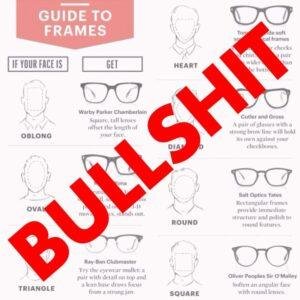
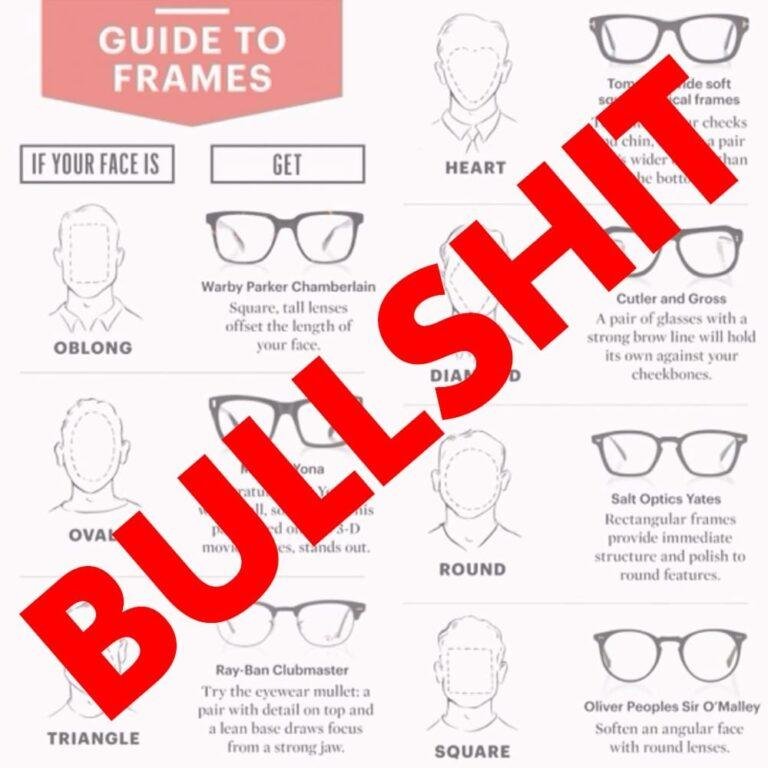
Your face shape gives you a useful starting point when choosing sunglasses. Most people fall into one of six broad groups: oval, round, square, heart, diamond, or oblong.
Your face may not fit one group perfectly. That is normal. Human faces are varied, and lighting, hair, facial hair, and weight can change how your features look.
Measure Your Face at Home
You only need a mirror, a soft measuring tape, and a few minutes.
Measure these areas:
- Forehead width: Measure the widest part of your forehead.
- Cheekbone width: Measure from the highest point of one cheekbone to the other.
- Jaw width: Measure the widest part of your jaw.
- Face length: Measure from the center of your hairline to the bottom of your chin.
You can also trace your face shape on a mirror with a washable marker. Stand straight, keep your head still, and outline only the outer shape of your face.
Match Your Features to a Face Shape
- Oval face: Your face is longer than it is wide. Your cheekbones are often wider than your forehead and jaw.
- Round face: Your face length and width are close. Your cheeks look full, and your jaw has soft curves.
- Square face: Your forehead, cheekbones, and jaw have similar widths. Your jawline looks strong and angular.
- Heart-shaped face: Your forehead is wider, while your chin is narrower or pointed.
- Diamond face: Your cheekbones are the widest point. Your forehead and jaw are narrower.
- Oblong face: Your face is noticeably longer than it is wide. Your forehead, cheeks, and jaw may have similar widths.
These categories are helpful, but they are not medical or scientific diagnoses. Think of them as a styling map, not a strict law.
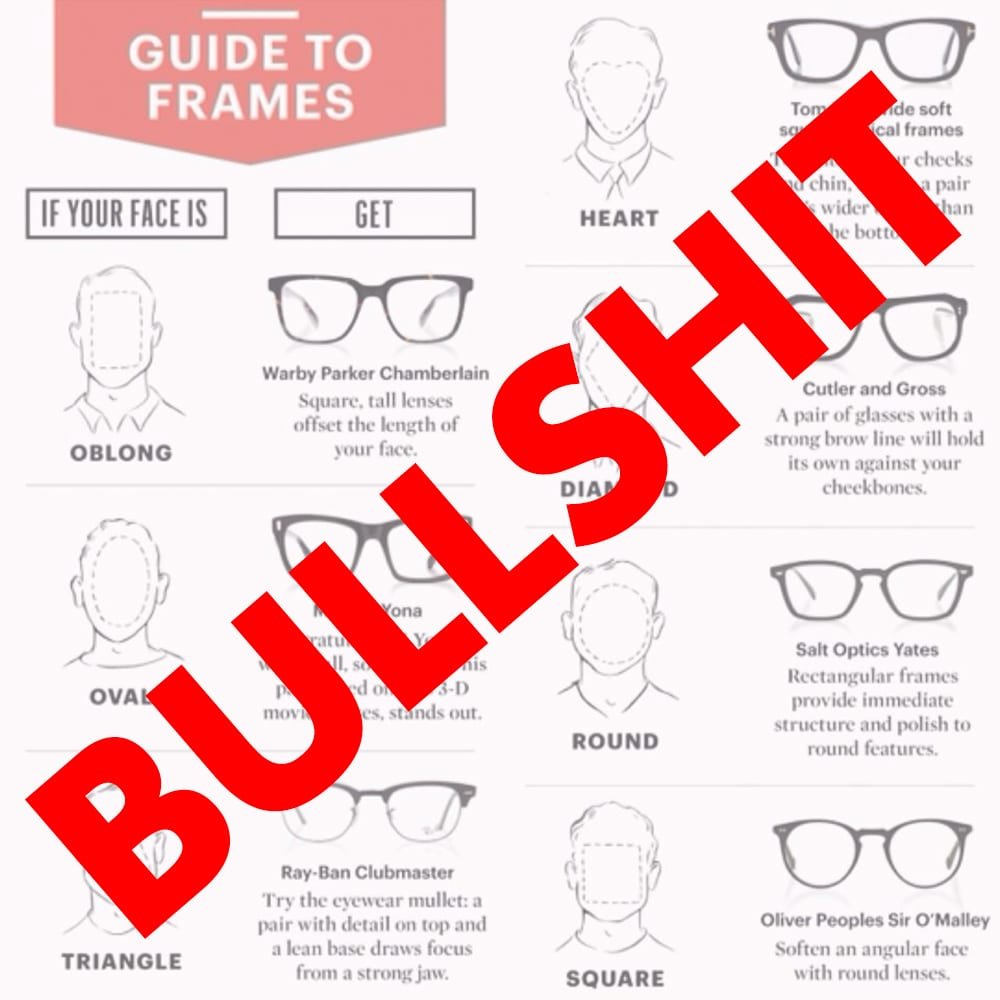
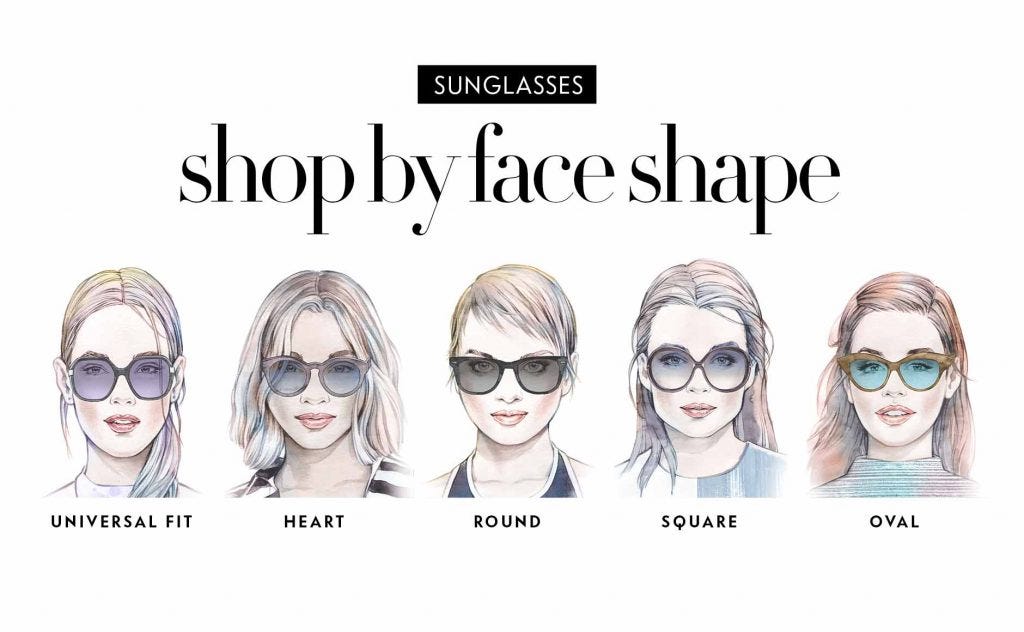
What Style of Sunglasses Suit My Face Shape?
The best sunglasses for your face often create balance. If your face has soft curves, a frame with clear angles can add structure. If your face has strong angles, a rounded frame can soften the overall look.
Still, contrast is not your only option. Matching shapes can also look polished when the frame size and color are right.
Best Sunglasses for an Oval Face
An oval face works with many sunglasses styles. Its balanced proportions allow you to experiment with classic and modern frames.
Good choices include:
- Wayfarer frames
- Aviator sunglasses
- Square frames
- Round frames
- Geometric sunglasses
- Browline frames
Choose frames that are at least as wide as the broadest part of your face. Very narrow frames can make an oval face look longer than it is.
A medium or slightly oversized frame often looks especially balanced. However, oversized does not mean the frame should cover your eyebrows or rest on your cheeks.
Best Sunglasses for a Round Face
If you have a round face, angular sunglasses can add definition. Square and rectangular frames create a useful contrast with soft cheeks and a curved jaw.
Try:
- Rectangular sunglasses
- Square acetate frames
- Cat-eye sunglasses
- Browline styles
- Narrow geometric frames
Avoid frames that are very small or strongly circular if you want to make your face look longer. Round frames can work, but choose a taller or more structured design instead of a perfect, thin circle.
Dark colors can also add visual structure. Black, deep tortoiseshell, navy, and dark brown are useful options.
Best Sunglasses for a Square Face
A square face usually has a bold jaw and clear angles. Rounded frames can soften those lines without hiding your natural structure.
Consider:
- Round sunglasses
- Oval frames
- Aviators
- Soft cat-eye styles
- Thin metal frames
Avoid very boxy frames if you do not want to emphasize your jaw. That said, matching angular frames can look confident and modern. The key is to avoid a frame that is both very square and too large.
A slightly curved brow or rounded lens can make the look feel more balanced.
Best Sunglasses for a Heart-Shaped Face
A heart-shaped face is often wider at the forehead and narrower at the chin. The goal is to draw attention toward the center or lower part of the face.
Good options include:
- Aviator sunglasses
- Round frames
- Oval frames
- Light-colored or rimless styles
- Bottom-heavy frames
- Soft cat-eye designs
Avoid frames that are very wide at the top if they make your forehead look broader. A thin frame or pale color can reduce visual weight around the brow.
Aviators are popular for this face shape because their teardrop lenses can add balance near the cheeks and chin.
Best Sunglasses for a Diamond Face
Diamond faces tend to have prominent cheekbones with a narrower forehead and jaw. Curved frames can soften the cheek area and create a smooth transition.
Try:
- Oval sunglasses
- Cat-eye frames
- Browline styles
- Rimless sunglasses
- Softly curved geometric frames
Frames with strong top details can highlight the brow. Wider styles may also work well, as long as they do not press into your temples.
Avoid very narrow frames that end before the widest part of your cheekbones. They can make your cheeks look wider by comparison.
Best Sunglasses for an Oblong Face
An oblong face is longer than it is wide. Taller lenses and bold details can help create visual balance.
Consider:
- Oversized sunglasses
- Square frames
- Wayfarer styles
- Aviators with deep lenses
- Frames with a strong bridge
- Decorative temples
Avoid very narrow lenses or thin vertical frames if you want to reduce the appearance of length. A frame with enough height should sit comfortably between your eyebrows and cheeks.
Do not choose a frame that touches your cheeks. It may slide when you smile and leave marks on your skin.

How Frame Shape Changes Your Look
Face shape helps answer what style of sunglasses suit my face, but frame design can change the result just as much. Two pairs with the same general shape may look completely different because of their size, color, lens height, or bridge.
Think of the frame as a visual border around your eyes. A bold border attracts attention. A thin border looks lighter and more subtle.
Frame Width
The frame should generally align with the widest part of your face.
A frame is often too narrow when:
- Your temples feel squeezed
- The arms point outward
- The lenses look small compared with your cheeks
- The frame leaves wide gaps near your temples
A frame may be too wide when:
- The arms angle inward
- The sunglasses slide down
- The outer edges extend far beyond your face
- The bridge feels unstable
Your eyes should sit close to the center of each lens. If your eyes sit too close to the inner edges, the frame may be too wide or the bridge may not fit you.
Frame Color
Color affects how noticeable your sunglasses look.
- Black frames create strong contrast and a sharp look.
- Brown and tortoiseshell frames feel warm and classic.
- Clear frames look light and modern.
- Metal frames often appear sleek and understated.
- Bright colors can highlight personal style and clothing.
- Light frames may soften strong facial features.
Your skin undertone can guide color choices, but it should not limit you. Gold and warm brown may complement warm undertones. Silver, gray, and blue may complement cool undertones. Neutral colors, such as black and clear, work across many complexions.
Lens Height and Details
Taller lenses can balance a long face. Narrower lenses may suit smaller features. A strong brow bar can draw attention upward, while a lower rim can add visual weight near the cheeks.
Details also matter:
- A keyhole bridge can reduce pressure on the nose.
- Adjustable nose pads can improve fit.
- Thick temples can add width to a narrow face.
- A subtle cat-eye corner can lift the appearance of the eyes.
- A double bridge can create a stronger, more structured look.

Sunglasses Fit Matters More Than Face Shape
Even the most flattering frame will look wrong if it does not fit. Comfort and stability should come before a trend.
When trying on sunglasses, check these points:
- Your eyes should sit near the center of the lenses.
- The frame should not pinch your temples.
- The bridge should rest securely without painful pressure.
- The lenses should not touch your cheeks when you smile.
- The arms should lie flat without bending outward.
- The sunglasses should stay in place when you look down.
- Your eyelashes should not brush the lenses.
- The frame should not block your natural view.
A good fit should feel almost invisible. You should not need to push the sunglasses up every few minutes.
If you have a low nose bridge, look for Asian-fit or low-bridge-fit frames. These designs may have a deeper nose area, higher nose pads, or shorter bridge dimensions. If you have a high nose bridge, adjustable pads and a longer bridge may feel more secure.
For prescription sunglasses, ask an optician to check lens thickness, frame width, and optical center placement. These details can affect both comfort and vision.

Choose Sunglasses for UV Protection and Daily Use
Style matters, but eye protection matters more. Look for sunglasses labeled as blocking 99% to 100% of UVA and UVB rays, or labeled UV400.
Dark lenses do not automatically provide better UV protection. A very dark lens without proper UV filtering can cause your pupils to open more, allowing harmful ultraviolet light to enter. Always check the product label or ask the seller.
Polarized lenses can reduce glare from roads, water, snow, and glass. They are helpful for driving, boating, fishing, and outdoor sports. However, polarization does not replace UV protection.
Lens colors have different practical effects:
- Gray lenses reduce brightness with little color change.
- Brown lenses can improve contrast in some outdoor settings.
- Green lenses offer balanced color and moderate contrast.
- Yellow or amber lenses may improve contrast in low-light conditions, but they are not a substitute for clear vision or proper safety eyewear.
People with light sensitivity, migraines, or certain eye conditions may need additional advice from an eye-care professional. Sunglasses are useful, but they do not replace regular eye exams.

Common Mistakes to Avoid
Many people focus only on face shape and overlook the details that make sunglasses look awkward. I have seen readers choose a frame because it looked great in a product photo, then return it because the bridge slipped or the lenses sat too low.
These mistakes are easy to avoid:
- Choosing a frame because it is trendy, not because it fits
- Buying sunglasses that are too narrow
- Assuming dark lenses offer full UV protection
- Ignoring the bridge width
- Wearing a frame that touches the cheeks
- Selecting oversized frames that hide the eyebrows and eyes
- Forgetting how the sunglasses work with prescription lenses
- Judging color under store lighting alone
- Buying online without checking measurements
- Treating face shape rules as permanent style limits
One lesson I have learned is that measurements beat guesswork. Before buying online, compare the frame width, lens width, bridge width, and temple length with a pair you already wear comfortably.
If you are between sizes, the bridge and temple fit usually matter more than a small difference in lens width.

How to Shop for the Right Sunglasses
Use this simple process when shopping in a store or online.
Start With Your Main Need
Ask how you will use the sunglasses.
- Daily commuting may call for lightweight, durable frames.
- Driving may call for polarized lenses and a stable fit.
- Beach use may call for strong UV protection and corrosion-resistant materials.
- Sports may require impact-resistant lenses and secure temple grips.
- Fashion use may allow more freedom with color and shape.
Your lifestyle can matter more than a face-shape chart.
Compare Three Different Shapes
Try one frame that contrasts with your face, one that follows your natural lines, and one that feels completely different. Take photos in natural light. Look at the sunglasses from the front and side.
Pay attention to your whole face, not just the frame. The best style of sunglasses suit my face when the frame supports my features without overpowering them.
Check the Product Details
Before buying, review:
- UV protection rating
- Frame measurements
- Lens material
- Polarization, if needed
- Return policy
- Prescription compatibility
- Warranty information
- Safety rating for sports use
A reputable seller should provide clear measurements and truthful lens information. Be cautious when a listing makes broad claims but gives no details about UV protection.

Styling Tips for Different Personal Looks
The answer to what style of sunglasses suit my face also depends on your clothing and personality. A face-shape match may look good, but the right style should feel like you.
For a classic look, try tortoiseshell wayfarers, black square frames, or metal aviators. These styles work with jeans, office clothing, and simple weekend outfits.
For a modern look, consider clear acetate, thin geometric frames, or narrow rectangular sunglasses. These designs create a clean shape without feeling too formal.
For a bold look, try colored lenses, bright acetate, oversized frames, or dramatic cat-eye corners. Keep the rest of your outfit simple if you want the sunglasses to be the main focus.
For a quiet, minimal look, choose thin metal, rimless, or soft neutral frames. These styles can add polish without becoming the first thing people notice.
Your sunglasses do not need to match every item you own. They only need to work with your most common colors and your usual level of contrast.
Frequently Asked Questions About What Style of Sunglasses Suit My Face
What style of sunglasses suit my face if I have an oval face?
Most frame shapes suit an oval face, including square, round, aviator, and wayfarer styles. Choose a frame that matches the width of your face and does not sit on your cheeks.
What sunglasses make a round face look slimmer?
Angular frames, such as rectangular, square, and softly geometric styles, can add structure to a round face. A frame with a slightly taller lens can also create a more balanced appearance.
Can I wear round sunglasses with a square face?
Yes. Round sunglasses can soften a strong jaw and create attractive contrast. Choose a size that fits your face well, since very small round frames may look disconnected from broader features.
Are oversized sunglasses good for every face shape?
Oversized sunglasses can work with many face shapes, but they must still fit securely. Avoid frames that cover your cheeks, hide your eyebrows completely, or slide when you move.
Do polarized sunglasses protect my eyes from UV rays?
Polarization reduces glare, but it does not automatically guarantee UV protection. Check that the sunglasses also provide 99% to 100% UVA and UVB protection or carry a UV400 label.
How should sunglasses sit on my nose?
The bridge should rest comfortably without pinching or sliding. Your eyes should sit near the center of the lenses, and the frame should stay stable when you smile or look down.
What style of sunglasses suit my face if I wear prescription lenses?
Choose a frame that fits your prescription needs, face width, and lens thickness. An optician can help confirm that the frame supports accurate optical-center placement and comfortable lens alignment.
Conclusion
The best answer to what style of sunglasses suit my face starts with your face shape, but it does not end there. Frame width, bridge fit, lens height, color, UV protection, and your daily needs all affect the final choice.
Use face-shape advice as a guide rather than a rule. Try different styles, check the measurements, and choose sunglasses that feel secure and reflect your personality. Explore reliable frame options, compare fit details, and share your favorite sunglasses style in the comments.

Rubel Miah is the Senior Editor at MyStyleGrid.com, where he brings a sharp editorial eye and an unshakable love for fashion to everything he does. A true style addict, Rubel lives and breathes trends, from streetwear to high fashion, and has a knack for turning inspiration into impactful stories. With years of experience in fashion journalism and digital media, he curates content that empowers readers to express themselves through style. When he’s not editing features or forecasting the next big thing, you’ll find him hunting down vintage pieces or capturing street style moments around the city.