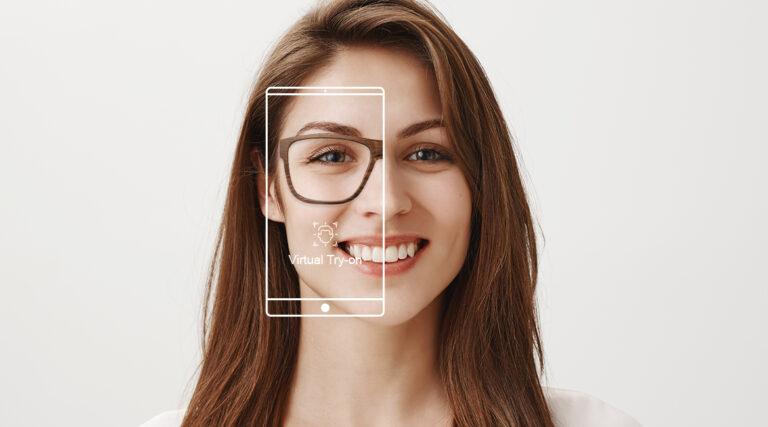
Use a virtual try-on tool, upload a clear face photo, enter your measurements, and compare several frame styles.
Learning how to try on glasses online is easier when you combine virtual fitting tools with accurate measurements and careful frame checks. This guide explains each step, from taking a photo and measuring your pupillary distance to judging fit, lens options, and return policies, so you can shop with confidence.

What Does It Mean to Try on Glasses Online?
Trying on glasses online means using a website or app to preview frames on your face before buying them. Most tools use augmented reality, facial mapping, or a photo upload to place digital frames over your eyes and nose.
Some retailers also show frame measurements, lens types, and color options. Together, these features help you narrow your choices without visiting a store.
A virtual try-on is useful, but it is not a perfect substitute for wearing real glasses. It can show style and general scale well, yet it may not fully show comfort, weight, lens thickness, or how the bridge sits on your nose.

How to Try on Glasses Online Step by Step
1. Choose a reliable online eyewear store
Start with a retailer that offers a strong virtual try-on tool and a clear return policy. Look for details about prescription lenses, frame measurements, shipping, refunds, and exchanges.
A trustworthy store should clearly explain how it handles:
• Frame returns and exchanges
• Prescription lens replacements
• Scratches or damage during shipping
• Pupillary distance measurements
• Warranty coverage
• Refund time frames
A return policy matters because a frame can look perfect online but feel too tight or loose in daily use.
2. Find your current frame measurements
If you already own glasses that fit well, inspect the inside of one temple arm. You may see three numbers, such as 52-18-140.
These numbers usually represent:
• 52 millimeters for lens width
• 18 millimeters for bridge width
• 140 millimeters for temple arm length
These measurements give you a useful starting point. They do not guarantee an identical fit because frame shape, curve, material, and bridge design also affect comfort.
3. Take a clear face photo or open the live camera tool
Most virtual try-on tools work best with a straight-on photo. Stand in bright, even light and keep your head level.
For the most accurate result:
• Remove your current glasses
• Keep your hair away from your eyes
• Look directly at the camera
• Avoid hats and strong shadows
• Use a neutral facial expression
• Keep the camera at eye level
• Do not use a wide-angle selfie lens
Some tools ask you to hold a standard card near your face. This helps the system estimate scale. Follow the instructions closely, since a poor reference can make frames appear larger or smaller than they are.
4. Add your pupillary distance
Your pupillary distance, or PD, is the space between the centers of your pupils. It helps the optical lab place the lens optical centers in the correct position.
You may find your PD on an old prescription. If it is not listed, ask your eye care professional or use a retailer’s measurement tool. Some apps estimate PD from a photo, but a professional measurement may be more reliable, especially for strong prescriptions.
Do not guess if your prescription is complex. A small measurement error may cause eye strain, blurred vision, or discomfort.
5. Try different frame shapes
Use the virtual tool to compare more than one frame shape. Start with styles that contrast with your face shape, then test similar designs.
Common frame styles include:
• Round frames, which create a soft and artistic look
• Square frames, which add structure and contrast
• Rectangle frames, which often look clean and professional
• Cat-eye frames, which add lift near the outer corners
• Oval frames, which can soften sharper features
• Aviator frames, which offer a wider, classic shape
Face shape guides can help, but they are not strict rules. The best frame is the one that fits well and suits your personal style.
6. Compare size, color, and lens options
After you find a shape you like, compare different sizes and colors. A frame may look stylish in black but feel more subtle in tortoiseshell or clear acetate.
Check whether the frame:
• Extends wider than your face
• Covers your eyebrows too much
• Touches your cheeks when you smile
• Sits too close to your eyes
• Leaves enough room around your temples
• Looks balanced with your features
Then review the lens choices. Depending on your needs, you may see options such as single-vision, bifocal, progressive, blue-light-filtering, photochromic, or polarized lenses.
Choose lens features based on your prescription and daily use, not only on marketing language.
7. Review the frame measurements before ordering
The virtual image is only one part of online fitting. Always compare the listed frame dimensions with a pair of glasses you already wear comfortably.
Pay close attention to:
• Lens width
• Bridge width
• Temple length
• Total frame width
• Lens height
• Frame shape
• Nose pad or molded bridge design
A frame with the right width may still feel wrong if the bridge is too deep or the temples are too short.
8. Order from a store with an easy return process
Before you pay, read the return terms. Confirm how many days you have to return the glasses and whether prescription lenses qualify.
It is also wise to check whether the company offers home try-on kits. These kits let you test nonprescription sample frames in natural settings, such as your office, car, or home.
That real-world check can reveal details a screen cannot. For example, a frame may look good in a photo but slide when you look down or press behind your ears.
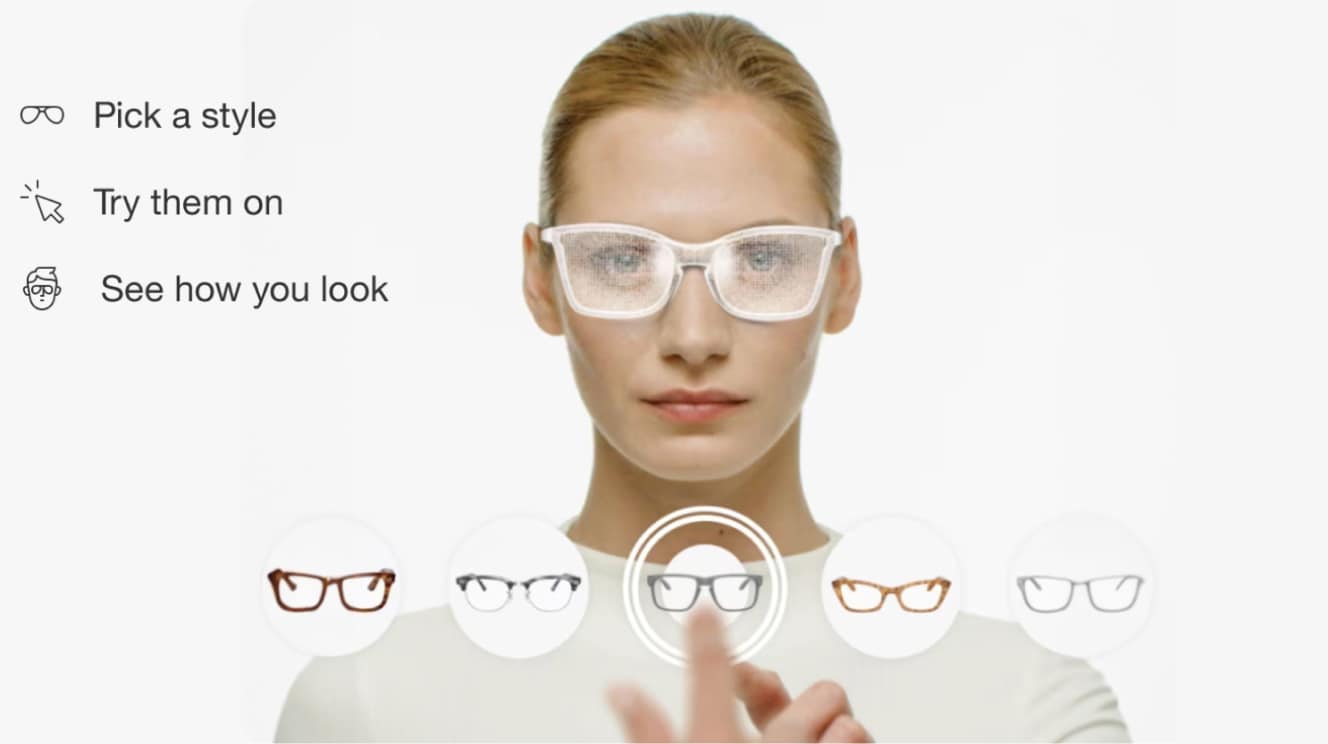
How to Take the Best Photo for a Virtual Try-On
A good photo improves the accuracy of online glasses try-on tools. Think of it like taking a passport photo, but with softer light and less formality.
Follow these steps:
- Stand about two feet from the camera.
- Use natural light or a bright room.
- Keep your face centered.
- Hold the camera at eye level.
- Look straight ahead.
- Keep both ears visible if possible.
- Avoid filters, portrait effects, and beauty modes.
- Make sure the camera lens is clean.
Avoid taking a close selfie from below or above your face. Camera angles can distort your features and make the frame size appear inaccurate.
If the tool offers a calibration step, complete it. Some systems use a bank card or another object of known size to estimate the distance from the camera to your face.
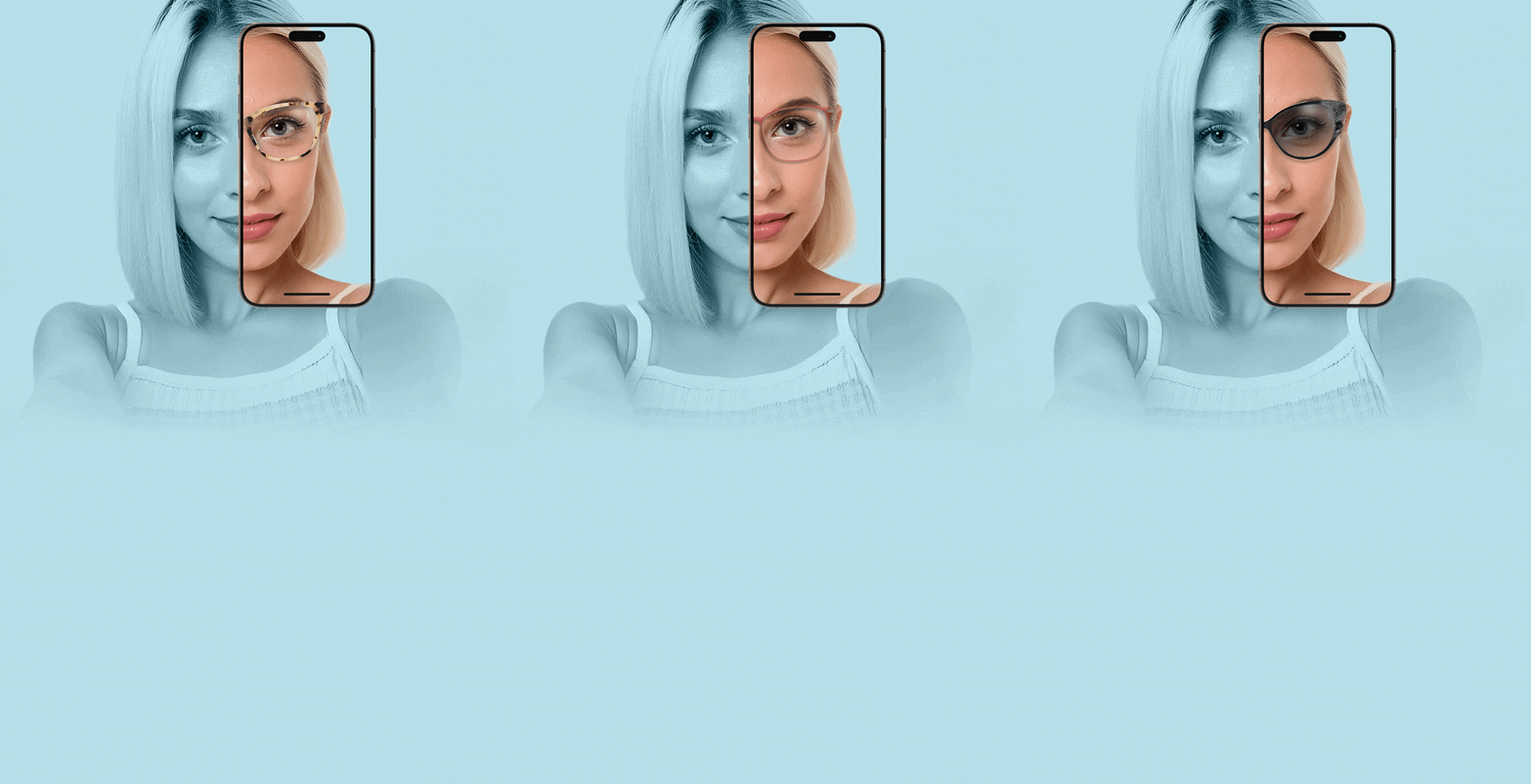
How to Choose the Right Glasses Size Online
Frame size is one of the most important parts of learning how to try on glasses online. Style attracts attention, but size determines much of the comfort.
Check the frame width
The front of the frame should usually sit close to the sides of your face without pressing hard against your temples. It should not extend far beyond your cheeks unless that oversized look is intentional.
Check the bridge
The bridge rests on your nose and controls how the glasses sit. If it is too wide, the frames may slide. If it is too narrow, the glasses may pinch or leave marks.
People with a low nose bridge may prefer frames with:
• Adjustable nose pads
• A low-bridge fit
• A keyhole bridge
• A smaller bridge measurement
• Frames designed for a flatter facial profile
Check the temples
The temple arms should reach your ears without pressing tightly. They should not angle sharply outward or leave a large gap behind your ears.
Check the eye position
your pupils should sit near the center of each lens. This matters for clear vision, especially with progressive lenses or higher prescriptions.
The virtual try-on may not show optical alignment with complete accuracy. Treat it as a guide, then confirm details with the retailer or optical professional.

How to Choose Glasses for Your Face Shape
Face shape advice can make online shopping easier, but it should guide your search rather than limit it.
Round faces
Angular frames can add contrast and definition. Square and rectangular styles may create a balanced look.
Square faces
Round or oval frames can soften strong jawlines and forehead angles. Thin metal frames may also create a lighter appearance.
Oval faces
Many frame shapes work well with oval faces. Focus on proportion and avoid frames that are much wider or narrower than your face.
Heart-shaped faces
Frames with a wider lower edge can help balance a broader forehead and narrower chin. Light colors and thin rims may also create a softer effect.
Long faces
Deeper lenses and taller frames can make the face look more balanced. Decorative temples may add visual width.
These suggestions are not medical or design rules. Personal taste, hairstyle, skin tone, and comfort matter just as much.
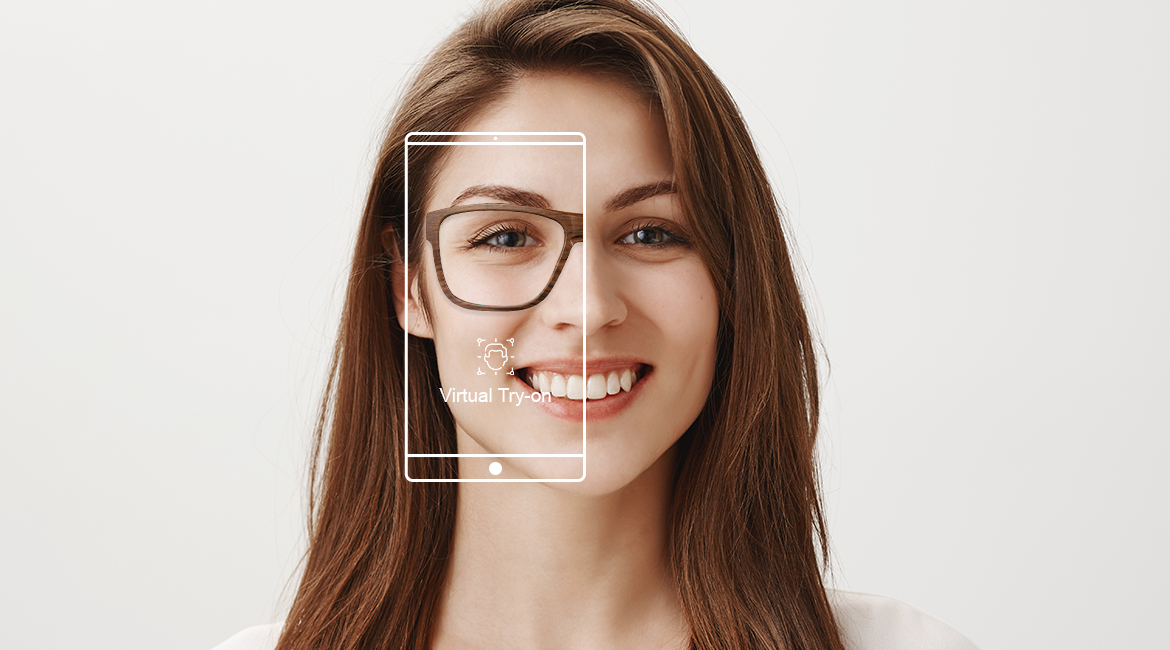
How to Judge Color and Style Online
Screens can change how colors appear. Brightness, display settings, and room lighting all affect the way a frame looks.
To make a better choice:
• Check the frame in several product photos
• Look for front, side, and angled views
• Compare the color with your skin tone and hair
• Read whether the finish is glossy, matte, translucent, or metallic
• Search for customer photos when available
• Consider whether the color works with your usual clothing
If you want one everyday pair, neutral tones such as black, brown, gray, gold, or tortoiseshell are often easy to wear. If you already own a basic pair, a brighter color can make your second pair more expressive.
One practical lesson from helping people compare frames online is to save screenshots of your top three choices. Looking at them side by side often makes the best option clear.
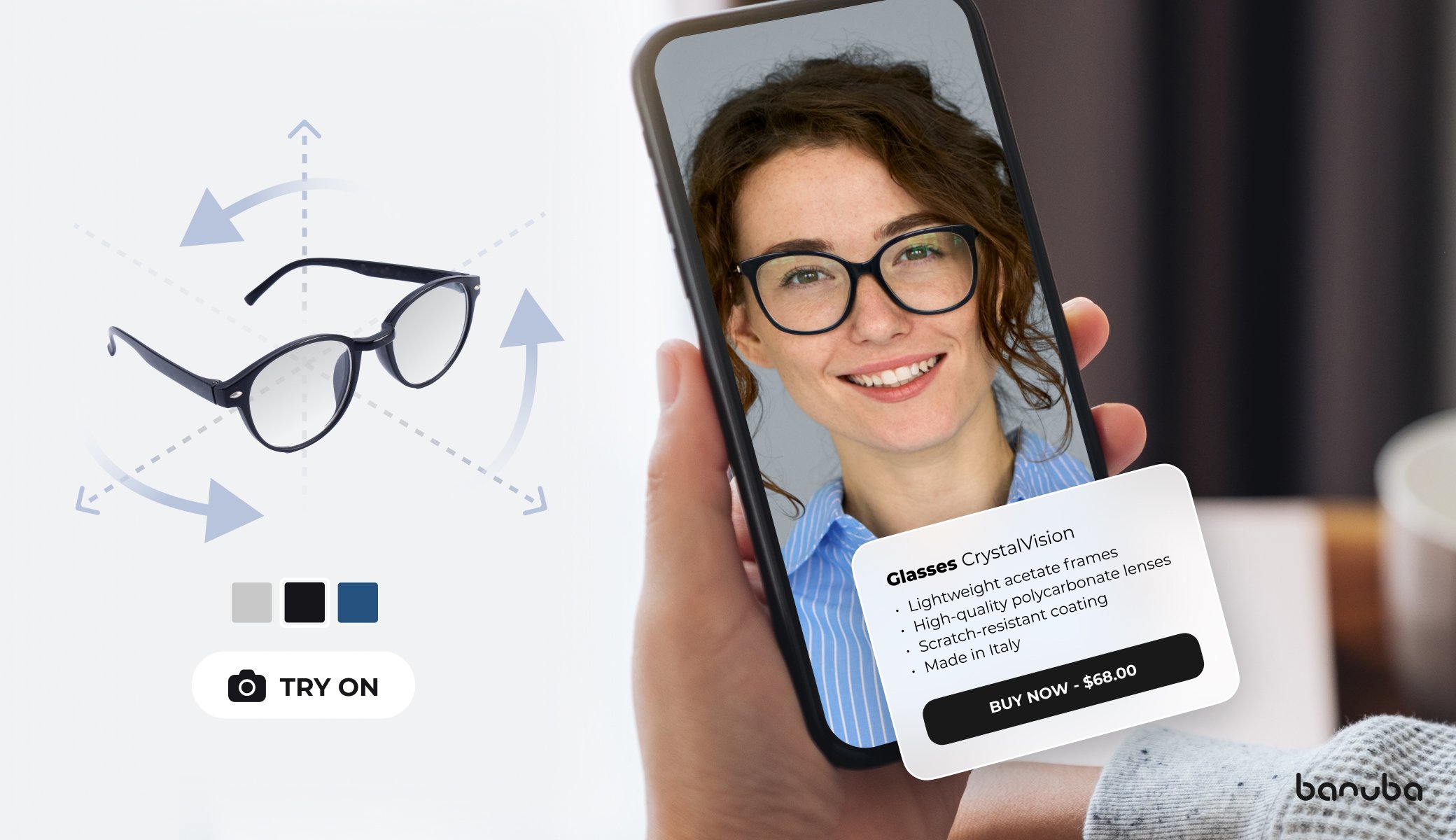
Prescription Details to Check Before Buying
A virtual try-on tool can help you choose the frame, but it does not replace a valid prescription. In the United States, prescription eyewear should be made using accurate information from a licensed eye care provider.
Check these details before ordering:
• Your prescription expiration date
• Sphere, cylinder, and axis values
• Add power for multifocal lenses
• Pupillary distance
• Right-eye and left-eye details
• Lens material and index
• Coating choices
• Frame suitability for your prescription
Strong prescriptions may require thinner lenses or smaller frames. Very large frames can increase lens thickness, weight, and distortion at the edges.
Progressive lenses require careful measurements beyond basic PD. Some retailers may need fitting height or additional measurements, and an in-person optical fitting may be the safer choice.
Benefits of Trying on Glasses Online
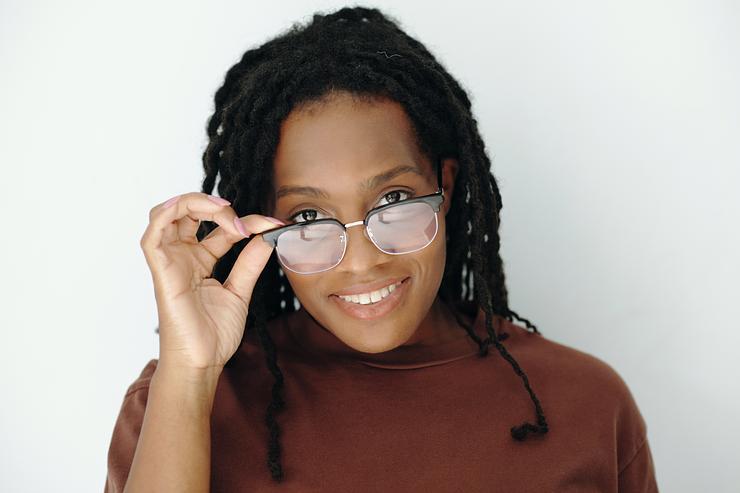
Online glasses try-on tools offer several clear advantages.
Convenience
You can compare frames at home without traveling to a store. This helps people with busy schedules, limited transportation, or mobility concerns.
More choices
Online stores often carry many shapes, colors, and materials. You can explore styles that may not be available at a local shop.
Easy comparison
Digital tools let you switch between frames quickly. You can also save favorites and ask friends or family for opinions.
Lower prices
Online retailers may have lower prices because they operate with fewer physical storefront costs. Still, compare the full price, including lenses, coatings, shipping, and returns.
Less pressure
Shopping online gives you time to think. You do not need to make a choice while standing under bright store lights or speaking with a salesperson.
Limitations of Virtual Glasses Try-On Tools
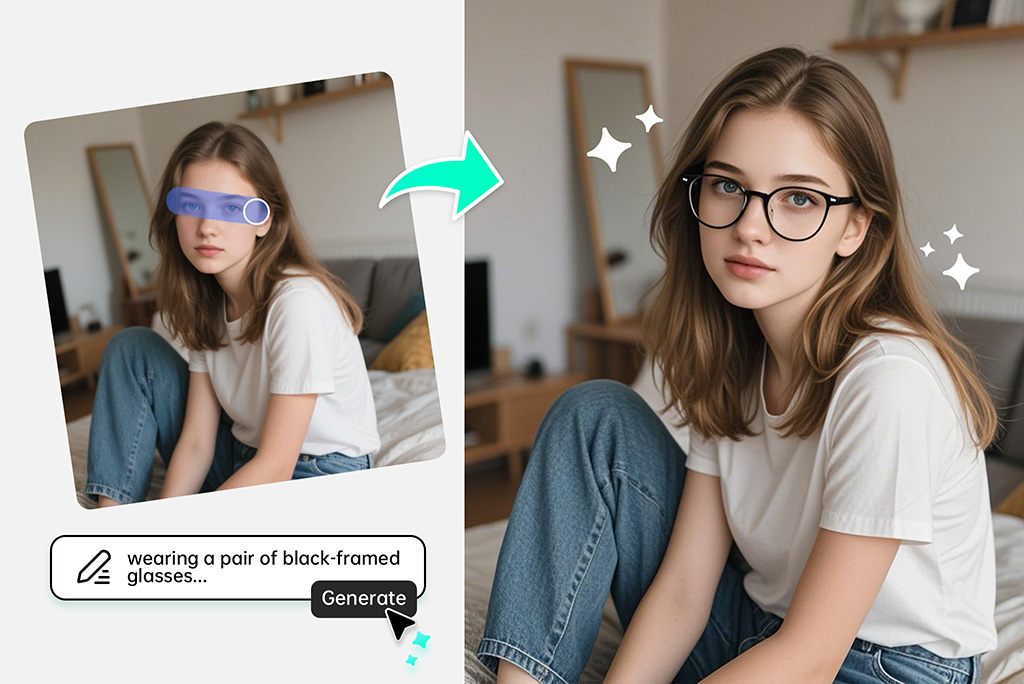
Online tools are helpful, but they have limits. A digital overlay cannot fully measure comfort or show how a frame moves during the day.
Virtual try-on may not accurately predict:
• Nose pressure
• Temple tightness
• Frame weight
• Lens thickness
• Glare from lenses
• Progressive lens comfort
• Fit while smiling or speaking
• Slipping during exercise
• Color under different lighting
Facial mapping can also struggle with glare, hair, masks, makeup, unusual camera angles, or partial side views.
For a simple frame and mild prescription, online ordering may work very well. For children, complex prescriptions, major differences between the eyes, or progressive lenses, professional fitting deserves more attention.
Common Mistakes to Avoid When Trying on Glasses Online
Choosing only by appearance
A frame can look excellent in a virtual image but still feel uncomfortable. Always review the measurements.
Ignoring the bridge width
Many shoppers focus on lens width and forget the bridge. An incorrect bridge can cause constant slipping or pressure.
Guessing your PD
A guessed PD may lead to poorly centered lenses. Use a reliable measurement whenever possible.
Buying oversized frames for a strong prescription
Large frames may create thicker and heavier lenses. Ask the optical provider whether the frame suits your prescription.
Skipping the return policy
Even accurate measurements cannot predict every comfort issue. A flexible return policy reduces the risk.
Trusting the photo color completely
Screen colors vary. Product photos and customer images can provide a more realistic view.
Ordering from an unclear seller
Avoid retailers that hide contact details, prescription policies, or refund terms. Clear information is a basic sign of a trustworthy business.
Tips for Getting a Better Fit After Delivery
When your glasses arrive, inspect them before removing tags or protective film. Try them on for several minutes while sitting, standing, and looking down.
Check whether:
• Your pupils look centered in the lenses
• The frame stays in place when you move
• Your eyelashes touch the lenses
• The temples press against your head
• The bridge leaves painful marks
• Your vision feels clear through the correct areas
• The frame sits level on your face
Do not bend the frame yourself unless you know the material and adjustment method. Many optical stores can make small adjustments, sometimes at no cost.
If your vision feels wrong, contact the retailer or eye care professional. Headaches, double vision, or ongoing blur should not be ignored.
Frequently Asked Questions About How to Try on Glasses Online
Is it accurate to try on glasses online?
Virtual try-on tools are usually useful for judging frame shape, color, and general size. They cannot fully confirm comfort, optical alignment, or prescription lens performance.
How do I measure my PD for online glasses?
You can check an existing prescription, ask an eye care professional, or use a measurement tool supplied by a reputable retailer. Avoid guessing, especially when ordering progressive lenses or a strong prescription.
Can I try on glasses online without a photo?
Yes. Some websites offer live camera tools, while others let you compare frames using measurements and model photos. A photo-based tool usually gives a more personalized view.
How do I know what glasses fit my face?
Compare the frame width with your face and review the bridge and temple measurements. Face shape guides can help you choose styles, but comfort, proportion, and personal preference matter more than strict rules.
Can I buy prescription glasses online with an old prescription?
That depends on the prescription and the retailer’s policy. Do not use an expired prescription if your vision has changed, and consult an eye care professional when you are unsure.
Are virtual try-on glasses shown in their true size?
Not always. Camera distance, lighting, and facial mapping can affect scale, so compare the digital preview with the listed frame measurements and a pair that already fits you.
What should I do if my online glasses do not fit?
Review the retailer’s return or exchange policy and contact customer service promptly. An optical professional may also adjust minor issues, but a major size problem may require a different frame.
Conclusion
Learning how to try on glasses online is a simple process when you use a clear photo, accurate measurements, a reliable PD, and a flexible return policy. Virtual tools are excellent for comparing style and color, but frame dimensions and professional advice remain essential for comfort and clear vision.
Take time to compare several frames, check the bridge and temple fit, and review every lens option before ordering. Start with a reputable retailer today, save your favorite styles, and choose the pair that looks good and feels right for everyday life.

Rubel Miah is the Senior Editor at MyStyleGrid.com, where he brings a sharp editorial eye and an unshakable love for fashion to everything he does. A true style addict, Rubel lives and breathes trends, from streetwear to high fashion, and has a knack for turning inspiration into impactful stories. With years of experience in fashion journalism and digital media, he curates content that empowers readers to express themselves through style. When he’s not editing features or forecasting the next big thing, you’ll find him hunting down vintage pieces or capturing street style moments around the city.