Zero-drop shoes can help some people with flat feet, but they do not provide support for everyone.
The answer to “are zero drop shoes good for flat feet” depends on your foot strength, pain level, walking style, and shoe fit. Zero-drop shoes place the heel and toes at the same height, which may encourage a natural stride. However, they can also stress the calves, Achilles tendon, and arch if you switch too fast. This guide explains the benefits, risks, fitting tips, and safest way to try them.
What Are Zero-Drop Shoes?
Zero-drop shoes have no height difference between the heel and the front of the foot. In a traditional walking or running shoe, the heel often sits higher than the toes. This difference is called the heel-to-toe drop.
For example:
- A zero-drop shoe has a 0 mm drop.
- A low-drop shoe may have a 1 to 4 mm drop.
- A standard running shoe may have an 8 to 12 mm drop.
- A high-heel shoe has a much greater drop.
Zero-drop shoes are not always minimalist shoes. This point matters. A zero-drop shoe may still have:
- Thick cushioning
- A wide toe box
- A firm midsole
- A stable base
- Removable insoles
- Moderate or strong arch support
Minimalist shoes often have a thin sole and little cushioning. Zero-drop describes heel height only. It does not describe the whole shoe.
The main idea is simple: your foot sits level from heel to toe. Support, cushioning, and stability can still vary greatly between brands and models.
Are Zero-Drop Shoes Good for Flat Feet?
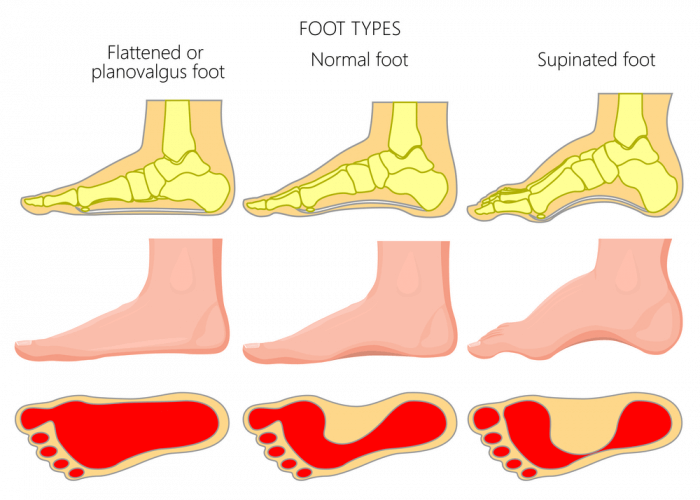
So, are zero drop shoes good for flat feet? They can be, but they are not a universal treatment.
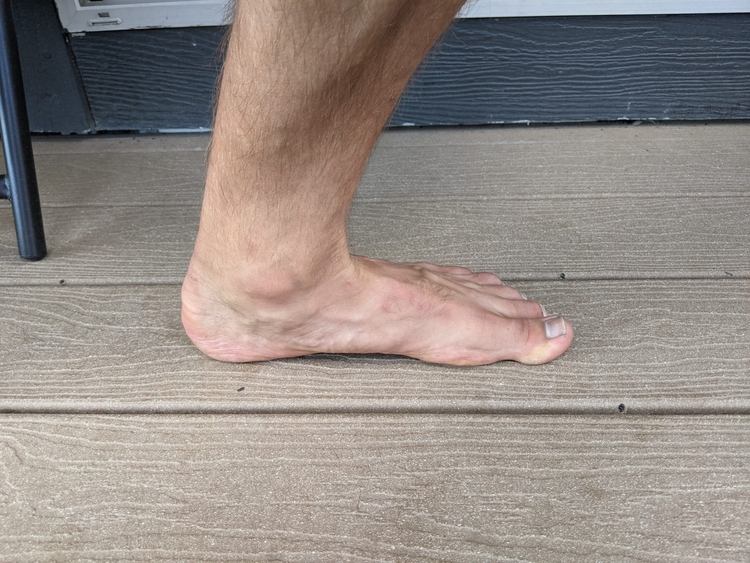
Flat feet mean the inner arch is low or touches the ground while standing. Some people have flexible flat feet with no pain. Others have stiff or painful flat feet linked to tendon problems, arthritis, injury, or poor foot control.
A level shoe may help some people because it can:
- Let the foot move through a more natural position
- Reduce the feeling of being pushed forward by a raised heel
- Encourage more even contact with the ground
- Give the toes more room to spread
- Promote gradual use of the foot and lower-leg muscles
Yet a zero-drop design can also expose weaknesses. When the heel is no longer raised, the calf and Achilles tendon may work harder. If your arches collapse under load, a completely flat and flexible shoe may offer too little control.
The best answer is based on symptoms, not the shape of your arch alone. A person with painless flat feet may enjoy zero-drop shoes. A person with severe overpronation, heel pain, or an irritated posterior tibial tendon may need more support.
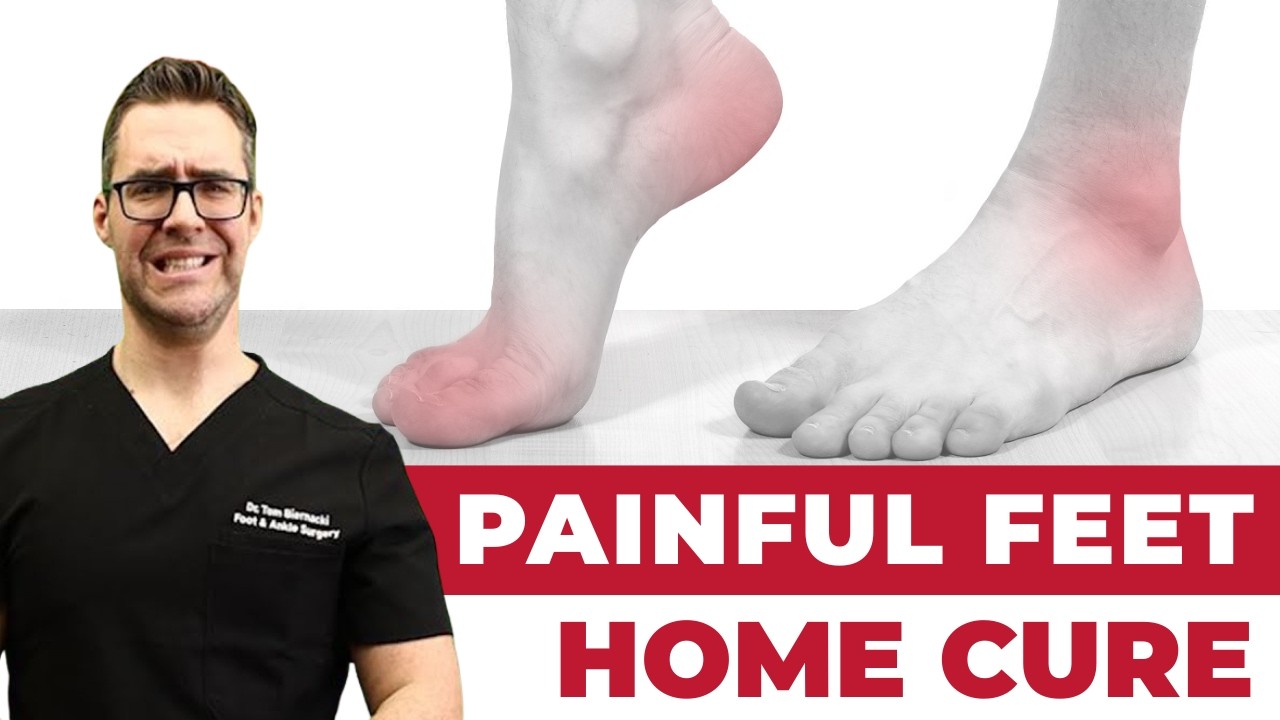
Possible Benefits of Zero-Drop Shoes for Flat Feet
A more level foot position
A raised heel can shorten the calf position during standing and walking. Zero-drop shoes remove that lift. This may help some people feel more balanced and grounded.
The change is small in theory but noticeable in practice. It can affect the ankle, knee, hip, and lower back because these joints work as a chain.
More natural toe movement
many zero-drop shoes also have a wider toe box. This allows the big toe and smaller toes to spread. A stable big toe helps the foot push off during walking.
However, not every zero-drop shoe has a wide toe box. Check the shape before buying.
Better foot muscle use
Some research suggests that less structured footwear may increase the work done by muscles in the foot and lower leg. Stronger muscles may improve control over time.
This does not mean zero-drop shoes “fix” flat feet. Exercise, gradual loading, and good movement habits matter too.
Useful exercises may include:
- Short-foot exercises
- Calf raises
- Toe spreading
- Single-leg balance
- Controlled step-downs
- Resistance-band ankle work
More comfort for some walkers
Many people with flat feet dislike shoes that feel stiff or press into the arch. A zero-drop shoe may feel less intrusive. It can act more like a flexible platform than a hard bridge under the foot.
Comfort is important, but it should not be the only test. A shoe can feel pleasant for ten minutes and cause pain after two hours.

Risks and Drawbacks to Consider
Zero-drop shoes are not automatically healthier. The design changes how force moves through your body.
A sudden switch may lead to:
- Calf soreness
- Achilles tendon pain
- Plantar fascia irritation
- Arch fatigue
- Shin pain
- Blisters
- Knee or hip discomfort
- Increased foot soreness after long walks
The risk is higher if you move straight from a supportive, raised-heel shoe to a thin, flexible zero-drop model.
A flat shoe also may not control excessive foot motion. If your ankle rolls inward and your arch collapses with each step, you may need a wider and more stable base. Some people do well with a zero-drop shoe plus a supportive insole. Others feel better in a shoe with mild structure and a small heel-to-toe drop.
Severe or new pain deserves attention. Do not use footwear experiments to push through swelling, numbness, sharp pain, or walking difficulty.
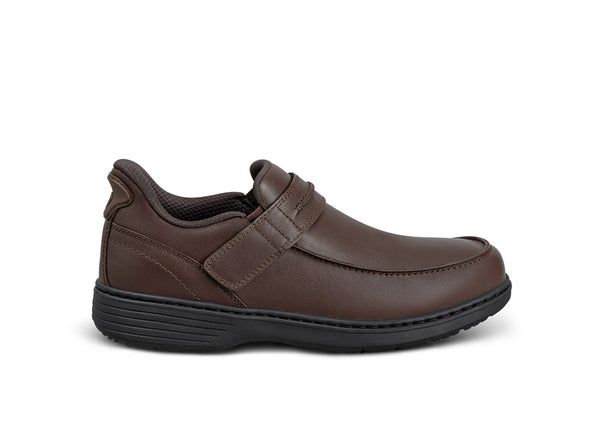
Zero-Drop Shoes Versus Supportive Shoes
The choice is not simply “zero drop or arch support.” You can find both features in one shoe.
A zero-drop shoe may have:
- A firm heel counter
- A stable outsole
- A broad platform
- A supportive removable footbed
- Moderate cushioning
A supportive shoe with a small drop may have:
- Motion control
- A guided midsole
- A raised heel
- A firm arch area
- More structure around the heel
Neither option is always best. Your foot may need freedom in one area and control in another.
Think of a shoe as a tool. A flexible tool can improve movement when your body has enough strength and control. A stable tool can reduce strain when your tissues are irritated or weak.
People with painful adult-acquired flatfoot may need more support than people with flexible, symptom-free flat feet. A podiatrist or physical therapist can check your arch, ankle motion, calf length, gait, and tendon strength.
:max_bytes(150000):strip_icc()/the-best-shoes-for-flat-feet-tout-c2128e0e298b433ab99114792ad99994.jpg)
How to Choose Zero-Drop Shoes for Flat Feet
If you want to try zero-drop footwear, look beyond the zero-drop label.
Choose enough cushioning
A cushioned midsole can make the transition easier. This is especially useful if you walk on concrete, stand at work, or have sensitive feet.
Thin soles are not required for natural movement. Comfort and control matter more than a minimalist design.
Look for a wide, secure base
A wide platform can improve balance. It may also give a collapsing arch more room to spread without forcing the foot over the edge of the sole.
The shoe should feel stable when you stand on one leg. If the sole bends or twists too easily, it may not offer enough control.
Check the toe box
Your toes should not touch the front or press against each other. Leave about a thumb’s width between your longest toe and the end of the shoe.
The upper should hold your heel firmly without squeezing the middle of your foot.
Use the right insole
A removable insole gives you options. You can test the shoe with its original footbed or add an over-the-counter support if needed.
Do not assume a firm arch bump is better. The insole should support your foot without causing pressure or numbness.
Match the shoe to the activity
A walking shoe, running shoe, work shoe, and hiking shoe have different demands. A soft everyday shoe may not provide enough grip or stability for trails.
Choose based on where and how you move.

How to Transition Safely
The safest way to try zero-drop shoes is to start slowly. Your feet and lower legs need time to adapt.
Follow this simple plan:
- Wear the shoes for 15 to 30 minutes at home.
- Use them for short, easy walks every other day.
- Keep your usual shoes available during the first few weeks.
- Increase time only when your feet feel normal the next morning.
- Add gentle calf and foot strengthening exercises.
- Stop or reduce use if pain becomes sharp, lasting, or progressive.
Do not begin with a long hike, marathon, full work shift, or intense workout. That is a common mistake.
Mild muscle tiredness can be normal. Pain in the Achilles tendon, heel, arch, or shin is a warning to slow down. Soreness that lasts more than a day means the increase was too much.
A useful rule is to change one thing at a time. Do not switch shoes, double your walking distance, and start a new workout in the same week.
When Zero-Drop Shoes May Not Be the Best Choice
Zero-drop shoes may be a poor match if you have:
- Active Achilles tendon pain
- Severe calf tightness
- A recent foot or ankle injury
- Significant arthritis
- Painful tendon dysfunction
- Poor balance
- Severe overpronation
- Difficulty walking without strong support
This does not mean you can never wear them. It means you may need professional advice or a slower plan.
People with diabetic neuropathy should be especially careful because reduced sensation can hide pressure and injury. Check your feet often and choose shoes with enough protection.
Children and teens with flat feet also need an individual assessment when pain or fatigue is present. A low arch alone does not prove that treatment is needed.
Do Orthotics Work With Zero-Drop Shoes?
Orthotics can work with zero-drop shoes, but the combination must feel comfortable and stable. An orthotic changes how your foot sits inside the shoe. A zero-drop design changes heel height. Together, they may alter your walking pattern more than expected.
Start with a thin, supportive insole if your shoe allows it. Make sure it does not crowd your toes or lift your heel out of the shoe.
Custom orthotics may help certain problems, but they are not needed by everyone with flat feet. A professional should match the device to your symptoms, foot shape, and activity.
If an insole causes arch pain, numbness, or pressure, remove it and reassess the fit. More support is not always better support.
What the Research Says
Research on barefoot-style and minimalist footwear shows that foot and lower-leg muscle demand can increase. Some studies also report changes in balance, foot strength, and running form.
However, evidence does not prove that zero-drop shoes correct flat feet or prevent injury for everyone. Studies often involve small groups, short testing periods, or healthy adults. Results may not apply to people with painful flat feet or medical conditions.
Clinical foot care generally supports an individual approach. The best shoe is the one that reduces symptoms, fits well, and lets you move safely.
This is why expert advice should focus on function. Your arch height matters, but so do pain, strength, joint movement, balance, and daily activity.
Practical Lessons From Real-World Use
One lesson people often learn is that “natural” does not mean “easy.” A zero-drop shoe can feel wonderfully comfortable at first, then expose calf weakness after a long day.
Another common mistake is choosing a shoe because it has a zero-drop label while ignoring the sole, toe box, heel fit, and cushioning. The label describes one feature only.
A better approach is to test shoes indoors first. Walk, climb stairs, stand on one foot, and check how your feet feel later that day. Keep the shoes if they support comfortable movement, not simply because they follow a popular footwear trend.
If your feet feel tired but not painful, add strength work and reduce wear time. If pain grows each day, stop and seek an assessment.
Are Zero-Drop Shoes Good for Flat Feet? Frequently Asked Questions
Can zero-drop shoes strengthen flat feet?
They may increase the work of the foot and lower-leg muscles, especially when they are flexible and less structured. Strength gains depend on gradual use and exercise, and the shoes do not repair every cause of flat feet.
Are zero-drop shoes good for flat feet and overpronation?
They can work for mild overpronation when the shoe has a broad, stable platform. Severe or painful overpronation may require more structure, an insole, physical therapy, or clinical assessment.
Should people with flat feet wear zero-drop shoes all day?
Not at first. Begin with short periods and increase use only when you have no lasting pain, swelling, or unusual soreness.
Do zero-drop shoes help plantar fasciitis?
They may help some people by offering a comfortable, level base, but they can worsen symptoms during a sudden transition. Plantar fasciitis often needs a wider plan that may include calf stretching, load changes, supportive footwear, and professional care.
Are zero-drop shoes better than regular running shoes for flat feet?
Neither is automatically better. A regular running shoe may offer useful cushioning and stability, while a zero-drop shoe may feel more natural and spacious.
Can I use orthotics in zero-drop shoes?
Yes, if the shoe has enough space and the orthotic feels comfortable. Introduce the shoe and orthotic gradually because the combination can change your gait.
How long does it take to adjust to zero-drop shoes?
Some people adjust within several weeks, while others need longer. The timeline depends on calf flexibility, foot strength, past footwear, activity level, and pain history.
Conclusion
Are zero drop shoes good for flat feet? They can be a good option for people with flexible, comfortable flat feet who want a level platform and a wider, more natural-feeling shoe. They may be less suitable when flat feet cause pain, severe instability, tendon problems, or poor balance.
Focus on fit, cushioning, stability, and a slow transition. Try the shoes for short periods, watch for warning signs, and ask a podiatrist or physical therapist for help if symptoms continue. Choose footwear that supports your real life, not just a label, and share your experience or questions in the comments.

Rubel Miah is the Senior Editor at MyStyleGrid.com, where he brings a sharp editorial eye and an unshakable love for fashion to everything he does. A true style addict, Rubel lives and breathes trends, from streetwear to high fashion, and has a knack for turning inspiration into impactful stories. With years of experience in fashion journalism and digital media, he curates content that empowers readers to express themselves through style. When he’s not editing features or forecasting the next big thing, you’ll find him hunting down vintage pieces or capturing street style moments around the city.