Minimal, flat-soled lifting shoes or low-heel weightlifting shoes are best for Bulgarian split squats.
You know the feeling: your front foot slides, your balance wobbles, and the weight suddenly feels heavier on one side during a Bulgarian split squat. That’s usually the shoe. The right shoe makes balance simple, keeps your foot planted, and helps you drive through your heel. I’ll walk you through the best shoes for Bulgarian split squats, why each works, and who should buy which pair so you can stop guessing and start lifting strong.

GuuG Tibialis Trainer Tib Bar,1″&2″…
ELEVATE LEG TRAINING: Effectively targets the tibialis, calves, and lower legs through Tibia Dorsi and Bulgarian Split Squat exercises to improve strength, stability, and performance. Supports progressive training for different…

MANUEKLEAR Strong Anti-Slip Deadlift Lifting…
🎖Sustainable Materials for a Greener Planet: Our shoes are thoughtfully engineered using a combination of TPU, rubber, and Oxford cloth, ensuring a more eco-friendly construction. The seamless TPU technology effectively…

MANUEKLEAR Deadlift Shoes – Weight…
The Latest Deadlift Shoes for Men Women -MANUEKLEAR, as a professional shoe and sports brand manufacturer, is the most ideal footwear for men and women who love fitness. It is…
GuuG Tibialis Trainer Bar
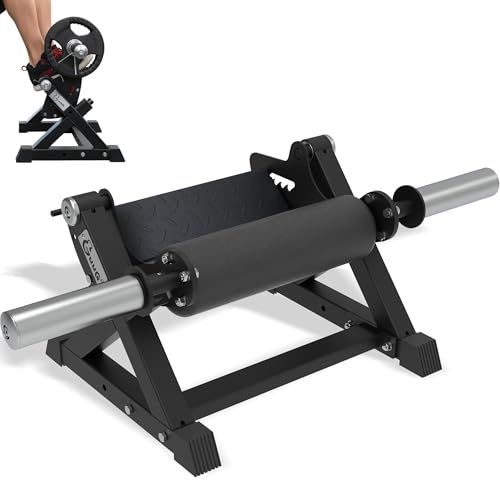
I don’t often review attachments, but this tibialis trainer is useful for accessory work that supports split squat strength. It’s built to accept 1″ and 2″ plates and offers a clean, compact way to load a tib bar for ankle and front-leg conditioning. If you struggle with ankle stiffness that ruins your Bulgarian split squats, this small tool can make a surprising difference.
Setup is quick. The bar is sturdy and plates lock on solidly. It doesn’t replace shoes, but I used it as a warm-up tool to improve ankle mobility and front-foot control. That translated to steadier reps in my Bulgarian split squats within a few sessions.
Pros:
- Solid plate compatibility (1″ and 2″)
- Compact and easy to store
- Improves ankle control for split squats
- Durable steel construction
- Fast setup for quick warm-ups
Cons:
- Not a shoe — accessory only
- Requires plates and a rack to use well
- Limited to specific warm-up motions
My Recommendation
This device is best for trainees who need targeted ankle and tibialis strengthening before attempting heavy Bulgarian split squats. I recommend it as a prep tool when mobility or ankle stiffness limits your range of motion. It offers good value and is easy to add to a home gym.
| Best for | Why |
| Ankle mobility work | Targets tibialis and dorsiflexion strength |
| Home gym setups | Compact and plate-compatible |
| Pre-squat warm-ups | Improves front-leg stability |
MANUEKLEAR Anti-Slip Lifting Shoe

This MANUEKLEAR model is a solid, flat, anti-slip trainer built for heavy lifts. It has a firm rubber sole and a snug upper that locks your foot in place. I found it particularly steady for split squats where toe grip and sole traction matter most.
The sole is low-profile, which is ideal for balanced splits. It won’t add a heel lift that shifts your weight. I used it for high-rep split squats and for heavier single-leg sets. It stayed planted and never felt squishy under load.
Pros:
- Excellent anti-slip rubber sole
- Low profile for stable single-leg work
- Snug fit keeps the foot locked
- Good for both men and women
- Durable build for gym use
Cons:
- Minimal arch support for some users
- Sizing runs slightly narrow
- Not ideal if you need a raised heel
My Recommendation
I recommend this shoe for lifters who want a reliable, flat sole for Bulgarian split squats. It is best for athletes who need grip and stability without a heel lift. If you want a low-profile shoe that holds under heavy reps, this is a strong option for best shoes for Bulgarian split squats.
| Best for | Why |
| Grip-focused lifters | Sticky rubber sole prevents slippage |
| Low-profile preference | Flat sole improves balance |
| Heavy single-leg sets | Solid build under load |
MANUEKLEAR Barefoot Deadlift Shoe

This barefoot-style shoe gives a close-to-ground feel. It has minimal drop and a wide toe box. I liked how it let my toes splay, which improved balance during split squats and taught me to press through the entire forefoot and heel.
Because the sole is thin, you feel the floor. That helps me judge foot placement on the bench and maintain a neutral ankle. It’s best if you already have good ankle mobility. For me, it made single-leg stability cleaner and more controlled.
Pros:
- Extremely low drop for natural foot position
- Wide toe box encourages toe splay
- Good ground feedback for balance
- Lightweight construction
- Works well for technique training
Cons:
- Limited cushioning for heavy loads
- Not ideal if you need heel elevation
- May need time to adapt for some lifters
My Recommendation
If you want a natural feel for Bulgarian split squats, this barefoot option is a winner. I recommend it for trainees who value proprioception and toe stability. It’s one of the best shoes for Bulgarian split squats when foot feedback matters most.
| Best for | Why |
| Technique-focused users | Better ground feel improves form |
| Toe splay supporters | Wide toe box aids balance |
| Lightweight training | Minimal weight for fast reps |
Nordic Lifting MEGIN Shoe

Nordic Lifting’s MEGIN is a classic weightlifting shoe with an elevated heel. It offers a stable platform and a firm midsole. I used it for split squats when a raised heel helped my front knee travel over the toe for deeper range.
That heel lift can benefit lifters with limited ankle dorsiflexion. It changes the mechanics slightly, letting you keep the torso more upright and increasing depth. I recommend it when mobility or squat mechanics demand a raised heel for safer reps.
Pros:
- Elevated heel for extra depth
- Very stable, solid base
- Fastens securely for locked-in feel
- Good for heavier lifts and O-lifts
- Durable construction
Cons:
- Less natural ground feel
- Not ideal for lifters who want barefoot contact
- Heavier than minimalist shoes
My Recommendation
I recommend the MEGIN for lifters who need a raised heel to reach deeper split squat range. I found it ideal when ankle mobility limits depth. It is one of the best shoes for Bulgarian split squats if you want a heel lift and stable platform.
| Best for | Why |
| Limited ankle mobility | Heel lift aids deeper range |
| Olympic lifters | Stable base for heavy work |
| Upright torso preference | Helps keep chest up |
Skerxut Cross-Trainer Shoes

The Skerxut cross-trainers are versatile and budget-friendly. They offer a balanced sole that isn’t too soft. I used them for mixed training days that included Bulgarian split squats and conditioning, and they held up well under repeated single-leg work.
Comfort is good for longer sessions. The grip is adequate and the shoe is breathable. If you want a multi-use shoe that handles split squats and cardio, these are worth testing.
Pros:
- Affordable and versatile
- Moderate cushioning for comfort
- Good grip for most gym floors
- Breathable upper material
- Handles mixed workouts well
Cons:
- Not as specialized for heavy lifting
- Sole may compress over time under very heavy loads
- Less stable than dedicated lifting shoes
My Recommendation
Pick these if you want a do-it-all shoe that still performs for Bulgarian split squats. I recommend them for trainees who mix cardio and strength. They offer decent stability but aren’t the top pick if you seek the absolute best shoes for Bulgarian split squats under heavy loads.
| Best for | Why |
| Mixed training | Handles cardio and strength |
| Budget buyers | Affordable with good value |
| Comfort seekers | Moderate cushioning for long sessions |
Single Leg Squat Roller

This roller is an accessory that improves your Bulgarian split squat setup. It mounts into a rack and supports the back leg, giving a more consistent foot position on the bench. I used it to speed up my warm-ups and maintain consistent reps during high volume phases.
For lifters who wrestle with bench height or foot slip, the roller gives a secure cradle for the back foot. It doesn’t replace shoes, but it complements good footwear to make reps safer and cleaner. I value it for coaching clients and quick equipment changes.
Pros:
- Consistent rear-foot placement
- Easy to install on racks
- Reduces setup time between sets
- Improves safety for high-volume work
- Useful in coached sessions
Cons:
- Accessory, not footwear
- Requires compatible rack holes
- Limits foot placement options for some drills
My Recommendation
Use this roller if bench slip or inconsistent rear-foot position hurts your Bulgarian split squats. I recommend it for gyms and home setups with a compatible rack. It pairs well with the best shoes for Bulgarian split squats to give repeatable, safe reps.
| Best for | Why |
| Consistent setup | Cradles the rear foot reliably |
| Coaches | Saves time and improves demo quality |
| High-volume training | Reduces fatigue from repositioning |
Barefoot Minimalist Shoe
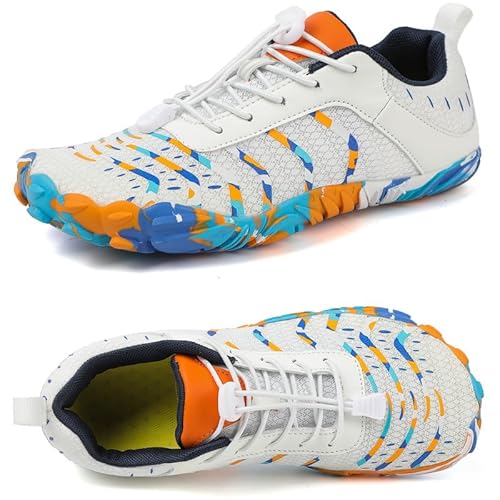
This barefoot shoe is zero-drop with a wide toe box. I like it for balance and learning to load the heel while keeping toes active. If you train barefoot or prefer ground feel, this shoe lets you do that while protecting the sole.
It’s lightweight and dries fast for sweaty sessions. I found I could cue clients to press through the heel more easily. For Bulgarian split squats, that heel drive is essential, and the shoe supports it without altering mechanics.
Pros:
- Zero drop for natural stance
- Wide toe box for toe splay
- Good for balance and proprioception
- Lightweight and quick-dry materials
- Protects the foot while keeping ground feel
Cons:
- Minimal cushioning for heavy loads
- Not suited to all gym floors
- Requires adaptation period
My Recommendation
I recommend this barefoot option for trainees seeking natural foot mechanics in their Bulgarian split squats. I used it to teach heel drive and foot pressure. It’s a strong pick for those who want the best shoes for Bulgarian split squats without extra heel height.
| Best for | Why |
| Natural stance lovers | Zero drop supports neutral mechanics |
| Technique coaching | Improves foot pressure awareness |
| Lightweight training | Minimal feel aids speed |
Osterland Weightlifting Shoes
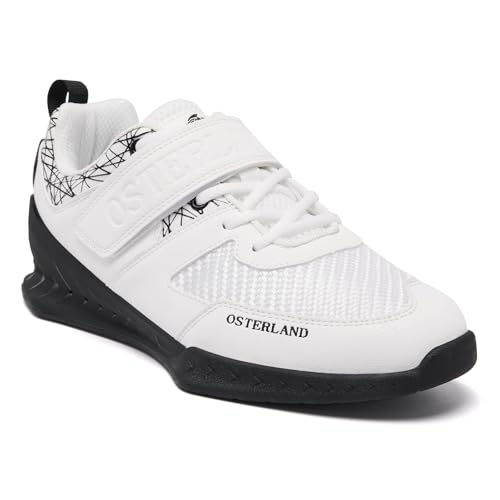
Osterland’s weightlifting shoes come with a 1.4-inch squat-friendly heel. They are stable and lock the foot. I like them when I need a balance between depth and a firm platform for heavier Bulgarian split squat sets.
The heel helps beginners get depth safely. The shoe also feels durable under heavier loads. I use them with lifters who can benefit from a modest heel lift without going full Olympic-lifting height.
Pros:
- Moderate heel height (1.4″) for depth
- Firm, stable base
- Good lockdown from straps or laces
- Durable build for frequent use
- Comfortable for longer sessions
Cons:
- Less ground feel than flat shoes
- Not as versatile for running or conditioning
- May feel bulky for some users
My Recommendation
This is my pick for lifters who need a modest heel for Bulgarian split squats. I recommend it for beginners or those with restricted ankle mobility. It’s an effective option among the best shoes for Bulgarian split squats when a small lift is helpful.
| Best for | Why |
| Novice lifters | Heel eases depth and form |
| Moderate-heavy training | Stable under load |
| Durability seekers | Built for repeated use |
ALEADER Barefoot Training Shoe

ALEADER’s barefoot trainer is thin and nimble. It gives me a close feel to the floor and a roomy forefoot. For Bulgarian split squats, that translates to better balance and less wobble when I press through my midfoot and heel.
The shoe is light and works well for conditioning days too. I’ve used it for mobility-focused sessions, and it helps reinforce proper ankle and foot mechanics. It’s a good barefoot-style option for gym-goers who also need some protection for the sole.
Pros:
- Thin sole for ground feedback
- Wide toe area for toe spread
- Lightweight and flexible
- Good for mobility and technique
- Comfortable for long sessions
Cons:
- Limited cushioning for heavy loads
- May wear faster than heavy lifters expect
- Not ideal for raised-heel preference
My Recommendation
I suggest this barefoot style for lifters focused on foot mechanics during Bulgarian split squats. I found it helps encourage proper pressure cues. It’s a solid pick if you want one of the best shoes for Bulgarian split squats with a barefoot feel.
| Best for | Why |
| Foot mechanics work | Thin sole improves feedback |
| Mobility days | Lightweight and flexible |
| Minimalist fans | Roomy toe box and low drop |
Grand Attack Barefoot Women

The Grand Attack barefoot shoe is tailored for women with a wide toe box and zero drop. I appreciated its room for toe movement and the secure but flexible upper. It felt stable during split squats and friendly for longer sessions.
It’s a practical choice for women who like barefoot training. I used it for both technique days and light-to-moderate weighted split squats. It enhances foot contact and helps lifters learn to press through the heel more consistently.
Pros:
- Wide toe box designed for women
- Zero-drop for neutral stance
- Light and breathable
- Good for cross-training
- Comfortable for long use
Cons:
- Not cushioned for very heavy loads
- May not suit those who prefer heel lifts
- Durability varies with use
My Recommendation
For women seeking a barefoot feel during Bulgarian split squats, this shoe is a great fit. I recommend it for technique refinement and balanced foot pressure. It’s one of the best shoes for Bulgarian split squats if you want a female-focused minimalist option.
| Best for | Why |
| Women lifters | Design and fit tailored for female feet |
| Technique work | Neutral drop improves balance |
| Cross-training | Lightweight and breathable |
FAQs Of best shoes for bulgarian split squats
Do I need a raised heel for Bulgarian split squats?
Not always. A raised heel helps if you have limited ankle dorsiflexion. I usually recommend flat or minimal shoes if you can reach depth with good form. Use raised heels only to correct mobility limits.
Are barefoot shoes safe for heavy split squats?
They can be if you have strong ankles and good technique. I advise progressive loading. Barefoot shoes give ground feel, but they lack cushioning for very heavy loads.
Which sole type prevents slipping on the bench?
Sticky rubber soles work best. I prefer flat, tacky soles that don’t compress under load. That reduces rear-foot movement and improves rep consistency during Bulgarian split squats.
How do I choose between flat and heeled shoes?
Test both. If your ankle mobility is fine, flat shoes often feel more natural. If you can’t hit depth or you lean forward, try a moderate heel. I always prioritize stability and form over trends.
Can regular running shoes be used?
No. Running shoes usually have soft midsoles and elevated heels that make single-leg balance worse. I avoid recommending them for heavy Bulgarian split squats.
Final Verdict: Which Should You Buy?
For most lifters, a low-profile, flat-soled shoe with sticky rubber is the best shoes for Bulgarian split squats. It gives balance, grip, and a direct feel underfoot for safe, effective reps.
If you need depth or have mobility issues, choose a moderate heel shoe. Overall, pick the shoe that matches your ankle mobility and training style for the fastest progress.
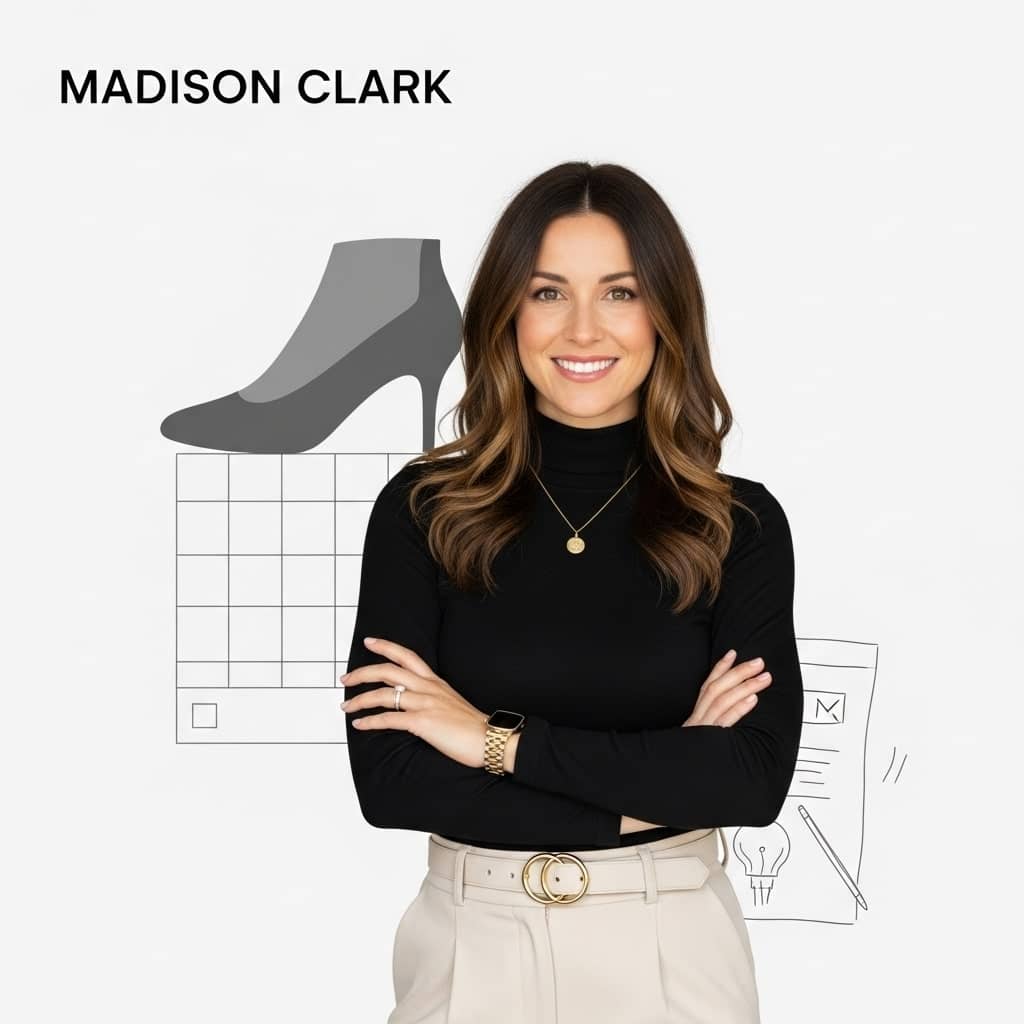
Madison Clark is a footwear expert and the voice behind MyStyleGrid.com. She specializes in honest shoe reviews, style tips, and practical guides to help readers find the perfect pair for any occasion. With years of experience in blogging and content creation, Madison makes footwear knowledge simple, stylish, and easy to follow.