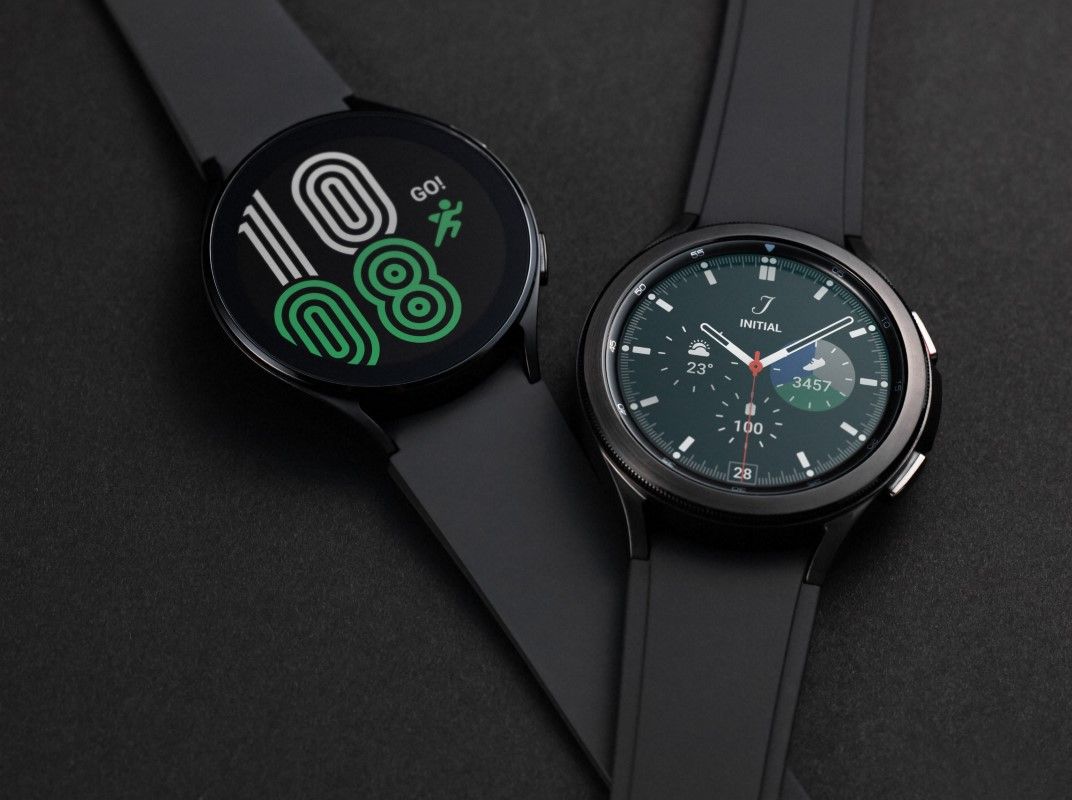
Yes, the Galaxy Watch 4 is water-resistant, but it is not completely waterproof.
The Samsung Galaxy Watch 4 has a 5ATM water-resistance rating and an IP68 rating, so it can handle rain, sweat, handwashing, and some shallow-water activities. However, water resistance is not permanent, and the watch is not designed for diving, high-pressure water, or long periods in harsh water. This guide explains what the ratings mean, where the limits are, and how to protect your watch in daily use.
Is the Galaxy Watch 4 waterproof?
The Galaxy Watch 4 is not fully waterproof. The more accurate term is water-resistant because the watch can resist water under specific test conditions, but it cannot block water forever or in every situation.
Samsung lists two key protection ratings for the Galaxy Watch 4:
- 5ATM water resistance
- IP68 dust and water resistance
The 5ATM rating means the watch was tested under pressure equal to a 50-meter water depth. This does not mean you can safely wear it 50 meters underwater. The test uses still, controlled water. Real swimming creates movement, pressure changes, and force that can exceed laboratory conditions.
The IP68 rating means the watch is protected from dust and can withstand freshwater immersion up to a limited depth and time under controlled testing. These ratings work together, but neither rating makes the Galaxy Watch 4 suitable for every water activity.
A simple way to understand it is to think of water resistance as a rain jacket, not a submarine. It offers strong protection in normal conditions, but it has limits.

What do the Galaxy Watch 4 water-resistance ratings mean?
Understanding the labels helps answer the question, “Is the Galaxy Watch 4 waterproof?” The two ratings measure different types of protection.
What does 5ATM mean?
5ATM refers to pressure resistance. The rating is based on the ISO 22810:2010 standard for water-resistant watches. In testing, the watch faces pressure similar to water at a depth of 50 meters.
In daily life, 5ATM usually supports activities such as:
- Walking in the rain
- Sweating during exercise
- Washing your hands
- Swimming in a pool
- Swimming in calm, shallow water
The rating does not cover scuba diving, water skiing, cliff jumping, or fast-moving water. Sudden impact and strong water pressure can push water past the watch seals.
What does IP68 mean?
IP68 is an international protection rating. The first number, 6, means the watch has strong protection from dust. The second number, 8, means it can handle freshwater immersion under set laboratory conditions.
IP68 does not mean protection from every liquid. Saltwater, chlorinated water, soap, shampoo, and chemicals can affect the seals and metal parts over time.
This is why the answer to “Is the Galaxy Watch 4 waterproof?” must include a warning: the rating describes tested resistance, not a permanent promise.
Can you swim with the Galaxy Watch 4?
Yes, you can generally swim with the Galaxy Watch 4 in a pool or calm water. Samsung designed the watch to support swimming, and it includes swimming-related workout tracking features.
Before entering the water, check these points:
- Make sure the watch, band, and charging contacts are clean.
- Check the screen and case for cracks.
- Turn on Water lock mode.
- Use a secure band that will not loosen during movement.
- Avoid jumping into water while wearing the watch.
- Rinse the watch with fresh water after swimming.
Water lock mode helps prevent accidental screen touches. It does not improve the physical water seal. When you turn it off, the watch plays a sound to help push water from the speaker opening.
A pool is usually safer than the ocean because saltwater can leave deposits and speed up corrosion. If you swim in the sea, rinse the watch with clean, fresh water afterward and dry it with a soft cloth.
Is the Galaxy Watch 4 safe in the shower?
The Galaxy Watch 4 may survive a normal shower, but regular shower use is not ideal. Hot water, steam, soap, shampoo, and strong spray can place extra stress on the watch seals.
The biggest risks are not just water depth. They include:
- High water temperature
- Direct spray pressure
- Soap and cleaning products
- Sudden temperature changes
- Steam entering small openings
- Repeated exposure over time
A quick cool shower may not damage a healthy watch, but avoiding the shower is the safer habit. The same advice applies to hot tubs, saunas, and steam rooms.
Many people ask, “Is the Galaxy Watch 4 waterproof in the shower?” The practical answer is that it is water-resistant enough to handle accidental splashes, but Samsung does not recommend treating it like a shower-safe device in every situation.

Can the Galaxy Watch 4 handle saltwater and chlorine?
The Galaxy Watch 4 can tolerate limited exposure to pool or seawater, but neither type of water is harmless. Chlorine can affect materials, while saltwater can leave residue and encourage corrosion.
If you wear the watch while swimming:
- Rinse it with fresh water soon after leaving the pool or sea.
- Avoid pressing buttons while the watch is wet.
- Dry the case, band, and speaker area with a soft, clean cloth.
- Let the watch dry fully before charging it.
- Do not use a hair dryer, heater, or compressed air.
Do not use soap or strong cleaners to wash the watch. Fresh, clean water is usually enough. If the watch has a fabric or leather band, follow the band maker’s care instructions because the band may be less water-resistant than the watch itself.
The watch’s water rating does not automatically apply to every replacement band. A leather band, for example, can stain, swell, or crack when exposed to water.

What activities should you avoid with the Galaxy Watch 4?
The Galaxy Watch 4 is suitable for normal daily exposure and calm swimming, but some activities create too much pressure or impact.
Avoid wearing it for:
- Scuba diving
- Free diving
- Water skiing
- Jet skiing
- Surfing in heavy waves
- Rafting in fast water
- Cliff jumping
- High-pressure water sports
- Hot tubs and saunas
- Long exposure to saltwater or chemicals
The question “Is the Galaxy Watch 4 waterproof for diving?” has a clear answer: no. The 5ATM label should not be treated as a diving certification.
Strong water movement can act like a hammer against the watch. Even if the water is not very deep, speed and impact can force water into openings. A fall onto the water can be more damaging than a slow swim.

Does water resistance wear out over time?
Yes, water resistance can weaken. The Galaxy Watch 4 uses seals and adhesives to keep water away from internal parts. These materials can age due to heat, sweat, cleaning products, drops, scratches, and normal wear.
Water resistance may decline faster if:
- The watch has been dropped.
- The screen or case has a crack.
- The back cover is loose or damaged.
- The watch has been repaired by an unapproved service.
- You often expose it to hot water.
- You swim in saltwater without rinsing it.
- The watch has been used for several years.
A key lesson from real-world device care is that water damage often happens after a small accident, not during the first swim. A drop may create damage that is difficult to see but still weakens the seal.
Do not assume a watch is protected just because it worked after getting wet once. Water can cause slow corrosion, which may appear later as charging problems, screen issues, speaker distortion, or battery failure.

What should you do if the Galaxy Watch 4 gets wet?
If the Galaxy Watch 4 gets wet during normal use, take a few simple steps.
- Remove the watch from the water.
- Wipe the case with a soft, dry cloth.
- Rinse away salt, chlorine, or soap with fresh water.
- Shake it gently to help remove water from the speaker.
- Let it air-dry in a cool place.
- Wait until it is fully dry before charging it.
Do not insert objects into the speaker, microphone, or charging area. Do not use rice, a hair dryer, direct sunlight, or a heat source. Heat can damage the battery and may push moisture deeper into the device.
If the screen flickers, the watch will not charge, the buttons behave oddly, or the speaker sounds muffled after drying, stop using it and contact Samsung support or a qualified repair center.
The answer to “Is the Galaxy Watch 4 waterproof after water damage?” is no. Once the internal seal or electronics are damaged, the original rating can no longer be trusted.

How to protect your Galaxy Watch 4 from water damage
Good habits can greatly reduce the risk of trouble. The watch is more likely to last when you treat its water rating as extra protection rather than an invitation to test its limits.
Use these practical tips:
- Keep the watch away from hot tubs and steam rooms.
- Avoid wearing it during high-impact water sports.
- Rinse it after pool or ocean use.
- Dry it before placing it on the charger.
- Inspect the case after a drop.
- Replace damaged bands and cracked screen covers.
- Keep the charging contacts clean and dry.
- Avoid strong soaps and chemical cleaners.
- Use Water lock mode when swimming.
- Store the watch in a dry place when you are not wearing it.
A screen protector can help reduce scratches, but it does not restore water resistance after a crack or case separation. Likewise, a waterproof case may add protection, but it cannot turn the Galaxy Watch 4 into a professional dive watch.
Galaxy Watch 4 water resistance compared with waterproof devices
Many product pages use the word “waterproof” because it is easier to understand. In technical terms, most watches are water-resistant rather than permanently waterproof.
The Galaxy Watch 4 offers useful protection for everyday life and casual swimming. A dedicated dive watch may provide a higher depth rating, stronger construction, and testing for specific underwater conditions.
Here is a simple comparison:
- Galaxy Watch 4: Suitable for rain, sweat, splashes, and calm swimming.
- Basic splash-resistant watch: Suitable for light rain and handwashing.
- Dive watch: Built for deeper underwater use and specific pressure conditions.
- Fitness tracker: Water protection varies by model and may not support swimming.
This comparison explains why the answer to “Is the Galaxy Watch 4 waterproof?” depends on the activity. It is well protected for normal use, but it is not a professional underwater instrument.
Common mistakes to avoid
One common mistake is reading “50 meters” as permission to swim 50 meters deep. That number comes from a pressure test, not a promise about real-world underwater depth.
Another mistake is charging the watch while it is damp. Moisture near the charging contacts can cause corrosion or electrical problems. Always dry both the watch and charger first.
People also forget that water resistance is not the same as impact resistance. A watch that survives a swim may fail after hitting the side of a pool or landing hard in water.
Finally, do not rely on Water lock mode as a safety shield. It prevents accidental touches and helps clear the speaker, but it cannot repair a damaged seal or block high water pressure.
Frequently Asked Questions
Is the Galaxy Watch 4 completely waterproof?
No. The Galaxy Watch 4 is water-resistant, with 5ATM and IP68 ratings, but no consumer smartwatch is protected from every water condition. Its resistance can also weaken after damage or long-term wear.
Can I wear the Galaxy Watch 4 while swimming?
Yes, the Galaxy Watch 4 is generally suitable for swimming in a pool or calm water. Rinse and dry it afterward, and avoid diving, strong waves, and high-impact water activities.
Can I wear the Galaxy Watch 4 in the ocean?
You can use it in the ocean for limited swimming, but saltwater may damage materials over time. Rinse the watch with fresh water after use and dry it before charging.
Is the Galaxy Watch 4 safe to wear in the shower?
It may handle occasional splashes, but regular showers are not recommended. Hot water, steam, soap, shampoo, and direct spray can reduce the reliability of the water seals.
Does Water lock make the Galaxy Watch 4 waterproof?
No. Water lock prevents accidental screen touches and helps remove water from the speaker after swimming. It does not increase the watch’s water-resistance rating.
Can I dive with the Galaxy Watch 4?
No. The Galaxy Watch 4 is not designed for scuba diving, free diving, or deep underwater use. Its 5ATM rating should not be treated as a diving certification.
What should I do if my Galaxy Watch 4 stops working after getting wet?
Dry the watch fully and do not charge it while damp. If it still has screen, speaker, charging, or button problems, contact Samsung support or a qualified repair professional.
Conclusion
So, is the Galaxy Watch 4 waterproof? Not completely. It is water-resistant enough for rain, sweat, splashes, handwashing, and calm swimming, thanks to its 5ATM and IP68 ratings.
Still, avoid diving, hot water, high-pressure spray, and rough water sports. Rinse the watch after saltwater or pool use, dry it before charging, and remember that water resistance can fade after drops, repairs, and years of wear.
Treat the Galaxy Watch 4 like a well-made rain jacket, not a submarine. Use these habits to protect your watch, and explore more smartwatch care guides or share your experience in the comments.

Rubel Miah is the Senior Editor at MyStyleGrid.com, where he brings a sharp editorial eye and an unshakable love for fashion to everything he does. A true style addict, Rubel lives and breathes trends, from streetwear to high fashion, and has a knack for turning inspiration into impactful stories. With years of experience in fashion journalism and digital media, he curates content that empowers readers to express themselves through style. When he’s not editing features or forecasting the next big thing, you’ll find him hunting down vintage pieces or capturing street style moments around the city.