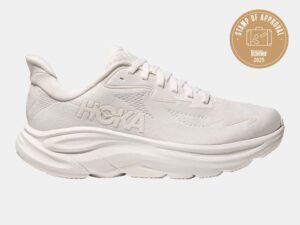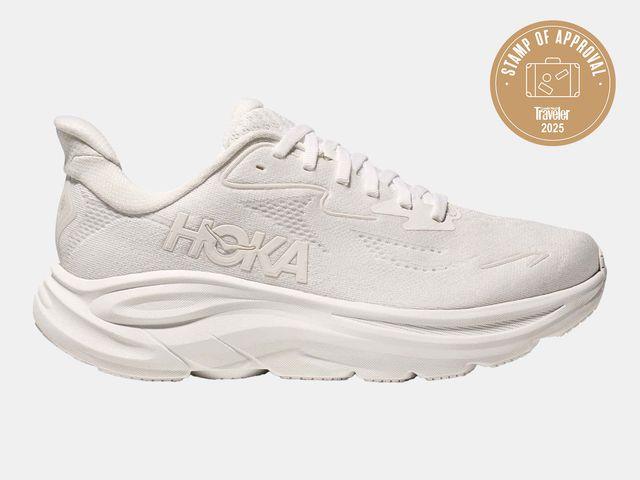
Yes, tennis shoes can be good for walking when they fit well and offer the support your feet need.
Are tennis shoes good for walking? In many cases, yes. Modern tennis shoes offer cushioning, grip, stability, and strong side support, which can make them useful for daily walks. Still, they are built for quick court moves, not always for long, steady steps. This guide explains when tennis shoes work well, when walking shoes are better, and how to choose the right pair for your feet.

Are tennis shoes good for walking?
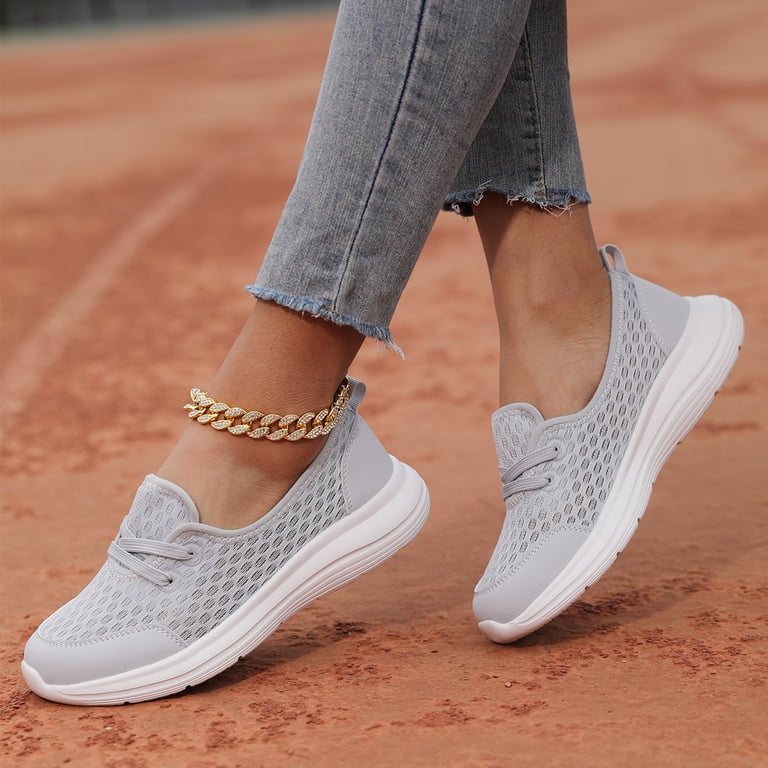
Tennis shoes can be good for walking, especially on sidewalks, paved paths, school campuses, and shopping trips. They are made to handle repeated impact and sudden movement. That often gives them a firm feel, a stable base, and durable traction.
The best choice depends on your walking style. A person who walks for 20 minutes may enjoy tennis shoes. Someone who walks several miles each day may prefer a lighter walking shoe with more flexible cushioning.
When people ask, “Are tennis shoes good for walking?” the most accurate answer is: they can be, but the shoe must match the activity and the foot.
Tennis shoes are often helpful for:
• Short to moderate daily walks
• Walking on smooth outdoor surfaces
• People who want firm side-to-side support
• Walkers who also play tennis or pickleball
• People who prefer a snug, secure shoe
They may feel less comfortable during long walks if the sole is stiff, the shoe is heavy, or the design does not bend well under the toes.
:max_bytes(150000):strip_icc()/vwt-walking-shoes-test-ryka-devotion-x-sahara-borja-02-18807b688fbb49e4ba30a3ee438600cb.jpeg)
What makes tennis shoes different from walking shoes?
Tennis shoes and walking shoes may look alike, but they serve different purposes. A tennis shoe is built for quick starts, stops, pivots, and side steps. A walking shoe is built for a smooth heel-to-toe motion.
The design differences can affect comfort in simple but important ways.
Tennis shoe features
Tennis shoes often include:
• Strong side support to reduce unwanted foot movement
• A wide, stable base for court balance
• Durable rubber outsoles for frequent contact with hard courts
• Firm midsoles that help the foot feel secure
• Protective toe areas for dragging and sudden stops
These features are useful during tennis. They can also help walkers who want a stable shoe for errands or casual exercise.
Walking shoe features
Walking shoes usually include:
• A flexible forefoot that bends near the toes
• Lightweight cushioning for repeated steps
• A smooth heel-to-toe transition
• Breathable materials for longer wear
• A sole designed for forward movement
Walking shoes may not offer as much side support as tennis shoes. However, they often feel easier and more natural during long walks.
The answer to “Are tennis shoes good for walking?” becomes clearer when you compare movement patterns. Tennis involves many directions. Walking mainly moves forward.
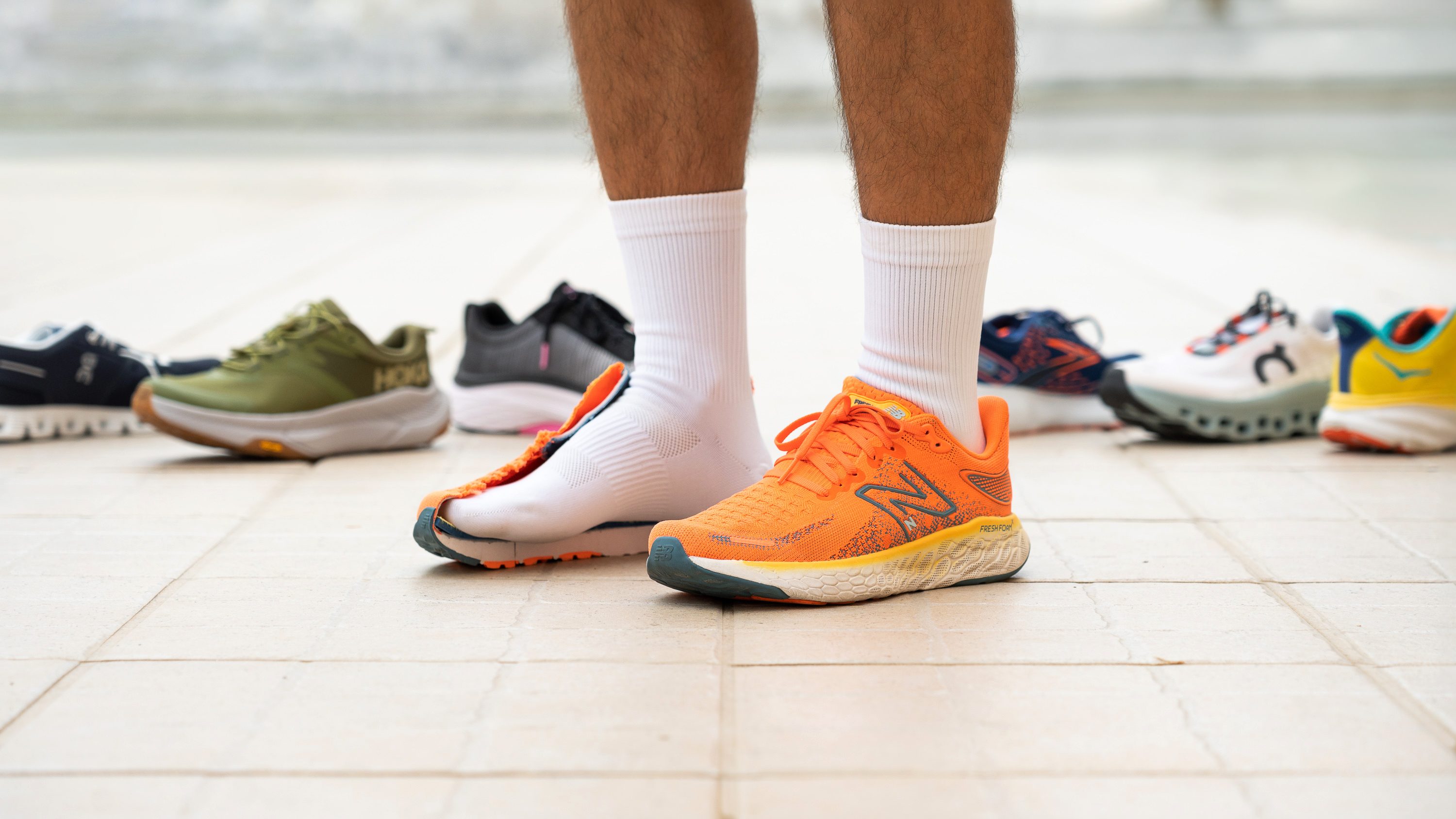
Benefits of wearing tennis shoes for walking
Tennis shoes can be a practical choice for many people. They are not only for athletes. Their structure may support daily movement, especially when your route includes uneven pavement or quick changes in direction.
1. They offer strong stability
A stable shoe can help your foot feel planted. This may be useful if you walk on cracked sidewalks, crowded areas, or mixed surfaces.
Many tennis shoes have a broad outsole. This can make the shoe feel steady under the heel and midfoot. A stable base may also help people who dislike soft, sinking foam.
2. They provide useful side support
Walking is mostly a forward motion, but daily life is not. You may turn quickly, step around a child, move across a parking lot, or walk over grass.
Tennis shoes are made for these changes. Their sidewalls and upper materials often hold the foot securely. This is one reason some people find tennis shoes more supportive than basic sneakers.
3. They tend to last well
Hard courts wear down shoes quickly. Because of this, tennis shoes often use tough rubber and reinforced materials.
That durability can help if you walk often. A durable shoe may cost more at first but last longer than a thin casual sneaker. Still, durability should not replace comfort. A shoe can last for years and still be wrong for your feet.
4. They offer good traction
Tennis shoes are designed to grip court surfaces. This can help on dry pavement, gym floors, and smooth paths.
Grip is especially useful for people who walk in wet seasons. However, court shoes are not always ideal for snow, deep mud, or rocky trails. The tread pattern may not be deep enough for those conditions.
5. They can work well for active lifestyles
If you walk, play tennis, attend fitness classes, and run errands in the same day, tennis shoes may be convenient.
You may not need several pairs of shoes for every activity. A good tennis shoe can serve as a flexible option, as long as it feels comfortable during each activity.

When tennis shoes may not be the best choice
Tennis shoes are not automatically the best walking shoes. Their extra support can become a drawback if it makes the shoe heavy or stiff.
Here are signs that another type of shoe may work better:
• You walk more than five miles at a time
• The shoe feels hard under the toes
• Your feet feel hot after short walks
• You notice rubbing at the heel or ankle
• Your legs feel tired soon after putting the shoes on
• The shoe does not bend with your natural step
• You have a foot condition that needs special support
A stiff tennis shoe may limit the natural roll of your foot. This can make long walks feel tiring. A heavy shoe can also increase the effort needed with every step.
People with plantar fasciitis, arthritis, bunions, flat feet, or recurring ankle pain may need a more specific design. A podiatrist or physical therapist can help if pain continues.
It is also important to remember that shoes do not fix every walking problem. Pain may come from training too fast, poor posture, weak muscles, an injury, or an unsuitable walking surface.

Tennis shoes versus walking shoes: Which should you choose?
The right shoe depends on the type of walking you do. Use your usual distance, surface, pace, and foot comfort as your guide.
| Your walking needs | Often better choice |
|---|---|
| Short errands and casual walks | Tennis shoes or comfortable sneakers |
| Long walks on pavement | Walking shoes with flexible cushioning |
| Walking and playing tennis | Tennis shoes |
| Indoor gym walking | Tennis shoes or cross-training shoes |
| Uneven park paths | Stable walking shoes or light trail shoes |
| Walking on rocky trails | Trail shoes or hiking shoes |
| Fast fitness walks | Lightweight walking or running shoes |
| Daily standing and walking | Cushioned walking shoes |
Are tennis shoes good for walking when you need one pair for many tasks? They can be. Choose them if they feel comfortable, bend well, and do not cause pain.
Walking shoes are often better for people who focus on distance. Tennis shoes are often better for people who want stability and side support.

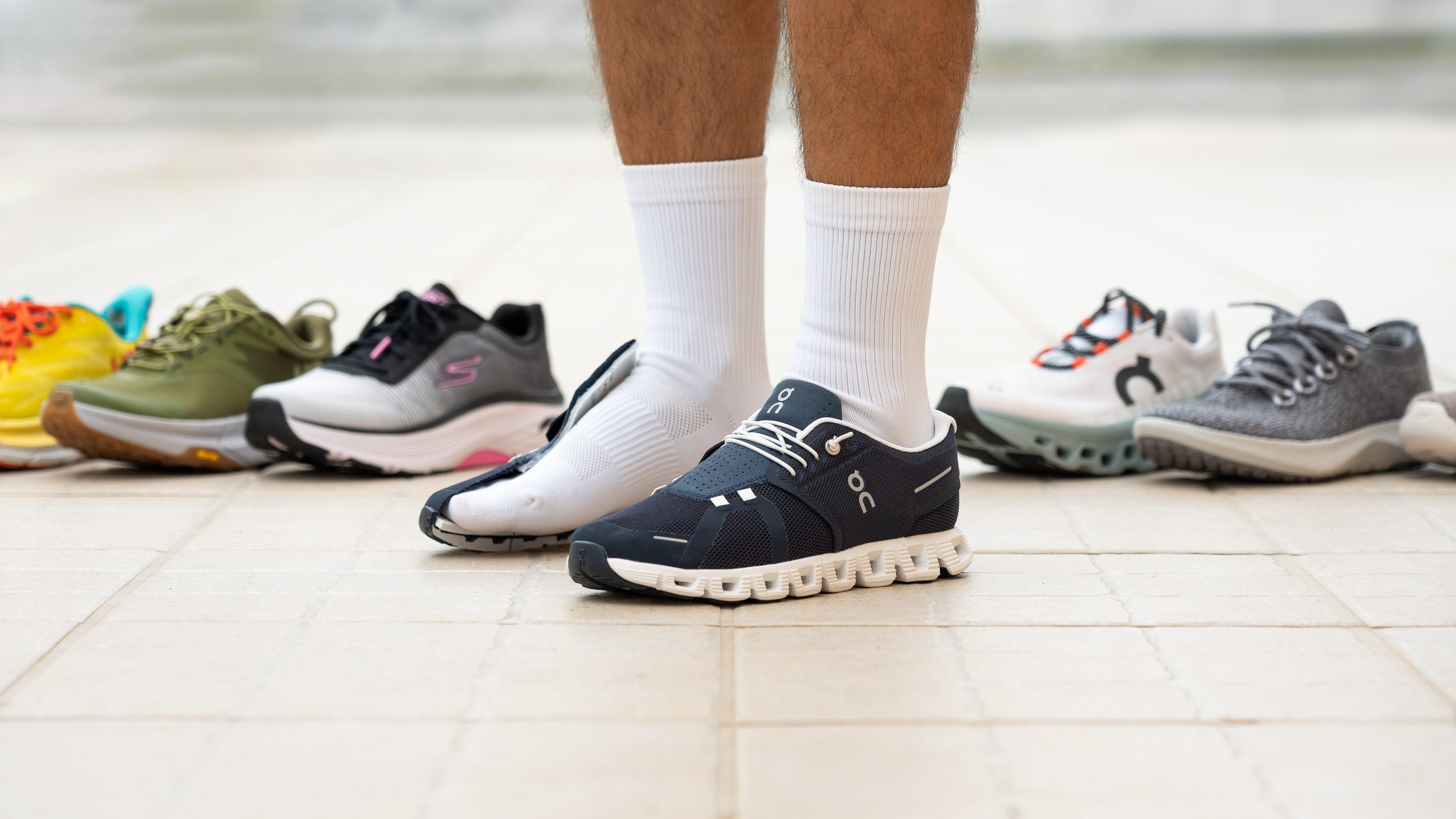
How to choose tennis shoes for walking
Choosing the right tennis shoe is more important than choosing a popular brand. Your foot shape and walking habits should guide the decision.
Check the fit
Your shoe should hold your foot without squeezing it. Leave about a thumb’s width between your longest toe and the end of the shoe.
Try both shoes at the end of the day. Feet often swell slightly after hours of activity. A shoe that fits in the morning may feel tight later.
Look for:
• A secure heel that does not slip
• Enough room for your toes to spread
• No pressure on bunions or the sides of your feet
• A snug midfoot without numbness
• Space for the socks you normally wear
Test the bend
Hold the shoe at both ends and gently bend it. A walking-friendly tennis shoe should bend near the ball of the foot.
Avoid a shoe that bends in the middle like a cloth slipper. It may not give enough support. Also avoid a shoe that barely bends at all unless you need a very firm design.
Assess the weight
Pick up both shoes. Heavy shoes may feel strong, but they can tire your legs during long walks.
For casual walking, a moderate-weight tennis shoe may be fine. For daily distance walking, choose a lighter model if it still gives enough support.
Look at the outsole
A smooth, worn outsole can reduce grip. Check that the rubber covers the areas that contact the ground most.
For pavement, look for durable rubber. For wet paths, choose a pattern with enough texture. Avoid using indoor court shoes outside if their outsole is not made for outdoor surfaces.
Wear them before a long walk
Do not wear brand-new tennis shoes on a five-mile walk. Start with short periods at home or on a brief walk.
This helps you find pressure points early. It also gives the materials time to soften before you depend on them for a long day.
Can tennis shoes help with foot pain?
Tennis shoes may help some people because they offer firm support and cushioning. However, they do not treat the cause of foot pain.
For example, a person with mild discomfort may feel better in a stable shoe with a wide toe box. Another person may need more arch support, a softer heel, or custom orthotics.
Foot pain should not be ignored if it:
• Lasts more than a few days
• Gets worse during each walk
• Causes swelling or redness
• Produces numbness or tingling
• Changes the way you walk
• Follows a fall or sudden injury
A professional evaluation is wise when pain keeps returning. The American College of Foot and Ankle Surgeons and other clinical groups commonly recommend proper fit and medical assessment for ongoing foot problems.
A key lesson from shoe testing is simple: comfort is personal. A shoe that feels supportive to one person may feel restrictive to another. Do not buy based only on a friend’s recommendation or an online rating.
Common mistakes to avoid when wearing tennis shoes for walking
Many walking problems come from small shoe mistakes. These errors are easy to prevent.
Choosing style over fit
A bright color or famous logo cannot make an uncomfortable shoe fit better. Always put comfort first.
Buying the wrong size
Feet can change over time. Pregnancy, aging, weight changes, and swelling may affect shoe size. Measure both feet and use the larger foot as your guide.
Ignoring the toe box
Your toes need room to move. A narrow toe box may worsen pressure on bunions, corns, and toenails.
Using worn-out shoes
Tennis shoes can look fine while their cushioning has weakened. Replace them when the tread is worn, the midsole feels flat, or discomfort starts during normal walks.
There is no single mileage number that works for everyone. Body weight, walking surface, shoe quality, and walking style all affect shoe life.
Wearing court shoes for rough trails
Outdoor tennis shoes may handle pavement well, but they are not the same as trail shoes. Rough trails need deeper traction, stronger protection, and better water resistance.
Skipping socks
Bare feet can create friction and moisture. Wear clean socks that fit well and reduce rubbing.
How long do tennis shoes last for walking?
Tennis shoes used for walking may last several months to more than a year. The exact lifespan depends on how often you use them and where you walk.
A person who walks three miles every day may wear out a pair much faster than someone who uses them for short errands. Hard pavement also causes more wear than a soft indoor floor.
Inspect your shoes every few weeks. Replace them when you notice:
• Uneven tread wear
• Cracks in the rubber
• A compressed or tilted midsole
• Heel slipping that was not present before
• New foot, knee, or leg discomfort
• Visible holes or broken support panels
Some experts suggest rotating two pairs of shoes. This gives the foam time to recover and lets you notice changes in each pair. Rotation is not required, but it may help active walkers extend shoe life.
How to make tennis shoes more comfortable for walking
Small changes can improve the walking experience.
First, use the right lacing method. If your heel slips, use the top eyelets to create a heel-lock lace. If the top of your foot feels tight, skip one set of eyelets in that area.
Second, choose socks that manage moisture and do not bunch up. Thick socks may help some people, but they can make a tight shoe worse.
Third, break in the shoes slowly. Wear them for 20 to 30 minutes at first. Increase the time only if your feet feel comfortable.
Finally, keep your walking pace natural. A supportive shoe cannot replace gradual training. Increase distance slowly, especially after a long break from exercise.
Are tennis shoes good for walking every day?
They can be good for daily walking if they remain comfortable and provide enough support. Check your feet after each walk during the first week. Redness, blisters, or pain may signal a poor fit.
Daily walkers should also pay attention to recovery. Rest, stretching, and strength work can support healthy movement. Shoes are one part of a walking plan, not the whole plan.
If you walk every day for fitness, compare a tennis shoe with a walking shoe before deciding. Walk in each pair for at least 15 minutes. Notice which shoe feels smoother, lighter, and less tiring.
The best answer to “Are tennis shoes good for walking?” may change as your routine changes. A tennis shoe may be perfect for a short commute but less suitable for a weekend distance walk.
Are tennis shoes good for walking? Frequently asked questions
Can I wear tennis shoes for a long walk?
Yes, you can wear tennis shoes for a long walk if they fit well, feel flexible, and do not cause pain. Test them on shorter walks first so you can spot rubbing or pressure before going farther.
Are tennis shoes better than running shoes for walking?
Neither is always better. Tennis shoes offer more side stability, while running shoes often provide lighter weight and softer forward-motion cushioning.
Are tennis shoes good for walking on concrete?
They can work well on concrete because their durable soles and stable structure handle hard surfaces. For frequent or long walks on concrete, a well-cushioned walking shoe may reduce fatigue.
Can tennis shoes help with flat feet?
Some tennis shoes may feel supportive for people with flat feet, but support needs vary. If flat feet cause pain, swelling, or repeated injuries, ask a podiatrist or physical therapist for advice.
How should tennis shoes fit for walking?
They should feel secure at the heel and midfoot, with enough room for your toes to move. Leave about a thumb’s width between your longest toe and the front of the shoe.
When should I replace tennis shoes used for walking?
Replace them when the tread is worn, the sole feels flat, or pain begins during normal use. Visible damage is another clear sign that the shoes no longer provide reliable support.
Conclusion
So, are tennis shoes good for walking? Yes, they can be an excellent option for short and moderate walks, daily errands, and mixed activities. Their strong grip, stable base, and side support are useful, but a walking shoe may be better for long distances or fitness walking.
Focus on fit, flexibility, weight, cushioning, and the surface where you walk. Try shoes late in the day, break them in slowly, and replace them when comfort or support fades. Choose the pair that lets you walk with ease, then explore more footwear guides or share your walking experience in the comments.

Madison Clark is a footwear expert and the voice behind MyStyleGrid.com. She specializes in honest shoe reviews, style tips, and practical guides to help readers find the perfect pair for any occasion. With years of experience in blogging and content creation, Madison makes footwear knowledge simple, stylish, and easy to follow.