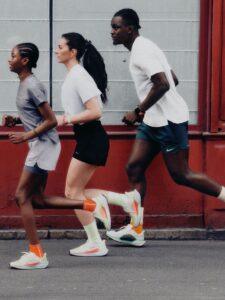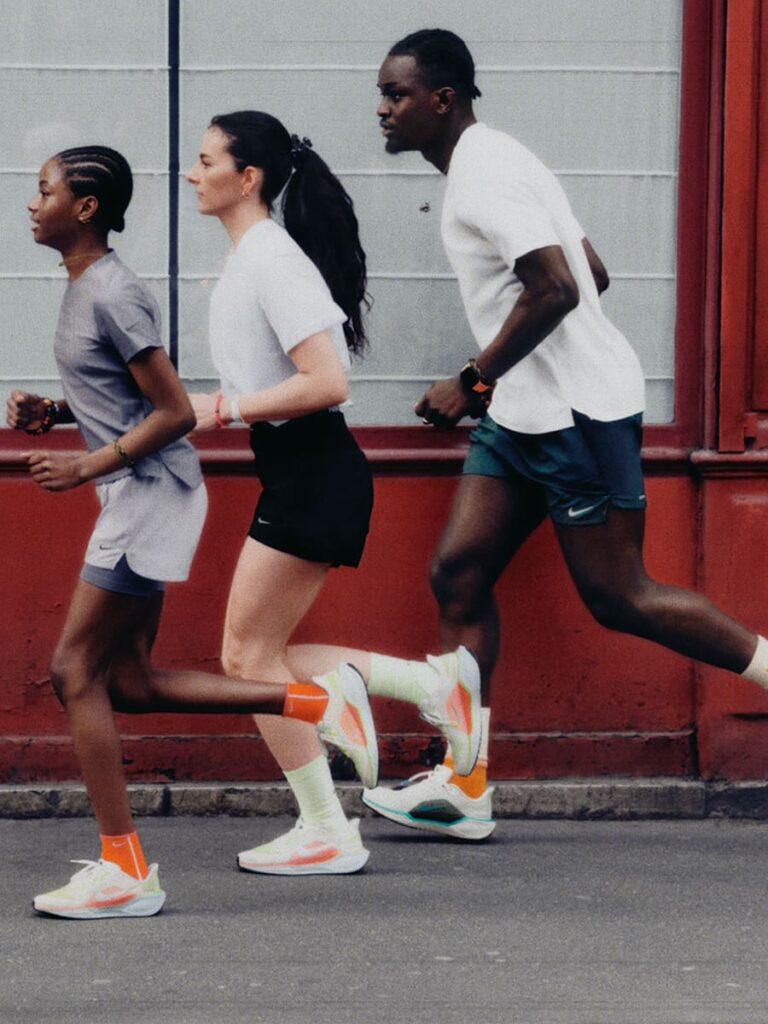
Walking shoes and running shoes are not the same because each is built for a different type of movement.
The question “are walking shoes and running shoes the same” matters because the wrong pair can cause discomfort, blisters, or poor support. Both shoe types protect your feet, but their cushioning, shape, flexibility, and motion control serve different needs. This guide explains the key differences so you can choose with confidence.
Are walking shoes and running shoes the same?
No, walking shoes and running shoes are not the same. They may look alike, and some shoes can work for both activities, but their designs are based on different foot movements.
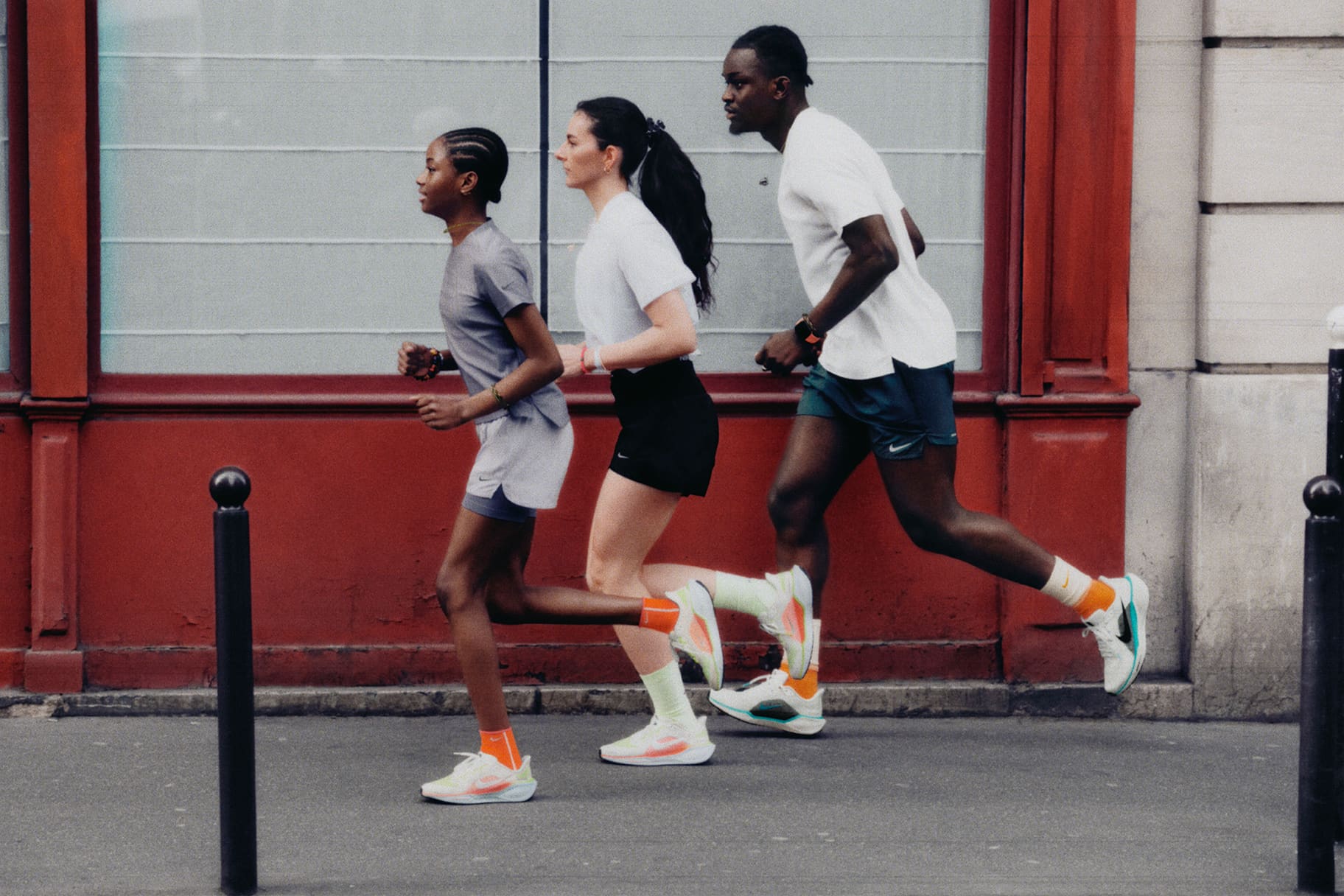
Walking usually creates a smooth heel-to-toe motion. Running creates greater impact and more forward movement. A runner may land with two to three times their body weight on each foot, according to research on running biomechanics. This is why running shoes often have more cushioning and a lighter build.
Walking shoes often focus on:
- Firm, stable support
- A smooth heel-to-toe transition
- Moderate cushioning
- Strong durability
- A flatter sole
Running shoes often focus on:
- Impact protection
- Forward motion
- Lightweight materials
- Flexible forefoot areas
- Breathable mesh
- Different levels of stability or motion control
So, are walking shoes and running shoes the same in everyday use? Not always. A comfortable running shoe may work well for casual walking, but a stiff walking shoe may not offer enough shock control for regular runs.

How walking shoes are designed
Walking shoes support a steady pace and a controlled stride. Most walkers land on the heel first, then move through the midfoot before pushing off with the toes. The shoe must support this pattern without feeling heavy or rigid.
A typical walking shoe may have a firm heel counter. This helps keep the heel in place. It may also have a broad base, which can improve balance on sidewalks, floors, and paved trails.
Many walking shoes use dense foam in the midsole. This foam may feel less soft than the foam in a running shoe, but it can provide a more stable platform. That stability is useful for long work shifts, travel, or daily walks.
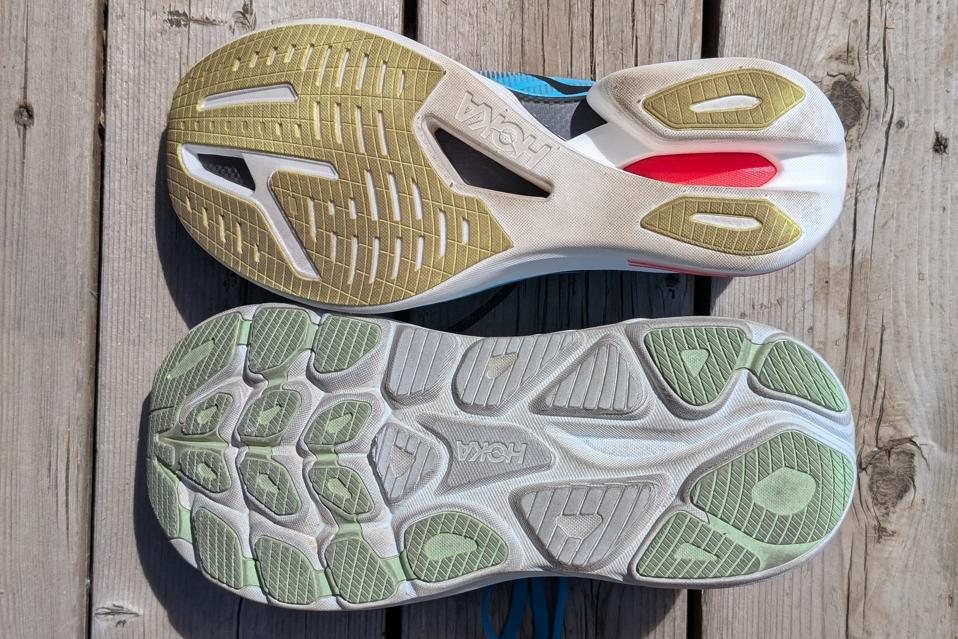
The outsole also matters. Walking shoes often use durable rubber in areas that contact the ground most. This can help the shoe last through repeated steps on hard surfaces.
Walking shoes may be a good choice for:
- Daily walks
- Standing for long hours
- Commuting
- Travel
- Treadmill walking
- Light errands
- People who prefer a stable feel
Still, not every walking shoe suits every foot. A person with flat feet, high arches, heel pain, or arthritis may need a special fit or advice from a health professional.
How running shoes are designed
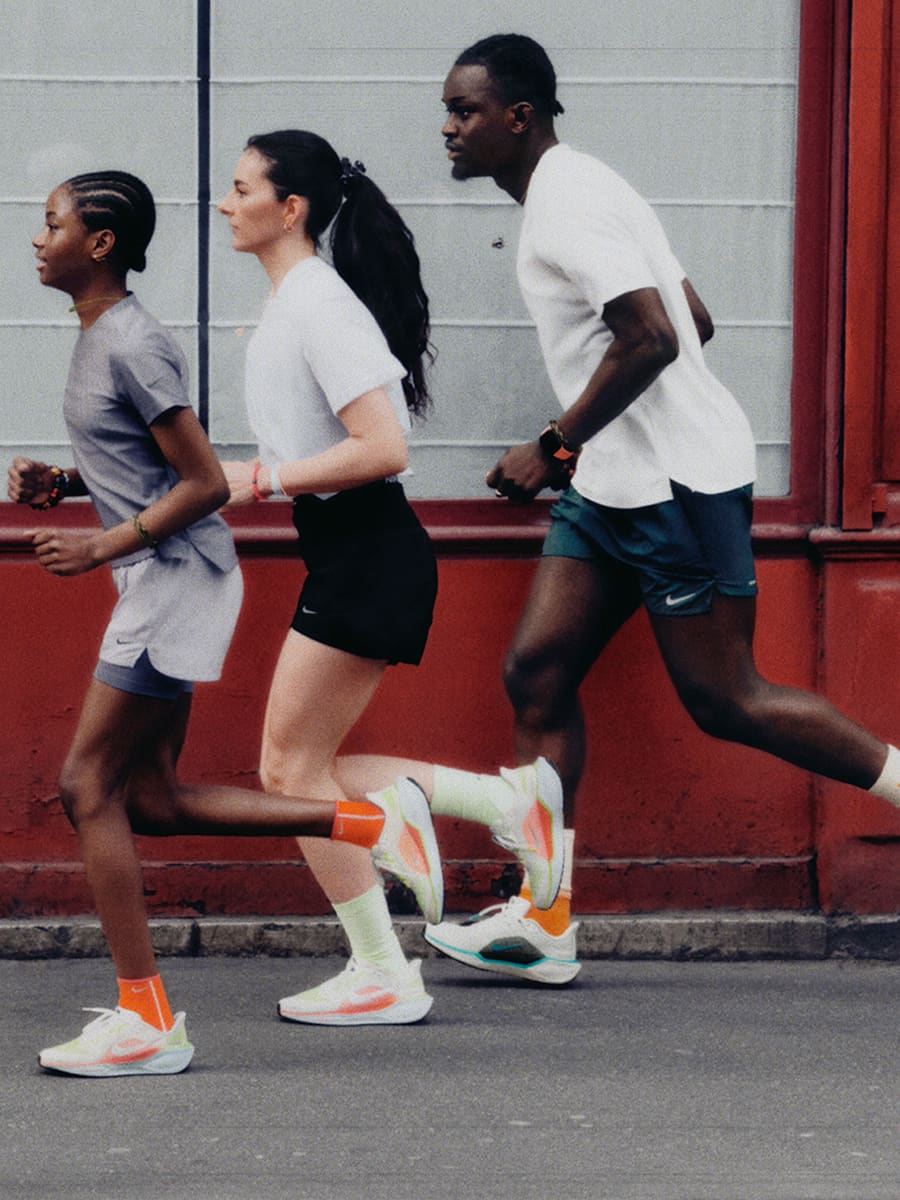
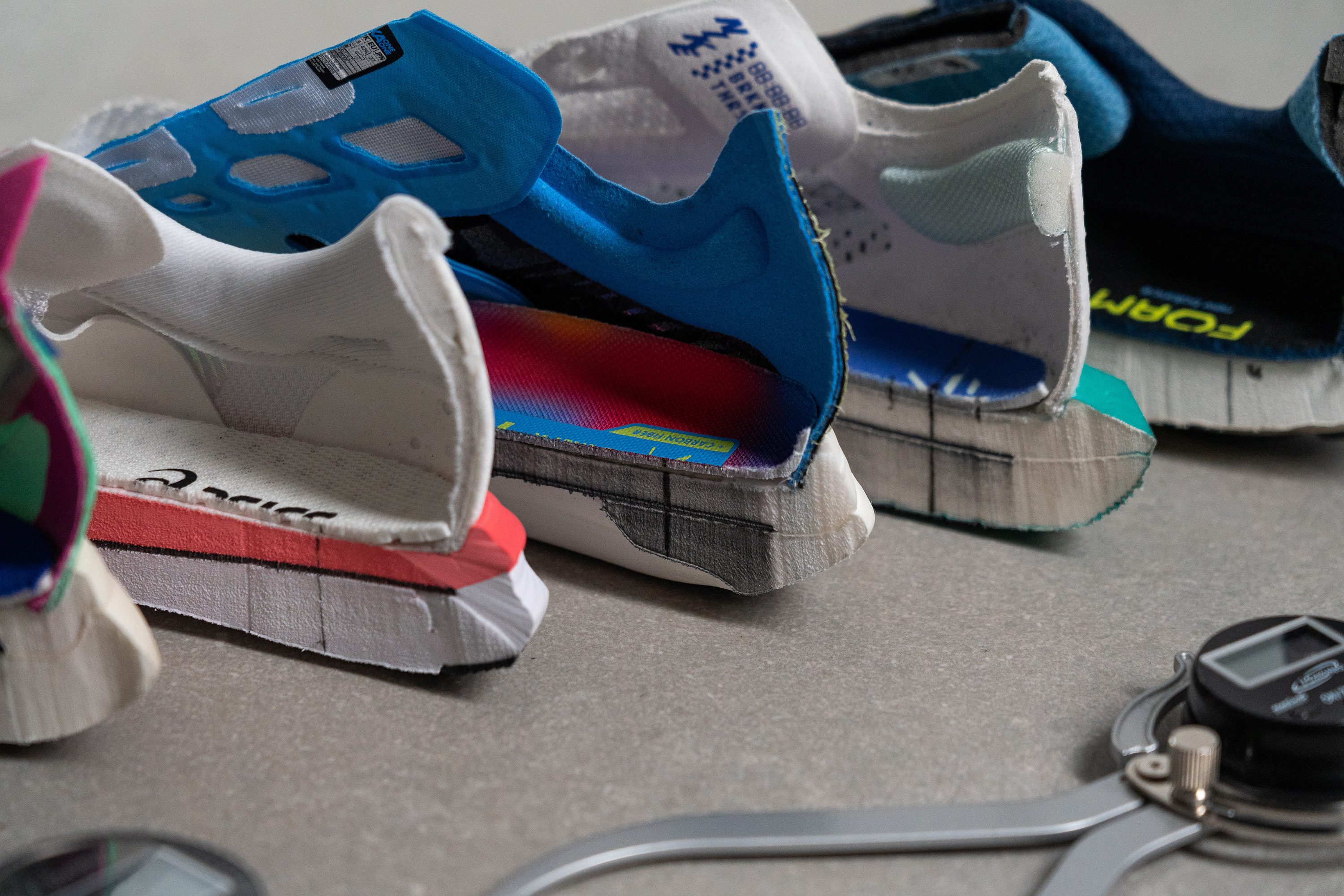
Running shoes are built for repeated impact and faster movement. They often include more cushioning under the heel and forefoot. This helps reduce the harsh feel of pavement and other hard surfaces.
Many running shoes use foam made from materials such as EVA or thermoplastic compounds. The exact feel varies by brand and model. Some shoes feel soft and springy, while others feel firm and responsive.
A running shoe may also have a curved sole. This shape can help the foot move forward during a stride. The upper is often made from mesh to reduce weight and improve airflow.
Running shoes come in several types:
- Neutral shoes for runners with a natural stride
- Stability shoes for runners who need extra guidance
- Motion control shoes for specific support needs
- Trail shoes for dirt, rocks, and uneven ground
- Lightweight shoes for speed work or racing
- Cushioned shoes for comfort over longer distances
The best running shoe depends on your foot shape, running style, distance, surface, and comfort. A more expensive shoe is not always better. The right shoe should feel secure without pressure points.
This also helps answer, are walking shoes and running shoes the same for exercise? They are not. Running places greater stress on the feet, ankles, knees, and hips, so running shoes usually provide features that walking shoes do not.
Key differences between walking shoes and running shoes
The main differences involve cushioning, flexibility, weight, support, and heel design. Understanding these features makes shoe shopping much easier.
Cushioning
Running shoes usually have more cushioning than walking shoes. This is because running creates greater impact with each stride.
Walking shoes may use firm cushioning for a stable feel. That does not mean they are uncomfortable. Firm foam can reduce foot movement inside the shoe and support a steady walking pattern.
More cushioning is not always better. Excessively soft foam may feel unstable for some walkers. Your foot should feel supported, not as if it is sinking into the sole.
Flexibility
Walking shoes often bend near the toes. This supports the natural push-off used in walking.
Running shoes also need flexibility, but they may flex in a different way. Some have a stiff midsole that helps guide the foot forward. Others use a rocker shape to reduce the effort needed during each stride.
Try bending a shoe gently in your hands. It should flex where your foot bends. If it folds in the middle with little resistance, it may not offer enough support for long use.
Weight
Running shoes are often lighter than walking shoes. A lighter shoe can help reduce fatigue during repeated running steps.
Walking shoes may use heavier rubber and stronger materials. This can improve durability, especially for people who walk on pavement every day.
Weight should not be your only concern. A very light shoe may lack the stability you need. A slightly heavier shoe may feel better and last longer.
Heel-to-toe drop
Heel-to-toe drop refers to the height difference between the heel and the front of the shoe. Running shoes come in many heel-to-toe drops. Walking shoes often have a smaller or more traditional drop.
A high drop may reduce strain on the Achilles tendon for some people. A low drop may allow a more natural foot position but can place more demand on the calf. Changes in heel-to-toe drop should be gradual.
Heel structure
Running shoes often have a padded heel collar and structured heel counter. These features help hold the foot in place during quick movement.
Walking shoes may have a wider and firmer heel base. This can improve balance during slow, controlled steps.
Upper materials
Running shoes often use thin mesh. This keeps the shoe light and allows air to move around the foot.
Walking shoes may use leather, synthetic materials, or thicker mesh. These materials can improve durability and support but may feel warmer.
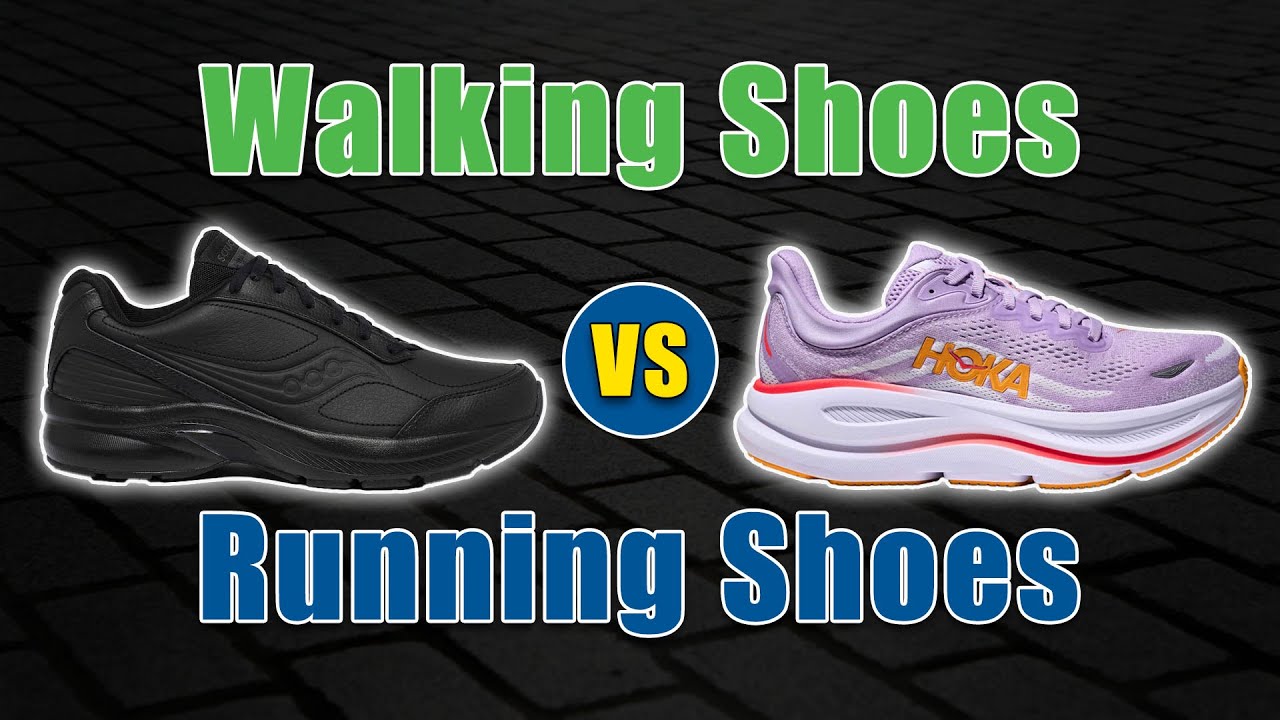
Can you use running shoes for walking?
Yes, most running shoes can be used for walking. In fact, many people find running shoes more comfortable because they offer soft cushioning, low weight, and good airflow.
A running shoe may be a smart choice if you:
- Walk several miles each week
- Walk on hard sidewalks
- Have sensitive feet
- Prefer soft cushioning
- Walk and run as part of the same routine
- Need a breathable shoe for warm weather
However, some running shoes may feel too soft or unstable for certain walkers. A person who stands all day may prefer a firmer walking shoe. A person who needs strong side-to-side support may also prefer a wider, more stable design.
A practical fit test is simple. Walk around the store or your home for several minutes. Check whether your heel stays in place, your toes can move, and the shoe does not press on the sides of your foot.
So, are walking shoes and running shoes the same when running shoes are used for walking? They are not identical, but a well-fitting running shoe can work very well for walking.

Can you use walking shoes for running?
Most walking shoes are not the best choice for regular running. They may lack the cushioning, flexibility, and impact protection needed for repeated running.
A walking shoe can sometimes work for a short jog if it feels comfortable and has enough cushioning. It may also be fine for a few minutes on a treadmill. However, using a basic walking shoe for long runs can increase discomfort and fatigue.
Watch for these warning signs:
- Sore heels after running
- Pain under the ball of the foot
- Blisters or hot spots
- Numb toes
- Shin pain
- A stiff or heavy feeling
- Knee or hip discomfort
Pain does not always mean the shoe is the only cause. Training errors, weak muscles, poor running form, and sudden increases in distance can also play a role. If pain continues, stop running and seek advice from a qualified medical professional.
This is one reason the answer to are walking shoes and running shoes the same should remain clear: walking shoes are designed for walking forces, not necessarily running forces.
Are walking shoes better for your feet?
Walking shoes are not automatically better for your feet. The best shoe depends on your activity, foot shape, comfort, and any health concerns.
A good shoe should provide enough room for your toes to spread. Your heel should feel secure, and the arch area should not press painfully against your foot. The shoe should also bend in a way that matches your natural movement.
A study of footwear comfort found that fit and comfort strongly affect how people respond to shoes. Comfort is not a perfect medical test, but it is an important part of choosing footwear.
Do not assume that arch support is always helpful. Some people like a strong arch shape, while others feel pressure from it. Your foot does not need to match a marketing label. It needs a shoe that feels stable, comfortable, and suitable for the task.
People with diabetes, severe arthritis, nerve problems, or ongoing foot pain should ask a podiatrist or another qualified clinician for personalized advice.
How to choose between walking shoes and running shoes
Choosing between walking shoes and running shoes starts with your main activity. Think about how you move, where you move, and how often you use the shoes.
Use this simple process:
-
Identify your main activity. Choose running shoes if you run often. Choose walking shoes if you mainly walk or stand.
-
Check the surface. Road running, trails, treadmills, concrete, and indoor floors may need different outsole designs.
-
Measure both feet. Feet can differ in length and width. Fit the larger foot.
-
Shop later in the day. Feet often swell slightly during the day. This helps you avoid shoes that feel too tight later.
-
Wear your usual socks. Thick socks can change the fit.
-
Leave toe space. Aim for about a thumb’s width between your longest toe and the front of the shoe.
-
Walk or jog in the shoes. A shoe should feel comfortable right away. It should not need a long break-in period.
-
Check the heel. Your heel should not slide up and down with each step.
-
Replace worn shoes. Flattened foam, smooth tread, or uneven wear can reduce comfort and support.
A common mistake is buying a shoe based only on appearance. A stylish shoe can still pinch your toes or rub your heel. Comfort and function should come first.
What about cross-training shoes?
Cross-training shoes are made for mixed workouts. They may work well for strength training, gym classes, short treadmill sessions, and light court activities.
They usually have a wider, flatter base than running shoes. This helps with side-to-side movement and lifting. Running shoes are often less stable for exercises such as squats, lunges, and lateral drills.
Cross-training shoes are not always ideal for long-distance running. They may lack the cushioning and forward design of running shoes. They may also feel too firm for long walks on pavement.
Choose cross-training shoes if your workout changes often. Choose running shoes if running is the main activity. Choose walking shoes if daily walking and standing make up most of your movement.
This comparison shows again why are walking shoes and running shoes the same is not a simple yes-or-no question in real life. Similar-looking shoes can have very different jobs.
How long do walking and running shoes last?
Shoe life depends on your weight, stride, surface, training volume, and shoe design. Many running experts suggest checking running shoes around 300 to 500 miles, but this is only a general range.
Walking shoes may last longer if they face less impact. However, daily use on concrete can still wear them down quickly.
Look for signs of wear rather than relying only on a calendar:
- The tread is smooth
- The midsole looks compressed
- The shoe leans to one side
- The upper has stretched or torn
- Your feet feel tired sooner
- Old pain returns during activity
- The shoe no longer feels balanced
A shoe can look clean but still have worn foam. The midsole may lose its ability to cushion and recover. Rotating two pairs can give each pair time to dry and may help them last longer.
Common mistakes when buying walking or running shoes
Many shoe problems come from small shopping mistakes. Avoid these errors to improve comfort and reduce wasted money.
-
Buying the same size in every brand. Shoe sizes vary across brands and models.
-
Choosing a shoe that feels tight. It may become painful when your feet swell.
-
Ignoring width. A shoe can have the correct length but still squeeze the forefoot.
-
Picking based on color. Style matters, but fit matters more.
-
Wearing new shoes on a long trip. Test them during short walks first.
-
Replacing shoes only when they fall apart. Internal foam can wear out before the upper breaks.
-
Assuming pain is normal. Mild adjustment can happen, but sharp or lasting pain deserves attention.
-
Buying too much support. Strong stability features may feel uncomfortable if you do not need them.
The best shoe is not the one with the most features. It is the one that matches your movement and feels good during the activity.
Frequently Asked Questions About Are Walking Shoes and Running Shoes the Same
Are walking shoes and running shoes the same?
No. Walking shoes support a steady heel-to-toe motion, while running shoes are designed for greater impact and faster forward movement. Some running shoes work well for walking, but the two categories are not identical.
Can I wear running shoes for daily walking?
Yes, you can wear running shoes for daily walking if they fit well and feel stable. Choose a model that does not feel too soft, loose, or unstable for your stride.
Can I run in walking shoes?
You can sometimes jog briefly in walking shoes, but they are usually not ideal for regular running. Running shoes generally offer better impact protection, flexibility, and forward movement.
Which is better for standing all day, walking shoes or running shoes?
Walking shoes often work well for standing because they may provide a firm, stable base. However, some cushioned running shoes can also be comfortable, so your personal fit and comfort should guide the choice.
Do walking shoes help with heel pain?
A supportive, well-fitting walking shoe may reduce discomfort for some people with heel pain. It cannot treat every cause of pain, so ongoing or severe symptoms should be checked by a qualified health professional.
How should walking shoes fit?
Walking shoes should hold your heel securely without rubbing. Your toes should have room to move, and the widest part of your foot should rest comfortably in the widest part of the shoe.
How often should I replace running shoes?
Replace running shoes when the cushioning feels flat, the tread is worn, or discomfort returns. A general guide is about 300 to 500 miles, but actual shoe life varies by runner and surface.
Conclusion
Walking shoes and running shoes are not the same, even when they look similar. Walking shoes often offer firm stability and durable support, while running shoes usually provide more cushioning, lighter materials, and better protection from repeated impact.
Choose shoes based on your main activity, foot shape, surface, and comfort. Try them on with your usual socks, leave room for your toes, and replace them when wear affects support. If this guide helped, explore more footwear advice and share your own shoe-fitting experience in the comments.

Rubel Miah is the Senior Editor at MyStyleGrid.com, where he brings a sharp editorial eye and an unshakable love for fashion to everything he does. A true style addict, Rubel lives and breathes trends, from streetwear to high fashion, and has a knack for turning inspiration into impactful stories. With years of experience in fashion journalism and digital media, he curates content that empowers readers to express themselves through style. When he’s not editing features or forecasting the next big thing, you’ll find him hunting down vintage pieces or capturing street style moments around the city.