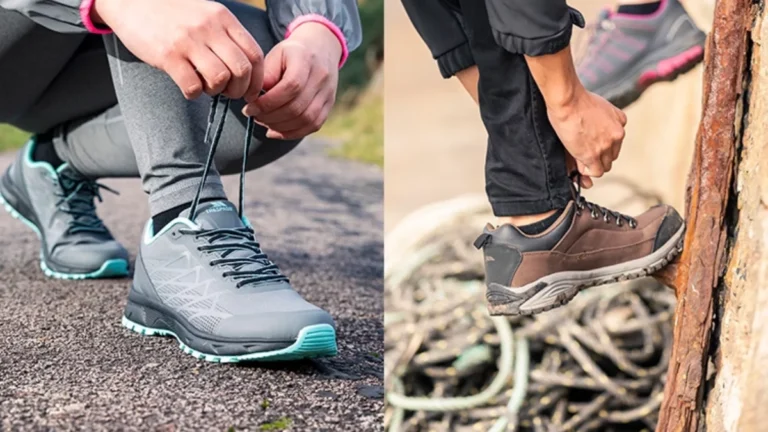
Training shoes can be good for walking when they fit well, feel stable, and match your walking routine.
Are training shoes good for walking? In many cases, yes. Cross-training shoes offer a useful mix of cushioning, support, flexibility, and grip. However, they are made for varied workouts, not long walks alone. The right choice depends on your distance, walking surface, foot shape, pace, and comfort.
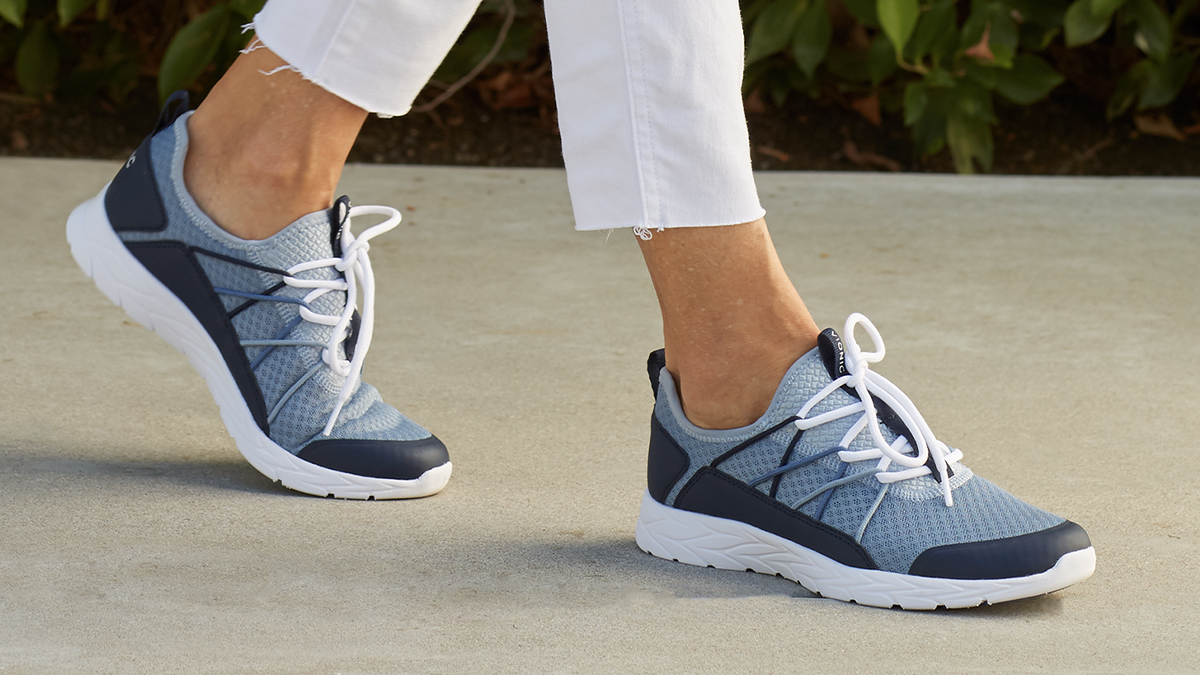
Are training shoes good for walking?
Training shoes can be good for walking because they are built to handle many types of movement. They often support side-to-side motion, quick stops, light jumps, and short runs. These features can make them feel stable during daily walks, gym sessions, and errands.
A good training shoe usually has a firm base, a flexible forefoot, and enough cushioning under the heel and midfoot. This balance helps your foot move in a natural way without feeling too soft or unstable.
Still, training shoes are not always the best walking shoes. If you walk several miles each day, a dedicated walking shoe may feel lighter and more comfortable. Walking shoes often have more focused heel cushioning, smoother flexibility, and designs made for repeated forward steps.
The best answer is simple: training shoes are good for walking if they feel comfortable, support your foot, and suit the type of walking you do.

How training shoes differ from walking shoes
Training shoes and walking shoes may look similar, but they serve different purposes. Understanding the design differences can help you make a smarter choice.
Training shoes
Training shoes are made for mixed workouts. They may include features such as:
• A wide, stable base for balance
• Strong side support for lateral movement
• Moderate cushioning for gym workouts
• Flexible areas near the toes
• Durable rubber outsoles
• A secure upper that holds the foot in place
These features are helpful when your workout includes strength training, aerobics, machines, and short bursts of movement.
Walking shoes
Walking shoes are designed mainly for forward motion. They often provide:
• More heel-to-toe cushioning
• Smooth flexibility through the forefoot
• A lighter upper
• A rounded or rocker-shaped sole
• Shock absorption for repeated steps
• Comfort during longer periods of walking
Walking shoes may feel smoother during a five-mile walk. Training shoes may feel more stable during a workout that includes squats, lunges, and side steps.
Think of it this way: walking shoes are like a comfortable sedan built for long road trips. Training shoes are more like a small sport utility vehicle. They can handle different conditions, but they may not be the most efficient choice for one specific task.

Benefits of wearing training shoes for walking
Training shoes can work very well for casual and moderate walking. Here are their main benefits.
They offer good stability
Many training shoes have a broad outsole and a firm midsole. This design can help you feel steady on gym floors, sidewalks, and smooth indoor surfaces.
Stability is especially useful if you also perform workouts during the week. A stable shoe may help you move with more confidence during bodyweight exercises, weight training, and short walks.
They support different activities
One pair of training shoes can cover many needs. You may wear them for walking, gym workouts, travel, shopping, and light cardio.
This versatility can save money and space. It also helps if your daily routine changes often.
They can protect against uneven movement
Training shoes often include sidewalls and structured uppers. These parts help keep your foot from sliding inside the shoe.
That support may be useful on uneven sidewalks or during walks that include turns and changes in direction.
They often have durable outsoles
A quality training shoe usually has a rubber outsole made for frequent use. This can provide reliable grip on indoor floors and paved paths.
A durable sole may also last longer than a very soft running shoe when used for both exercise and daily wear.
They may feel more secure than soft running shoes
Some walking shoes and running shoes have very soft foam. That foam can feel pleasant at first, but it may also feel unstable to some people.
Training shoes often use firmer foam. This can create a more grounded feeling, especially for people who prefer strong support under the arch and heel.
Limitations of training shoes for walking
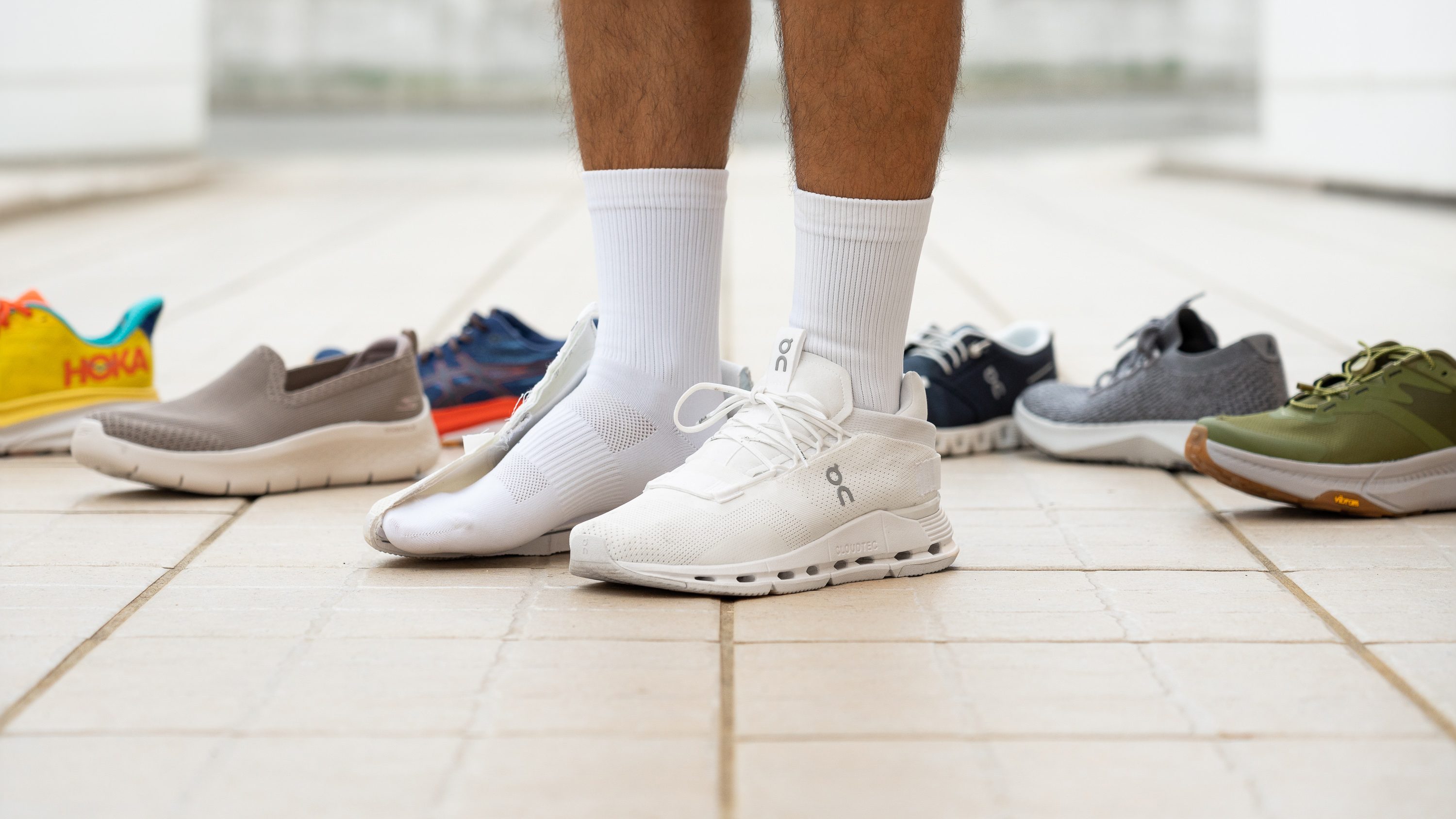
Training shoes are not perfect for every walking goal. Knowing their limits can prevent sore feet and wasted money.
They may be heavier
Training shoes often use extra rubber, side support, and reinforced materials. These parts add weight.
The difference may not matter during a short walk. Over several hours, though, a heavier shoe can make your legs feel tired.
They may not bend smoothly
Some training shoes are firm in the middle to improve stability during lifting. That firmness can limit the smooth heel-to-toe motion needed for long walks.
A shoe should bend near the toes, not fold sharply in the middle. If it feels stiff when you walk, it may not be the best option for daily distance.
They may have less heel cushioning
Walking creates repeated impact, even though it is gentler than running. If you walk on concrete for hours, you may want more heel and forefoot cushioning than a training shoe provides.
People with heel pain or sensitive joints may need a shoe designed with their specific needs in mind.
They can feel warm
Training shoes often have a supportive upper with thicker materials. This can reduce airflow.
If your feet sweat easily, look for mesh panels, moisture-wicking lining, and enough room around the toes.
They may not suit long-distance walking
For short walks, errands, and gym use, training shoes can be excellent. For daily walks of five miles or more, dedicated walking shoes often provide better comfort and energy efficiency.
This is not a strict rule. Some people prefer training shoes for long walks because they like firm support. Comfort remains the most important test.
When training shoes are a good choice for walking
Training shoes are often a smart choice in these situations:
• You walk less than three miles at a time
• You also visit a gym or take fitness classes
• You need support for side-to-side movement
• You prefer a firm and stable feel
• You walk on smooth sidewalks, tracks, or indoor floors
• You want one shoe for several activities
• You do short walks throughout the day
They can also work well for travel. A good pair may handle airport floors, city streets, hotel gyms, and casual sightseeing without needing several pairs of shoes.
For example, someone who walks 30 minutes each morning and does strength training three evenings per week may benefit from training shoes. The shoes match both parts of the routine.

When walking shoes are a better option
Dedicated walking shoes may be better if walking is your main form of exercise. They are especially useful when you walk long distances or spend many hours on your feet.
Choose walking shoes over training shoes when:
• You walk five or more miles often
• You have a job that requires standing all day
• You need extra heel cushioning
• You prefer a lightweight shoe
• You walk mainly in a straight line
• You have recurring foot, knee, or hip discomfort
• You take long walks on hard pavement
A walking shoe may also be a better option for beginners. New walkers often increase distance too fast, and a comfortable shoe can make the transition easier.
However, shoes cannot fix every source of pain. Persistent pain, numbness, swelling, or unusual weakness deserves an evaluation from a qualified health professional.

How to choose training shoes for walking
Use these steps before buying a pair.
1. Check the fit
Your toes should have enough space to move. Leave about a thumb’s width between your longest toe and the front of the shoe.
The shoe should hold your heel without rubbing. Your foot should not slide forward when you walk downhill or stop quickly.
2. Walk in both shoes
Do not judge a shoe while sitting. Walk around the store or your home for several minutes.
Notice whether the shoe feels smooth, stable, and natural. Any sharp pressure, rubbing, pinching, or slipping is a warning sign.
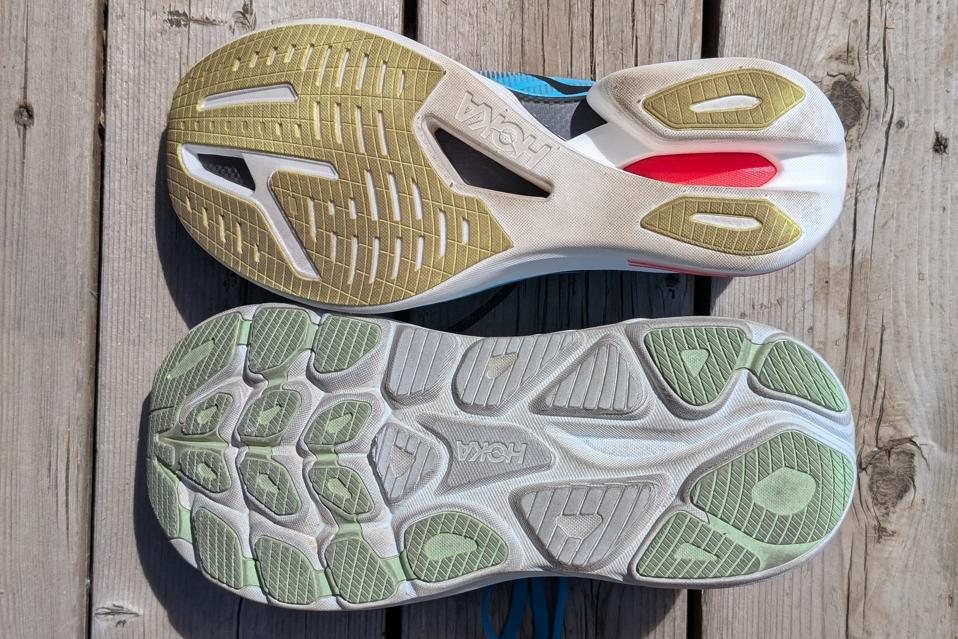
3. Look at the sole
The outsole should grip the surface without feeling sticky or overly stiff. Check for flex points near the toes.
Avoid shoes that twist easily from side to side. A little flexibility is useful, but the shoe should still provide a stable platform.
4. Match cushioning to your needs
More cushioning is not always better. Soft foam can feel comfortable, but too much softness may reduce stability.
Choose cushioning based on your body, walking surface, and personal comfort. Hard pavement usually calls for more shock protection than a soft track.
5. Consider your foot shape
Some training shoes are narrow. Others have a wide toe box.
If your toes feel crowded, try a wider model rather than simply buying a longer size. A longer shoe can cause your heel to slip.
6. Shop later in the day
Feet often swell slightly during the day. Trying shoes in the afternoon or evening can help you choose a more realistic fit.
Wear the socks you normally use for walking. Thick socks can change the fit more than many people expect.
Can training shoes cause foot pain while walking?
Training shoes can cause foot pain when they do not fit well or do not match your walking needs. Common problems include tight toe boxes, poor heel support, worn cushioning, and stiff soles.
Pain can also happen when you switch shoes too quickly. If your old shoes were very soft and your new training shoes are firm, your feet may need time to adjust.
Try these steps:
• Reduce your walking distance for a few days
• Wear the shoes indoors before taking long walks
• Check whether your socks create pressure or friction
• Replace shoes with worn or uneven soles
• Stop if you feel sharp pain, numbness, or swelling
• Seek professional care if discomfort continues
A small amount of normal adjustment may occur. Persistent pain is not something you should simply push through.
How long do training shoes last for walking?
Training shoes often last between 300 and 500 miles, but the exact life span varies. Your body weight, walking surface, shoe quality, gait, and weekly use all affect wear.
Look for signs that the shoes need replacement:
• The outsole is smooth or worn unevenly
• The midsole feels flat or hard
• The heel leans to one side
• New aches appear after normal walks
• The upper has stretched and no longer holds your foot
• The shoe no longer feels stable
Do not rely only on the calendar. A lightly used pair may last for years, while a heavily used pair may wear out within months.
One practical lesson from testing and comparing footwear is that worn cushioning can be hard to notice at first. The shoe may look fine from above while the midsole has already lost much of its support. Check the bottom and feel for changes, not just visible damage.
Training shoes for walking on different surfaces
Your walking surface matters as much as the shoe.
Sidewalks and concrete
Concrete is hard and unforgiving. Choose training shoes with comfortable cushioning, a secure fit, and a durable outsole.
Treadmills
Most training shoes work well on treadmills. Look for a flexible forefoot and a sole that does not feel too stiff.
Indoor floors
Training shoes are often excellent for indoor floors. Their grip and stable base can help with gym workouts and fitness classes.
Trails
Basic training shoes may work on smooth, dry trails. For rocks, mud, roots, or steep hills, trail shoes are safer because they provide deeper grip and stronger protection.
Wet surfaces
Many training shoes do not have strong wet-weather grip. Walk carefully on wet tile, painted lines, and smooth pavement.
Expert tips for making training shoes more comfortable
Small changes can improve the walking experience.
• Lace the shoe firmly around the heel but leave the toes relaxed
• Use moisture-wicking socks to reduce blisters
• Replace worn insoles if the shoe has enough room
• Keep walking distance steady while breaking in new shoes
• Rotate two pairs if you walk every day
• Clean the shoes so dirt does not reduce flexibility
• Do not wear shoes that cause pain just because they look good
Your walking shoes should feel comfortable from the start. They may become slightly softer with use, but they should not require weeks of painful break-in.
If you use orthotics, bring them when trying on new shoes. The insert may change the fit and take up extra space.
Frequently Asked Questions
Are training shoes good for walking every day?
Training shoes can be good for everyday walking if they fit well and remain comfortable. For long daily walks, walking shoes may offer better cushioning and lower weight.
Can I use training shoes for long-distance walking?
You can use training shoes for long-distance walking if they provide enough cushioning, flexibility, and support. Test them on shorter walks first to check for hot spots, pain, or fatigue.
Are training shoes better than running shoes for walking?
Neither is always better. Training shoes usually offer more stability, while running shoes often provide more cushioning and lighter weight.
How should training shoes fit for walking?
Your heel should stay secure, and your toes should have room to move. Leave roughly a thumb’s width between your longest toe and the front of the shoe.
Can training shoes help with flat feet?
Training shoes with a stable base may feel supportive for some people with flat feet. However, flat feet vary widely, so ongoing pain may require advice from a podiatrist or physical therapist.
Should training shoes feel tight at first?
They should feel secure but not tight. Pressure, pinching, numbness, or rubbing usually means the shape or size is wrong.
When should I replace training shoes used for walking?
Replace them when the tread is worn, the midsole feels flat, or the shoes cause new discomfort. Mileage can help, but visible wear and changes in comfort are better guides.
Conclusion
Training shoes are good for walking when you need a stable, versatile shoe for short or moderate distances. They work well for gym workouts, errands, travel, and daily walks. For long-distance walking or all-day standing, dedicated walking shoes may provide better cushioning, flexibility, and comfort.
Focus on fit, cushioning, flexibility, grip, and your walking surface. Try the shoes on, walk in them, and pay attention to how your feet feel later that day. Choose comfort over appearance, and explore more footwear guides or share your walking experience in the comments.

Madison Clark is a footwear expert and the voice behind MyStyleGrid.com. She specializes in honest shoe reviews, style tips, and practical guides to help readers find the perfect pair for any occasion. With years of experience in blogging and content creation, Madison makes footwear knowledge simple, stylish, and easy to follow.