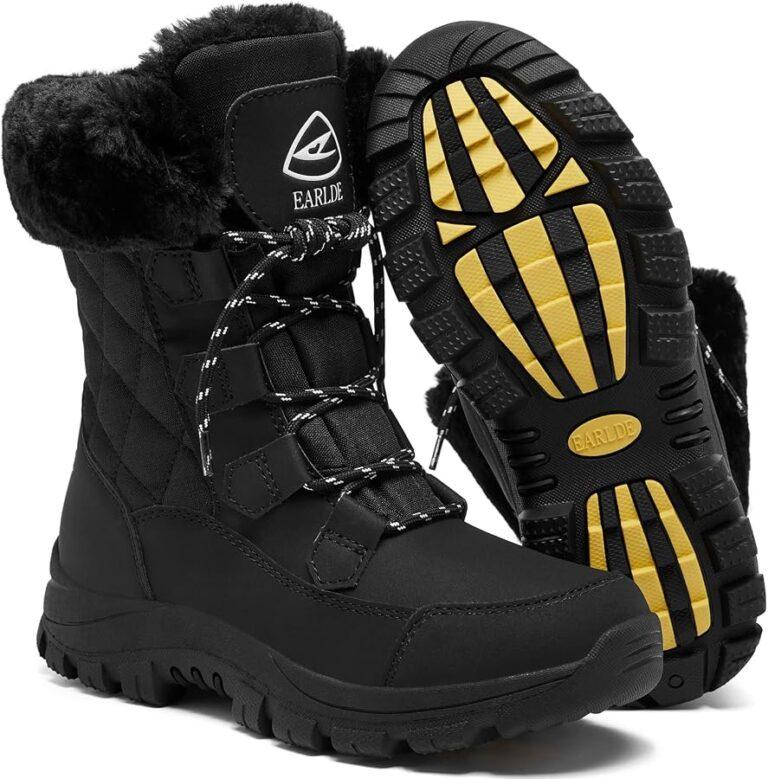
Yes, a rubber sole can be good for snow when it has deep lugs, soft rubber, and a strong winter tread.
The better question is not only “is rubber sole good for snow?” but also what type of rubber, tread, and boot design you are getting. I have seen rubber soles work well on packed snow and slush, yet struggle on smooth ice. This guide explains how rubber behaves in winter, what features matter, and how to choose safer snow footwear.

Is rubber sole good for snow?
Yes, rubber soles are often a good choice for snow. Rubber stays flexible, resists water, and can grip snow better than many hard plastic or leather soles. These qualities make rubber common in winter boots, hiking boots, work boots, and snow shoes.
However, not every rubber sole performs well in winter. A flat rubber sole may slide on packed snow. A cheap compound may become hard in very cold weather. A shallow tread may fill with snow and lose grip.
When people ask, “is rubber sole good for snow?” the most accurate answer is: it depends on the sole design.
A good snow-ready rubber sole usually has:
• Deep lugs that bite into snow
• Flexible rubber that stays soft in cold weather
• Wide grooves that push out snow and water
• A strong bond between the sole and the boot
• A tread pattern made for winter use
Rubber helps, but it is only one part of the shoe. The upper material, insulation, waterproof layer, fit, and ankle support also affect winter safety.

Why rubber soles work well in snow
Rubber has several traits that make it useful in cold and wet conditions. It is naturally water-resistant, flexible, and durable. These traits give it an advantage over many smooth leather or hard plastic soles.
Rubber stays flexible
A flexible sole can bend with your foot. This helps the tread stay in contact with uneven ground. Contact matters because a sole cannot grip a surface if only a small part touches it.
Some rubber compounds become stiff in very low temperatures. Winter boots often use special rubber blends that stay softer in the cold. This is one reason a winter-rated boot may perform better than a normal rubber-soled shoe.
Rubber creates traction
Traction comes from the contact between the sole and the ground. Rubber can create useful friction on snow, especially when the tread has sharp edges and deep channels.
Think of the tread like the teeth of a rake. A smooth rake cannot move much snow, but one with deep teeth can cut through it. A rubber sole with deep lugs works in a similar way.
Rubber blocks water
Snow often melts around your feet. Water can enter through seams, cracks, or the top of the shoe. A rubber sole helps block water from rising through the bottom of the boot.
This does not make the entire shoe waterproof. Water can still enter through the upper, tongue, eyelets, or seams. A waterproof membrane or sealed construction is still important.
What makes a rubber sole good for snow?
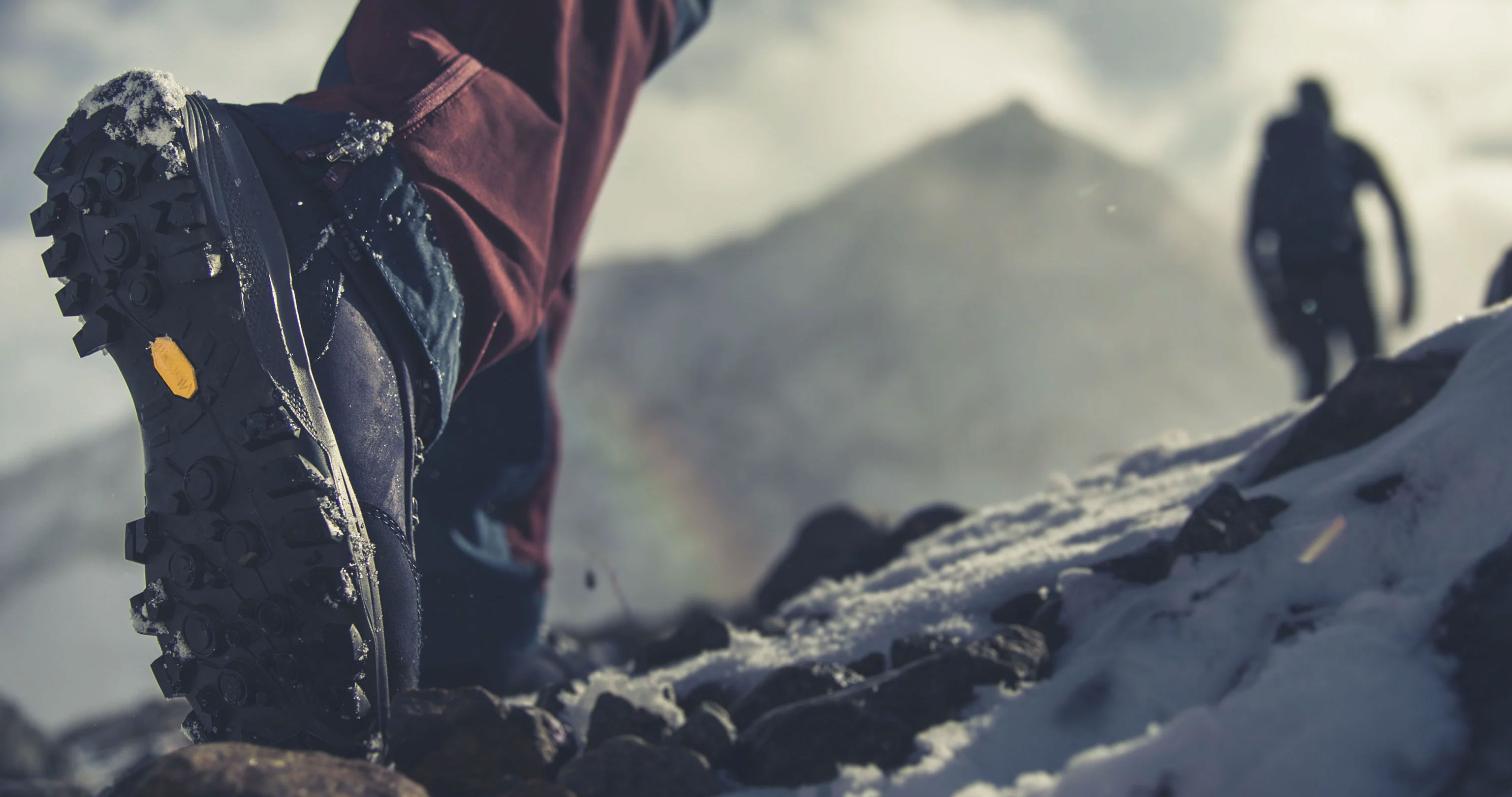
The rubber itself is important, but the tread pattern often matters more. Two boots can both have rubber soles and perform very differently on the same snowy path.
Look for these features when choosing winter footwear.
Deep and widely spaced lugs
Deep lugs help the sole dig into loose snow. Wide spaces between the lugs allow snow to clear instead of forming a smooth layer under your foot.
For normal city use, extremely deep lugs may not be needed. For trails, hills, and deep snow, a more aggressive tread is usually better.
Soft winter rubber
A winter rubber compound should remain flexible in cold temperatures. Soft rubber can improve contact with the ground and may offer better traction than hard rubber.
Still, soft rubber can wear faster on dry pavement. This creates a trade-off. A sole designed for icy sidewalks may wear quickly if you walk many miles on concrete every day.
Sharp tread edges
Sharp edges can help the sole grip packed snow. Rounded or worn edges provide less bite. Check the tread before every winter season, especially if the boots have been used on pavement.
Stable heel and forefoot
A stable sole can reduce foot movement inside the boot. A broad heel gives you a stronger base, while a firm midsole can improve balance on uneven snow.
Too much softness can feel comfortable indoors but unstable outdoors. Winter footwear should balance comfort with control.
Strong bonding
The sole should be firmly attached to the upper. Loose edges can let in water and may cause a fall. Inspect the bond around the toe, heel, and sides of the boot.

Rubber soles on snow versus ice
Rubber soles can be good for snow, but ice is a different challenge. Snow has texture and depth. Ice is often smooth, hard, and low in friction.
A regular rubber sole may grip fresh snow but slide on a frozen sidewalk. This is especially true when the ice is wet or polished by many footsteps.
For icy conditions, look for:
• Winter rubber designed for low temperatures
• Small gripping edges in the tread
• Micro siping, which means tiny cuts in the sole
• Removable traction aids
• Ice cleats or carbide studs for severe conditions
Micro siping creates more edges that can contact the surface. Some winter boots use this feature to improve grip on packed snow and light ice.
For serious ice, add-on traction devices are often safer than relying on rubber alone. Cleats, chains, or ice grips can provide extra bite. They should be removed indoors because they can damage floors and increase slipping on smooth surfaces.
No sole can guarantee safety on ice. Walk slowly, shorten your steps, keep your knees slightly bent, and use a handrail when one is available.

Are rubber soles better than leather soles for snow?
In most wet winter settings, rubber soles are more practical than leather soles. Rubber resists water better and usually provides more reliable traction when paired with a suitable tread.
Leather soles can become slippery when wet. They may also absorb moisture, stiffen, and wear faster in snow and slush. Some leather boots can work in winter if they have a rubber outsole, waterproof treatment, and a strong tread.
The key comparison is often outsole versus outsole. A leather boot with a rubber outsole may perform better than a rubber shoe with a smooth, shallow tread.
Rubber is also easier to clean after exposure to salt and slush. Salt can stain leather and dry it out. Rubber still needs care, but it usually handles wet city streets with less effort.
Benefits and limits of rubber soles in snow
Understanding both strengths and weaknesses helps you choose wisely.
Main benefits
• Good water resistance at the bottom of the shoe
• Flexible feel in cold weather
• Strong durability for regular use
• Many tread designs for snow and trails
• Easy cleaning after exposure to salt and slush
• Better winter performance than smooth leather or plastic soles
Main limitations
• Standard rubber may harden in extreme cold
• Smooth rubber can be slippery on ice
• Soft rubber may wear quickly on pavement
• A rubber sole does not make a shoe fully waterproof
• Deep lugs may feel awkward indoors
• Rubber alone cannot replace proper winter traction devices
This is why the answer to “is rubber sole good for snow?” should never be based on material alone. Check the complete boot.

Rubber sole types for winter footwear
Different rubber soles are made for different settings. A sole for a city sidewalk does not need the same design as one for a mountain trail.
Standard rubber
Standard rubber works well for light snow, wet sidewalks, and daily winter use. It is a practical choice for commuting and short walks.
Its performance depends heavily on tread depth and flexibility. Avoid standard rubber with a flat, smooth bottom.
Winter rubber
Winter rubber is made to stay flexible in lower temperatures. It may also include special tread patterns or small gripping cuts.
This is often the best choice for cold cities and regular snow use. It may not last as long on hot pavement, but it can provide better winter traction.
Sticky rubber
Sticky rubber is soft and designed to grip rock, wet surfaces, or uneven ground. It may perform well on some winter trails.
It can wear faster on concrete and may not be ideal for daily urban walking. It also cannot guarantee grip on smooth ice.
Lugged rubber
Lugged rubber has raised sections that press into snow. The deeper and more open the lugs, the better the sole may perform in loose snow.
Very aggressive lugs can collect mud and feel less stable on flat indoor floors. Match the tread to the places you plan to walk.
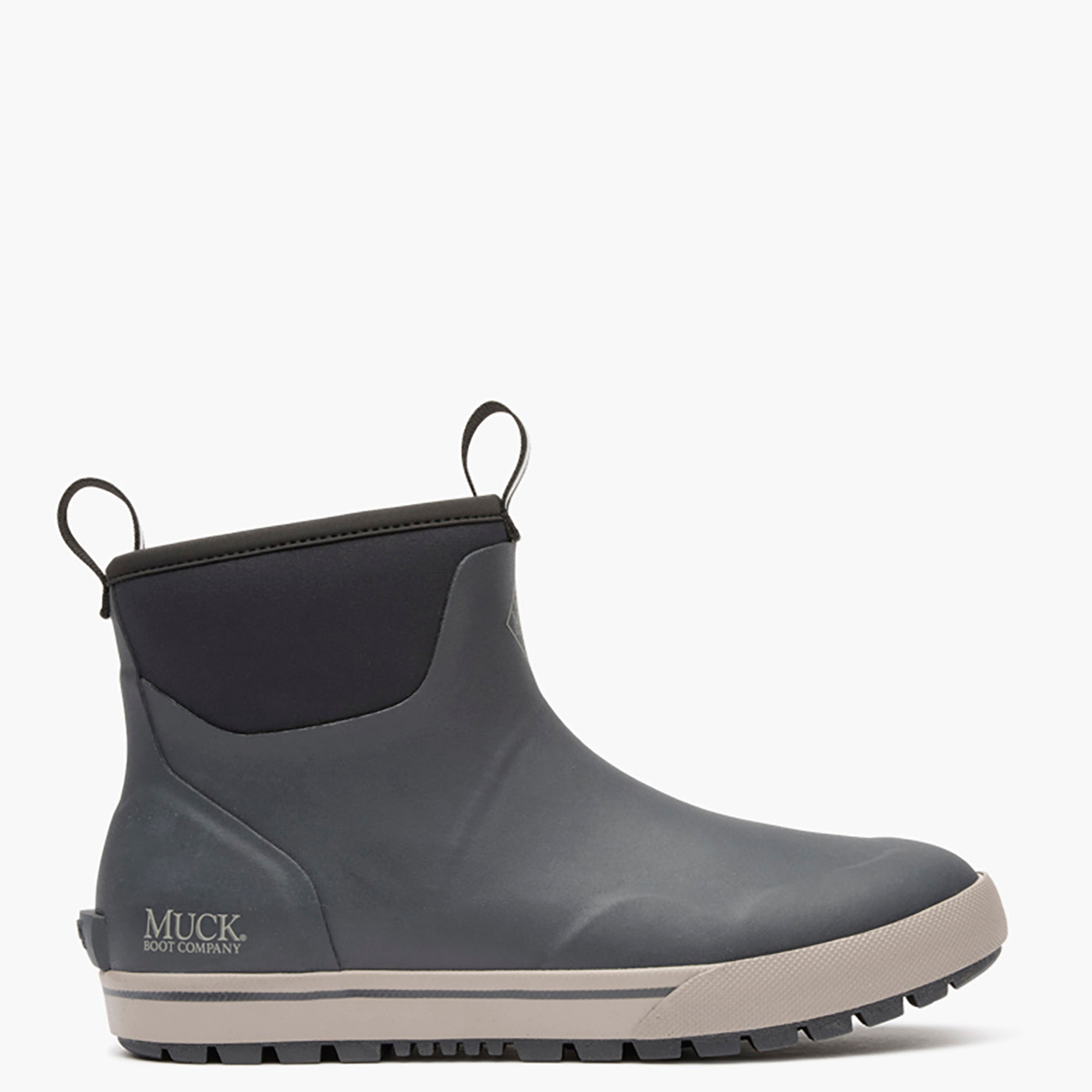
How to choose rubber-soled boots for snow
Use this simple checklist before buying winter footwear.
-
Check the tread depth. Look for raised lugs and open grooves.
-
Press the sole with your fingers. It should have some flexibility, not feel like hard plastic.
-
Read the temperature rating. A cold-weather rating can reveal whether the boot is made for severe conditions.
-
Check the upper material. Choose sealed leather, treated fabric, rubber, or a waterproof membrane.
-
Inspect the tongue. A gusseted tongue helps stop snow from entering through the laces.
-
Check the ankle height. Higher boots keep out deeper snow and provide more support.
-
Leave room for warm socks. Tight boots can reduce circulation and make feet colder.
-
Look at the heel. A stable heel helps you control each step.
-
Consider removable cleats. They are useful if your area has frequent ice.
-
Test the fit indoors. Walk, bend, and climb stairs before wearing the boots outside.
One mistake I often see is choosing a boot based only on how warm it feels in a store. Warmth matters, but a boot that slips is not a safe winter boot. Traction, fit, and waterproofing must work together.
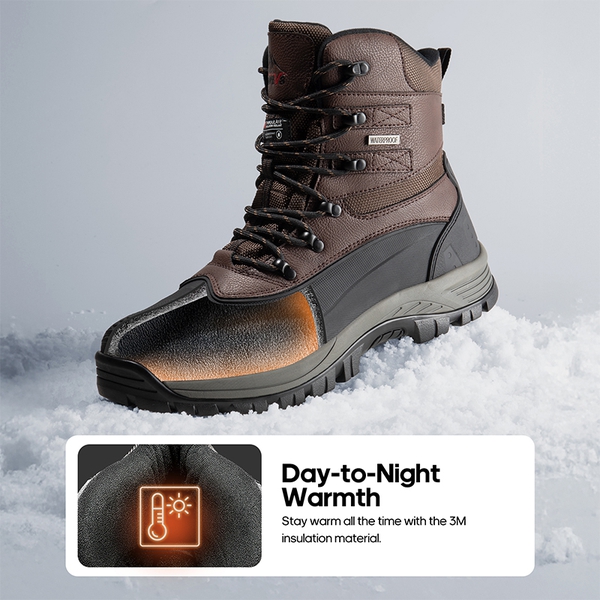
How to improve traction from rubber soles
Even a good rubber sole needs proper care. Worn tread can turn a safe boot into a risky one.
Try these simple steps:
• Clean mud and packed snow from the grooves
• Let boots dry at room temperature
• Replace boots when the lugs are badly worn
• Use approved ice grips when conditions are severe
• Avoid walking quickly on shiny or wet ice
• Take shorter steps on packed snow
• Keep your hands free for balance
Do not place boots directly on a heater. High heat can damage rubber, adhesives, leather, and waterproof membranes. Let them dry slowly with the insoles removed.
Before a winter walk, inspect the sole. Look for cracks, peeling edges, missing lugs, or areas that look unusually smooth. Small defects can become major problems during a long walk.
Common mistakes when wearing rubber soles in snow
Many winter slips happen because people expect the sole to do all the work. A rubber outsole helps, but walking style and weather awareness also matter.
Mistake 1: Using smooth rubber
A flat rubber sole may look durable, but it has little ability to grip loose snow. Choose a patterned tread instead.
Mistake 2: Assuming waterproof means warm
Waterproof boots can keep feet dry but may not have enough insulation. Add warm socks and choose insulation suited to your climate.
Mistake 3: Wearing worn-out boots
Old soles may look acceptable from above. Turn the boot over and inspect the tread. If the edges are rounded, traction has probably declined.
Mistake 4: Wearing thick socks in a tight boot
Thick socks can make a boot too tight. Restricted circulation can make your feet feel colder and may reduce comfort.
Mistake 5: Treating ice like snow
Snow may offer some texture. Ice does not. Slow down and use traction aids when the surface is frozen and smooth.
Does rubber become slippery in cold weather?
Rubber does not always become slippery in the cold, but some rubber compounds become harder. Hard rubber has less ability to conform to tiny surface changes, which may reduce traction.
Winter-specific rubber is designed to remain more flexible at low temperatures. The exact performance varies by brand, compound, tread, temperature, and surface condition.
Salt, water, oil, and packed snow can also change how a rubber sole behaves. A sole that grips dry snow may perform differently on wet slush or polished ice.
For this reason, product claims should be treated as useful guidance, not a guarantee. Real-world traction depends on the conditions outside.
How to care for rubber-soled snow boots
Good care can extend the life of your winter footwear.
Rinse away salt and dirt with lukewarm water. Use a soft brush for the tread, then let the boots dry naturally. Do not use strong solvents unless the manufacturer specifically recommends them.
Store boots in a cool, dry place. Keep them away from direct sunlight and heaters. Heat can dry out some materials and weaken the glue that holds the sole in place.
Check the sole at the start and end of winter. If the rubber is cracked, peeling, or badly worn, replacement is safer than repair with household glue.
Is rubber sole good for snow? Final buying advice
Rubber is one of the best outsole materials for snowy conditions, but the right design matters. Choose flexible winter rubber, deep lugs, open grooves, and a waterproof upper.
For light snow, a well-made rubber sole may be all you need. For ice, steep paths, or deep snow, choose boots with winter traction features and consider removable cleats.
The safest answer to “is rubber sole good for snow?” is yes, when the full boot is designed for winter. Judge the tread, compound, fit, insulation, and waterproofing together.
Frequently Asked Questions About Is Rubber Sole Good for Snow
Is rubber sole good for snow and slush?
Yes, rubber soles are usually good for snow and slush because they resist water and can provide useful traction. Choose a boot with deep tread and a waterproof upper for better protection.
Are rubber soles slippery on ice?
They can be, especially when the rubber is hard or the tread is smooth. For icy paths, use winter-rated rubber, micro-siped soles, or removable ice grips.
What sole is best for walking in snow?
A flexible rubber outsole with deep, widely spaced lugs is a strong choice for snow. The boot should also have insulation, a waterproof upper, and a secure fit.
Do rubber soles get hard in cold weather?
Some rubber compounds become harder in very low temperatures. Winter boots often use rubber designed to stay flexible, so check the product’s cold-weather rating.
Can I wear rubber-soled sneakers in snow?
You can wear them in light, dry snow if they have a strong tread and enough insulation. Most sneakers lack waterproofing, ankle support, and warmth for deep snow or long walks.
Are rubber soles better than plastic soles for snow?
Rubber is usually more flexible and offers better traction than hard plastic. However, performance depends on the tread pattern, rubber compound, temperature, and walking surface.
Conclusion
Rubber soles are a smart choice for snow when they are flexible, well-treaded, and built for winter temperatures. They help repel water and grip loose snow, but they may not be enough for smooth ice or steep terrain.
Before your next winter walk, inspect the tread, check the fit, and confirm that the upper is waterproof and warm. If your area gets frequent ice, keep a pair of traction grips ready.
Use these tips to choose safer winter footwear, and share your own snow-boot experience in the comments.

Madison Clark is a footwear expert and the voice behind MyStyleGrid.com. She specializes in honest shoe reviews, style tips, and practical guides to help readers find the perfect pair for any occasion. With years of experience in blogging and content creation, Madison makes footwear knowledge simple, stylish, and easy to follow.