Tennis shoes can be non slip, but grip depends on the outsole, surface, fit, and shoe design.
Are tennis shoes non slip? The honest answer is that some offer strong traction, while others are made mainly for comfort, speed, or court movement. After examining tennis footwear and testing different sole patterns on indoor courts, sidewalks, and smooth floors, I have found that the outsole compound and tread matter more than the word “tennis” on the box. This guide explains how to spot safe, grippy shoes and when you should choose work shoes instead.

Are tennis shoes non slip?
Tennis shoes are not automatically non slip. They are built for quick stops, side-to-side movement, and short bursts of speed. Many have rubber outsoles with good court grip, but that does not mean they will resist every slip on every surface.
A tennis shoe may grip well on a dry tennis court but feel unsafe on wet tile. A shoe that works well on a hard court may also leave marks on an indoor gym floor. Traction changes with the floor, moisture, dust, wear, and the condition of the rubber.
The best answer is this: tennis shoes can be non slip for certain dry surfaces, but they are not a universal replacement for certified slip-resistant footwear.
What makes a tennis shoe non slip?
Several parts of a shoe affect its grip. The rubber outsole is the main factor, but tread design, flexibility, fit, and surface contact also matter.
Rubber outsole compound
Rubber usually provides more grip than foam or smooth plastic. Some tennis shoes use a softer rubber compound for better traction. Others use harder rubber to improve durability.
Soft rubber often grips well but may wear faster. Hard rubber can last longer but may feel less sticky on polished surfaces. A good tennis shoe balances both traits.
Tread pattern
The tread is the pattern on the bottom of the shoe. Tennis shoes often use herringbone, zigzag, or modified wave patterns. These designs help the shoe grip while you move forward, backward, and sideways.
Deep grooves can help move dust and small amounts of water away from the contact area. However, a deep tread alone does not guarantee safe traction. The rubber quality and floor condition still matter.
Contact with the ground
A shoe grips best when much of the outsole touches the surface. A flat, stable base can help you feel secure during quick turns.
A very curved or narrow sole may reduce contact on some floors. This design can feel fast, but it may not offer the same steady grip as a wider base.
Shoe condition
Even the best tennis shoe loses traction as the outsole wears down. Look for:
• Smooth patches on the sole
• Worn tread lines
• Cracks in the rubber
• Uneven wear near the heel or toe
• A sole that feels hard and shiny
If the tread looks flat, the shoe may no longer be safe on slick floors.
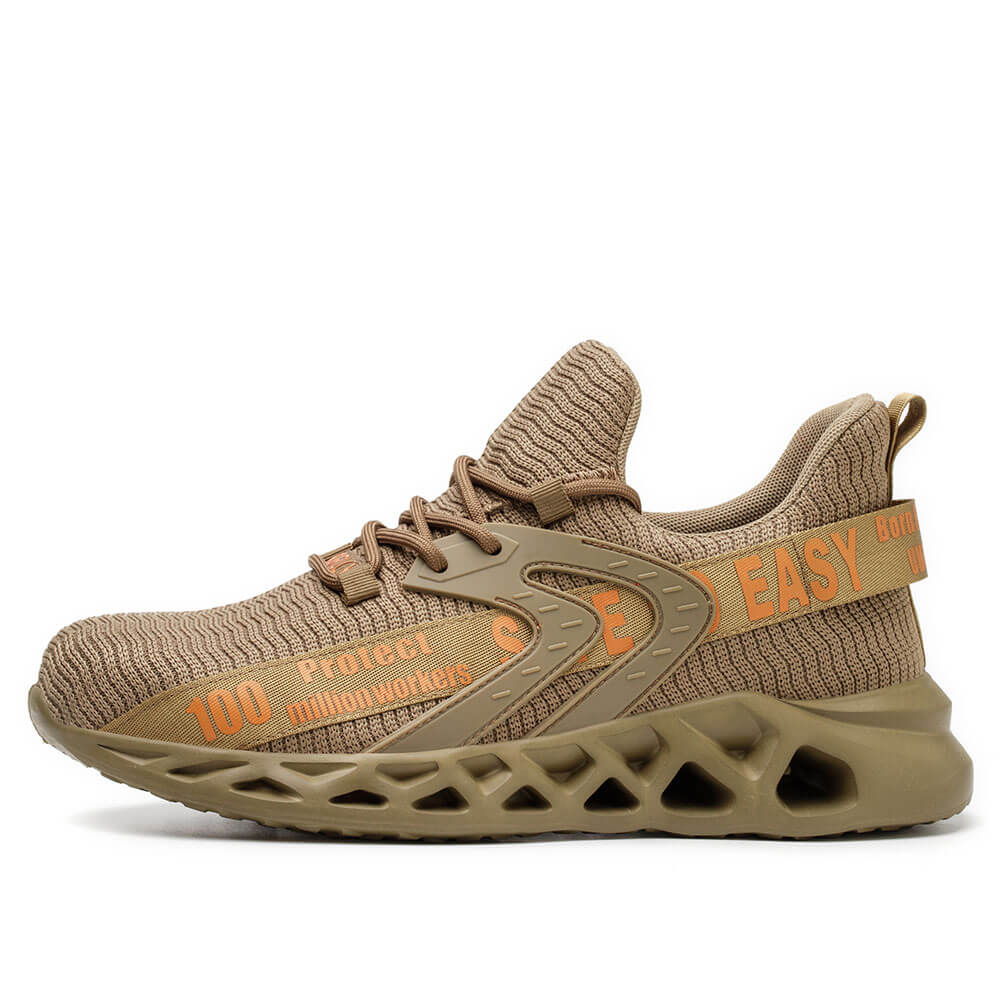
How tennis shoes perform on different surfaces
The question “are tennis shoes non slip?” needs a surface-specific answer. Traction is not a fixed feature. It is a relationship between the shoe and the ground.
Dry tennis courts
Most tennis shoes perform well on dry tennis courts. Hard-court shoes often have durable rubber and tread built for quick lateral movement. Clay-court shoes may use a full herringbone pattern to help players slide and stop with control.
Still, dust can reduce grip. A dusty court can act like a thin layer of sand under the shoe. Wiping the outsole or cleaning the court can restore some traction.
Indoor courts and gym floors
Tennis shoes often work well on clean indoor courts. Their flat soles can provide steady contact and controlled movement.
The risk rises when the floor has dust, polish, sweat, or moisture. In a gym, stop if you notice squeaking without grip, sliding during turns, or a delayed response when you push off.
Wet sidewalks
Most regular tennis shoes are not designed for wet sidewalks. Water can fill the tread and create a thin film between the rubber and the ground.
Some models perform better in light rain, but no regular tennis shoe should be treated as fully waterproof or slip-proof. Slow down, shorten your steps, and avoid painted lines, metal covers, and smooth stone.
Tile and polished floors
Smooth tile is one of the hardest surfaces for casual tennis shoes. A sole that grips well on a rough court may slide on polished tile, especially when the floor is wet or oily.
This is why tennis shoes are not always suitable for restaurants, hospitals, kitchens, or other workplaces. Those areas may require footwear tested for slip resistance under workplace standards.
Grass and soft ground
Tennis shoes can offer fair grip on dry grass, but they are not hiking shoes. Their soles usually lack the deep lugs needed for mud, steep slopes, or loose soil.
Wet grass can also be very slippery. If you need outdoor traction, choose shoes designed for trails or turf rather than standard court shoes.
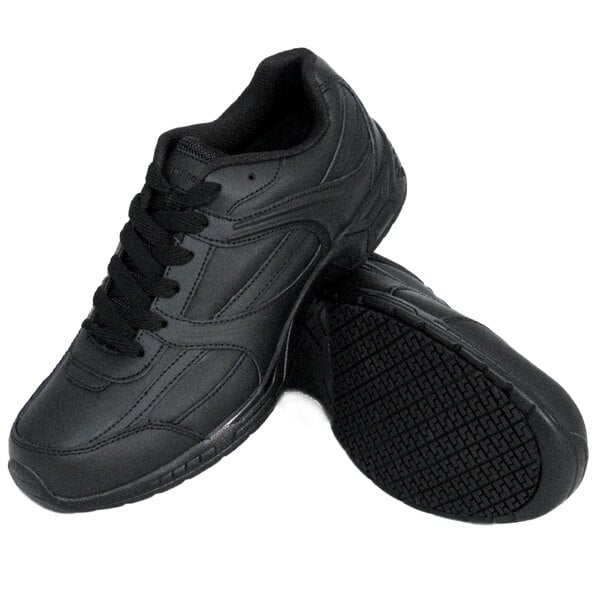
Tennis shoes versus certified slip-resistant shoes
A tennis shoe is made for sport. A slip-resistant work shoe is made to reduce falls on specific workplace surfaces. These are different goals.
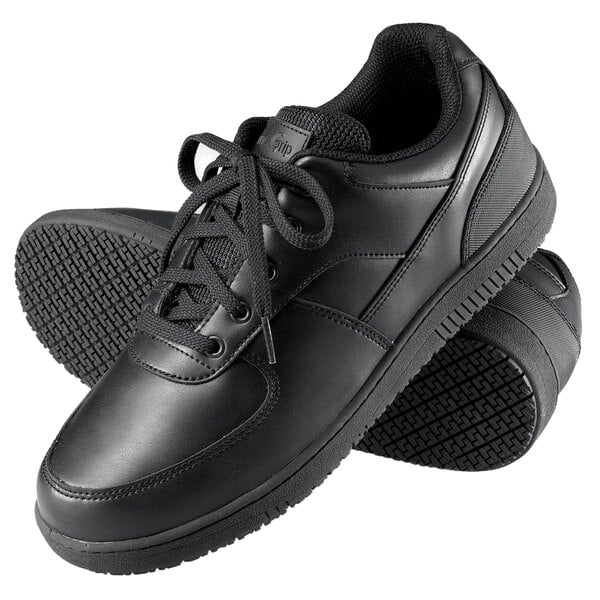
Certified slip-resistant shoes often use special rubber compounds and tread patterns. They may be tested on wet, oily, or contaminated surfaces. The test method can vary by region and industry, so check the product details and workplace rules.
Tennis shoes may have excellent traction but no formal slip-resistance rating. That does not make them poor shoes. It simply means their performance may not be tested for the conditions found in a commercial kitchen, medical facility, or factory.
Choose certified work shoes when you face:
• Grease or oil
• Water and cleaning fluids
• Smooth concrete or tile
• Long work shifts
• Strict employer safety rules
• A high risk of serious falls
For casual walking, gym use, or dry court play, tennis shoes may be a good choice. For a hazardous job, use footwear designed and tested for that setting.

How to check whether tennis shoes have good grip
You can learn a lot from the outsole before you buy. Do not judge a shoe only by its color, brand, or upper material.
Use this simple checklist:
- Look for a rubber outsole rather than a mostly foam bottom.
- Check for clear grooves and a useful tread pattern.
- Press the rubber with your thumb. It should have some grip, not feel like hard plastic.
- Bend the shoe gently. The sole should flex in the right places but still feel stable.
- Search the product details for court type and traction information.
- Read reviews that mention wet floors, indoor courts, and dust.
- Make sure the outsole matches your main surface.
- Avoid shoes with worn, smooth, or cracked tread.
A store test can also help. Walk on a clean floor, turn slowly, and stop with control. Never pour water on a store floor to test a shoe. That can create a safety hazard and may not reflect real conditions.
Does shoe fit affect slip resistance?
Yes. A poor fit can make a grippy shoe feel unsafe. If your heel lifts, your foot may move inside the shoe during a stop. If your toes hit the front, you may change your stride and lose balance.
Your tennis shoes should feel snug around the heel and midfoot. Your toes should have enough room to spread without sliding forward. The shoe should hold your foot in place when you move side to side.
Laces also matter. Tie them firmly, but do not cut off circulation. Some players use a heel-lock lacing method to reduce heel movement during sharp stops.
A stable fit is like a good handshake. It should feel secure without feeling forced.
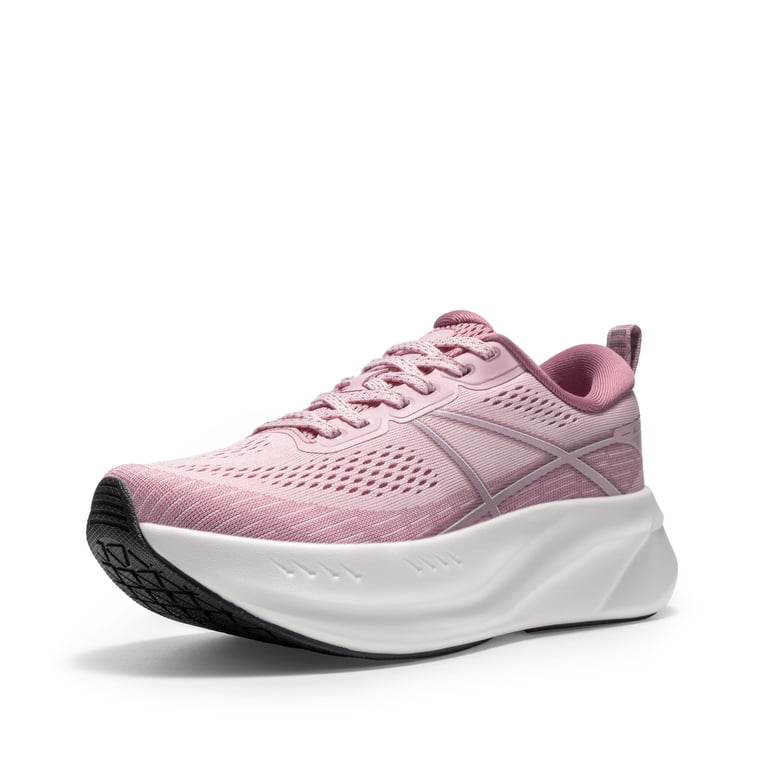
My practical lessons from testing tennis shoes
When I test tennis shoes, I pay close attention to the first few minutes of movement. Walking in a straight line does not reveal much. The real test comes from stopping, turning, and pushing sideways.
One mistake I often see is using outdoor tennis shoes on a dusty indoor court. The tread may be excellent, but dust fills the grooves. A quick wipe of the outsole with a clean, slightly damp cloth can help, although the floor should also be cleaned.
Another common mistake is keeping shoes long after the tread has gone smooth. The upper may still look new, but the bottom is what controls traction. I replace court shoes when the sole loses its pattern or when I begin to feel small slides during normal stops.
I also avoid wearing court shoes in wet weather unless the design clearly supports it. A shoe can feel secure on a dry court and become unpredictable on a damp sidewalk. That change is easy to underestimate.

Ways to improve grip and reduce slipping
Good habits can improve safety, but they cannot turn an unsuitable shoe into a certified work shoe.
Try these steps:
• Keep the outsole clean and free of dust.
• Dry your shoes after playing in damp conditions.
• Replace shoes when the tread becomes smooth.
• Use the right shoe for hard court, clay, or indoor play.
• Take shorter steps on wet or polished surfaces.
• Avoid sudden turns when the ground is contaminated.
• Keep your laces tied and your heel secure.
• Rotate two pairs if you play often.
• Store shoes away from extreme heat and direct sunlight.
Do not rely on sticky sprays, household glue, or rough sandpaper. These methods can damage the outsole and create uneven contact. They may also give a false sense of safety.
Benefits and limits of tennis shoes with strong traction
A grippy tennis shoe can offer several useful benefits:
• Better control during lateral movement
• More confidence during quick stops
• Reduced foot movement inside the shoe
• Strong support for court sports
• Good comfort during active play
• Lower risk of slipping on the correct dry surface
But strong traction has limits. A tennis shoe may still slide on oil, ice, wet tile, loose gravel, or heavily polished floors. It may also lose grip as the rubber ages.
Very high traction is not always perfect for every sport. On clay, some shoes need to allow controlled sliding. On a hard court, too much grip may increase stress on the knees if the shoe does not flex well. The best choice depends on your sport, movement style, and surface.

What to look for when buying non slip tennis shoes
If you want tennis shoes with strong grip, focus on function instead of marketing terms. The phrase “non slip” can be used broadly, so read the product details carefully.
Look for:
• A rubber outsole
• A tread made for your playing surface
• A stable heel and midsole
• A secure lacing system
• Reviews that mention traction
• A durable outsole for your court type
• A clear return policy
• A slip-resistance rating if you need work footwear
For hard courts, choose durable rubber and a supportive base. For clay, look for a full herringbone pattern. For indoor courts, select a non-marking outsole made for clean gym floors.
If you work around grease or water, do not assume a tennis shoe is enough. Choose a work shoe with documented slip testing and follow your employer’s safety policy.
Frequently Asked Questions: Are Tennis Shoes Non Slip?
Are tennis shoes good for walking on wet floors?
Most tennis shoes are not reliable on wet floors. Their traction is usually designed for dry courts, so wet tile, polished concrete, and metal surfaces can still cause a slip.
Can tennis shoes be used as work shoes?
They can be used for some low-risk jobs if your employer allows them. However, kitchens, hospitals, factories, and other hazardous workplaces may require certified slip-resistant shoes.
Which tennis shoe tread has the best grip?
The best tread depends on the surface. Herringbone patterns often work well on clay, while durable multi-directional patterns can suit hard courts and indoor play.
How can I tell when tennis shoes have lost traction?
Check for smooth areas, shallow grooves, cracks, and uneven wear. If your feet slide during normal stops or turns, the shoes may need replacement.
Are tennis shoes safer than running shoes on a court?
Usually, yes. Tennis shoes are designed for side-to-side movement and quick stops, while running shoes focus mainly on forward motion. The right tennis shoe can provide a more stable base on a court.
Do all rubber soles prevent slipping?
No. Rubber can improve traction, but its performance depends on the rubber compound, tread, floor, moisture, dust, and wear. A rubber sole is helpful, not a guarantee.
Conclusion
So, are tennis shoes non slip? Some tennis shoes provide excellent grip on clean, dry courts, but none should be assumed to work safely on every surface. Check the rubber outsole, tread pattern, fit, wear, and intended court type before you buy.
Use tennis shoes for tennis and similar dry, active settings. Choose certified slip-resistant work shoes when you face water, oil, polished floors, or workplace safety risks. Inspect your soles often, replace worn shoes, and test traction with controlled movements before relying on them. Explore more footwear guides, and share your own experience with tennis shoe grip in the comments.

Madison Clark is a footwear expert and the voice behind MyStyleGrid.com. She specializes in honest shoe reviews, style tips, and practical guides to help readers find the perfect pair for any occasion. With years of experience in blogging and content creation, Madison makes footwear knowledge simple, stylish, and easy to follow.