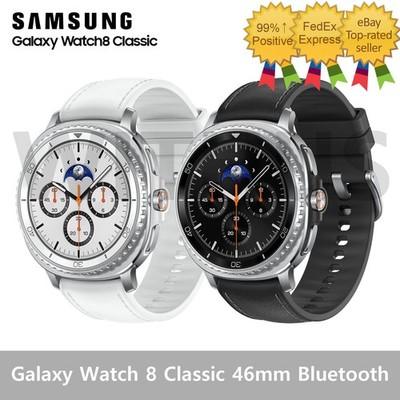
Yes, the Galaxy Watch 8 is water resistant, but it is not fully waterproof for every water activity.
The Galaxy Watch 8 combines a 5ATM water-resistance rating with an IP68 rating, making it suitable for rain, sweat, showers, and many swimming sessions. Still, water resistance can weaken over time, and Samsung warns against diving, high-pressure water, hot tubs, and deep water. This guide explains what the ratings mean, where the limits are, and how to protect your watch in daily use.
Is the Galaxy Watch 8 waterproof?
The Galaxy Watch 8 is not technically waterproof. No consumer smartwatch is permanently waterproof because seals can wear down, crack, or lose strength after drops, repairs, heat exposure, or normal aging.
Instead, the Galaxy Watch 8 is water resistant. Samsung rates it at:
• 5ATM water resistance for shallow-water exposure under controlled test conditions
• IP68 dust and water resistance for temporary freshwater submersion
• MIL-STD-810H durability testing for selected environmental conditions, depending on the model and market
The short answer to “is the Galaxy Watch 8 waterproof?” is that it can handle many everyday water situations, but it should not be treated like dive equipment.
The word “waterproof” often gives people a false sense of security. Think of the watch as wearing a strong rain jacket, not a submarine suit. It can manage normal exposure, but extreme water pressure and heat can push water past its seals.
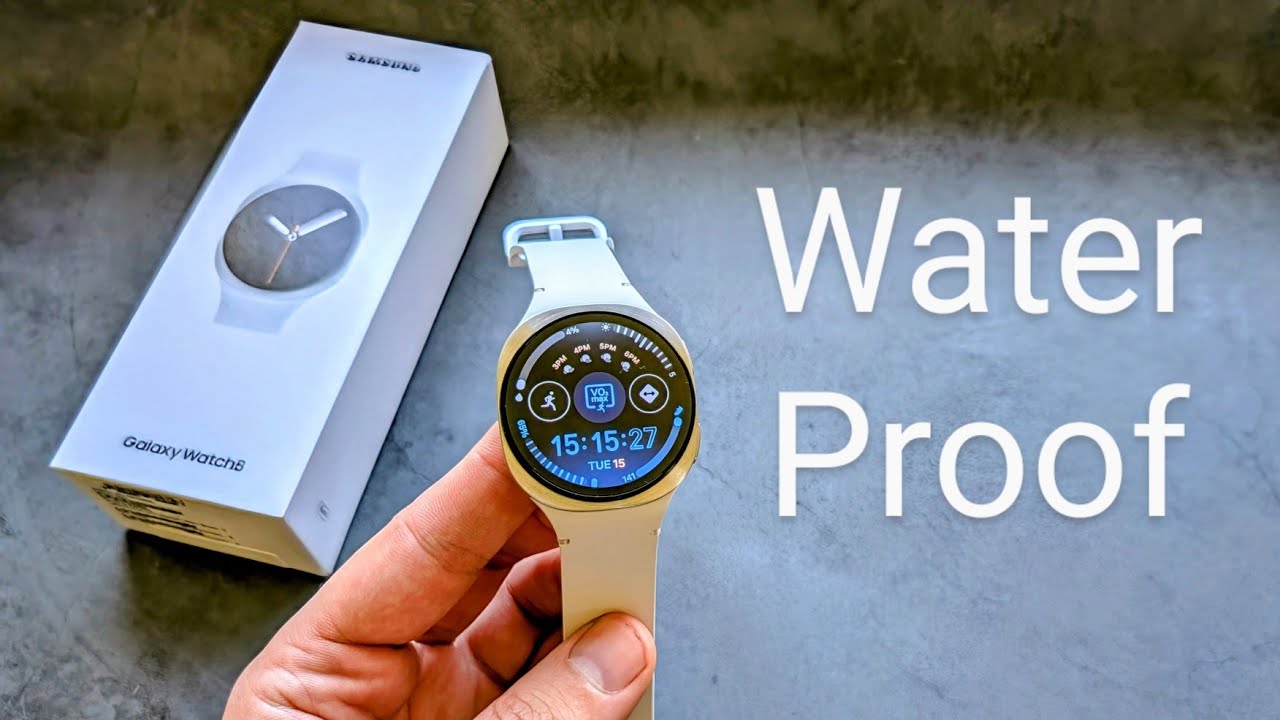
What do the Galaxy Watch 8 water-resistance ratings mean?
Understanding the ratings helps you use the watch safely. The Galaxy Watch 8 has two main water-resistance standards, and each one measures something different.
What does 5ATM mean?
A 5ATM rating means the watch passed laboratory pressure testing equal to 50 meters of static water pressure. However, this does not mean you can wear the watch 50 meters underwater.
Real water creates movement and pressure. A fast swim, jump into a pool, water slide, or strong current can expose the watch to more force than still water in a lab.
The 5ATM rating generally supports activities such as:
• Walking in the rain
• Sweating during exercise
• Washing your hands
• Swimming in a pool
• Swimming in calm, shallow water
• Brief exposure to splashes
It does not make the Galaxy Watch 8 suitable for scuba diving, snorkeling at depth, high-speed water sports, or underwater activities that create strong pressure.
What does IP68 mean?
IP68 is an Ingress Protection rating. The first number, 6, means the device has strong protection against dust. The second number, 8, means it can survive temporary submersion under specific conditions set by the manufacturer.
IP68 testing usually involves freshwater and controlled depth and time. It does not cover every type of liquid or every real-world situation.
For example, IP68 does not automatically mean the watch is safe in:
• Salt water
• Chlorinated pool water
• Soapy water
• Hot tubs
• Steam rooms
• Shampoo or cleaning products
• High-pressure sprays
These liquids can affect seals, buttons, speakers, microphones, or the metal finish.

Can you swim with the Galaxy Watch 8?
Yes, you can generally swim with the Galaxy Watch 8 in a pool or calm water. Its 5ATM rating is designed to support shallow-water activities, and Samsung includes swimming among the watch’s intended uses.
Before swimming, check these points:
• Make sure the watch, case, and band are in good condition.
• Close the watch firmly on your wrist.
• Avoid swimming if the watch has recently suffered a hard drop.
• Do not use it for diving or high-speed water sports.
• Rinse it with clean, fresh water after pool or ocean use.
• Dry the watch and band with a soft cloth.
Pool chemicals can leave residue around the buttons and speaker openings. Salt water can also speed up corrosion on metal parts. A quick rinse after swimming is one of the simplest ways to protect the device.
The Galaxy Watch 8 may track swimming, but its workout data should not be treated as professional swim instrumentation. GPS can also work poorly underwater because satellite signals do not travel well through water.
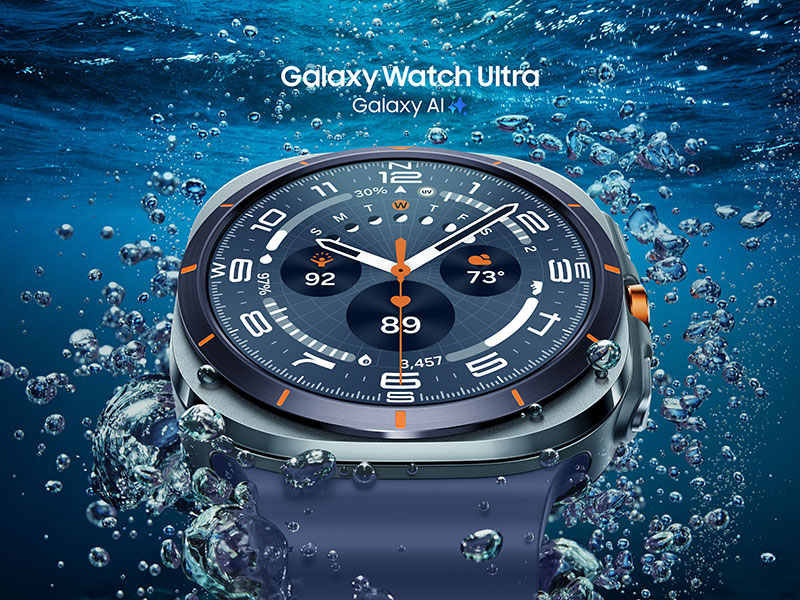
Can you shower with the Galaxy Watch 8?
A brief, cool shower is usually within the watch’s water-resistance limits. However, Samsung advises caution with hot water, steam, soap, shampoo, and strong water pressure.
A shower can be riskier than a swim because it combines several problems at once:
• Hot water may weaken adhesives and seals over time.
• Steam can enter small openings more easily than cool water.
• Shampoo and soap may leave residue.
• A strong shower stream can create extra pressure.
• Sudden temperature changes can stress materials.
If you wear the Galaxy Watch 8 in the shower, keep the water lukewarm and avoid aiming the spray directly at the watch. Afterward, rinse away soap and dry it well.
For the longest service life, removing the watch before every shower is the safer choice. Water resistance is a protective feature, not an invitation to keep the device wet all day.

Can the Galaxy Watch 8 handle salt water and pool water?
The Galaxy Watch 8 may survive occasional exposure to salt water or pool water, but neither is ideal. Salt and chlorine can damage finishes and leave deposits in small openings.
If you use the Galaxy Watch 8 in the ocean or a swimming pool:
- Rinse the watch with fresh water as soon as possible.
- Use gentle water flow instead of a powerful spray.
- Wipe away salt or chlorine with a soft, clean cloth.
- Dry the speaker, microphone, buttons, and charging area.
- Let the watch dry fully before charging it.
Never charge a wet smartwatch. Moisture near the charging contacts can cause poor charging, corrosion, or electrical damage.
Do not use alcohol, bleach, abrasive cleaners, or compressed air to clean the watch. These products can harm the finish or force moisture deeper into the device.
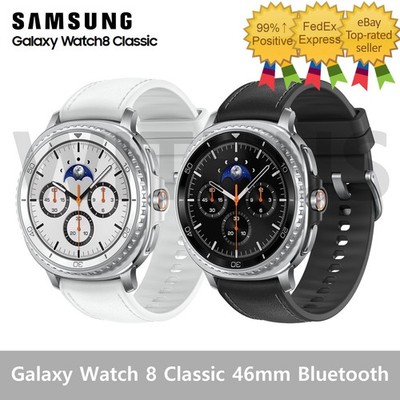
What water activities should you avoid?
The Galaxy Watch 8 is not made for every water activity. Even if the screen and case appear sealed, pressure and heat can exceed the rating.
Avoid wearing it for:
• Scuba diving
• Free diving
• Deep snorkeling
• Water skiing
• Jet skiing
• Wakeboarding
• Whitewater rafting
• High-speed swimming
• Riding water slides
• Use in hot tubs
• Use in saunas or steam rooms
High-speed water can act like a pressure blast. A jump from a boat may also create a sudden impact that is much stronger than gentle swimming.
Samsung’s guidance also warns against exposing the watch to high-pressure water and extreme heat. These limits matter because water resistance is tested under specific conditions, not every possible environment.

How to use the Galaxy Watch 8 safely around water
Safe use is mostly about small habits. These habits help preserve the seals and reduce the chance of liquid damage.
Before water exposure
• Check that the watch has no cracked screen or damaged case.
• Make sure the back panel is secure.
• Remove third-party cases that may trap water or press buttons.
• Avoid water exposure if the watch was recently repaired.
• Confirm that the charging area is clean and dry.
After water exposure
• Rinse away salt, chlorine, soap, or dirt with fresh water.
• Dry the watch with a soft, lint-free cloth.
• Shake it gently to help remove water from openings.
• Do not use a hair dryer or heater.
• Wait until the watch is fully dry before charging.
Some Galaxy Watch models include a water-lock or water-ejection feature. This feature helps limit accidental screen touches and may play a sound to push water from the speaker. It does not improve the watch’s water-resistance rating.
A common mistake is assuming that water lock seals the device. It does not. It only changes how the watch behaves while wet.

Does water resistance wear out over time?
Yes. The Galaxy Watch 8’s water resistance can decline with age and use. Samsung describes water resistance as a condition that may not last permanently.
The seals can weaken because of:
• Repeated exposure to hot water
• Drops and impacts
• Scratches or cracks
• Opening the watch for repair
• Contact with chemicals
• Normal aging of adhesives and gaskets
• Extreme temperature changes
Water damage may not happen immediately after an impact. A small case gap can become a problem weeks or months later.
For this reason, do not rely on the original rating if the watch has been dropped hard, crushed, opened, or repaired by an unauthorized service provider. If the back cover lifts or the screen separates, stop using the watch near water.
The answer to “is the Galaxy Watch 8 waterproof?” can also change with the watch’s condition. A new, undamaged watch has better protection than an older watch with worn seals.
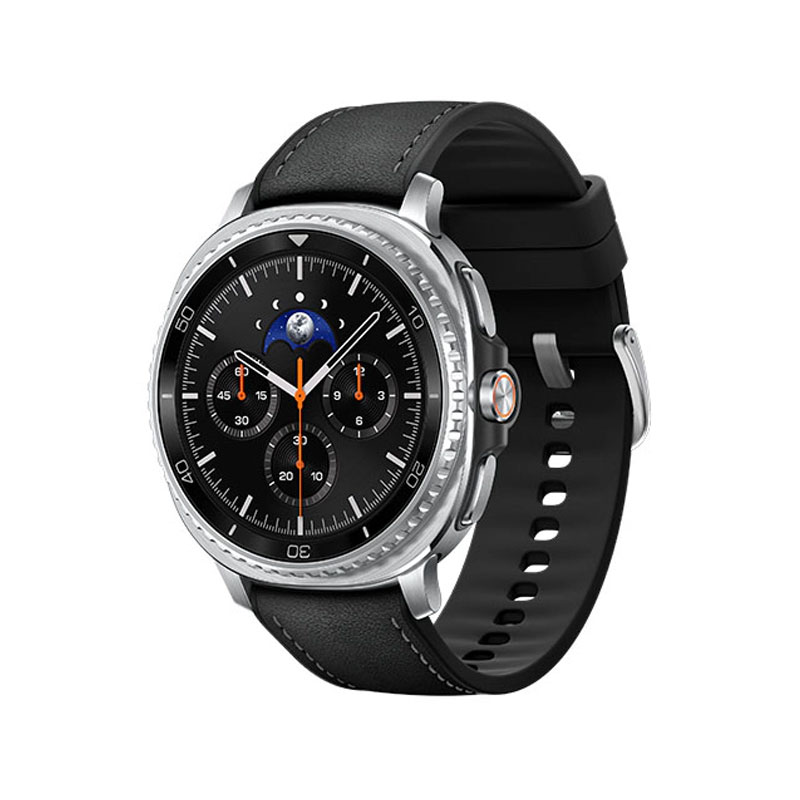
Does water damage void the warranty?
Liquid damage may not be covered by the manufacturer’s limited warranty. Water resistance does not mean Samsung promises to repair every device exposed to water.
Warranty terms can vary by country, model, repair history, and the type of damage. Always check the warranty rules for your region before relying on water protection.
Keep these points in mind:
• Water resistance is not the same as a waterproof guarantee.
• Damage from diving or high-pressure water may be excluded.
• Damage from chemicals or hot water may be excluded.
• Unauthorized repairs can affect protection and warranty coverage.
• Physical damage can make water exposure more dangerous.
This is why it is best to view the Galaxy Watch 8 water-resistance rating as a safety margin. It helps with normal life, but it should not replace careful handling.

Galaxy Watch 8 water resistance compared with other watches
The Galaxy Watch 8 sits within the normal range for premium smartwatches. Many competing models also use a combination of 5ATM and IP ratings.
The key difference is often not the number on the box. It is how the manufacturer defines acceptable use.
When comparing watches, look at:
• ATM rating
• IP rating
• Diving or swim-sport support
• Temperature limits
• Warranty rules for liquid damage
• Availability of water-lock features
• Repair and seal replacement options
A watch built for recreational swimming is not the same as a dive computer. If you regularly dive, surf, or take part in high-impact water sports, choose equipment designed for those activities.
For normal users, the Galaxy Watch 8 should be well suited to rain, workouts, hand washing, and careful swimming.
My practical advice for avoiding water damage
The most useful lesson is simple: do not test the limits just because the watch has a water-resistance rating.
When advising people about wearable devices, the mistake I see most often is charging the watch while it is still damp. This can cause trouble even when the watch itself survived the water exposure. Dry the back and charging area first, then give it extra time if it was used in a pool or ocean.
I also recommend removing the watch before hot showers, baths, saunas, and hot tubs. These situations combine heat, steam, chemicals, and pressure. That is a tough environment for any small electronic device.
Use this simple rule:
• Rain and sweat: generally safe
• Hand washing: generally safe
• Calm swimming: usually acceptable
• Ocean or pool use: rinse and dry afterward
• Showering: use caution
• Diving, hot water, and high pressure: avoid
This approach gives you the benefit of the Galaxy Watch 8’s protection without treating it as indestructible.
Frequently Asked Questions of is the galaxy watch 8 waterproof
Is the Galaxy Watch 8 fully waterproof?
No. The Galaxy Watch 8 is water resistant, not fully waterproof. Its 5ATM and IP68 ratings support many everyday situations, but they do not cover every depth, liquid, temperature, or water speed.
Can I wear the Galaxy Watch 8 in the pool?
Yes, you can generally wear it for calm pool swimming. Rinse it with fresh water afterward, dry it completely, and avoid diving, jumping from heights, or using high-speed water attractions.
Can I wear the Galaxy Watch 8 in the ocean?
The watch may handle occasional ocean use, but salt water can leave corrosive residue. Rinse it with clean fresh water after swimming and avoid strong waves, deep water, and water sports that create high pressure.
Is the Galaxy Watch 8 safe in a hot tub?
It is best not to use the Galaxy Watch 8 in a hot tub. Heat, steam, and chemicals can weaken seals and may cause liquid damage over time.
Can I shower while wearing the Galaxy Watch 8?
A short, cool shower may be within its limits, but soap, shampoo, steam, hot water, and direct spray can increase the risk of damage. Removing the watch before showering is the safest option.
What should I do if my Galaxy Watch 8 gets wet?
Rinse away salt, chlorine, or soap with fresh water, then dry the watch with a soft cloth. Do not charge it until the watch and charging contacts are fully dry.
Does water resistance last forever on the Galaxy Watch 8?
No. Water resistance can weaken because of age, impact, heat, chemicals, and repairs. Treat the rating as temporary protection rather than a permanent guarantee.
Conclusion
The Galaxy Watch 8 is water resistant, but calling it waterproof would be misleading. Its 5ATM and IP68 ratings make it a good match for rain, sweat, hand washing, and careful swimming, while diving, hot water, high pressure, and water sports should be avoided.
Protect the watch by rinsing it after pool or ocean use, drying it before charging, and removing it before saunas and hot showers. If you use these simple habits, the Galaxy Watch 8 can remain a reliable everyday companion. Share your experience or explore Samsung’s latest care guidance before taking it into challenging water conditions.

Rubel Miah is the Senior Editor at MyStyleGrid.com, where he brings a sharp editorial eye and an unshakable love for fashion to everything he does. A true style addict, Rubel lives and breathes trends, from streetwear to high fashion, and has a knack for turning inspiration into impactful stories. With years of experience in fashion journalism and digital media, he curates content that empowers readers to express themselves through style. When he’s not editing features or forecasting the next big thing, you’ll find him hunting down vintage pieces or capturing street style moments around the city.