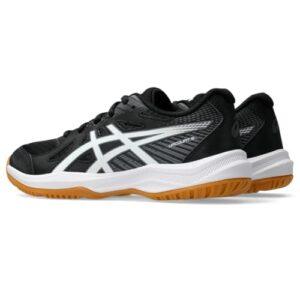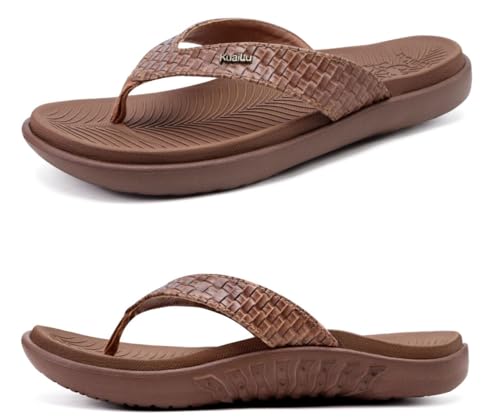
The best sandals for fallen arches combine firm support, a stable sole, soft cushioning, and a secure fit.
If your feet ache after a short walk, your arches may be asking for more support. Fallen arches can make flat, loose sandals feel like walking on thin cardboard. I looked for options that help spread pressure, limit foot strain, and stay comfortable during daily use. The list includes supportive sandals, slides, slippers, and low-profile arch braces. That mix matters because the best choice depends on where you hurt, how long you walk, and whether you need support inside an open shoe.
Dr. Rosenberg’s Instant Arches Supports

Dr. Rosenberg’s Instant Arches are made to add arch support to sandals that feel too flat. Their open design suits footwear where a normal shoe insert will not fit. I like this concept for people who already own a favorite pair of sandals but need more lift under the middle of the foot. The black color also blends well with many dark straps and footbeds.
These supports can help reduce the empty, unsupported feeling that often comes with fallen arches. They are not a complete replacement for a well-built orthopedic sandal, so placement matters. Start with short wear periods and check whether the support sits under your arch rather than under the heel or ball of the foot. As with any insert, stop use if it causes numbness, sharp pain, or skin irritation.
Pros:
- Adds support to many existing sandals
- Useful when standard insoles cannot fit
- Open design works with sandal construction
- Black color looks discreet in dark footwear
- Can improve comfort without buying new shoes
- Lightweight and easy to test during short walks
Cons:
- May not fit every sandal shape
- Placement can take some trial and error
- May feel noticeable for people who dislike added arch pressure
My Recommendation
I recommend these supports for shoppers who want to turn a familiar pair into more supportive footwear. They are especially useful for mild arch fatigue and for sandals with enough room to hold the support securely. They are not my first pick for severe pain or a foot condition that needs a custom orthotic. Still, they offer a practical, low-cost way to test extra support before investing in new sandals. For many people comparing the best sandals for fallen arches, this is a useful add-on rather than a stand-alone shoe.
DR. POTTER+ Adjustable Arch Sleeves

The DR. POTTER+ sleeve uses gentle compression and removable support pads to give you more control over the fit. This design can work under sandals, slides, or regular shoes when you want support without a thick insert. The adjustable bands are helpful because every foot does not need the same amount of pressure. You can begin with less support and add more as your feet adjust.
I see this as a flexible option for flat feet, fallen arches, and plantar fascia discomfort. A sleeve cannot correct the structure of the foot, but it may help reduce movement and spread pressure during daily activity. The fabric should sit smooth against the skin, especially around the arch edge. Wear it for a short time first, then inspect your skin after removal.
Pros:
- Adjustable compression supports different comfort needs
- Removable pads allow a more custom feel
- Works with several types of footwear
- Helpful for people who dislike bulky insoles
- Can provide support under open sandals
- Useful for both mild arch fatigue and walking discomfort
Cons:
- May feel warm during hot weather
- Compression may feel tight on swollen feet
- Requires correct sizing and careful placement
My Recommendation
This sleeve is best for people who want adjustable support and do not need a full sandal replacement. It suits shoppers who switch between sandals and closed shoes during the day. I also like it for users who want to compare different levels of arch pressure before choosing a permanent solution. If you have poor circulation, diabetes, swelling, or reduced sensation, ask a medical professional before using compression gear. Among the best sandals for fallen arches accessories, DR. POTTER+ stands out for its flexible fit.
Fit Geno Invisible Arch Support Brace

Fit Geno’s invisible arch brace targets shoppers who want support that stays quiet inside footwear. Its skin-tone color and low profile make it a good match for open sandals, low-cut shoes, and dressier outfits. A gel pad sits beneath the arch to cushion the area without the bulk of a traditional footbed. The non-slip design is also important because a sliding brace can create more rubbing than relief.
This brace may help when your main problem is arch tiredness during standing or light walking. It is not a sandal, but it can make a less supportive sandal more comfortable when the fit is right. I suggest checking the size chart and wearing it over clean, dry skin. If the gel pad presses too hard, move it slightly or reduce wear time rather than forcing your foot to adapt.
Pros:
- Low-profile design stays discreet
- Skin-tone color works with open footwear
- Gel pad adds focused cushioning
- Non-slip design may limit shifting
- Fits into shoes that cannot accept full inserts
- Useful for dress sandals and everyday footwear
Cons:
- May not provide enough support for severe symptoms
- Gel pressure can feel strong at first
- Needs careful cleaning and drying between uses
My Recommendation
I recommend Fit Geno for anyone who wants subtle support under dressy or open sandals. It is a smart choice when appearance matters and you do not want a visible black sleeve. People with very sensitive skin should introduce it slowly and watch for rubbing. For serious pain, a podiatrist can help determine whether a brace is suitable. As one of the best sandals for fallen arches support options, Fit Geno works best as a hidden comfort aid.
Copper Fit Arch Relief PLUS Wrap

The Copper Fit Arch Relief PLUS is a wrap-style support for people who prefer a snug, adjustable fit. Its orthotic support area is designed for arch and plantar fascia relief, while the universal format aims to fit many adult users. The wrap can sit beneath sandals or inside shoes, depending on the shoe shape. I appreciate the simple design for users who want more control than a fixed sandal footbed offers.
Compression may help the foot feel more secure during daily movement, but it should never cause tingling, color change, or pain. The wrap is most useful when you can adjust it to a firm yet comfortable level. It may also help people who stand for long periods and want a small support layer between the foot and sandal. Give it a brief trial at home before wearing it on a long trip.
Pros:
- Adjustable wrap provides a personalized fit
- Supports the arch and plantar fascia area
- Universal design suits many adult users
- Can work with sandals and closed footwear
- Compact alternative to a full orthotic
- Useful for standing and light daily activity
Cons:
- May be too warm in hot climates
- Can feel bulky with narrow sandal straps
- Compression requires careful adjustment
My Recommendation
Copper Fit is best for adults who want a wrap that they can tighten or loosen during the day. It suits mild to moderate arch discomfort and people who use more than one type of shoe. I would not wear it too tight or treat it as a cure for fallen arches. The strongest value comes from its adjustability and broad use. If you are building a support kit around the best sandals for fallen arches, this wrap is a versatile addition.
Rosie Medina Reflexology Massage Slippers

The Rosie Medina slippers bring arch support into the home, where many people spend hours in flat footwear. They feature a vegan leather upper, a reflexology-style footbed, and a shock-absorbing sole. The design aims to give your feet more structure than thin house slippers. This can matter if your arches hurt after a day of work and you walk barefoot or in soft slippers at home.
The massage-style bumps may feel soothing to some users, but they can feel intense to others. I suggest wearing them for short sessions at first, especially if your feet are tender. The sole may cushion routine indoor steps, yet these slippers are not a replacement for a stable outdoor walking sandal. The listed option is size 10, so confirm availability and fit before ordering.
Pros:
- Provides arch support for indoor wear
- Shock-absorbing sole softens household steps
- Vegan leather offers a neat, polished look
- Reflexology footbed adds a massage feel
- Useful for people who stand at home
- May reduce time spent walking barefoot
Cons:
- Massage points may feel too firm for sensitive feet
- Listed size may limit fit choices
- Better for indoor use than long outdoor walks
My Recommendation
These slippers are best for people whose foot pain starts at home. They can help replace unsupportive bare feet or thin slippers with a more structured option. I would choose them for kitchen work, light chores, and relaxing indoors, not for hiking or extended pavement walks. Buyers with tender soles should ease into the reflexology footbed. They are a useful companion to the best sandals for fallen arches, especially when indoor support is often overlooked.
NIXWAV Arch Support Braces 10-Pack

The NIXWAV set gives you multiple arch braces, replaceable inserts, and three height levels. That is a useful package for families, travel bags, or anyone who wants to keep a spare pair available. The adjustable height lets you test how much lift feels comfortable under a sandal or shoe. Gel pads add a soft contact point while the brace helps hold the arch area in place.
Having several braces also makes it easier to keep one pair clean and one pair ready. The one-size format is convenient, but it does not guarantee a perfect fit for every foot. A brace that is too loose may slide, while one that is too tight may irritate the skin. Use the lowest comfortable setting first and increase support only when your foot responds well.
Pros:
- Ten-piece pack offers strong quantity value
- Three support heights allow adjustment
- Replaceable inserts extend practical use
- Gel pads add cushioning beneath the arch
- Works for flat feet and fallen arches
- Spare braces are useful for travel or daily rotation
Cons:
- One-size design may not suit every foot
- More parts mean more setup and adjustment
- May show under some open sandals
My Recommendation
NIXWAV is best for shoppers who want a budget-friendly multipack with several ways to adjust support. It makes sense for active households, frequent travelers, and users who like to rotate wearable supports. It may take longer to find the right setting than a fixed sandal. If you value quantity and customization over a sleek look, this is one of the more practical support choices. It complements the best sandals for fallen arches when one pair of footwear cannot meet every need.
ViveSole Felt Arch Supports

ViveSole felt arch supports are simple inserts for people who want a soft layer beneath the arch. The 12-pack format gives you plenty of pieces for multiple shoes or regular replacement. Felt has a gentle feel and can reduce direct contact with hard footbeds. These supports may fit best in sandals or shoes with a removable or roomy footbed.
The main advantage is simplicity. You can position the support, test it for a short period, and adjust it without changing your entire shoe. Felt will not offer the same molded structure as a firm orthotic, so expectations should stay realistic. It is better suited to mild fatigue and comfort needs than to complex foot problems.
Pros:
- Soft felt feels gentle under the arch
- Twelve pieces provide excellent replacement value
- Can be used in more than one pair of shoes
- Easy to test and reposition
- Lightweight design adds little bulk
- Useful for mild arch fatigue and pressure relief
Cons:
- Felt offers limited structure for severe flat feet
- May move inside loose or smooth sandals
- Can compress with heavy, long-term use
My Recommendation
Choose ViveSole if you want a low-cost, soft support layer rather than a rigid brace. It is a good starting point for shoppers unsure whether added arch lift will feel comfortable. I would pair it with a sandal that already has a stable sole and secure straps. It is not the strongest choice for long walks or significant pain, but its multipack value is appealing. For basic comfort, it can support your search for the best sandals for fallen arches.
Orthopedic Wedge Sandals for Women

These orthopedic wedge sandals are a true footwear option for women who want support with a dressier look. The wedge shape can provide more stability than a thin, flat sole, while the wider design gives toes more room. The open style suits warm-weather outfits, beach trips, casual events, and everyday errands. I also like the slip-on format for users who prefer quick entry.
A wedge is not automatically supportive, so the footbed and fit still matter. Look for a stable base that does not twist easily, plus straps that keep the foot from sliding forward. The wide-width listing may help shoppers who need more space, but sizing can vary by foot shape. Since the product listing includes a golden color and a specific size option, check current size and color details before purchase.
Pros:
- True sandal design offers support without a brace
- Wedge platform can feel steadier than a thin sole
- Wide-width option gives toes more room
- Dressy style works beyond athletic outfits
- Slip-on format makes daily use easy
- Open design suits warm weather
Cons:
- Wedge height may not suit users needing a flat sole
- Open sandals provide less weather protection
- Fit and support may vary by foot shape
My Recommendation
I recommend these sandals for women who want one pair for casual walking and dressier summer wear. They are especially suitable for people who need more width and prefer a little lift under the heel. If you have balance problems, test the wedge indoors before walking on uneven ground. A secure fit is essential because loose sandals can increase foot strain. In this group, they are among the best sandals for fallen arches for style-minded shoppers who still want a supportive base.
Orthopedic Slides for Women

These orthopedic slides focus on easy use, light weight, and everyday comfort. The low wedge shape can give the foot a little structure without the height of a fashion platform. A wide-width design may appeal to users with broad feet or swollen feet after a long day. The slip-on style also works well for travel, quick errands, poolside use, and relaxed summer outfits.
Slides need a good fit because the toes may grip when the upper does not hold the foot well. I would check that your heel stays centered and that your toes do not hang over the front. The arch area should feel supportive, not like a hard lump under the middle of your foot. For short walks and daily chores, this model may offer a comfortable middle ground between slippers and walking sandals.
Pros:
- Lightweight format is easy to wear
- Low wedge offers mild elevation and structure
- Wide-width style may suit broader feet
- Slip-on design saves time
- Works for travel, errands, and casual wear
- Open construction keeps feet cooler in summer
Cons:
- Slides may not stay secure during fast walking
- Not ideal for rough trails or uneven ground
- May require sizing care for a stable heel fit
My Recommendation
These slides are best for women who want quick, light footwear for low-impact daily use. They suit people who dislike ankle straps and need a wider toe area. I would not choose them for long hikes, running, or activities that demand a locked-in heel. For indoor-outdoor use and casual travel, they offer strong convenience. They belong on a shortlist of the best sandals for fallen arches when ease and comfort matter most.
Orthopedic Wide Strappy Sandals

These wide strappy sandals are designed for women who want open-toe comfort with a more secure feel. The ankle strap can help hold the heel in place, while the wider construction may give the forefoot more room. A flat-wedge profile offers some support without a tall heel. This combination makes the sandal suitable for casual summer walks, shopping, and daily wear.
Straps are valuable for fallen arches because they can reduce the need to grip with the toes. Still, each strap should feel smooth and snug rather than tight. The sole should bend near the toes while remaining stable through the middle, which follows a common comfort principle used when assessing supportive walking footwear. Check the size chart carefully, since “wide” does not mean every foot shape will fit the same way.
Pros:
- Ankle strap offers a more secure fit than a loose slide
- Wide design may reduce forefoot pressure
- Flat wedge gives mild support and lift
- Open toe helps keep feet cool
- Strappy style works with casual summer clothes
- Better suited to walking than many flimsy fashion sandals
Cons:
- Several straps may take time to adjust
- May rub if the straps do not match your foot shape
- Not designed for high-impact exercise
My Recommendation
I recommend this style for women who need a wider fit and want more security than a slide provides. It is a strong option for errands, sightseeing on smooth paths, and everyday summer use. The ankle strap is helpful for people whose feet slide forward in open sandals. Buyers with bunions or sensitive skin should inspect strap placement before long wear. Overall, this is one of the best sandals for fallen arches for shoppers who want balance between support, width, and style.
How I Evaluate Sandals for Fallen Arches
Choosing the best sandals for fallen arches takes more than looking for the word “orthopedic” in a product title. That label can describe a style, but it does not prove that the sandal will suit your foot. I look at the shape of the footbed, the firmness of the midsole, the security of the straps, and the room around the toes. I also consider whether the design works for short errands or longer walks.
A supportive sandal should feel steady when you stand. It should not fold in half through the middle with little effort. The sole should offer enough cushioning for the surface, but too much soft foam can allow the foot to roll. The American Academy of Orthopaedic Surgeons commonly emphasizes fit, cushioning, and proper support when discussing comfortable footwear. Those points guide my review.
What Are Fallen Arches?
A fallen arch means the inside arch sits lower than usual. Some people have flat feet from childhood. Others notice the arch becoming flatter with age, injury, weight changes, tendon problems, or repeated strain. Flat feet do not always cause pain, but they can affect how the foot, ankle, knee, and hip share load.
You may notice tired feet, heel pain, soreness along the inside of the ankle, or shoes that wear down unevenly. These signs do not prove that fallen arches caused the problem. A doctor or podiatrist can assess your gait and foot structure. Seek care quickly if pain arrives suddenly, affects one foot only, or comes with swelling, weakness, numbness, or a recent injury.
Key Features to Look For
Firm arch support
The arch support should meet your foot without feeling sharp. A small amount of firm support often works better than a deep, soft dip that collapses under body weight. Your foot should not feel pushed toward the outside edge. If the support creates a hot spot, the sandal may have the wrong shape for you.
Stable midsole
A stable sole acts like a strong floor under your foot. It should cushion impact but resist excessive twisting. A sandal that bends at the middle may provide less control for a tired arch. I prefer a sole that flexes near the toes and stays more stable beneath the arch.
Secure straps
Loose sandals can make you grip with your toes. That habit may increase fatigue and change your walking pattern. Look for adjustable straps, a back strap, or an ankle strap when you plan to walk more than a few minutes. The straps should hold the foot without leaving deep marks.
Roomy toe area
Your toes need space to spread and help with balance. The front edge should not squeeze your toes or let them hang over the sole. A wide option may help, but always compare the measurements with your own foot. Width should include enough space at the ball of the foot, not just a loose upper.
Good heel placement
Your heel should sit inside the rear edge of the footbed. If it slides off the back, the sandal is too short or too loose. A heel cup can add stability, but an open heel can still work for short, relaxed use when the footbed fits well.
Breathable materials
Warm, damp skin is more likely to rub. Leather, mesh, and smooth synthetic materials can each work, depending on the finish and climate. Check seams and strap edges with your hand before wearing the sandal for hours. Soft does not always mean safe if a seam presses on the arch or toes.
How to Fit Supportive Sandals
Try sandals at the end of the day, when feet are often a little larger. Stand up and walk on a firm floor. Your toes should remain relaxed, and your heel should not lift with each step. If you feel the need to claw your toes, the sandal may not hold you well enough.
Wear new sandals for 20 to 30 minutes at first. Check your skin after removal. Red marks that fade soon may be normal, but blisters, burning, numbness, or lasting pressure are warning signs. Do not assume pain means the support is “working.” Good support should feel helpful, not punishing.
If you use an arch brace with sandals, test both together at home. The brace may raise your foot and make the straps tighter. You may need a sandal with adjustable straps or extra depth. Never force a combination that restricts circulation.
Sandals Versus Arch Supports
A supportive sandal changes the surface under your entire foot. An arch brace or insert focuses support on one area. Sandals are often easier for daily wear because they require no extra layer, but braces can help you keep using footwear you already own. The best route depends on your symptoms, budget, and wardrobe.
For mild fatigue, a felt support or discreet gel brace may be enough. For repeated pain during long walks, a stable sandal with a secure strap may be a better choice. Some users combine both, but the pair must fit together. Too much support can feel just as uncomfortable as too little.
I also prefer gradual changes. If you move from flat flip-flops to a firm orthopedic footbed, your feet may need time to adapt. Start with short sessions. Increase wear only when the foot feels calm during and after use.
Common Mistakes to Avoid
Choosing softness over stability
A very soft sandal can feel wonderful for five minutes. After an hour, your foot may sink and roll. Cushioning matters, but it should sit on a stable base. Think of a mattress and a firm bed frame. You need both comfort and support.
Buying a loose slide for long walks
Slides are easy to wear, but your toes may grip to keep them on. That can cause fatigue. Choose slides for short, easy use unless the upper holds your foot very well. For travel days, an ankle strap often gives better control.
Ignoring width
A narrow sandal can push the foot inward and create pressure around the arch and forefoot. Do not size up just to gain width. A longer sandal may leave the heel and toe in poor positions. Search for a true wide option when your foot needs more room.
Expecting sandals to cure a foot problem
Footwear can improve comfort and reduce strain, but it cannot guarantee a structural correction. The right sandal is one part of a larger plan. Rest, activity changes, stretching, physical therapy, and professional care may also matter.
Wearing new support all day
Even a well-made support can feel strange at first. Start with short use. This gives you time to notice pressure points before they become a sore spot. A slow trial is safer and more useful than a full-day test.
Best Uses for Each Type
Arch supports are useful when you want to upgrade sandals you already own. Sleeves and wraps suit users who need adjustable pressure or support across several shoe types. Felt pads work well for mild comfort needs and low-cost testing. Slippers help protect your feet inside the home.
Orthopedic slides are convenient for errands and light activity. Wedge sandals can add style while offering more structure than flat flip-flops. Strappy sandals are often better for walking because they hold the foot more securely. No single pair works for every task, so a small rotation may serve you better than one “do everything” shoe.
Best For Comparison
| Best for | Why |
|---|---|
| Best for adjustable support | DR. POTTER+ and Copper Fit let you control compression and support. |
| Best for actual outdoor sandals | The orthopedic wedge, orthopedic slides, and wide strappy sandals offer built-in support. |
| Best for low-cost testing | ViveSole, NIXWAV, and Dr. Rosenberg’s supports let you try added arch support before a larger purchase. |
Care and Wear Tips
Keep sandals dry and let them air out after hot or sweaty use. Clean the footbed according to the maker’s directions. Do not use harsh cleaners on soft straps or leather-like materials unless the care label allows it. A clean, dry sandal feels better and may reduce rubbing.
Rotate pairs when possible. A second pair gives the first one time to dry and lets you compare how your feet respond. Inspect the sole for uneven wear, cracks, or loss of grip. Replace footwear when the midsole collapses or the tread becomes smooth.
Arch sleeves and wraps also need care. Wash them as directed and let them dry fully. Do not share supports that touch bare skin. Replace a brace when the fabric stretches, the pad loses shape, or the support begins to slide.
Are These Sandals Good for Plantar Fasciitis?
Some features that help fallen arches may also help plantar fascia discomfort. A stable sole, moderate arch support, and good heel cushioning can reduce stress during walking. Still, plantar fasciitis has several possible causes, and footwear alone may not solve it.
Pain under the heel often feels worse with the first steps after rest. If that pain continues, becomes severe, or limits normal activity, seek professional advice. A clinician can check your foot and recommend a care plan. Use sandals as a comfort tool, not as a promise of treatment.
Can Children or Older Adults Use Arch-Support Sandals?
Children need a proper fit and enough room for natural growth. A very rigid support may not suit every child. Ask a pediatric clinician if a child has pain, limp, swelling, or a sudden change in foot shape.
Older adults may benefit from a stable sole and secure straps. Balance matters as much as arch support. A tall wedge or loose slide may create a fall risk for some users. Choose a low, steady base and test the sandal on familiar floors before outdoor use.
FAQs Of Best Sandals for Fallen Arches
What are the best sandals for fallen arches?
The best sandals for fallen arches have a stable sole, comfortable arch support, a roomy toe area, and secure straps. The orthopedic wide strappy sandals and orthopedic wedge sandals are the strongest built-in options on this list. Your foot shape and pain level should guide the final choice.
Are flip-flops bad for fallen arches?
Many thin flip-flops offer little arch support and make you grip with your toes. That can increase foot fatigue during long walks. A supportive sandal with a firm footbed and secure straps is usually a better choice for extended wear.
Can arch braces be worn with sandals?
Yes, some low-profile sleeves and braces can work with sandals. Check the strap fit before wearing them outside. The combination should not cause rubbing, numbness, tightness, or poor circulation.
Should arch support feel hard?
It should feel firm but not sharp or painful. Your foot should rest on the support rather than fight against it. Start with short wear periods so you can judge the fit.
When should I see a foot specialist?
See a specialist if pain lasts, worsens, affects one foot, follows an injury, or causes swelling, weakness, or numbness. You should also seek advice if footwear changes do not improve daily comfort. A professional can check your gait and recommend proper treatment.
Final Verdict: Which Should You Buy?
The orthopedic wide strappy sandals are my top built-in choice for secure walking, width, and everyday support. For adjustable support, DR. POTTER+ is the most flexible pick.
The best sandals for fallen arches should feel stable, fit well, and match your daily use. Start slowly, check your skin, and seek care for ongoing pain.
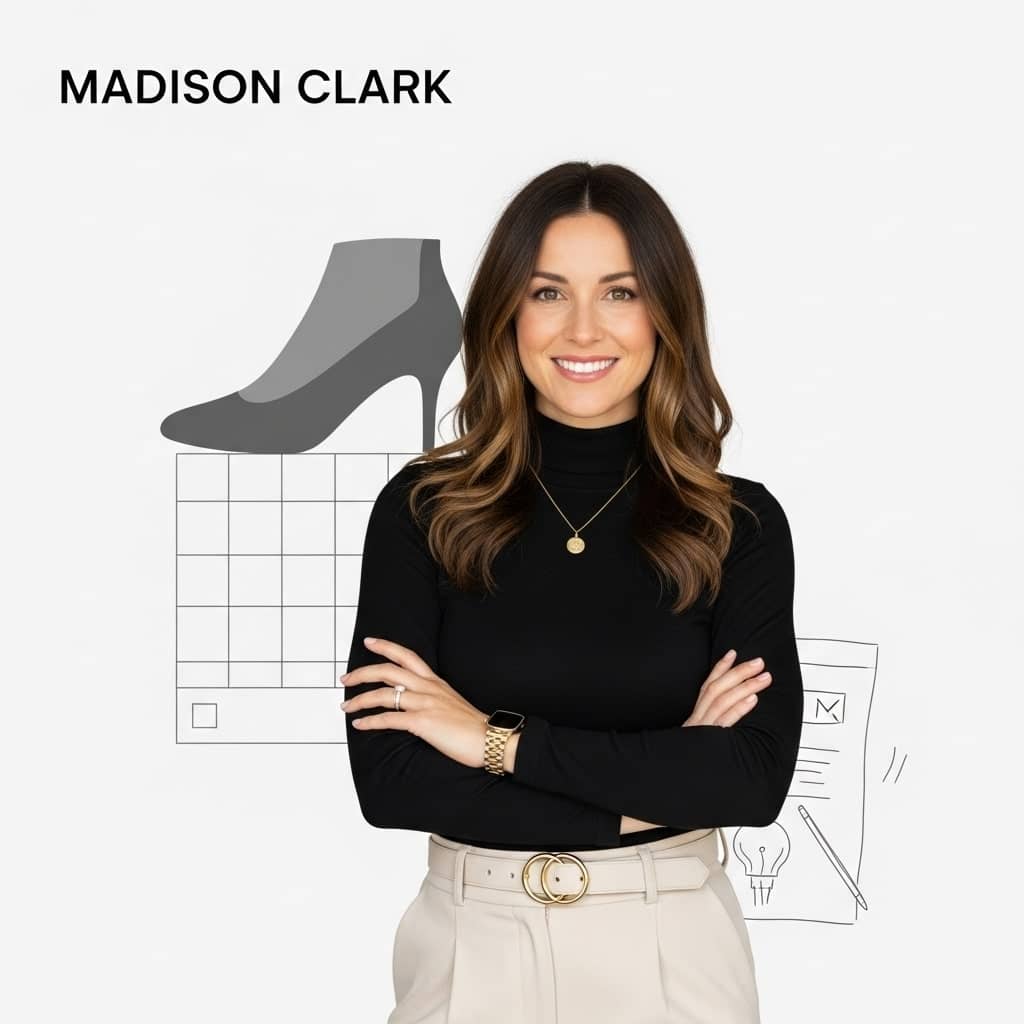
Madison Clark is a footwear expert and the voice behind MyStyleGrid.com. She specializes in honest shoe reviews, style tips, and practical guides to help readers find the perfect pair for any occasion. With years of experience in blogging and content creation, Madison makes footwear knowledge simple, stylish, and easy to follow.