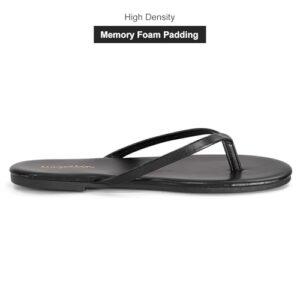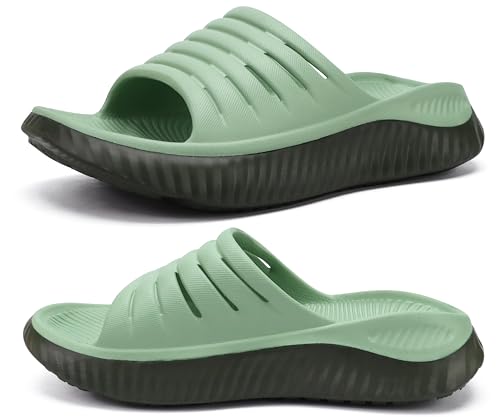
The best sandals for ball of foot pain combine metatarsal support, soft cushioning, and a secure, roomy fit.
A long walk, warm day, or busy shift can turn the front of your foot into a tender, burning spot. I know how frustrating that feels. The right sandal can spread pressure across the foot instead of forcing it onto the metatarsal heads. In this guide, I review orthopedic sandals, built-in metatarsal pads, and helpful forefoot cushions. I also explain what to look for, what to avoid, and which option may suit your daily needs.
ABEO Laguna Flip Flops for Women
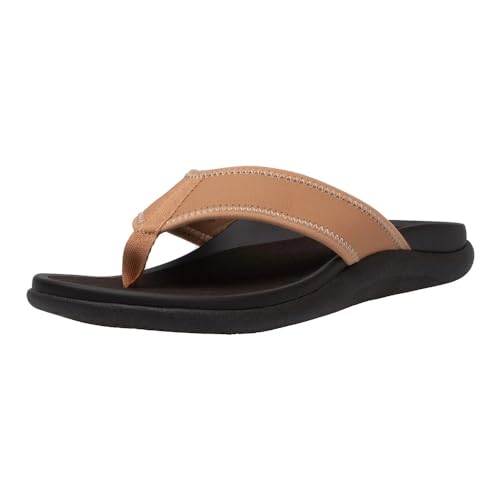
The ABEO Laguna Flip Flops stand out because they use built-in metatarsal support rather than relying on a loose gel pad. That feature may help lift and spread pressure around the ball of the foot. The footbed also includes arch support, which can help the foot stay more balanced during each step. For shoppers who want the best sandals for ball of foot pain without giving up a simple flip-flop shape, this is a strong place to start.
The sandstone color gives this pair a soft, easy-to-match look. The thong style works well for quick trips, pool days, errands, and warm-weather travel. I would still check the fit around the toe post and make sure the forefoot has enough room before wearing them for a full day. Support can help, but a sandal should never feel tight or force the toes to grip.
Pros:
- Built-in metatarsal pad targets forefoot pressure
- Arch support helps promote a more balanced step
- Simple flip-flop design is easy to put on
- Light sandstone color suits casual outfits
- Useful for errands, travel, and warm-weather wear
- May reduce the need for a separate insert
Cons:
- Thong straps may not suit sensitive toes
- Flip-flop styles offer less heel security than strapped sandals
- Fit and support may feel different from standard flat sandals
ABEO Laguna Thin Strap Flip Flops

This thin-strap Laguna model offers a lighter visual design while keeping the key metatarsal support that makes the line worth a look. The built-in forefoot pad can help cushion the area beneath the metatarsal bones. Its arch support may also help reduce the amount of work placed on the front of the foot. That combination makes it a practical choice for someone who dislikes bulky orthopedic footwear.
The black finish is easy to pair with jeans, shorts, dresses, and resort clothing. The open design allows plenty of airflow on hot days. As with most flip-flops, I would use them for walking at a comfortable pace rather than demanding hikes or long hours on hard concrete. If your pain comes with swelling, numbness, or sharp pain, footwear alone is not a substitute for a proper medical assessment.
Pros:
- Built-in metatarsal support may cushion the ball of the foot
- Thin straps create a clean and less bulky look
- Black color works with many outfits
- Open construction keeps feet cool
- Arch support adds structure to a casual sandal
- Easy to slip on for quick daily use
Cons:
- Thin straps may provide less upper-foot coverage
- Thong construction may not feel secure for every user
- May need a short break-in period for sensitive feet
Dr. Scholl’s Metatarsal Orthotics
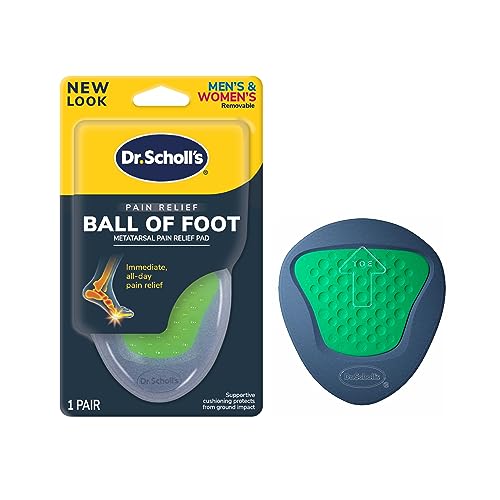
Dr. Scholl’s Pain Relief Orthotics are not sandals, but they can make a favorite pair of sandals more comfortable when the footwear allows an insert. These metatarsal pads are designed to sit near the forefoot and help redirect pressure away from the sore area. The one-size design can be useful for adults who want a simple add-on rather than a new shoe. I include them because the best sandals for ball of foot pain sometimes need extra support for longer walks.
Before using an orthotic in an open sandal, check whether the footbed has enough room and whether the pad can stay in place. A loose insert can bunch up and create a new pressure point. These orthotics may work best in shoes with a removable insole or a broad, stable footbed. They are also useful when you want to test metatarsal support before buying a sandal with a permanent pad.
Pros:
- Provides a low-cost way to try metatarsal support
- Works with many compatible shoes and footbeds
- Can help shift pressure from the ball of the foot
- One-size format is convenient for many adults
- Useful for testing support before buying new footwear
- Can extend the comfort of sandals you already own
Cons:
- Not every open sandal can hold the pad securely
- May move if placed on a smooth or narrow footbed
- Does not provide arch or heel support by itself
Gel Metatarsal Pads for Thong Sandals

These gel metatarsal pads are made for thong sandals and flip-flops, so they solve a problem that many standard inserts cannot. Their forefoot cushion may soften the feel of a firm sandal footbed. The anti-slip design is intended to help the pad stay under the correct part of the foot. For someone who already owns comfortable flip-flops, this pair offers a practical way to add support.
Placement matters more than many shoppers expect. The pad should sit just behind the ball of the foot, not directly under the most painful spot. I recommend trying it at home for a short time and adjusting it before taking a long walk. The two-pair format also gives you a spare or lets you support two pairs of sandals.
Pros:
- Designed for thong sandals and flip-flops
- Gel material offers a soft cushioning feel
- Anti-slip surface may improve stability
- Two pairs provide useful backup value
- Can upgrade sandals already in your closet
- Small design is easy to pack for travel
Cons:
- Correct placement takes some trial and error
- May not stay secure on every sandal surface
- Does not correct a poor sandal fit or weak heel support
ABEO Laguna Slide Sandals in Beige Leather

The ABEO Laguna Slide brings the same main idea into a more stable, easy-on design. Its built-in metatarsal pad is intended to support the area behind the ball of the foot. The arch support may help distribute load through the whole foot rather than leaving the forefoot to take every step. This makes the sandal a strong candidate for shoppers who want the best sandals for ball of foot pain in a polished style.
Beige leather can look more refined than a basic rubber flip-flop. The slide shape is handy around the home, on vacation, or for daily errands. I like this format for people who want quick entry but still prefer a structured footbed. Since a slide has no rear strap, check that your heel does not lift excessively while walking.
Pros:
- Built-in metatarsal pad supports the forefoot
- Arch support adds structure for everyday walking
- Leather beige finish looks polished and versatile
- Slide design makes the sandal easy to put on
- More foot coverage than a thong sandal
- Suitable for casual outfits and travel
Cons:
- No back strap for extra heel control
- Slides may feel loose on narrow feet
- Leather may need care to keep its appearance
DAZZORA Ball of Foot Cushions

DAZZORA cushions provide another flexible way to manage pressure under the forefoot. The black pads are designed for women and may fit inside certain sandals, flats, and other open shoes. A metatarsal cushion can act like a small shock buffer between the foot and a hard surface. That can be helpful when your favorite sandal looks good but lacks enough padding.
The two-pair package makes it easier to use one pair in regular footwear and one pair in a special-occasion shoe. I would pay close attention to the adhesive and the shape of the sandal footbed during the first few uses. A cushion should support the area behind the metatarsal heads without crowding the toes. If the pad causes pressure, remove it and reposition it rather than trying to push through the discomfort.
Pros:
- Offers extra cushioning for the forefoot
- Black color may blend with darker footwear
- Two pairs support more than one shoe
- Useful for sandals, flats, and select open shoes
- Compact and easy to carry
- May improve comfort without replacing your sandals
Cons:
- Fit depends on the shape of each shoe
- Adhesive performance can vary with heat and sweat
- Provides forefoot support but not full-foot correction
Walkize Ball of Foot Cushions

Walkize ball-of-foot cushions come in a discreet beige shade and include two pairs of metatarsal pads. They are made for shoppers who want a simple cushion under the front of the foot. The design may help soften impact and reduce the hard, flat feel found in many casual sandals. I see them as a useful accessory for people who are not ready to replace every pair of shoes.
These pads are especially practical when you need to switch between several pairs of footwear. Use a clean, dry surface when placing them so they have the best chance of staying in position. Start with short wear sessions because every foot responds differently to added padding. Like other inserts, they can help with pressure but cannot fix a sandal that is too short, too narrow, or unstable.
Pros:
- Two-pair package offers good flexibility
- Beige shade is subtle in many shoes
- Designed to cushion the metatarsal area
- Can be moved between compatible footwear
- Lightweight for purses, luggage, or desk drawers
- Useful for testing whether forefoot padding helps
Cons:
- May not fit well in very narrow sandals
- Needs careful placement for best results
- Does not include arch or heel support
Homergy Gel Metatarsal Foot Pads

Homergy gel metatarsal pads focus on soft support at the point where many people feel burning or soreness. Gel can provide a cushioned barrier between the foot and the sandal footbed. The low-profile format may work with selected open shoes that cannot accept a full orthotic. This makes the pads worth considering when you want a small change with a low purchase cost.
I recommend checking the pad after a few minutes of walking. If it slides toward the toes, it may sit too far forward or the sandal may not offer a suitable surface. The best result usually comes from placing the cushion just behind the painful area. These pads are helpful accessories, but persistent pain still deserves attention from a podiatrist or other qualified clinician.
Pros:
- Gel construction offers a soft feel
- Targets pressure around the metatarsal area
- Low-profile design may suit some open footwear
- Simple option for shoppers on a budget
- Can complement supportive sandals
- Easy to test during short walks
Cons:
- May move in sandals with slick footbeds
- Gel can feel warm during extended summer wear
- Does not replace a well-fitted supportive sandal
ABEO Oasis Orthopedic Sandals
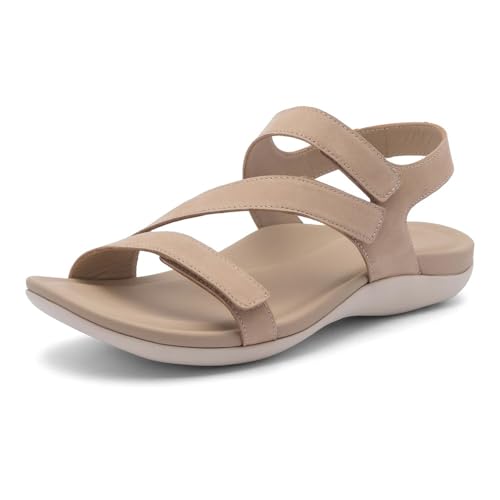
The ABEO Oasis takes a more complete comfort approach than a small metatarsal pad. It features an orthopedic arch-support design and a built-in orthotic insole. The footbed is intended to support the foot while helping relieve pressure near the ball of the foot. For people who need more than a thin cushion, this pair deserves serious attention.
The Cuban Sand color gives the sandal a warm, neutral appearance. It may suit daily outfits while still offering a more supportive build than a flat fashion sandal. I would choose this style for walking, standing, travel, or days when your feet need steady support. As always, compare the size chart with your foot length and width, since a supportive sandal only works well when your foot sits in the intended position.
Pros:
- Built-in orthotic insole supports the whole foot
- Arch support may help reduce forefoot overload
- Designed with ball-of-foot comfort in mind
- Neutral Cuban Sand color is easy to style
- Suitable for longer periods of standing than flimsy flats
- Offers a more complete option than a separate gel pad
Cons:
- Orthopedic styling may feel less minimal
- Higher-support footbeds may need an adjustment period
- Fit must be checked carefully before extended wear
ABEO Laguna Black Leather Slide

This black leather Laguna slide gives shoppers a darker, dressier alternative to the beige version. Its built-in metatarsal pad is aimed at the same pressure zone that often becomes sore during walking. The arch-support sandal design may also help keep the foot from collapsing into a flat, strained position. It is a good candidate for anyone seeking the best sandals for ball of foot pain in a classic black color.
The open slide format is quick to wear and easy to remove. Black leather can transition from casual clothing to a more polished summer outfit. I would use this sandal for errands, relaxed office settings, travel, and daily home wear. A slide should fit securely enough that you do not clench your toes to keep it on.
Pros:
- Built-in metatarsal support targets forefoot stress
- Arch support adds stability to the footbed
- Black leather finish is highly versatile
- Slide design makes daily use convenient
- More coverage than a traditional flip-flop
- Works well for casual and smart-casual outfits
Cons:
- No heel strap for added rear-foot security
- May not suit people who need a locked-in fit
- Leather requires reasonable care and protection
What Causes Ball of Foot Pain?
Ball of foot pain is often called metatarsalgia. It refers to pain and inflammation near the metatarsal heads, which sit behind the toes. The area absorbs force each time you walk, climb stairs, or push off. When too much pressure gathers there, the feeling may range from a dull ache to burning, tingling, or the sensation of a pebble inside the shoe.
Many things can add stress to the forefoot. High heels shift body weight toward the toes. Thin, hard soles provide little shock absorption. Tight toe boxes crowd the toes and change how the foot moves. Long periods of standing, increased activity, foot shape, high arches, and certain toe problems can also play a role.
Supportive footwear may ease symptoms, but it does not diagnose the cause. The American Academy of Orthopaedic Surgeons and major clinical guidance commonly emphasize rest, suitable shoes, and pressure reduction for mild cases. A medical professional should assess pain that lasts, gets worse, follows an injury, or comes with numbness or swelling.
How I Evaluate the Best Sandals for Ball of Foot Pain
I do not judge a sandal by its color or a soft first step alone. I look at how the design handles pressure, motion, fit, and daily use. A soft sole can feel nice in a store but still lack the structure needed for a full day. A firm footbed can offer better support but may need a gradual break-in period.
My first check is the metatarsal area. A useful pad usually sits behind the ball of the foot and helps spread load across a wider area. If it sits directly under the sore spot, it may increase pressure instead of reducing it. Built-in support is often convenient, while removable pads offer more freedom to adjust placement.
I also assess arch support. The arch does not need to feel like a hard bump. It should support the foot without creating a new sore point. Good support can help the foot move in a more controlled way, but the correct level depends on your foot shape and comfort needs.
Next comes the sole. I prefer a sandal with enough cushioning to soften contact with hard floors, plus enough firmness to prevent the foot from sinking and spreading too much. A completely flat, thin sole may leave the forefoot exposed to repeated impact. A very soft sole may feel unstable and make the foot work harder.
Toe room matters just as much. Your toes should have space to lie naturally. The front edge should not press against the longest toe. If the sandal squeezes the forefoot, even a good metatarsal pad may not solve the problem.
Finally, I consider security. A sandal that slips forces the toes to grip. That can tire the foot and change your stride. Adjustable straps, a contoured footbed, and a stable sole can help. Slides and flip-flops remain convenient, but they work best when they fit well and match the activity.
Built-In Support Versus Add-On Pads
Built-in metatarsal support is simple. You put on the sandal and the pad is already in the footbed. This can make a supportive sandal a good everyday choice. It also avoids the hassle of moving an insert from one shoe to another.
Add-on pads offer more control. You can move the cushion a few millimeters until it feels right. They may also let you keep wearing a sandal you already like. The trade-off is that pads can shift, lose adhesion, or feel bulky in a narrow shoe.
If you want a complete solution, start with a sandal that has a supportive footbed and enough forefoot room. If your current sandals fit well but lack cushioning, try a compatible pad. Never use an insert to force a shoe that is too small to fit.
Fit Tips for Metatarsal Support Sandals
Measure both feet near the end of the day. Feet often swell slightly after hours of activity. Use the larger foot when choosing a size. Compare your measurement with the seller’s chart instead of assuming your usual size will fit.
When you first try the sandal, stand up and check the position of the arch and metatarsal pad. The pad should support the area just behind the ball of the foot. Your toes should not hang over the front. Your heel should sit on the heel area without sliding far beyond the back edge.
Walk on a clean indoor surface for several minutes. Notice whether you grip with your toes. Check for rubbing near the straps and toe post. Start with short sessions, then add time slowly. This approach helps your feet adjust and gives you time to catch a poor fit before a blister develops.
Who Should Avoid a Long Walk in Flat Flip-Flops?
Flat flip-flops can be handy for showers, pools, and quick trips. They are not ideal for every activity. Long walks on pavement demand more cushioning, support, and heel control. A flip-flop may also encourage toe gripping because it can slip off easily.
If you love flip-flops, choose a model with a contoured footbed, some arch support, and forefoot cushioning. Use it for the activity it can handle. For sightseeing, work, or a full day on your feet, a more secure sandal may be a better choice.
Care and Break-In Advice
Clean the footbed as directed by the maker. Sweat, sunscreen, and dust can make the surface slick. Let sandals dry fully before storing them. Avoid high heat, which may damage adhesives or change the shape of some materials.
Break in supportive footwear slowly. Wear it for 20 to 30 minutes at first. If the footbed creates a sharp spot, stop and reassess the fit. Comfort should improve as your feet adjust; pain that grows stronger is a warning sign, not a normal break-in result.
My Recommendation
For most shoppers, the ABEO Laguna Slide or the ABEO Oasis offers the strongest complete approach. Both focus on support rather than relying on a thin, flat sole. The Laguna slides are especially appealing if you want built-in metatarsal support with a simple, polished look. The Oasis is better for users who want a more structured orthotic-style footbed and stronger arch support.
The ABEO Laguna flip-flops suit quick errands and casual summer wear. The gel pads and Dr. Scholl’s orthotics suit people who want to improve sandals they already own. DAZZORA, Walkize, and Homergy offer affordable ways to test forefoot cushioning. In my view, the best sandals for ball of foot pain are the pair that fits your foot, keeps you from gripping your toes, and supports your normal activity.
| Best for | Why |
|---|---|
| Best complete sandal support | ABEO Oasis combines an orthotic insole, arch support, and forefoot comfort. |
| Best easy-on everyday slide | ABEO Laguna Slide offers built-in metatarsal support in a convenient design. |
| Best low-cost comfort upgrade | Gel, Dr. Scholl’s, DAZZORA, Walkize, and Homergy pads can add forefoot cushioning to compatible footwear. |
FAQs Of Best Sandals for Ball of Foot Pain
What are the best sandals for ball of foot pain?
The best sandals usually have a supportive footbed, a metatarsal pad, cushioning, and enough toe room. ABEO Laguna and ABEO Oasis models are strong options because they include built-in support. The right choice still depends on your foot shape, activity, and fit.
Do metatarsal pads really help ball of foot pain?
They may help by spreading pressure away from the sore area. Placement is important. A pad normally sits just behind the ball of the foot, not directly under the painful spot. Stop using it if it creates more pain or numbness.
Are flip-flops bad for metatarsalgia?
Not all flip-flops are equal. A flat pair with no support may increase stress during long walks. Flip-flops with cushioning, arch support, and a metatarsal pad may feel better for short or moderate use. Choose a secure fit and avoid toe gripping.
How should sandals fit when my forefoot hurts?
Your toes should have room to spread, and none should hang over the edge. The sandal should hold the foot without squeezing it. Your heel should remain stable, and the arch or metatarsal support should sit in the correct place.
When should I see a doctor about ball of foot pain?
Seek medical advice if the pain is severe, lasts despite rest, follows an injury, or comes with swelling, numbness, weakness, or skin changes. Diabetes and circulation problems also call for extra care. Sandals can improve comfort, but they cannot treat every cause.
Final Verdict: Which Should You Buy?
For most people, I recommend the ABEO Laguna Slide for its built-in metatarsal support and easy daily fit. Choose the ABEO Oasis if you want stronger orthotic-style support.
The best sandals for ball of foot pain should cushion, support, and fit without forcing your toes to grip. Check the latest size and price details on Amazon before ordering.
Madison Clark is a footwear expert and the voice behind MyStyleGrid.com. She specializes in honest shoe reviews, style tips, and practical guides to help readers find the perfect pair for any occasion. With years of experience in blogging and content creation, Madison makes footwear knowledge simple, stylish, and easy to follow.