For most people in the United States, walking shoes last about 300 to 500 miles. That often equals 6 to 12 months for regular use. However, mileage is only a guide. Your body weight, walking surface, shoe quality, gait, weather, and care can shorten or extend that range.
Replace walking shoes sooner if the tread is worn, the midsole feels flat, the upper is damaged, or you develop new foot, knee, hip, or back pain. A shoe can look clean and still lose the support that helps protect your feet.

The short answer: 300 to 500 miles for most walkers
A walking shoe should usually be checked after about 300 miles and replaced by 500 miles if it shows clear wear. This range is not a strict rule. It is a useful starting point based on common footwear guidance from major shoe makers and running retailers.
A person who walks 2 miles a day, five days a week, covers about 520 miles in one year:
2 miles × 5 days × 52 weeks = 520 miles
That person may need new walking shoes about once a year, or sooner if the shoes wear quickly.
Someone who walks 4 miles a day may reach 500 miles in about six months. A person who walks only 1 mile a few times each week may use the same shoes for more than a year.
The key point is simple: replace walking shoes by condition, not by the calendar alone.
What affects how long walking shoes last?
Walking shoes do not all wear at the same rate. The same pair may last 800 miles for one person and feel worn out at 250 miles for another.
Walking frequency and distance
More miles create more compression and rubbing. Daily walkers will normally replace shoes more often than people who wear them for short trips.
Track your weekly distance if you walk for exercise. A phone app, fitness watch, or simple paper record can help. You do not need an exact number. A rough total is enough to tell you when a shoe is nearing the 300- to 500-mile check point.
Body weight and load
Each step places force through the shoe. A heavier load can compress foam faster. A backpack, work equipment, or steep hill can add to that load.
This does not mean a person needs a certain type of body or shoe. It means mileage estimates should be treated as flexible. If your shoes lose their cushion early, inspect them by feel and wear rather than following a fixed date.
Walking surfaces
Smooth indoor floors and paved sidewalks are often easier on shoe uppers and outsoles than rough trails, gravel, or concrete with sharp edges.


Uneven ground can also twist the shoe. That may wear the outsole in unusual spots. If you walk on trails, check the tread and sidewalls often.
Walking style and foot motion
People wear shoes in different ways. Some walkers strike hard on the heel. Others wear the outer edge or push off mostly from the toes.
Look at the bottom of each shoe. Uneven wear can show how your foot loads the shoe. It does not diagnose a foot problem, but it can help you spot a change in support.
Weather and storage
Heat, moisture, and sunlight can damage shoe materials. Leaving shoes in a hot car may speed up foam and glue breakdown. Repeated soaking can also weaken the upper and cause odor or mold.
Let wet shoes dry at room temperature. Do not place them on a heater or use high heat from a dryer.
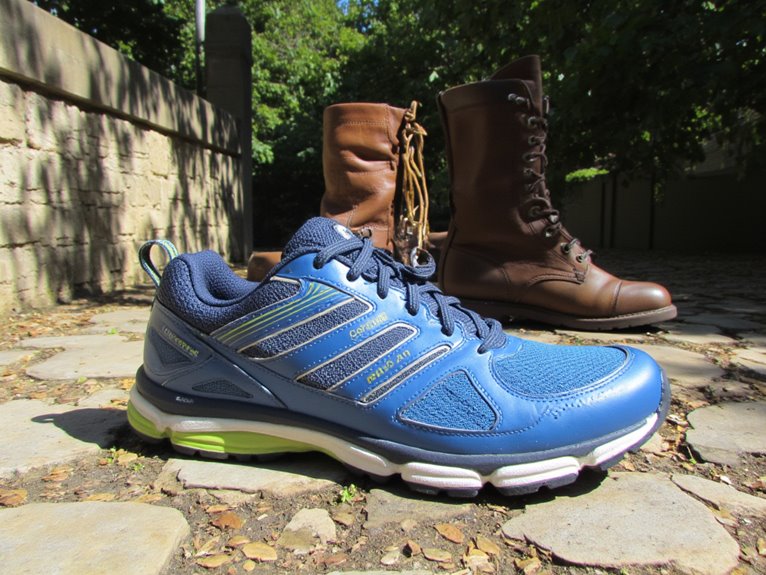
Signs that your walking shoes need replacement
The best replacement test combines the shoe’s condition with how your body feels while walking.
1. The outsole has worn smooth
The outsole is the part that touches the ground. Replace the shoes when the tread is badly worn, smooth, cracked, or missing in key areas.
Pay special attention to the heel and forefoot. A small worn patch may not matter at first. A deep or uneven patch can change how your foot meets the ground and may reduce traction.
2. The midsole feels flat
The midsole is the foam layer between the outsole and your foot. It provides much of the shoe’s cushioning and structure.
Foam may compress before the shoe looks damaged. Compare the worn pair with a new pair of the same model, if possible. If the old shoe feels hard, thin, or uneven, it may be past its useful life.
3. The shoe bends or twists too easily
A walking shoe should bend at the forefoot, where your toes move. It should not fold in half with little force or twist like a soft cloth.
Excessive bending or twisting can mean that the shoe has lost structure. This matters more if you need stable support or walk on uneven ground.
4. The upper no longer holds your foot well
The upper is the part that wraps around your foot. Replace the shoe if the heel counter collapses, the side panels stretch badly, or the laces can no longer create a secure fit.
A torn upper is not just a cosmetic problem. It can let your foot slide and create blisters.


5. You develop new aches or hot spots
New pain after you have used the shoes for some time can be a warning sign. Watch for:
- Blisters in new places
- Burning or numbness
- Heel pain
- Arch discomfort
- Pain under the ball of the foot
- New knee, hip, or lower-back pain
Shoes may not be the only cause. Training changes, an injury, poor fit, or a medical condition can also cause pain. Stop using a pair that clearly makes symptoms worse. Seek medical care for severe pain, swelling, numbness, weakness, or pain that does not improve.
6. The shoes sit unevenly on a flat surface
Place both shoes on a flat floor. Look from the back and side. If one shoe leans, rocks, or looks lower on one side, its structure may be worn.
You can also place the shoes side by side. Major differences in height or shape suggest that the pair no longer provides even support.

How to check your walking shoes at home
A short inspection can help you decide whether to keep, rotate, or replace a pair.
- Clean the shoes first. Dirt can hide cracks and tread wear.
- Check the outsole. Look for smooth spots, deep wear, and missing rubber.
- Press the midsole. Compare both shoes. Look for hard or collapsed areas.
- Inspect the heel. Make sure the heel counter remains firm and upright.
- Check the upper. Look for holes, stretched fabric, broken seams, and loose soles.
- Test the fit. Walk for several minutes. Note slipping, rubbing, or pressure.
- Compare with a newer pair. A large difference in comfort or support is useful evidence.
- Record the date and mileage. This helps you spot your personal replacement pattern.
Do not rely on the “fold test” alone. A shoe may bend normally and still have worn foam. Your walking comfort, traction, fit, and visible wear matter together.
A simple replacement schedule
Use this table as a starting point, not a promise.
| Walking routine | Approximate yearly mileage | When to inspect closely |
|---|---|---|
| 1 mile, 3 days per week | About 156 miles | Around 12 months |
| 2 miles, 5 days per week | About 520 miles | Around 6 to 12 months |
| 3 miles, 5 days per week | About 780 miles | Around 4 to 8 months |
| 5 miles, 5 days per week | About 1,300 miles | Around 3 to 5 months |
| Occasional errands | Varies widely | When fit or traction changes |
These are hypothetical calculations. They assume consistent walking and do not account for hills, body load, weather, or surface type.
A useful formula is:
Weeks of use = expected shoe life in miles ÷ weekly walking miles
For example, if you walk 20 miles per week:
300 miles ÷ 20 miles = 15 weeks
500 miles ÷ 20 miles = 25 weeks
That gives an inspection range of about 15 to 25 weeks.
Do not keep worn shoes just to reach a mileage number. Replace them when the evidence says they are no longer doing their job.


Do walking shoes last longer than running shoes?
Walking shoes and running shoes can have similar replacement ranges, but the answer depends on how they are used.
Running creates higher impact and greater force than ordinary walking. Running shoes may wear sooner when used for frequent training. However, a walking shoe used every day on concrete may also wear quickly.
The design also differs:
- Walking shoes often focus on stable contact, flexible forefoot movement, and comfort at slower speeds.
- Running shoes are built for repeated running impact and may have lighter materials.
- Trail shoes use tougher outsoles and protection for rough ground, but their tread can wear quickly on pavement.
- Casual sneakers may feel comfortable but may not provide the structure needed for long daily walks.
Do not assume that a running shoe is automatically better for walking. Choose based on fit, surface, distance, comfort, and the support you need.
Can you make walking shoes last longer?
You can extend useful life with good care, but no method restores worn foam or tread.
Rotate two pairs
Alternating shoes gives each pair time to dry and recover between uses. It may also make wear easier to notice.
Rotation does not double the life of each pair. It can reduce moisture buildup and spread your total wear across two pairs.
Use shoes for their intended purpose
Avoid using walking shoes for sports that require sharp cuts, such as tennis or basketball. Those movements can stress the upper and midsole in ways the shoes were not built to handle.
Keep indoor walking shoes indoors when possible. Outdoor grit can wear the outsole and bring moisture into the shoe.
Tie the shoes correctly
A secure lace fit reduces heel movement and rubbing. It also prevents your toes from sliding forward on hills.
Do not tie shoes so tightly that they cause numbness or pressure. Your heel should stay in place while your toes should have room to move.
Dry them naturally
Remove the insoles if they are removable. Let the shoes air out in a cool, dry place. Avoid radiators, clothes dryers, and direct high heat.
Clean them gently
Follow the care instructions from the shoe maker. In general, use a soft brush and mild soap for surface dirt. Avoid harsh chemicals that may damage adhesives or fabric.


When should you replace walking shoes immediately?
Some problems call for replacement even when the shoes have low mileage.
Replace the pair if:
- The sole is separating from the upper.
- The heel counter is crushed.
- The outsole has a hole or dangerous crack.
- Your foot slides inside the shoe.
- The shoes cause repeated blisters.
- You feel less stable on normal surfaces.
- The shoes become soaked with contaminated water and cannot be cleaned safely.
- A medical professional has advised a different shoe or support.
If pain begins suddenly, is severe, or comes with swelling, weakness, numbness, or trouble walking, do not treat new shoes as the only solution. Contact a health care professional. A podiatrist, physical therapist, or primary care clinician can help assess persistent foot or walking problems.
Common mistakes when judging shoe life
Waiting for a hole
Visible damage is a late warning. Cushioning and structure may decline long before the upper tears.
Following a six-month rule without checking wear
Six months is a useful reminder for frequent walkers. It is not a universal expiration date.
Replacing shoes based only on appearance
A clean shoe may have compressed foam. A dirty shoe may still have good structure. Inspect the parts that affect function.
Ignoring the left and right shoe separately
One shoe may wear faster than the other. Check both shoes, especially if you have an uneven stride.
Treating pain with a new shoe forever
A new pair may help if the old pair is worn or poorly fitted. Ongoing pain needs a broader assessment.
Buying a size that feels tight
Walking can make feet swell slightly. Try shoes later in the day and wear the socks you plan to use. You should have enough room to move your toes without your heel slipping.

Frequently asked questions
How often should I replace walking shoes if I walk every day?
Inspect them every month once you reach about 300 miles. Many daily walkers replace shoes between 6 and 12 months, but heavy use, rough ground, and visible wear can shorten that time.
Can walking shoes last for years?
They can last several years if they are used rarely and stored well. However, age can still affect foam, glue, and rubber. Check the shoes before long walks even if they have low mileage.
Is 500 miles too much for walking shoes?
Not always. Some shoes remain comfortable beyond 500 miles, while others wear out much sooner. Treat 500 miles as a point for careful inspection, not a guaranteed limit.
Are expensive walking shoes more durable?
Price alone does not prove durability. Materials, construction, fit, walking surface, and use matter more. A well-fitting mid-priced shoe may last longer for you than an expensive shoe that does not match your gait or route.
Should I replace both walking shoes at the same time?
Usually, yes. Walking shoes are sold and designed as a pair. If one shoe has a small defect but the other is nearly new, contact the seller or manufacturer before discarding the pair.
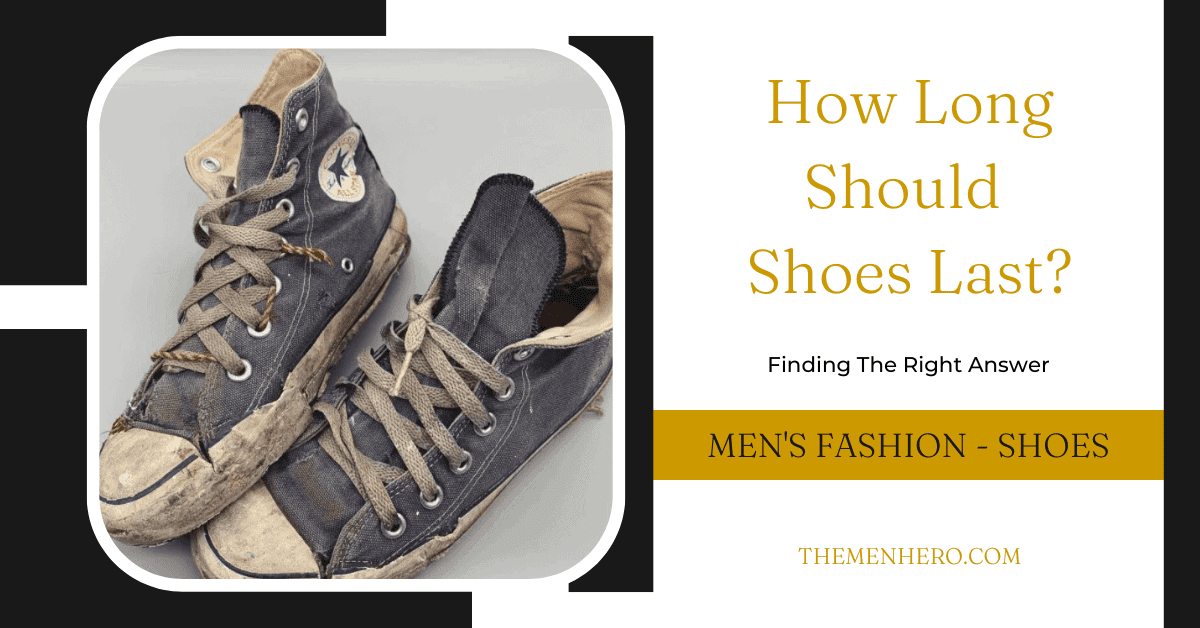
Key takeaways
- Most walking shoes last about 300 to 500 miles.
- Regular use often means 6 to 12 months, but mileage and wear vary.
- Check the outsole, midsole, heel, upper, fit, and your body’s response.
- Replace shoes when they lose traction, structure, comfort, or a secure fit.
- Do not ignore new pain, numbness, swelling, or instability.
- Track your walking distance so you know when to inspect the pair.
Conclusion
Walking shoes should last long enough to provide steady fit, traction, and support—not simply reach a certain age. Start checking them near 300 miles, and expect many pairs to need replacement by 500 miles. If the shoes feel flat, look uneven, or cause new discomfort, replace them sooner.
For your next step, inspect both shoes on a flat surface and estimate your weekly mileage. That gives you a more useful replacement plan than the calendar alone.
Sources consulted
- American Podiatric Medical Association: Choosing the Right Athletic Shoe
- American Academy of Orthopaedic Surgeons: Shoe and Orthotic Options for Athletes
- American College of Sports Medicine: Selecting and Effectively Using Running Shoes
- American Academy of Family Physicians: Common Foot Problems

Rubel Miah is the Senior Editor at MyStyleGrid.com, where he brings a sharp editorial eye and an unshakable love for fashion to everything he does. A true style addict, Rubel lives and breathes trends, from streetwear to high fashion, and has a knack for turning inspiration into impactful stories. With years of experience in fashion journalism and digital media, he curates content that empowers readers to express themselves through style. When he’s not editing features or forecasting the next big thing, you’ll find him hunting down vintage pieces or capturing street style moments around the city.