In the United States, cargo pants are trousers with one or more large utility pockets attached to the outer leg, usually below the hip and above the knee. These pockets often have a flap, button, snap, hook-and-loop closure, or fold that helps keep items inside.
A loose fit alone does not make pants cargo pants. The key feature is the external leg pocket system. Fabric, color, and style may change, but the added storage pockets define the category.
The Core Features That Define Cargo Pants
Cargo pants have a few traits that set them apart from jeans, chinos, and standard work pants.
1. Large pockets on the outer legs
The most important feature is a pocket sewn onto the outside of the pant leg. This is called a patch pocket because the pocket sits on top of the fabric rather than inside a seam.
Most cargo pockets sit on the side of the thigh. Some extend toward the knee. They may be flat or built with extra fabric that allows the pocket to expand.
A side pocket must be more than a small opening near the hip to count as a cargo pocket. A typical cargo pocket adds visible storage to the leg.
2. A flap or closure
Many cargo pockets have a flap over the opening. The flap may close with:
- Buttons
- Snaps
- Zippers
- Hook-and-loop fasteners
- Buckles
- Drawcords
The closure helps reduce the chance that keys, tools, a phone, or other small items will fall out. Still, not every cargo pocket has a firm closure. Some fashion cargo pants use open or partly open pockets for a softer look.
3. Extra storage
Cargo pants offer more storage than ordinary five-pocket jeans. The pockets are meant to hold useful items without placing everything in the front or back pockets.
The exact capacity varies. A pocket may hold a wallet or phone, but that does not mean it can safely carry heavy tools. Overloading one pocket can pull the pant leg down and place stress on the seams.
4. A functional pocket layout
Cargo pants often have several types of pockets:
- Front hand pockets
- Back pockets
- One or two thigh cargo pockets
- Small tool, phone, pen, or coin pockets
- Zipped or hidden security pockets
The layout matters because it spreads storage across the garment. This can make access easier while walking, working, traveling, or hiking.
5. Durable or flexible fabric
Many cargo pants use cotton twill, canvas, ripstop, nylon blends, or stretch fabric. These materials suit the basic purpose of the design: carrying items and handling regular wear.
Fabric alone does not define cargo pants. A pair can be cargo pants even when it uses lightweight cotton, denim, linen, or a synthetic blend. The outside leg pockets remain the deciding feature.
Why Are They Called Cargo Pants?
The name comes from the pants’ link to carrying cargo, meaning useful supplies or equipment. The design became associated with military clothing and work clothing because external pockets gave wearers more room for gear.


Military uniforms helped make the style familiar, but not every pair of cargo pants is military clothing. Modern versions range from rugged work trousers to slim fashion pants.
The word cargo now describes a clothing design as much as a job or activity. A pair of cargo pants sold in a US clothing store may have only two thigh pockets and may use soft fabric. That still fits the basic definition.
The military version often places more focus on:
- Pocket security
- Strong seams
- Easy access
- Durable fabric
- Compatibility with other equipment
A fashion version may focus more on shape, color, and pocket placement. The two types can look similar, but they may serve very different needs.
Cargo Pants vs. Similar Types of Pants
Cargo pants can look like several other styles. The best way to tell them apart is to check where the storage sits and how the garment is built.
| Type of pants | Main identifying feature | Do they count as cargo pants? |
|---|---|---|
| Cargo pants | Large external pockets on the thigh or lower leg | Yes |
| Cargo joggers | Cargo pockets plus elastic cuffs and a casual fit | Yes |
| Tactical pants | Utility pockets, tool loops, reinforced areas, and gear-focused details | Sometimes |
| Carpenter pants | Tool loop and hammer loop, often with a side utility pocket | Usually no |
| Hiking pants | Light fabric, stretch, and weather features | Only if they have cargo pockets |
| Combat trousers | Military-style cut and utility pocket system | Often, but the term can have a narrower uniform meaning |
| Chinos | Smooth front and simple pocket design | No |
| Parachute pants | Loose shape and gathered cuffs, with or without cargo pockets | Only if they include cargo pockets |
| Utility pants | General term for pants made for practical work | Not always |
Cargo pants and tactical pants
“Tactical pants” is a broader performance term. Tactical pants may include cargo pockets, but they can also have hidden pockets, magazine pockets, reinforced knees, belt loops, and tool-specific storage.
A pair of tactical pants is not automatically better than a basic pair of cargo pants. The right choice depends on the work, load, fabric, and fit.
Cargo pants and carpenter pants
Carpenter pants usually have features made for hand tools. These may include a hammer loop, ruler pocket, or reinforced sections.
Cargo pants focus on enclosed leg storage. A pair may include tool features, but those details are not required for the cargo category.
Cargo pants and cargo joggers
Cargo joggers are still cargo pants because they have cargo pockets. Their elastic waist, tapered legs, and knit cuffs give them a more casual shape.
The word “jogger” describes the cut. The word “cargo” describes the pocket design.
What Makes a Cargo Pocket Useful?
A cargo pocket works best when its size, opening, closure, and position match the item it carries.
Pocket size
A larger pocket can hold more, but bigger is not always better. A very large pocket may sag, swing, or catch on nearby objects.
For daily wear, a medium pocket can be easier to manage. For work use, a larger pocket may help with gloves, tape, small tools, or other supplies.
Gussets
A gusset is an added fold or panel of fabric. It gives a pocket more room when filled.


Flat pockets look clean but have limited capacity. Gusseted pockets can expand, though they may create a bulkier appearance.
Closure type
Each closure has a different trade-off:
- Buttons: Secure and simple, but slower to open.
- Snaps: Fast to use, but can wear out or open under force.
- Zippers: Offer strong closure, but may fail if dirt or fabric gets caught.
- Hook-and-loop: Quick and adjustable, but can collect lint and make noise.
- Open tops: Easy to access, but less secure.
For walking or light daily use, several options can work. For active work, the closure should match the risk of losing the item.
Pocket placement
A pocket placed high on the thigh may be easy to reach while standing. A lower pocket may hold larger items but can swing more as the wearer walks.
Pocket placement also affects comfort when sitting. A bulky phone, tool, or wallet can press into the leg or hip. Try sitting, bending, and climbing stairs before deciding that a pocket is practical.
How Cargo Pants Should Fit
Cargo pants should fit the body first and carry gear second. A pocket cannot work well if the waistband slips or the thigh is too tight.
Check these areas:
- Waist: It should stay in place without cutting into the body.
- Seat: The fabric should cover the seat without pulling.
- Thigh: There should be room to walk, sit, and bend.
- Knee: Seams should not restrict movement.
- Cuff: The opening should match the shoe and intended use.
- Pockets: They should lie flat when empty and stay balanced when filled.
A relaxed fit often suits work and outdoor use. A slim fit may look cleaner, but it can limit movement and make full pockets feel tight.
Cargo pants can look bulky because the pockets add fabric to the leg. A tapered leg, smaller pocket, or lighter fabric can reduce that effect. However, a very slim cut may defeat the purpose of carrying items.
What Fabrics Are Used in Cargo Pants?
Cargo pants come in many fabrics. The best one depends on the task and weather.
Cotton twill
Cotton twill is woven with diagonal lines. It feels familiar and can work well for daily wear. It may be less suitable for wet conditions because cotton can hold moisture and dry slowly.
Canvas
Canvas is a firm woven fabric. It can handle rough use, but it may feel stiff at first. Heavy canvas can also be warmer than a light cotton blend.
Ripstop
Ripstop fabric uses a grid-like reinforcement pattern. The design can help limit the spread of a small tear, but it does not make pants tear-proof.
Nylon and polyester blends
Synthetic blends often dry faster than cotton and may resist light moisture. Their feel, breathability, and durability vary by weave and finish.
Stretch blends
A small amount of elastane or another stretch fiber can improve comfort when bending or climbing. Too much stretch may reduce the firm feel some work users prefer.


No fabric works best in every setting. Think about heat, rain, abrasion, washing, and the weight of the items you plan to carry.
How to Tell if Cargo Pants Are Well Made
A good pair of cargo pants should show careful work in the areas that carry the most stress.
Look for:
- Strong stitching around pocket corners. Bar tacks or extra stitching can reinforce high-stress points.
- Even seams. Uneven or loose stitches may point to weak construction.
- A secure pocket flap. The flap should cover the opening without pulling.
- Comfortable pocket placement. Items should not press into the knee or hip.
- A stable waistband. The pants should stay up when the pockets are filled.
- Useful belt loops. Wider loops may suit a work belt, but loop size should match the belt you plan to wear.
- Wash instructions that fit your routine. Special care can matter more than a small difference in fabric weight.
A reinforced pocket corner is helpful, but it does not prove that the entire garment is work-grade. Check the fabric, seams, closures, and fit together.
Are Cargo Pants Good for Everyday Wear?
Cargo pants work well for everyday wear when the pocket layout and shape suit the setting. They can reduce the need for a bag during errands, travel, outdoor walks, and casual activities.
They may be less useful when:
- You want a very clean, formal look.
- You dislike bulk around the thighs.
- You carry heavy items that pull on the waistband.
- The pockets sit where they press against a chair or car seat.
- The closures are hard to use with one hand.
- The garment has more pockets than you will actually use.
For a simple daily pair, look for moderate pocket size, a comfortable waist, and a fabric that fits the season. More pockets do not always mean more usefulness.
Common Misconceptions About Cargo Pants
“Cargo pants must be baggy”
No. Cargo pants can be relaxed, straight, tapered, slim, or jogger-style. Fit does not define the category.
“Cargo pants must be khaki or green”
No. Khaki, olive, and black are common, but cargo pants also come in navy, gray, brown, denim, camouflage, and brighter colors.
“Every side pocket makes pants cargo pants”
No. A small coin pocket, ruler pocket, or welt pocket does not usually create a cargo design. The defining feature is a noticeable utility pocket attached to the outside of the leg.
“Cargo pants are only for work”
No. They are worn for work, travel, outdoor activities, uniforms, streetwear, and casual clothing. The use changes, but the pocket structure remains the central feature.
“More pockets always make better pants”
No. Extra pockets can add weight, bulk, and cost. The best design has pockets that match what the wearer needs to carry.
A Simple Checklist for Identifying Cargo Pants
Use this checklist when shopping or describing a pair:
- Does the garment have a large pocket attached to the outside of the thigh or lower leg?
- Is the pocket clearly separate from the main front or back pocket?
- Does it have a flap, zipper, snap, button, or other closure?
- Can it hold more than a small coin or key?
- Does the pocket add visible utility to the leg?
- Are there one or more additional storage pockets?
If the answer to the first question is yes, the pants likely fit the basic definition. The remaining questions help describe the design in more detail.
Key Takeaways
- Cargo pants are defined mainly by external utility pockets on the legs.
- A loose fit, military color, or durable fabric is not required.
- Cargo joggers count as cargo pants because they keep the cargo pocket design.
- Tactical, carpenter, and utility pants may overlap with cargo pants, but they are not identical terms.
- Pocket size, closure, fabric, and placement determine how useful the pants will be.
- The best pair balances storage, comfort, movement, and the setting where you will wear it.
FAQs About Cargo Pants
What is the main difference between cargo pants and regular pants?
Cargo pants have large external utility pockets on the legs. Regular pants may have front, back, or small side pockets, but they usually do not have large thigh-mounted pockets.


Can cargo pants be slim fit?
Yes. Cargo pants can have a slim or tapered cut. The fit changes the look and movement, but the leg cargo pockets define the style.
Are cargo pants and tactical pants the same?
No. Tactical pants may include cargo pockets, but they often add features for tools, equipment, belt systems, or demanding work. Cargo pants only need the defining external utility pockets.
Do cargo pants have to be durable?
No. Many are made with durable fabric, but durability is not part of the basic definition. Fashion cargo pants may use light cotton, denim, linen, or synthetic fabric.
What should you carry in cargo pockets?
Carry light items that fit without stretching the pocket or pulling down the pants. Common examples include keys, a phone, gloves, a small notebook, or compact tools. Avoid sharp or heavy objects unless the pocket and garment are designed for them.
Conclusion
Cargo pants are defined by large, visible utility pockets attached to the outer leg. Other details, such as fabric, color, fit, closures, and extra pockets, shape the style and function but do not replace that central feature.
When choosing a pair, start with the work the pants must do. Then check pocket access, fit, fabric, closure type, and comfort while sitting and moving. A useful pair is not the one with the most pockets. It is the one whose pockets carry what you need without adding avoidable bulk.
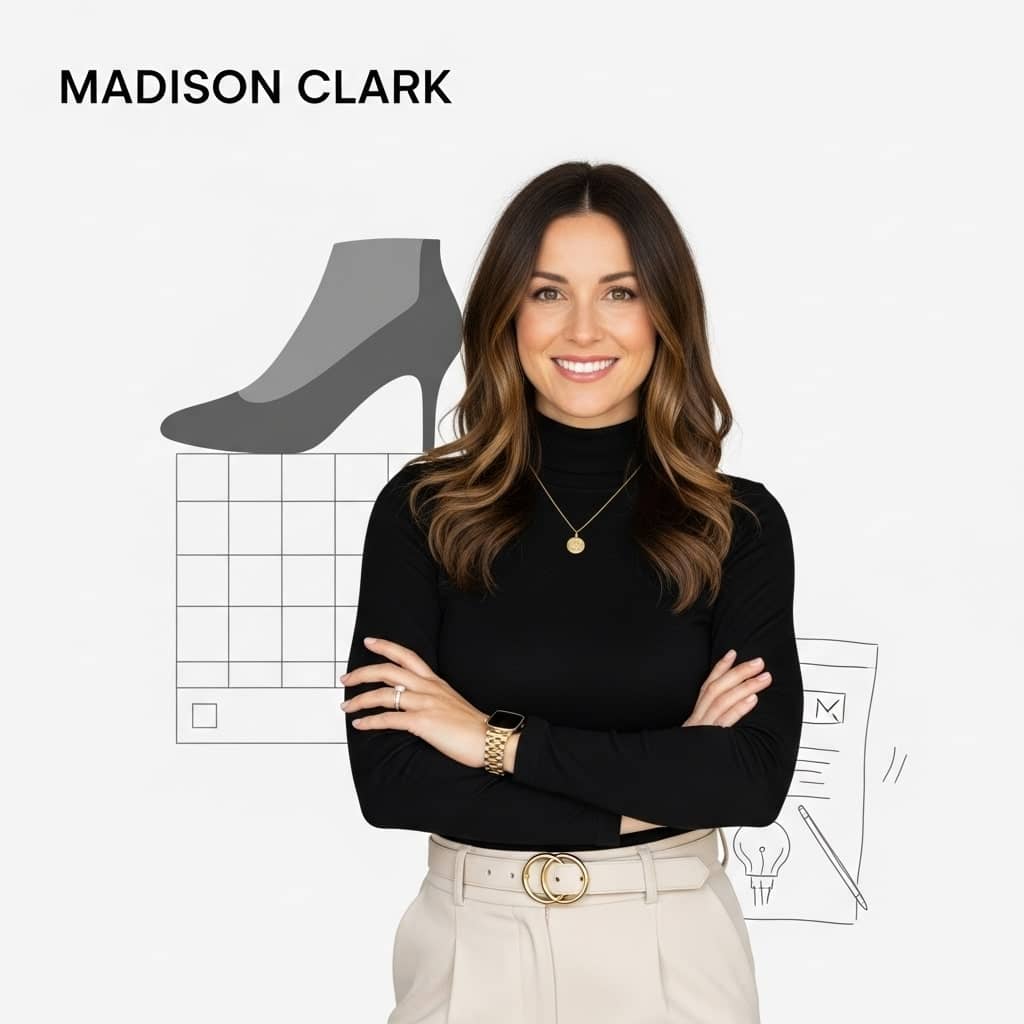
Madison Clark is a footwear expert and the voice behind MyStyleGrid.com. She specializes in honest shoe reviews, style tips, and practical guides to help readers find the perfect pair for any occasion. With years of experience in blogging and content creation, Madison makes footwear knowledge simple, stylish, and easy to follow.