Introduction
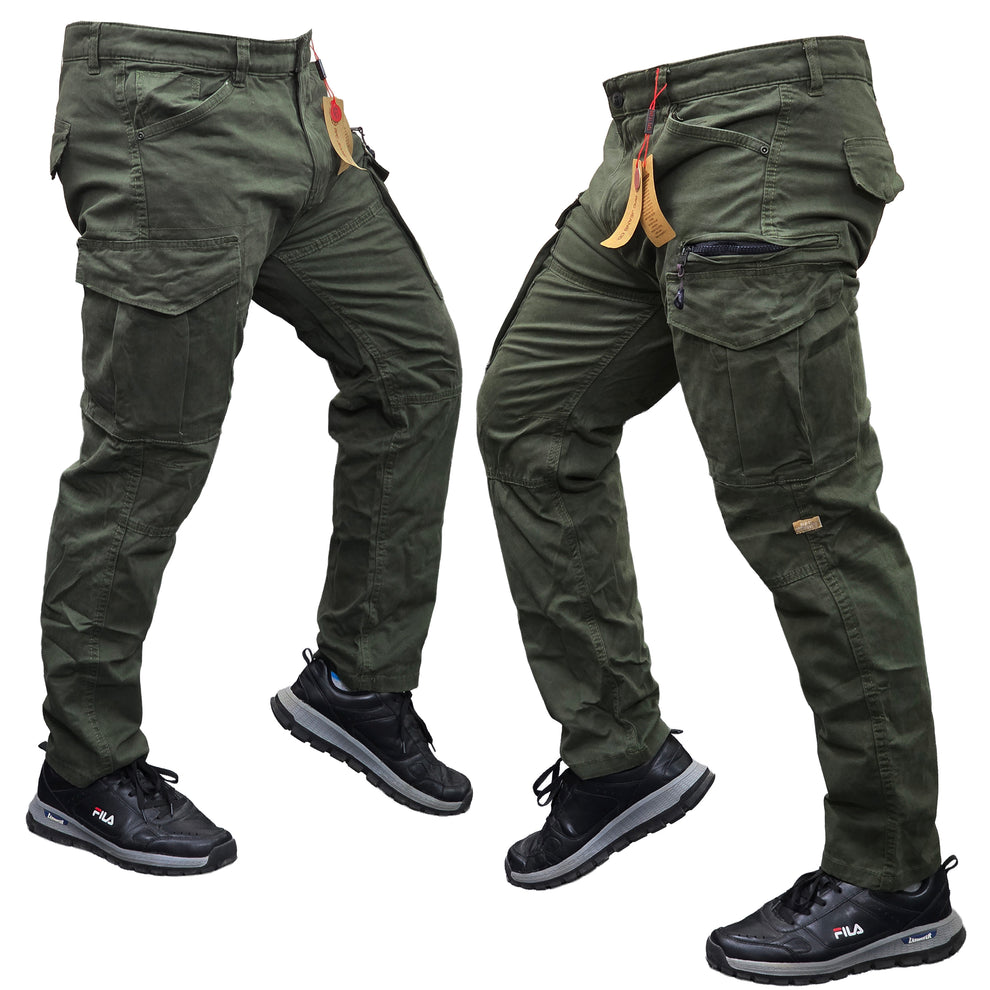
In the United States, cargo pants means pants with extra pockets sewn onto the outer legs. These pockets are often large, box-shaped, and closed with a flap, snap, zipper, or hook-and-loop strip. The style began as practical work and military clothing, but it is now common in streetwear, outdoor wear, uniforms, and everyday fashion.
Cargo pants are valued for two main reasons: they hold more items than standard pants, and they give an outfit a casual, useful look. Their fit can range from loose and rugged to slim and modern.

What Are Cargo Pants?
Cargo pants are trousers with one or more large pockets placed on the sides of the legs. These pockets sit above or around the knee and add storage beyond the front and back pockets found on jeans or chinos.
The word cargo refers to goods being carried. In clothing, it points to the pants’ ability to carry small tools, gear, or personal items.
A typical pair may include:
- Two front hand pockets
- Two back pockets
- One large pocket on each thigh
- Flaps, snaps, zippers, or buttons to secure the thigh pockets
- Belt loops
- A durable fabric such as cotton twill, canvas, ripstop, or a cotton blend
The side pockets are the main feature. Without them, a pair of pants may be practical or loose-fitting, but it is not usually called cargo pants.
Are cargo pants the same as utility pants?
Not always. Utility pants is a broad term for pants made for practical work. Cargo pants are one type of utility pant.
For example, utility pants may have:
- Tool loops
- Hammer loops
- Reinforced knees
- A ruler pocket
- A phone pocket
- Extra fabric panels
Cargo pants are defined mainly by their large side pockets. Utility pants are defined more broadly by their work-focused features.
Are cargo pants and combat pants the same?
They can look alike, but the terms are not identical.
Combat pants are designed for military or tactical use. They may have reinforced seats, knee pads, stretch panels, or many specialized pockets. Cargo pants may borrow this look, but they are also made for casual wear and fashion.
A pair of casual cotton cargo pants is not automatically military clothing.

Why Are They Called Cargo Pants?
They are called cargo pants because the extra pockets can carry small items, much like a cargo area carries goods.


The name describes function rather than a strict fabric, color, or fit. Cargo pants can be made from cotton, denim, nylon, canvas, or synthetic blends. They can also be black, khaki, olive, navy, gray, or nearly any other color.
The same idea appears in related terms:
- Cargo shorts: Shorts with large side pockets
- Cargo joggers: Cargo pants with elastic cuffs or a jogger-style waist
- Cargo jeans: Jeans that include cargo pockets
- Tactical cargo pants: Cargo-style pants designed for outdoor, security, military, or work use
- Cargo trousers: The term more often used outside the United States
The key idea stays the same: extra leg pockets made for carrying items.
A Short History of Cargo Pants
Cargo pants grew from military and work clothing. Their design gave wearers quick access to equipment without needing a bag.
A commonly cited early example is the British Army’s 1938 battledress design, which included large pockets for carrying supplies. During World War II, military uniforms in the United States also used cargo-style pockets, especially in clothing made for airborne troops.
The military value was simple. A soldier could carry items such as:
- Maps
- First-aid supplies
- Ammunition
- Tools
- Food
- Communication equipment
The large pockets reduced the need for separate pouches or bags. Their design also kept some items within reach while leaving the hands free.
After military use, cargo pants spread into outdoor clothing, workwear, and popular fashion. They became especially visible in casual clothing during the 1990s and early 2000s. Later, designers made slimmer, cleaner versions for everyday wear.
This history explains why cargo pants can suggest several ideas at once:
- Work
- Travel
- Outdoor activity
- Military influence
- Casual street style
The meaning depends on the cut, fabric, color, and setting.
What Do Cargo Pants Look Like?
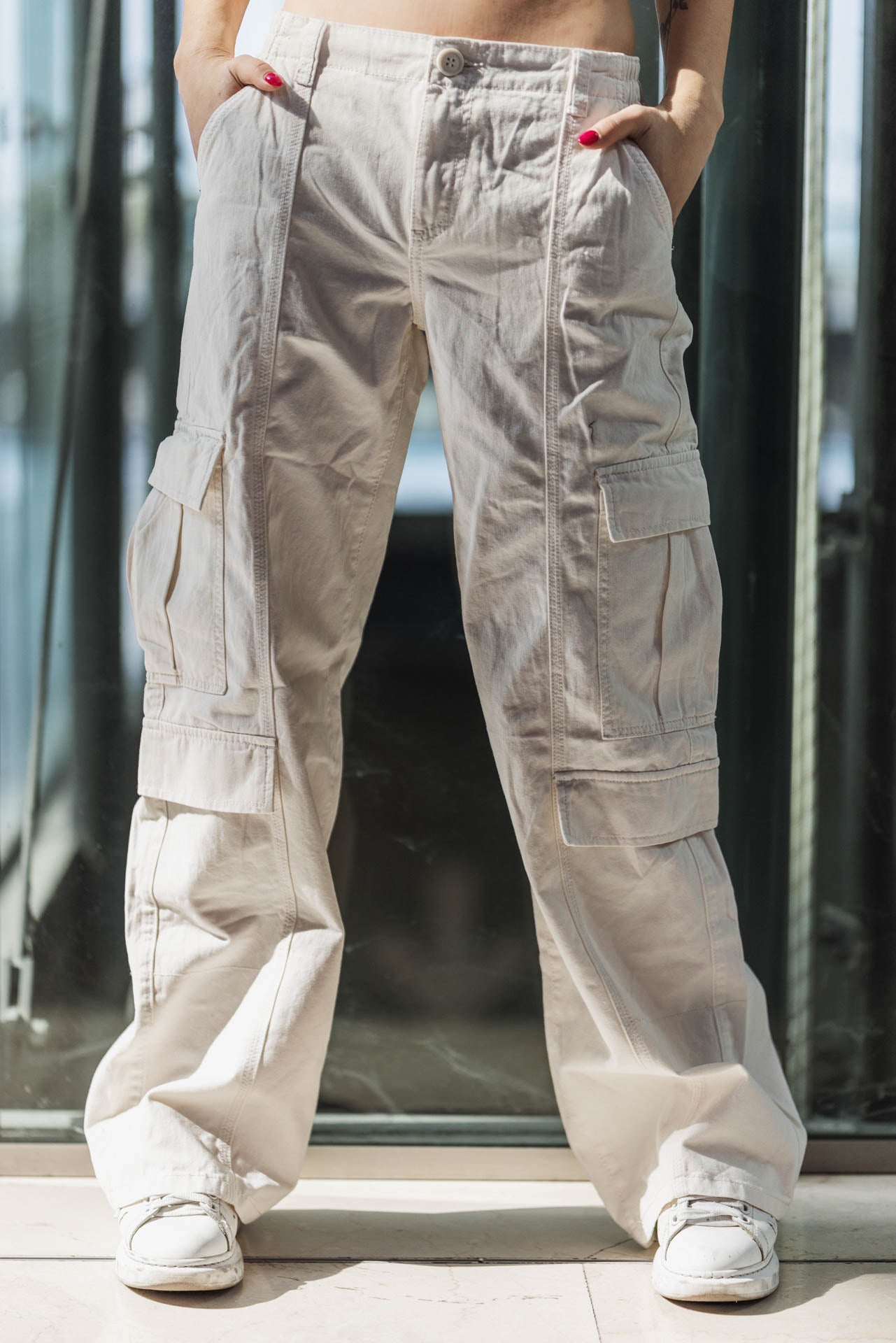
Cargo pants usually have a relaxed shape and visible side pockets. However, no single cut defines them.
Common styles include:
| Style | Main features | Typical use |
|---|---|---|
| Classic cargo pants | Loose fit, large flap pockets, sturdy fabric | Workwear and casual wear |
| Slim cargo pants | Narrower leg, smaller pockets, cleaner lines | Everyday outfits |
| Cargo joggers | Elastic cuffs and often an elastic waist | Casual wear and travel |
| Tactical cargo pants | Many pockets, strong fabric, reinforced areas | Work and outdoor use |
| Cargo jeans | Denim fabric with side pockets | Casual fashion |
| Cargo shorts | Short legs with cargo pockets | Warm-weather wear |
Cargo pockets may be flat or expandable. Some have pleats that let the pocket hold more. Others are designed mainly for appearance and hold only small items.


The pockets may sit high on the thigh, near the knee, or at several points along the leg. Their placement affects both comfort and appearance.

What Are Cargo Pants Used For?
Cargo pants are used when a person wants extra storage, a rugged look, or both. They are useful for some tasks, but they are not ideal for every activity.
Common uses include:
- Home repair
- Landscaping
- Camping
- Hiking
- Travel
- Photography
- Outdoor work
- Casual daily wear
- Costumes and uniforms
- Light-duty trade work
Cargo pants can hold items such as a phone, keys, wallet, small notebook, gloves, or hand tools. Still, a pocket’s weight limit depends on the fabric, stitching, closure, and design.
For demanding work, use clothing made for that job. A fashion pair may not have flame resistance, high-visibility panels, knee protection, or reinforced seams. It should not be treated as protective workwear unless the maker clearly states that it meets the needed standard.

How to Wear Cargo Pants in the United States
The easiest way to wear cargo pants is to balance their visual weight. Since the side pockets add detail to the legs, a simple top often works best.
Try these combinations:
Casual outfit
Wear classic cargo pants with:
- A plain T-shirt
- Sneakers or work boots
- A denim jacket or simple overshirt
This keeps the outfit relaxed and easy to wear.
Clean everyday outfit
Choose slim cargo pants in black, navy, gray, or olive. Pair them with:
- A knit shirt
- A polo shirt
- A plain sweatshirt
- Low-profile sneakers
Smaller pockets and a neat hem make this style less rugged.
Outdoor outfit
Pair durable cargo pants with:
- A moisture-wicking shirt
- A fleece or light jacket
- Hiking shoes or boots
Check the fabric and pocket closures if you plan to carry gear outdoors.


Cold-weather outfit
Wear cargo pants with:
- A sweater
- A flannel shirt
- A puffer jacket
- Boots
A relaxed fit may work better when you need room for a base layer.
The main styling choice is fit. Very loose cargo pants create a strong workwear or streetwear look. Slim cargo pants look more polished. Neither is automatically better; the right choice depends on comfort and the setting.

Cargo Pants vs. Jeans, Chinos, and Tactical Pants
The best choice depends on storage, comfort, dress level, and the work involved.
| Pants type | Main strength | Main limit |
|---|---|---|
| Cargo pants | Extra storage and casual utility | Can look bulky or too casual |
| Jeans | Familiar, durable everyday wear | Fewer pockets and less flexible fabric |
| Chinos | Cleaner and more polished appearance | Limited storage |
| Work pants | Built for job-related wear | May feel stiff or less stylish |
| Tactical pants | Many features and strong construction | Can look overly technical for daily use |
| Joggers | Soft, flexible, relaxed comfort | Less structure and often less durable |
Cargo pants are often the middle ground between jeans and technical work pants. They offer more storage than jeans but usually look less formal than chinos.
For office wear, check the dress code before wearing them. Even a neat pair may be too casual for a formal workplace. For construction, electrical work, road work, or other hazardous jobs, choose clothing that meets the safety needs of the task.
How Should Cargo Pants Fit?
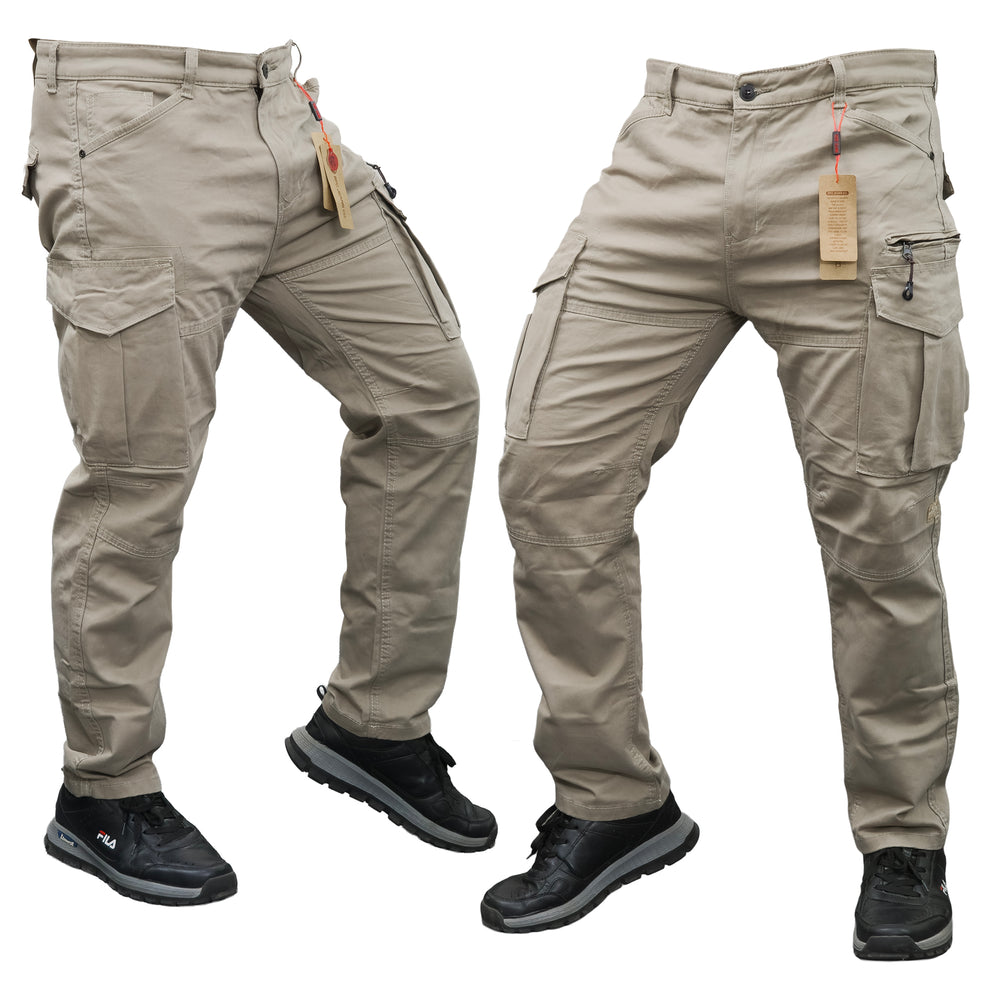
Cargo pants should feel comfortable without making the pockets hang heavily. The waistband should stay in place without digging into the body. You should also be able to sit, walk, bend, and climb without restricted movement.
Check these points when trying them on:
- Waist: The pants should stay up without extreme belt tension.
- Seat: The fabric should not pull tightly across the hips.
- Thigh: You should have room to move and sit.
- Knee: The pocket should not press against the kneecap when you bend.
- Length: The hem should not drag or bunch more than you prefer.
- Pocket load: Put common items in the pockets and walk around.
- Balance: The pants should not pull to one side when the pockets are filled.
A common mistake is choosing a size that fits the waist but is too tight through the thighs. Cargo pockets need space to work. If the fabric pulls across the pocket opening, the pants may feel uncomfortable and look strained.
Another mistake is buying oversized pants for a relaxed look. Extra room can improve comfort, but too much fabric may catch on objects or make walking harder.

What Should You Put in Cargo Pockets?
Cargo pockets work best for light, flat, or medium-sized items. Good choices include a phone, keys, gloves, a small notebook, or a compact tool.
Avoid filling every pocket with heavy objects. Too much weight can:


- Pull the pants down
- Change the way you walk
- Stretch the pocket opening
- Stress the stitching
- Make sitting uncomfortable
- Create an uneven appearance
Keep sharp tools in a pocket designed for them. A knife, screwdriver, or metal tool can damage fabric or cause injury if it falls out. Use a secure tool pouch when the task requires one.
Large items can also affect movement. A water bottle, camera, or heavy equipment may be safer in a pack or dedicated gear bag.

How Do You Wash and Care for Cargo Pants?
Follow the care label first because fabrics and finishes vary. Many cotton cargo pants can be machine-washed, but some technical fabrics need special care.
Before washing:
- Empty every pocket
- Close zippers and snaps
- Fasten hook-and-loop closures
- Turn the pants inside out if the care label allows it
- Separate dark colors from light colors
- Remove dirt from pocket corners
Use the wash temperature and drying method listed by the maker. High heat can shrink cotton, weaken elastic, or damage water-resistant finishes.
Inspect the pants after washing. Pay close attention to:
- Pocket seams
- Belt loops
- Knee areas
- Cuffs
- Buttons and snaps
- Zippers
Repair a loose seam before carrying heavy items. A small tear can grow when the pocket is loaded.

Common Misunderstandings About Cargo Pants
Any pants with many pockets are cargo pants
Not necessarily. Cargo pants usually have large, visible pockets attached to the outer legs. Pants with only extra front or back pockets may be utility pants, work pants, or tactical pants instead.
Cargo pants must be green or khaki
No. Olive and khaki are common because of military and outdoor clothing, but cargo pants also come in black, denim, brown, gray, white, and bright colors.
Cargo pants are only for men
No. Cargo pants are made for people of all genders. The important factors are fit, comfort, movement, and personal style.
Cargo pants are always loose
No. Modern cargo pants may be slim, straight, relaxed, wide, or jogger-shaped.
Cargo pants are protective workwear
Not by default. A casual pair may look like workwear but lack protection from heat, sparks, chemicals, cuts, or high-visibility hazards. Use garments with documented safety features when the job requires them.

Frequently Asked Questions
What does “cargo” mean in clothing?
In clothing, “cargo” means the garment has added storage features, usually large pockets. The term comes from the idea of carrying goods or equipment.
Are cargo pants still popular?
Yes. Cargo pants remain common in casual fashion, streetwear, outdoor clothing, and workwear. Their popularity changes by cut, color, and season, but the basic design remains useful.
Can cargo pants be business casual?
Sometimes, but it depends on the workplace. Slim, plain cargo pants may fit a relaxed business-casual setting. Loose, distressed, or heavily pocketed styles are less likely to fit a formal office dress code.
Are cargo pants comfortable?
They can be comfortable when the waist, thigh, rise, and leg length fit well. Heavy items in the pockets can reduce comfort, even when the pants themselves fit correctly.
What is the difference between cargo pants and cargo joggers?
Cargo joggers have cargo pockets but usually include an elastic waist, drawstring, and elastic cuffs. Standard cargo pants often have a button or zip fly and a straight or relaxed leg.
Conclusion
Cargo pants are pants with large extra pockets on the outer legs. Their name comes from their ability to carry small goods or gear. They began with practical military and work clothing and later became part of everyday fashion.
Choose cargo pants by looking at the pocket design, fabric, fit, and intended use. For casual wear, focus on comfort and balance. For demanding work, check that the pants provide the documented protection and durability the job requires.

Rubel Miah is the Senior Editor at MyStyleGrid.com, where he brings a sharp editorial eye and an unshakable love for fashion to everything he does. A true style addict, Rubel lives and breathes trends, from streetwear to high fashion, and has a knack for turning inspiration into impactful stories. With years of experience in fashion journalism and digital media, he curates content that empowers readers to express themselves through style. When he’s not editing features or forecasting the next big thing, you’ll find him hunting down vintage pieces or capturing street style moments around the city.