“BG” on shoes stands for “Big Kid.” It’s a sizing term.
“BG” typically indicates a larger youth size, commonly used in children’s footwear. When shopping for kids’ shoes, decoding sizing abbreviations can be confusing. You might see “BG” and wonder what it means. These letters are vital, especially when choosing the right size for growing feet.
Understanding these terms ensures a better fit, providing comfort and support for active kids. In this blog post, we’ll explore what “BG” signifies in shoe sizes. We’ll also discuss why knowing this helps in selecting the perfect pair for your child. Get ready to make shoe shopping easier and more informed.
Brief Overview of Shoe Sizing and Labeling
Understanding shoe labels can be confusing. What does “BG” mean in shoes? Knowing shoe sizing and labeling is important. It ensures you buy the right size. Different brands use different labels. This makes it hard to choose the right fit. This guide will help you understand shoe labels and sizes better.
Importance Of Understanding Shoe Labels for Proper Fit
Knowing shoe labels is essential. Proper fit prevents discomfort and injury. Many people ignore this and end up with the wrong size. This can cause blisters, calluses, and even foot pain. Understanding shoe labels can help avoid these issues.
Shoe labels usually have a size number. But this number can vary by brand. For example, a size 9 in one brand might be a size 8 in another. Shoe widths also vary. Some shoes are labeled as narrow, medium, or wide. Knowing these labels helps you pick the right fit.
Here are some common shoe labels and their meanings:
- BG: Boys Grade School
- GS: Grade School
- PS: Preschool
- TD: Toddler
- INF: Infant
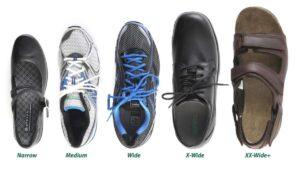
Sometimes, shoe labels include width. Here’s a table to help understand width labels:
| Label | Width |
|---|---|
| N | Narrow |
| M | Medium |
| W | Wide |
| WW | Extra Wide |
Choosing the right shoe size is more than just looking at the number. Consider the width and the specific brand’s sizing chart. Always try on shoes before buying. Walk around to ensure a proper fit. Your feet should not feel cramped or too loose.
Remember, feet can swell during the day. Try on shoes in the afternoon for the best fit. Properly labeled shoes can make a big difference in comfort and foot health. Pay attention to these details. Your feet will thank you.
What Does Bg Stand for in Shoes?
When shopping for shoes, you might see the term “BG” on some labels. But what does BG stand for in shoes? This guide will help you understand the meaning of BG and how it fits into different shoe sizing categories.
Definition Of Bg (boys’ Grade or Big Kids’ Grade)
BG in shoes stands for Boys’ Grade or Big Kids’ Grade. It refers to shoe sizes meant for older children, typically between the ages of 6 and 10. This sizing category fills the gap between toddler sizes and adult sizes.
Here are some key points about BG sizing:
- Designed for children who have outgrown toddler sizes.
- Usually covers sizes 3.5 to 7 in the US.
- Can be worn by both boys and girls, despite being labeled as “Boys’ Grade”.
Understanding BG sizing can help you choose the right shoes for your child as they grow. Here’s a table to illustrate the typical BG size range in US shoe sizes:
| Size Category | US Shoe Size | Approximate Age Range |
|---|---|---|
| Toddler | 4-10 | 1-4 years |
| BG (Big Kids) | 3.5-7 | 6-10 years |
| Adult | 8 and up | 10+ years |
Explanation Of How Bg Fits into Shoe Sizing Categories
The BG category bridges the gap between toddler and adult sizes. It provides a smooth transition for kids who are too big for toddler shoes but not ready for adult sizes.
In the US, BG sizes typically range from 3.5 to 7. These sizes are often labeled as “Youth” sizes as well. This means a size 4 in the BG category is the same as a size 4 in youth sizes.
Here are some advantages of BG sizing:
- More variety in styles and designs compared to toddler sizes.
- Better fit for growing feet, offering more support and comfort.
- Often less expensive than adult sizes.
</li>
BG sizes are especially useful for kids who have bigger feet but still need the support and features of children’s shoes. By knowing the BG sizing, parents can make better choices for their growing children’s footwear needs.
Comparison Of Bg with Other Sizing Categories (e.g., Toddler, Youth, Adult)
Understanding how BG compares with other sizing categories can help you find the perfect fit for your child. Here’s a quick comparison:
- Toddler: Sizes range from 4 to 10. Suitable for ages 1 to 4. These shoes are designed for small, developing feet.
- BG (Big Kids): Sizes range from 3.5 to 7. Suitable for ages 6 to 10. Offers more advanced features and styles.
- Youth: Often used interchangeably with BG. Same size range and age suitability.
- Adult: Sizes start from 8 and go up. Suitable for ages 10 and above. Offers a wide range of styles and features.
Here’s a table summarizing the comparison:
| Category | US Shoe Size | Age Range | Key Features |
|---|---|---|---|
| Toddler | 4-10 | 1-4 years | Designed for small, developing feet. |
| BG (Big Kids) | 3.5-7 | 6-10 years | Advanced features and styles. |
| Youth | 3.5-7 | 6-10 years | Same as BG. |
| Adult | 8 and up | 10+ years | Wide range of styles and features. |
By understanding these categories, you can ensure a better fit and more comfort for your child’s feet.
Understanding Shoe Sizing Systems
Understanding shoe sizing systems can be confusing, especially with various terms and categories. One such term is “BG” in shoes. This guide will help you understand what “BG” means, focusing on the U.S. shoe sizing system and how these sizes transition into adult sizes.
Overview Of the U.S. Shoe Sizing System
The U.S. shoe sizing system is one of the most commonly used systems worldwide. It includes sizes for different age groups and foot lengths. Understanding this system helps in picking the right shoe size for comfort and fit. Here’s a quick overview:
- Toddler sizes: For the youngest children, typically ages 1-4.
- Little Kids sizes: For children aged 4-8.
- Big Kids/Boys’ Grade (BG) sizes: For older children, usually aged 8-12.
- Adult sizes: For individuals aged 13 and above.
Shoe sizes in the U.S. are measured in inches, with each size increment representing a 1/3-inch increase in length. Widths also vary, including narrow, regular, wide, and extra wide. This ensures a better fit for various foot shapes.
Breakdown Of Sizing Categories:
Understanding the different sizing categories is essential. Here’s a detailed breakdown:
- Toddler sizes: These sizes start from 2T (two years) and go up to 10. The “T” stands for toddler. These sizes are suitable for children who are just starting to walk.
- Little Kids sizes: These start from 10.5C and go up to 13.5C. The “C” stands for children. These sizes fit children who are more active and need sturdy shoes for play.
- Big Kids/Boys’ Grade (BG) sizes: These sizes start from 1 and go up to 7. “BG” stands for boys’ grade. These sizes are for older children who might be involved in sports and need more support.
- Adult sizes: These sizes start from 8 and go up to 15 or higher. Adults have a wider range of sizes to accommodate different foot shapes and activities.
The table below illustrates the conversion between these categories:
| Category | Size Range |
|---|---|
| Toddler | 2T – 10 |
| Little Kids | 10.5C – 13.5C |
| Big Kids/Boys’ Grade (BG) | 1 – 7 |
| Adult | 8 – 15+ |
How Bg Sizes Transition into Adult Sizes
Transitioning from BG sizes to adult sizes is straightforward. BG sizes overlap with smaller adult sizes, making the shift smooth. For instance, a BG size 7 is roughly equivalent to a men’s size 7 or a women’s size 8.5.
This overlap ensures that as children grow, they can easily find the right shoe size without confusion. Here’s a quick guide to help:
- BG size 1 = Women’s size 2.5
- BG size 2 = Women’s size 3.5
- BG size 3 = Women’s size 4.5
- BG size 4 = Women’s size 5.5
- BG size 5 = Women’s size 6.5
- BG size 6 = Women’s size 7.5
- BG size 7 = Women’s size 8.5
For boys, the transition is usually direct. BG size 7 is equivalent to a men’s size 7. This means boys can continue with the same size designation as their feet grow. Understanding this transition helps in choosing the right shoe size during the growth phase.
Who Are Bg Shoes Designed For?
When shopping for children’s shoes, you might encounter the term “BG.” But what does BG mean in shoes? BG stands for “Big Kid,” a category designed to fit the unique needs of growing children. Who are BG shoes designed for? Let’s explore this in detail.
Age Range for Bg Shoes (typically 7-12 Years Old)
BG shoes are typically designed for children aged 7 to 12 years. This age range covers a crucial period in a child’s development. During these years, children experience rapid growth and development, making it essential to choose the right footwear.
Here are some key points to consider for this age range:
- Growth Spurts: Children in this age group often go through growth spurts, requiring frequent shoe size updates.
- Active Lifestyle: Kids aged 7-12 are usually very active, participating in various sports and outdoor activities.
- Style Preferences: At this stage, children start to develop their style preferences, looking for shoes that are both functional and stylish.
Understanding the age range for BG shoes helps parents select the right size and style for their growing children.
Physical Characteristics of Children in This Age Group
Children aged 7-12 have specific physical characteristics that should be considered when choosing BG shoes. These characteristics include:
- Rapid Growth: Children’s feet grow quickly in this age range, often increasing by a full size every few months.
- Bone Development: Their bones are still developing, requiring shoes with proper support to avoid long-term issues.
- Activity Level: High energy levels mean they need durable shoes that can withstand wear and tear.
A table to summarize these characteristics:
| Characteristic | Importance |
|---|---|
| Rapid Growth | Frequent size updates needed |
| Bone Development | Requires proper support |
| Activity Level | Durability is crucial |
Recognizing these physical traits ensures that you choose BG shoes that provide comfort and support for your child’s active lifestyle.
Importance Of Proper Fit for Growing Feet
The importance of a proper fit for growing feet cannot be overstated. Ill-fitting shoes can lead to various problems, including discomfort, blisters, and long-term foot issues.
Here are some reasons why a proper fit is crucial:
- Foot Health: Properly fitting shoes support healthy foot development and prevent deformities.
- Comfort: Well-fitted shoes provide comfort, allowing children to engage in activities without pain.
- Performance: Shoes that fit correctly improve balance and performance in sports and other activities.
To ensure a proper fit, consider the following tips:
- Measure Regularly: Measure your child’s feet every few months to keep up with their growth.
- Try Before Buying: Always have your child try on shoes before purchasing to ensure they fit well.
- Check for Space: Ensure there is enough space (about a thumb’s width) between the longest toe and the end of the shoe.
Ensuring a proper fit for growing feet is essential for your child’s comfort and overall foot health.