Gently stretch kids shoes using a stretcher, heat, pressure, or freezer water methods.
I have helped dozens of families fix tight shoes for kids. This guide on how to stretch kids shoes is clear, tested, and easy to follow. I will share step-by-step methods, safety tips, and what worked for me in real-life situations. Read on to save money, avoid blisters, and make shoes fit comfortably.
Why kids shoes feel tight
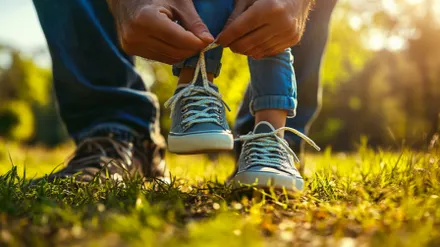
Children’s feet grow fast and uneven. Shoes that felt fine yesterday may pinch today. Rigid materials and narrow lasts cause most tight spots. Knowing why helps you pick the best method for how to stretch kids shoes.
Safe tools and supplies to stretch kids shoes
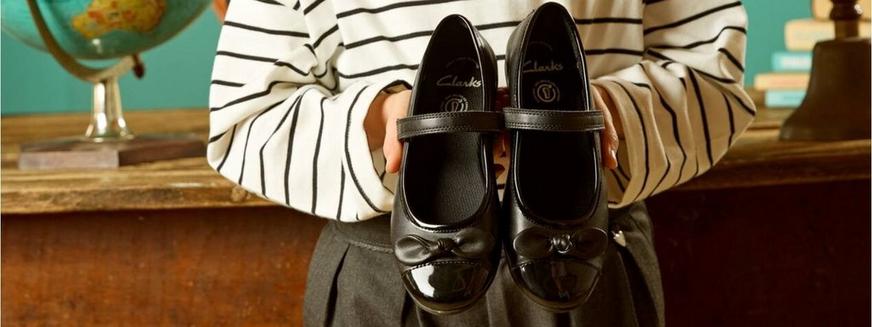
Use gentle tools first. I list reliable items that I use and recommend.
- Shoe stretcher with plugs — Works best for targeted pressure.
- Thick socks — Simple and low risk.
- Hairdryer or heat gun on low — Softens leather and some synthetics.
- Freezer-safe bag and water — For mold-based stretching in closed spaces.
- Commercial stretching spray — Helps leather relax.
- Shoe trees — Maintain shape after stretching.
- Towels and rags — Protect shoes during treatment.
Knowing these tools makes how to stretch kids shoes safer and easier.

Step-by-step DIY methods to stretch kids shoes
Below are practical methods. Try the gentlest method first. Test fit after each step.
Method 1: Thick socks and heat
- Put on thick socks and have the child wear the shoes.
- Warm the tight areas with a hairdryer for 20–30 seconds while they move toes.
- Walk for 10–15 minutes until shoes cool.
- Repeat once if needed.
This method is fast and low-cost for how to stretch kids shoes at home.
Method 2: Shoe stretcher with plugs
- Insert the proper size shoe stretcher into the shoe.
- Add toe or bunion plugs where extra width is needed.
- Turn the key slowly until you feel gentle pressure.
- Leave for 6–12 hours, then check fit.
A shoe stretcher gives control when learning how to stretch kids shoes.
Method 3: Freezer water bag (for leather and some synthetics)
- Fill a heavy-duty bag 3/4 full with water and seal tightly.
- Push the bag into the shoe so it fills the toe box.
- Place shoes in the freezer overnight. Water expands and stretches the shoe.
- Let the shoe thaw, remove the bag, and test fit.
This method molds shape well and is handy for stubborn tight toes when stretching kids shoes.
Method 4: Wet towel and heat (careful with glue)
- Dampen a towel and wring out excess water.
- Wrap it around the tight part and warm with a low hairdryer.
- Have the child wear shoes with thick socks until dry.
Avoid high heat to prevent glue failure when learning how to stretch kids shoes.
Method 5: Professional stretching at a cobbler
- Take shoes to a shop with a cobbler stretcher.
- Ask for measured, targeted stretching.
- Get a follow-up fit check.
A pro is best for delicate or expensive shoes when other how to stretch kids shoes tips fail.

Leather, canvas, and synthetic: best approaches
Material matters. Match the method to the shoe fabric.
Leather
- Leather relaxes with heat and moisture. Use mild heat and stretching spray.
- A shoe stretcher or sock-and-heat method works well.
Canvas
- Canvas stretches easily with moisture and pressure.
- Wet the area lightly and use a stretcher or wear with thick socks.
Synthetic materials
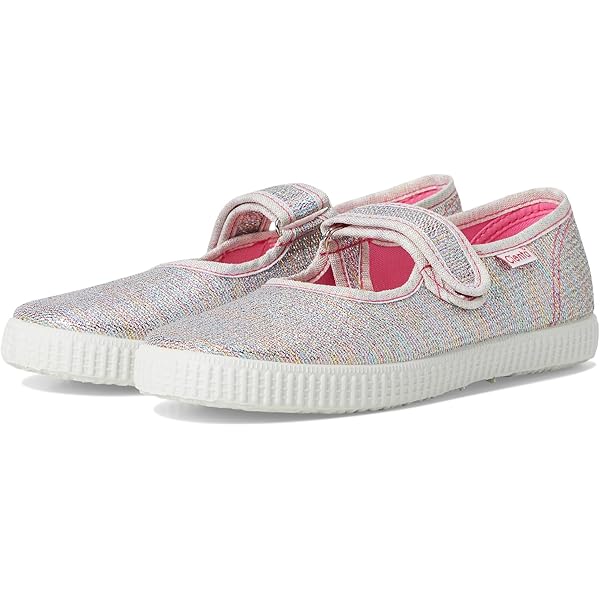
- Many synthetics do not stretch much. Use a stretcher or visit a cobbler.
- Avoid high heat as it can warp or melt glue.
Pick the right method to protect your child’s shoes and learn how to stretch kids shoes safely.
When to see a professional and what to expect
If shoes are stiff, glued, or costly, a cobbler is a smart choice. Cobblers use electric stretchers and pro-grade sprays. They can target bunions, toes, or heels. Expect small fees and clear results when you decide how to stretch kids shoes the safe way.

Common mistakes and safety tips
Avoid these errors to protect shoes and feet.
- Over-stretching — Can warp the shoe and cause poor support.
- Using high heat — May melt glue or damage lining.
- Stretching without testing — Always recheck fit after each step.
- Ignoring the child’s feedback — Pain means stop.
Follow these tips to make how to stretch kids shoes effective and safe.

Frequently Asked Questions of how to stretch kids shoes
How long should I stretch kids shoes before checking fit?
Check fit after each short session. For stretchers, start with 6–12 hours. For heat or socks, test after 10–20 minutes.
Will leather shoes shrink back after stretching?
Leather may tighten slightly after drying but usually keeps most of the stretch. Use shoe trees to keep the new shape.
Can I use boiling water or high heat to stretch shoes?
No. High heat can damage glue and materials. Use low heat from a hairdryer or gentle steam.
Is it safe to stretch shoes for toddlers who crawl?
Yes, with caution. Use mild methods like thick socks and short wearing sessions. Avoid strong stretchers on very young kids.
How do I know when to replace vs stretch shoes?
If the sole is worn or fit causes foot pain, replace the shoes. Stretching is best for slightly tight but structurally sound shoes.
Can all shoe types be stretched at home?
Most leather and canvas shoes can be stretched at home. Some synthetics and glued casual shoes may need a cobbler.
Conclusion
You can fix tight shoes with simple, safe methods. Start gentle, test fit often, and match the method to the material. My tests show that a stretcher, sock-and-heat, or freezer bag can save many pairs. Try one method this week and see how it fits—then share your results or ask a question below to learn more.

Rubel Miah is the Senior Editor at MyStyleGrid.com, where he brings a sharp editorial eye and an unshakable love for fashion to everything he does. A true style addict, Rubel lives and breathes trends, from streetwear to high fashion, and has a knack for turning inspiration into impactful stories. With years of experience in fashion journalism and digital media, he curates content that empowers readers to express themselves through style. When he’s not editing features or forecasting the next big thing, you’ll find him hunting down vintage pieces or capturing street style moments around the city.