Best Boots for Overpronation: Choose stable, supportive boots with firm arch and motion control features.
I once swapped my running shoes for boots and felt immediate relief in my arches. If your feet roll inward, cause pain, or tire fast, the Best Boots for Overpronation bring stability. They fix collapse, add arch support, and slow inward roll. I’ll walk you through top picks, real pros and cons, and who each pair helps most.
Women’s Orthopedic Winter Ankle Boots

I bought these boots to fight daily ache from overpronation. The leather is wide and forgiving. The built-in arch support is firm but not harsh. The cushioned heel helps me stand for hours.
They fit wide feet well and keep toes warm in winter. The sole is grippy for wet steps. I noticed less inward roll when I walked. These boots also accept thin orthotics easily.
Pros:
- Wide fit eases pressure on bunions and swollen feet
- Firm arch support that controls mild to moderate overpronation
- Cushioned heel reduces shock on the plantar fascia
- Leather upper molds to the foot for a secure fit
- Warm lining makes them ideal for cold seasons
Cons:
- Not as rigid as hiking boots for severe pronation
- Can run a touch large; consider sizing down
My Recommendation
These are best for women seeking warm, supportive everyday boots. I recommend them if you have mild to moderate overpronation and need a roomy toe box. They work well with slim insoles or custom orthotics.
| Best for | Why |
|---|---|
| Cold weather walkers | Warm lining and grippy sole |
| Wide feet | Roomy leather upper |
| Mild overpronation | Built-in firm arch control |
Men’s Orthopedic Wide Hiking Boots

I tested these on trails and at work. The mid-boot height adds ankle support. The sole is firm and resists collapse. The orthotic-friendly footbed stops inward roll.
The composite toe gives safety without bulk. Breathable lining keeps feet dry on long hikes. I liked how the arch support felt firm under load. These boots let me hike longer with less fatigue.
Pros:
- Strong medial support reduces severe overpronation
- Wide fit suits flat feet and orthotics
- Durable outsole for trail and work use
- Composite toe for protection without heavy weight
- Ankle collar adds stability on uneven ground
Cons:
- Break-in time needed for the shaft
- Heavier than casual boots
My Recommendation
I recommend these to men who need sturdy boots for outdoor work or hiking. They are great if you have flat feet or moderate to severe overpronation. The support and wide last make them a solid choice.
| Best for | Why |
|---|---|
| Trail hikers | Durable outsole and ankle support |
| Workers on foot | Composite toe and firm base |
| Flat-footed users | Wide fit and orthotic-friendly |
CENNID Women’s Tactical Side-Zip Boots
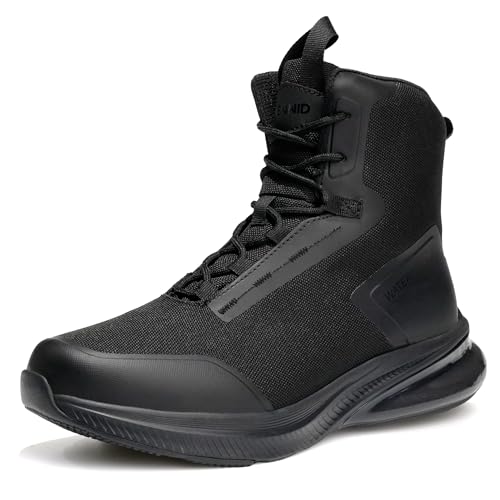
These tactical boots are light and fast to put on. The side zipper speeds entry. The arch support is molded and steady. The sole grips slippery surfaces well.
I used them on urban patrol and short hikes. They keep the ankle aligned and slow pronation. They are water-resistant for wet days. The fit is snug but room for thin orthotics.
Pros:
- Quick side-zip for easy wear
- Lightweight yet supportive construction
- Molded arch support helps control inward roll
- Water-resistant for everyday use
- Low profile that works with many outfits
Cons:
- Not insulated for cold weather
- Moderate arch support may not suit severe cases
My Recommendation
I suggest these for women who need tactical or motorcycle style boots with arch help. They suit active jobs and commutes. For severe overpronation, I pair them with firm orthotics to boost control.
| Best for | Why |
|---|---|
| Everyday tactical use | Quick zip and steady support |
| Motorcyclists | Low bulk and grip |
| Mild pronation | Molded arch support helps alignment |
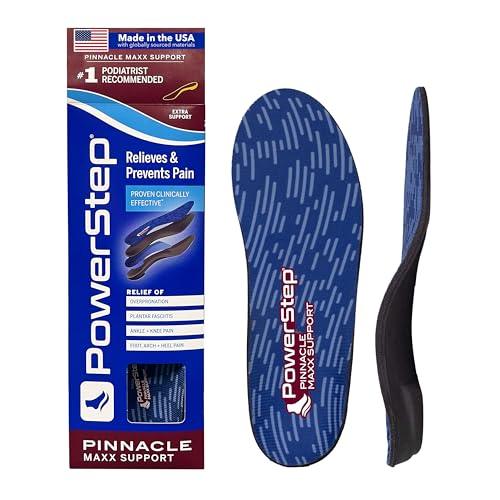
PowerStep Original Insoles

I keep PowerStep in my kit for quick fixes. These are classic semi-rigid orthotics. They give a supportive arch and a deep heel cradle. They fit most boots with room to spare.
I used them in both work and hiking boots. The insoles cut down on inward roll quickly. They also ease plantar fascia pain on long days. The edges are smooth and avoid hotspots.
Pros:
- Semi-rigid shell stabilizes the midfoot
- Deep heel cup improves rearfoot control
- Thin enough for most boot shafts
- Clinically shaped to reduce pronation
- Durable and long lasting under heavy use
Cons:
- May feel stiff at first
- Not custom molded for unique feet
My Recommendation
PowerStep is my go-to insole for quick correction. I use them when I need to turn regular boots into Best Boots for Overpronation. They are ideal for those who want effective support without custom orthotics.
| Best for | Why |
|---|---|
| Converting boots | Fits most boots with firm control |
| Plantar fasciitis | Deep heel cup and arch support |
| Budget-conscious users | Effective and affordable |
WalkFit Platinum Arch Inserts

I rely on WalkFit when I need adjustable arch height. These inserts let you change arch levels for a tailored fit. The cushion is soft but backing is firm. They slot into boots without crowding toes.
They are ideal for people with changing foot needs. The modular design helps me test what arch height feels best. They cut down on inward roll across workdays. They also reduce fatigue on long shifts.
Pros:
- Adjustable arch pads for custom support
- Comfortable cushioning with solid under-arch support
- Fits many boot styles without trimming
- Reduces pronation and aft-foot collapse
- Good for trialing arch heights before custom orthotics
Cons:
- Bulkier than thin orthotics
- May need trimming in tight boots
My Recommendation
WalkFit works best when you are unsure of the arch height you need. I use them to dial in support before buying a long-term solution. They help make everyday footwear into smart Best Boots for Overpronation.
| Best for | Why |
|---|---|
| Testing arch height | Adjustable pads for trial |
| Office workers | Comfort with steady support |
| Switchable users | Use in multiple boots |
3/4 Plantar Fasciitis Arch Insoles
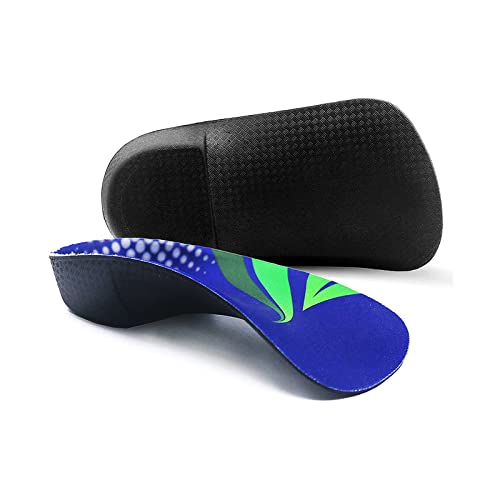
I often pick 3/4 insoles when boots are tight in the toe box. These fill the arch space without raising the forefoot. They ease heel pain and help realign the arch. The shape works well under many footbeds.
I used these in leather and tactical boots. They cut pronation quickly. The material is slightly soft but supportive. They also reduce rubbing behind the heel.
Pros:
- 3/4 length fits tight-toe boots well
- High arch support targets overpronation
- Lightweight and thin under the toes
- Helps heel pain and plantar fasciitis
- Easy to transfer between shoes and boots
Cons:
- Less cushioning under the forefoot
- May not suit very high arches without trimming
My Recommendation
Pick these if your boots feel tight in the toe and you need arch control. I use them to turn snug boots into Best Boots for Overpronation without extra bulk. They are a great travel insole for boot rotation.
| Best for | Why |
|---|---|
| Tight-toe boots | 3/4 length fits snug spaces |
| Heel pain | Targets plantar fascia support |
| Travelers | Easy to move between shoes |
CENNID Women’s Orthopedic Motorcycle Boots

These motorcycle boots give firm midfoot support and a strong heel cup. The shaft protects ankles and guides the foot. The insole is contoured with a steady arch. I found them great for long rides.
The build resists twisting and inward roll. The rubber sole grips pegs and wet pavement. I could add custom orthotics if I wanted more height. They also look sleek with casual wear.
Pros:
- Rigid sole reduces torsion and pronation
- Firm heel cup stabilizes the rearfoot
- Motorcycle-ready design with protective shaft
- Compatible with aftermarket insoles
- Good grip for riding and walking
Cons:
- Less flexible for long hikes
- May feel stiff on city steps at first
My Recommendation
I recommend these for riders and commuters who want support and style. They rank among Best Boots for Overpronation when you need firm rearfoot control. If you stand a lot, add a cushioned insole for extra comfort.
| Best for | Why |
|---|---|
| Motorcyclists | Rigid sole and ankle protection |
| Commuters | Good grip and steady heel cup |
| Support seekers | Compatible with custom orthotics |
OrthoComfoot Men’s Orthopedic Hiking Boots

I took these boots on rocky trails. The waterproof shell keeps feet dry. The arch is firm and the midsole resists collapse. I felt better alignment after a few hours.
They are wide and orthotic-friendly. The outsole grips loose rocks and roots. The ankle padding holds the heel in place. These boots make rough hikes kinder to my arches.
Pros:
- Waterproof protection for wet terrain
- Firm arch and medial support for overpronation
- Wide last for orthotics and swollen feet
- Non-slip outsole on varied terrain
- Padded collar secures the ankle
Cons:
- Bulkier than minimalist options
- May require a break-in period on long hikes
My Recommendation
These are my pick for hikers who need waterproof support. They are Best Boots for Overpronation when you tackle wet, rough trails. If you hike daily, they add protection and control without extra orthotic drama.
| Best for | Why |
|---|---|
| Wet trails | Waterproof shell and grip |
| Orthotic users | Wide last and insole space |
| Long hikes | Stable midsole and ankle support |
FAQs Of Best Boots for Overpronation
What features make boots good for overpronation?
Look for firm arch support, a deep heel cup, a stable midsole, and a snug heel counter. A wider base and medial posting help stop inward roll. These traits make boots effective for overpronation.
Can I use insoles to turn any boot into Best Boots for Overpronation?
Yes. Quality orthotic insoles with a semi-rigid shell and deep heel cup can convert many boots. Choose an insole that fits the boot depth and matches your arch height. I often do this for flex boots.
Do I need medical orthotics or will over-the-counter insoles work?
Mild to moderate overpronation often improves with trusted OTC insoles like PowerStep or WalkFit. Severe cases or persistent pain may need custom orthotics. I advise testing OTC options first, then seek a specialist if pain persists.
Are hiking boots better than casual boots for overpronation?
Hiking boots often offer stiffer midsoles and better ankle support, so they can be better for control. Casual boots might be lighter but may lack the rigid support needed for severe pronation. I choose hiking styles for long walks or rough ground.
How should Best Boots for Overpronation fit?
They should hold the heel firmly, allow about a thumb’s width at the toe, and not pinch the arch. The boot must have room for recommended insoles. I always test with the insole I plan to use.
Final Verdict: Which Should You Buy?
My top pick for most people is the Men’s Orthopedic Wide Hiking Boots for strong support and wide fit. They balance stability, protection, and room for insoles.
For adaptable solutions, PowerStep insoles turn many pairs into Best Boots for Overpronation. Choose the item that matches your activity and arch needs for the best value.
Madison Clark is a footwear expert and the voice behind MyStyleGrid.com. She specializes in honest shoe reviews, style tips, and practical guides to help readers find the perfect pair for any occasion. With years of experience in blogging and content creation, Madison makes footwear knowledge simple, stylish, and easy to follow.