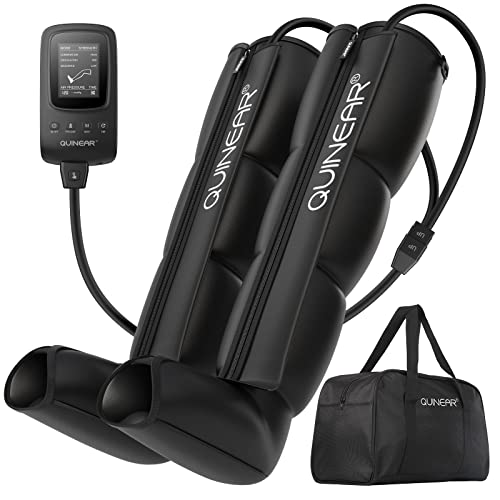
The best compression boots for lymphedema offer gentle, adjustable pressure, comfort, and safe home use.
A swollen leg can feel heavy, tight, and tired by the end of the day. Sitting, standing, travel, and reduced movement may make that feeling worse. Pneumatic compression boots can act like a soft, rhythmic squeeze that helps move fluid from the foot and leg. I looked at pressure control, coverage, fit, heat, ease of use, and daily comfort when reviewing these options. If you have lymphedema, ask your doctor or lymphedema therapist before using any pneumatic device. The right boot should support your care plan, not replace it.
MZCNU 5-Zone Full-Leg Compression Boots

The MZCNU full-leg boot covers the foot, calf, knee, and thigh in one connected system. Its five-zone design uses 10 air chambers, so the pressure can move through the leg in a set pattern. That layout feels more controlled than a single chamber that squeezes the whole leg at once. For a person who wants broad coverage, this model offers a useful starting point.
I like the 12 intensity levels because swollen legs do not feel the same every day. You can begin with a mild setting and adjust it as your clinician allows. The controls also make this boot useful for post-exercise recovery and general leg fatigue. Still, the word “massage” should not distract from the main issue: people with lymphedema need the right pressure, fit, and medical guidance.
Pros:
- Full-leg coverage from foot to thigh
- Five zones help create a gradual compression pattern
- Ten air chambers spread pressure across the boot
- Twelve intensity levels support careful adjustment
- Useful for home recovery after long periods of sitting
- Black design looks simple and easy to blend into a home setting
Cons:
- Full-leg boots can feel warm during long sessions
- The many zones may take time to fit and adjust correctly
- It may feel bulky for users with limited space or mobility
My Recommendation
I recommend the MZCNU 5-zone model for users who want complete foot-to-thigh coverage and many pressure choices. It may suit people whose swelling affects most of the leg rather than only the foot or calf. The 10-chamber layout is also appealing for athletes who want a more detailed recovery routine. For anyone comparing the best compression boots for lymphedema, this is a strong feature-rich option, provided a health professional approves pneumatic compression for your condition.
Musugy Full-Leg Compression Boots

The Musugy sequential leg massager focuses on simple control and full-leg coverage. It includes six modes, nine intensity levels, and three timer choices. Those settings give you room to build a short routine instead of committing to one long session. The medium size may work best for users who fall within the maker’s stated measurement range.
A sequential system can feel like a wave moving upward from the foot. That sensation may help some users relax after a run, gym session, or long workday. I would still check the actual leg measurements before ordering, since a loose boot may not deliver even contact. If you manage lymphedema, use only the setting that your care team considers suitable.
Pros:
- Six massage modes offer useful variety
- Nine intensity levels make gradual testing easier
- Three timers help limit session length
- Full-leg design reaches the foot, calf, and thigh
- Sequential action may feel smooth and natural
- Medium sizing gives a clear fit target for many users
Cons:
- Only a medium size is listed for this version
- Users with very large or very small legs may need another fit
- Mode names may require trial and error before use feels intuitive
My Recommendation
The Musugy is best for users who value timers and a straightforward control panel. It is also a sensible choice for runners, gym users, and people who want a recovery boot that does not rely on heat. I would place this model on a shortlist of the best compression boots for lymphedema when the medium fit is correct and a clinician supports the treatment plan. Its value comes from useful settings without an overly complex feature list.
MZCNU Boots with Heated Knee

This MZCNU model combines leg compression with a heated knee area. It offers six modes, 12 intensity levels, and three timer settings. The design targets the foot, calf, thigh, and knee, so it may appeal to users who want more than a basic leg squeeze. Heat can add comfort for some people, but it is not automatically right for every swollen leg.
I see the heated knee as a comfort feature rather than a treatment for lymphedema. People with reduced skin feeling, poor circulation, open wounds, infection, or certain vascular problems should ask a clinician before using heat. The controls offer good flexibility, which helps users start low and keep sessions short. I would also place a thin layer of clothing between the skin and the boot if the instructions allow it.
Pros:
- Heated knee area may add soothing comfort
- Twelve intensity settings allow fine pressure changes
- Six modes support different massage preferences
- Three timers help create a repeatable routine
- One boot system covers the major sections of the leg
- Useful for people who want compression and warmth in one device
Cons:
- Heat may not be safe for every person with swelling
- Extra warmth can feel uncomfortable in hot weather
- The device may need more careful cleaning and storage than a basic boot
My Recommendation
This heated MZCNU boot is best for users who want a comfort-focused session and have a clear medical okay for heat. It may work well for tired knees after a day on your feet, but users should never treat warmth as proof that fluid is moving. Among the best compression boots for lymphedema, this one stands out for its knee feature and broad adjustment range. I would choose it only after checking skin sensation, circulation, and heat safety with a qualified professional.
FIT KING Full-Leg Compression System

The FIT KING Air Compression Recovery System is made for full-leg use and comes in a medium size. Its boot format can help users create a consistent recovery habit at home. Full-leg coverage is helpful when discomfort extends from the foot up toward the thigh. The system also has a familiar design for people who have used air compression products before.
FIT KING has a strong presence in the home recovery category, but brand recognition should not replace a fit check. Measure the leg and compare it with the current product guide before purchase. I would use this unit in a quiet chair, keep the tubing free of bends, and stop if the leg becomes painful, numb, cold, or unusually discolored. Those simple checks matter more than a high pressure setting.
Pros:
- Full-leg boot design supports broad coverage
- Medium size gives shoppers a clear sizing point
- Designed for home recovery and daily relaxation
- May help users build a regular compression routine
- Suitable for athletes and people with tired legs
- Recognizable brand in the air compression space
Cons:
- Medium sizing may not fit every body shape
- Full-leg systems need more storage room than calf sleeves
- Buyers should confirm the included control settings before ordering
My Recommendation
I recommend FIT KING for shoppers who prefer a known recovery brand and need a full-leg format. It is a good match for users who want a home device for post-workout comfort or long periods of sitting. It can also suit a person who prefers a simple, familiar boot over a device with heat and many extra modes. As one of the best compression boots for lymphedema, its main strength is practical full-leg coverage, but fit and clinical approval remain essential.
JZBRAIN Full-Leg Compression Boots

The JZBRAIN compression boots are designed to cover the full leg and provide an air-powered massage pattern. This type of boot can feel like a gentle hug that releases and repeats. It may appeal to people who want a home tool for leg fatigue and circulation support. The full-leg shape also gives more coverage than a small foot or calf-only massager.
I would pay close attention to the product measurements and operating instructions before using this model. A boot should feel snug, not painfully tight, and it should not create a sharp edge at the groin or knee. Users with lymphedema should also remember that more pressure is not always better. A low, comfortable setting used under medical advice is often a wiser approach than chasing the strongest squeeze.
Pros:
- Full-leg construction covers several problem areas at once
- Air compression gives a rhythmic massage feel
- May support relaxation after work or exercise
- Useful for users who want a home recovery device
- Foot-to-thigh coverage can save time compared with separate tools
- Simple black styling fits most home spaces
Cons:
- Fit may vary between users because leg shapes differ
- Full coverage can make the boot harder to put on alone
- New users may need time to learn the best placement
My Recommendation
JZBRAIN is best for a shopper who wants broad leg coverage in a home-focused design. I would consider it for mild leg fatigue, recovery, or a clinician-approved compression routine. It is less appealing for someone who needs a very precise medical-grade pressure profile or a custom garment. In a list of the best compression boots for lymphedema, this model earns attention for coverage and comfort potential, but careful sizing should guide the final choice.
CIRZUEX Extra-Wide Swelling Socks
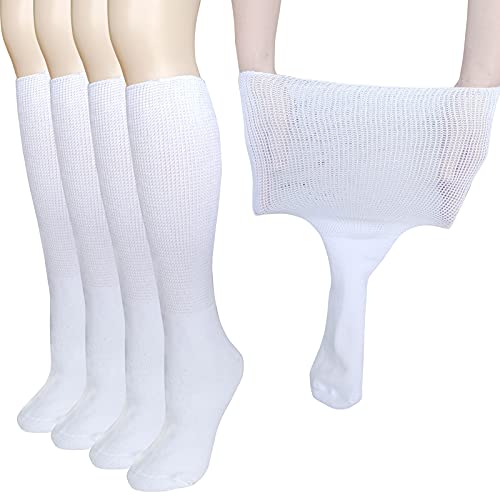
The CIRZUEX socks are different from the powered boots in this review. They are extra-wide, non-binding socks made for swollen feet and legs, and the package includes two pairs. This design may help people who cannot tolerate a tight sock band or who need room for a swollen foot. The socks may also fit over a cast, boot, or dressing, depending on the size and care instructions.
These socks do not provide the same controlled pneumatic compression as an air boot. I view them as a comfort and dressing aid, not a replacement for a prescribed lymphedema garment. The loose design may reduce pressure marks, but it may also provide less support. Check the fabric, seams, and skin each day, especially if you have diabetes, fragile skin, or reduced sensation.
Pros:
- Extra-wide shape gives swollen feet more room
- Non-binding top may reduce tight marks
- Two-pair package supports basic rotation
- May fit over some casts, braces, or walking boots
- Useful for people who struggle with narrow socks
- Lightweight design is easier to pack than powered boots
Cons:
- It is not a pneumatic compression boot
- Loose socks may offer less fluid control than medical garments
- Fit can still vary with severe swelling or unusual foot shape
My Recommendation
CIRZUEX is best for users who need extra room and a gentle, non-binding layer for swollen feet. It may help with daily comfort, travel, or wearing a cast boot, but it should not replace a therapist-prescribed compression garment. I would include it beside the best compression boots for lymphedema rather than rank it as a direct substitute. Its main value is ease, space, and low effort when a powered device is not practical.
Medisana Heated Full-Leg Massager
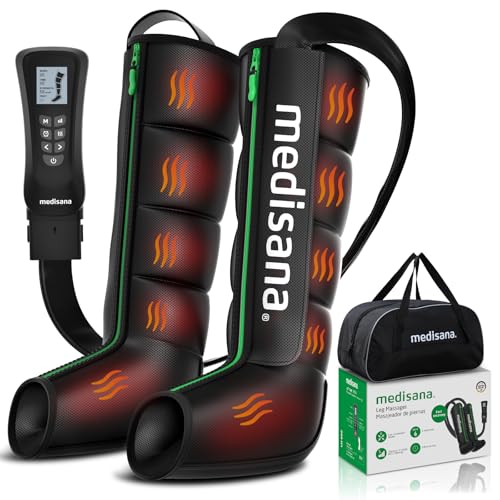
The Medisana leg compression massager combines full-leg and foot coverage with heat. It offers six modes, five intensity choices, and three heat levels. That control range is not as broad as some 12-level models, but it may feel easier for a user who prefers fewer choices. The foot coverage also makes it useful for people who notice tiredness at the end of the leg.
Heat can make a session feel calm, much like a warm blanket on a cold evening. Yet warmth can hide skin irritation or make swelling feel worse for some people. I would use the lowest heat first, check the skin during and after the session, and follow professional advice. As with every powered boot here, this product supports comfort and recovery; it does not diagnose or cure lymphedema.
Pros:
- Full-leg and foot coverage in one design
- Three heat levels allow a more careful start
- Six modes provide simple session variety
- Five intensity levels are easy for beginners to understand
- May soothe tired feet and legs after daily activity
- Well suited to users who prefer a warm massage feel
Cons:
- Heat is not suitable for every person with swelling
- Five pressure levels offer less fine control than 12-level systems
- The full-leg design may feel heavy during storage and setup
My Recommendation
The Medisana model is best for a user who wants simple controls, foot coverage, and adjustable warmth. I would choose it for comfort after a long day only when heat and compression are medically appropriate. It is a thoughtful option for beginners who may feel overwhelmed by many modes and intensity steps. For shoppers seeking the best compression boots for lymphedema, this unit stands out for warmth, but safety checks should come before comfort features.
How I Compared These Compression Boots
I compared these products by looking at the features that matter most during real home use. Pressure control came first because swollen tissue can react poorly to excessive force. I also considered coverage, chamber design, timers, heat, fit, setup, and how easy each product may be to use without help. A boot that looks powerful on a product page is not useful if it pinches, slips, or stays in the closet.
I also separated general recovery claims from lymphedema care. Air compression may help move fluid in some care plans, but it is not right for every person. Lymphedema can occur with skin changes, infection, venous disease, heart problems, or other conditions that need professional review. I therefore give more weight to adjustable settings and safe habits than to the highest possible pressure.
What Makes the Best Compression Boots for Lymphedema?
The best compression boots for lymphedema should offer controlled pressure rather than a harsh squeeze. A sequential pattern often starts near the foot and moves upward, which matches the basic idea of guiding fluid toward the body. However, the exact pressure and treatment plan should come from a lymphedema therapist or doctor. A home boot should fit into that plan.
Coverage matters as well. A foot-and-calf boot may suit lower-leg swelling, while a full-leg boot may work better when swelling reaches the thigh. More coverage also means more fabric, more tubing, and more work during setup. I suggest choosing the smallest coverage area that meets your approved care needs.
Adjustable intensity is another key point. Start at the lowest comfortable level unless your clinician gives a different instruction. The boot should feel firm and rhythmic, not painful or numb. Stop if you notice new pain, tingling, cold skin, marked color change, shortness of breath, or worsening swelling.
Timers help prevent overuse. A timer also makes it easier to repeat the same routine each day. Many people get better results from a calm, regular habit than from one very long session once a week. Keep a simple note of the setting, time, comfort, and any skin response.
Why Fit Matters More Than Maximum Pressure
Fit is the quiet feature that can make or break a compression boot. If the boot is too loose, air pressure may not spread as intended. If it is too tight, it may create a painful band or press on sensitive tissue. Measure the foot, calf, and thigh as directed, and compare those numbers with the current size chart.
Put the boot on while seated. Smooth folds before starting the pump. Keep the knee in a natural position and make sure the tubing does not pull against the leg. If you cannot put on a full-leg boot safely, ask another adult or your therapist for help.
Do not place a powered boot over an open wound, active skin infection, or fresh surgical site unless a medical professional specifically instructs you to do so. Check the skin after removal. A red mark that fades quickly may come from normal contact, but lasting marks, blisters, heat, or pain deserve attention.
Potential Benefits and Limits
Many people use air compression boots to ease the heavy feeling that comes after standing, sitting, or exercise. The repeated squeeze may support venous return and help a person feel less stiff. Some users also find the routine calming. These are comfort and circulation-support goals, not a promise that the device will cure lymphedema.
Lymphedema care often includes skin care, movement, exercise, compression garments, manual techniques, and professional monitoring. A pneumatic device may be one part of that plan. It cannot replace a properly fitted garment or a trained therapist. It also cannot remove the cause of lymphatic damage.
Powered boots may be hard for users with weak hands, limited hip movement, or poor balance. A full-leg boot can feel heavy and may take time to wrap. If setup feels unsafe, a simpler garment or therapist-guided option may be better. Convenience should reduce stress, not add another task.
Safety Advice Before Using Air Compression
Ask your health professional before using a pneumatic compression device if you have diagnosed lymphedema. This step matters even when an online listing says “circulation” or “pain relief.” Product marketing uses broad terms, while your body may need a very specific pressure plan. A therapist can also help with sizing and placement.
Do not use a boot over an area with suspected cellulitis, spreading redness, fever, drainage, or sudden skin warmth. Seek medical advice for those signs. People with known or suspected blood clots, serious arterial disease, uncontrolled heart failure, or severe loss of sensation also need medical clearance before compression. Never use a device to delay care for sudden one-sided swelling or chest symptoms.
Heat needs extra care. A warm setting can be unsafe when sensation is reduced, since you may not feel a burn early. It may also be unsuitable for some vascular or inflammatory problems. If you use a heated model, keep the temperature low, check your skin often, and follow the manual.
Use the product while awake. Do not fall asleep in a powered boot unless the manufacturer and your clinician clearly approve that use. Keep the pump on a stable surface, inspect the hose, and unplug the unit before cleaning. These small steps help protect both the device and the person using it.
Best for Table
| Best for | Why |
|---|---|
| Full-leg coverage | MZCNU 5-Zone offers foot-to-thigh coverage, 10 air chambers, and 12 intensity levels. |
| Simple recovery routine | Musugy combines full-leg coverage with six modes, nine intensities, and three timers. |
| Extra-wide foot comfort | CIRZUEX gives swollen feet more room with a non-binding design, though it is not a powered boot. |
How to Use Compression Boots More Comfortably
Start by choosing a quiet place where you can sit with your leg supported. Drink normally, keep the pump near you, and remove sharp jewelry from the area. Put on the boot without twisting the fabric. Before turning on the pump, check that the foot section sits below the toes and that the upper edge does not dig into the thigh.
Begin with a short session at a low setting. Follow the instructions from your medical team rather than copying another person’s routine. Notice how the leg feels during the session and for a while after it ends. If symptoms worsen, stop and ask for advice.
Clean the boot as directed. Many air sleeves cannot go in a washing machine, and trapped moisture can damage the lining or affect the skin. Let the material dry fully before storage. Keep the controller and hose away from pets, heat, and sharp objects.
Common Buying Mistakes to Avoid
The first mistake is buying by pressure number alone. A high number does not mean better results, and it may be wrong for your body. Look for useful low settings, a suitable sequence, and a fit that matches your measurements.
The second mistake is ignoring coverage. A full-leg boot may sound better, but you may only need foot and calf support. Extra coverage can cost more and make each session harder. Think about where swelling occurs and what your clinician recommends.
The third mistake is treating heat as a must-have feature. Heat can feel pleasant, but it can also mask discomfort. If your skin sensation is reduced, a non-heated model may be the safer choice unless a professional says otherwise.
The last mistake is assuming a consumer recovery boot equals a medical compression pump. These products can share similar words, but their pressure systems, controls, testing, and intended use may differ. Use the device as directed and keep your care team informed.
FAQs Of Best Compression Boots for Lymphedema
Can compression boots help lymphedema?
They may help move fluid for some people when used as part of an approved care plan. They do not cure lymphedema. Ask a lymphedema therapist or doctor to confirm whether pneumatic compression fits your needs.
What pressure should I use?
Use the pressure recommended by your health professional. Start low if you have approval and never increase pressure because a stronger squeeze seems faster. Pain, numbness, cold skin, or color change means you should stop.
Are heated compression boots safe for swollen legs?
Heat is not safe for everyone. Reduced sensation, poor circulation, infection, open wounds, and some heart or vascular problems may require avoiding heat. Ask for medical advice before using a heated model.
How long should I wear compression boots?
The correct time depends on your condition, device, and care plan. Use the timer and follow the instructions you received. Do not sleep in the boots unless both the manufacturer and your clinician approve it.
Can I use these boots instead of compression stockings?
Usually, no. A pneumatic boot and a compression garment serve different roles. Your therapist may recommend one, the other, or both as part of a larger plan.
Final Verdict: Which Should You Buy?
The MZCNU 5-Zone Full-Leg model is my top pick for broad coverage, many settings, and detailed air chambers. Choose the Musugy for simple recovery controls, or CIRZUEX for extra-wide non-binding foot comfort.
The best compression boots for lymphedema should fit your care plan, body, and daily routine. Get medical guidance first, measure carefully, and choose gentle control over maximum force.
Madison Clark is a footwear expert and the voice behind MyStyleGrid.com. She specializes in honest shoe reviews, style tips, and practical guides to help readers find the perfect pair for any occasion. With years of experience in blogging and content creation, Madison makes footwear knowledge simple, stylish, and easy to follow.