The best climbing boots for linemen combine strong ankle support, firm heels, slip grip, and all-day comfort.
A long shift on a pole can turn a small boot flaw into a sore foot, a weak grip, or a real safety risk. Linemen need boots that hold tight in climbers, protect the toes, resist wet ground, and stay steady on ladders and rough wood. I reviewed these logger and lineman boots with those needs in mind. The list includes tough steel-toe models, lighter composite-toe boots, waterproof choices, and a serious USA-made climbing boot. Always match your final choice to your employer’s rules, approved climbing gear, and the boot maker’s fit guide.
Carolina Elm 8-Inch Steel Toe Logger Boots

The Carolina Elm is a classic logger boot for workers who want a firm, raised heel and steel-toe protection. Its 8-inch height gives the ankle useful support without feeling as tall as a 10-inch boot. The logger-style sole is made for rough ground, wood, and work sites. I see it as a practical entry point for a lineman who wants a sturdy boot at a reasonable cost.
The steel toe adds a strong safety layer for falling tools and hard contact. The tall leather upper also helps shield the ankle from brush, bark, and loose debris. The heel can help keep a climber strap in place, but the boot must fit the specific gaff or spur system you use. Break-in may take time, so wear it on short walks before a full pole day.
Pros:
- Steel toe helps protect against impact
- 8-inch height supports the ankle
- Logger heel works well with many climbing setups
- Durable leather suits outdoor work
- Solid choice for general utility and line work
- Usually costs less than premium lineman boots
Cons:
- Steel toe adds weight
- May need a long break-in period
- Water protection depends on care and exact model details
My Recommendation
This Carolina is best for a budget-minded lineman who wants a traditional logger shape. It suits ground work, utility construction, tree work, and occasional climbing when the boot meets the approved gear rules. The heel and steel toe give it a useful safety base, while the 8-inch cut stays fairly easy to move in. For shoppers comparing the best climbing boots for lineman, this model offers good basic value, but I would confirm fit and electrical ratings before ordering.
| Best for | Why |
|---|---|
| Budget buyers | It offers a tough logger build without a premium price. |
| General line work | The steel toe, tall shaft, and heel suit many work tasks. |
| Workers who prefer 8-inch boots | The height balances support with easier movement. |
Kenetrek Lineman Extreme Non-Insulated Boot

The Kenetrek Lineman Extreme is built around the needs of workers who climb, stand, and walk on uneven ground for long hours. This non-insulated version avoids extra warmth, which makes it a better match for mild weather and active jobs. Its steel toe adds impact protection, while the tall leather design helps brace the lower leg. The boot has the serious feel I expect from a dedicated lineman model.
Non-insulated leather can also dry faster than a heavily lined winter boot. That matters when a crew moves between truck, pole, and wet ground all day. The stiff build may feel demanding at first, but that same stiffness can provide a stable platform once the boot breaks in. I would give it several short work sessions before judging comfort.
Pros:
- Designed specifically for lineman work
- Steel toe gives strong impact protection
- Non-insulated design suits warmer conditions
- Tall shaft supports the ankle and lower leg
- Stiff platform feels stable during demanding work
- Good fit for workers who climb often
Cons:
- Premium price may not suit every budget
- Can feel stiff during early wear
- Not the best choice for very cold winter shifts
My Recommendation
I recommend this Kenetrek to full-time linemen who climb often and want a boot made for that job. It is especially useful for workers in warm or moderate climates who do not need insulation. The higher price makes sense when you value support, durability, and a purpose-built design. In my view, it is one of the strongest candidates among the best climbing boots for lineman, provided the size and approved climbing compatibility are right.
| Best for | Why |
|---|---|
| Full-time linemen | The design focuses on repeated climbing and long work days. |
| Warm-weather crews | Non-insulated construction avoids excess heat. |
| Workers needing firm support | The tall, stiff build helps create a stable feel. |
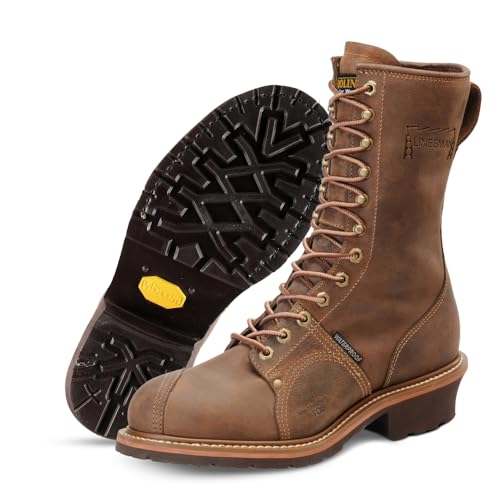
Carolina 10-Inch Soft Toe Waterproof Linesman Boot

This 10-inch Carolina linesman boot focuses on height, wet-weather protection, and day-to-day work comfort. The soft toe keeps the front of the boot lighter and more flexible than a steel-toe design. Its waterproof build is helpful when morning dew, mud, or rain is part of the job. The dark brown leather also has a work-ready look that does not need much fuss.
The 10-inch shaft gives more coverage around the ankle and lower calf. That extra height can feel reassuring when walking through brush or climbing with a properly fitted system. A soft toe does not provide the same crush protection as a safety toe, so I would not choose it where toe protection is required. For outdoor work without that requirement, it can be a comfortable and useful option.
Pros:
- Waterproof design helps keep feet dry
- 10-inch shaft provides added leg coverage
- Soft toe keeps weight and flex more manageable
- Slip-resistant outsole supports wet work areas
- Useful for construction and outdoor jobs
- Traditional leather style is easy to maintain
Cons:
- Soft toe lacks safety-toe protection
- Taller shaft may feel warm in summer
- Waterproof materials can reduce breathability
My Recommendation
This Carolina is best for a lineman or outdoor worker who needs waterproof coverage and does not need a safety toe. It can work well for ground support, inspection, construction, and wet utility sites. I would not make it my first pick for a regulated climbing role unless the employer approves the soft-toe design. Among the best climbing boots for lineman, it is more of a weather-ready work boot than a specialist climbing boot.
| Best for | Why |
|---|---|
| Wet outdoor work | The waterproof build helps block rain and ground moisture. |
| Ground crew members | The soft toe gives a lighter, more flexible feel. |
| Workers wanting extra shaft height | The 10-inch cut covers more of the lower leg. |
Carolina 8-Inch Waterproof Steel Toe Logger Boot
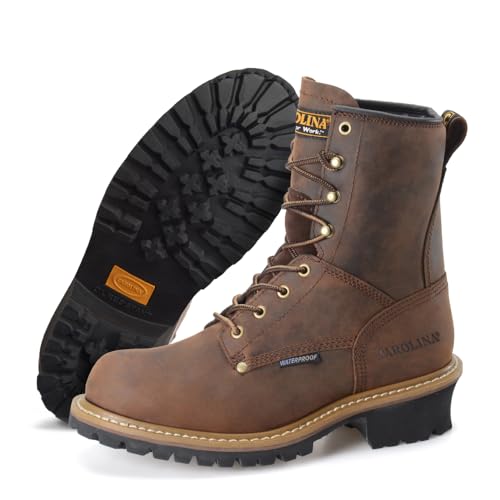
The Carolina 8-inch waterproof logger brings together three useful traits: a steel toe, a raised logger heel, and wet-weather protection. That mix makes it a strong all-rounder for utility work and rugged outdoor jobs. The 8-inch height gives ankle coverage without the extra bulk of a very tall boot. It is the kind of boot I would consider when one pair must handle many tasks.
The waterproof construction helps during rain and muddy access roads, while the logger outsole gives traction on rough ground. Steel toes can feel firm and heavy, but they offer peace of mind around tools and equipment. The boot will likely feel more rigid than a soft work shoe, especially during the first few wears. Good socks and a careful break-in plan can make a major difference.
Pros:
- Waterproof protection suits wet job sites
- Steel toe adds impact resistance
- Logger heel supports many climbing setups
- 8-inch shaft offers useful ankle coverage
- Versatile choice for utility and outdoor work
- Brown leather hides normal job-site marks well
Cons:
- Steel toe increases overall weight
- May feel stiff before break-in
- Not insulated for deep winter conditions
My Recommendation
I would point most general utility workers toward this Carolina when they need one rugged pair for rain, rough ground, and daily work. It offers a better balance than a narrow specialty boot, especially for crews that split time between climbing and ground duty. Check the electrical hazard label, fit, and employer rules before using it on energized work. For shoppers seeking the best climbing boots for lineman at a practical price, this is one of the most balanced options.
| Best for | Why |
|---|---|
| All-around utility work | It blends waterproofing, steel-toe protection, and a logger heel. |
| Rainy job sites | The waterproof build helps keep feet dry. |
| Workers who need one pair | Its design handles both ground work and approved climbing tasks. |
Wesco Highliner 10-Inch Spur Climbing Boot
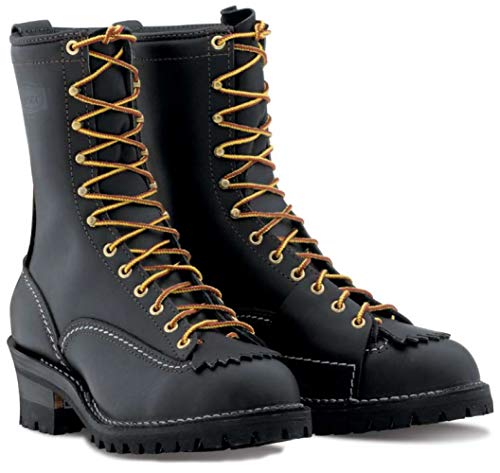
The Wesco Highliner is the most specialized boot in this group. It uses a tall 10-inch profile and a lace-up design aimed at spur and climbing work. Wesco boots are known for a firm, heavy-duty feel, and the Highliner follows that tradition. I would view it as a serious tool for experienced workers rather than a casual work boot.
The leather upper can provide strong support after it molds to the foot. The tall cut also helps keep the boot secure when the worker uses approved climbing equipment. This type of boot may feel heavy on the ground, but that weight often comes with a stable, planted feel. It needs careful sizing, patience during break-in, and regular leather care to reach its full potential.
Pros:
- Purpose-built shape for spur climbing
- 10-inch shaft offers strong ankle support
- Heavy leather construction suits hard use
- Lace-up fit allows close adjustment
- USA-made appeal for buyers who value domestic production
- Stable feel for experienced climbers
Cons:
- Heavy compared with lighter work boots
- Break-in can be demanding
- High price may exceed a casual worker’s budget
- Requires careful fit and maintenance
My Recommendation
The Wesco Highliner is best for professional linemen who climb often and want a boot built around that task. It is not my first recommendation for a new worker who wants soft comfort from day one. The stiff leather, tall shaft, and spur-focused shape reward patience and correct fitting. If you want the best climbing boots for lineman and are willing to pay for a specialized, durable tool, the Highliner deserves serious attention.
| Best for | Why |
|---|---|
| Frequent climbers | The tall, firm design focuses on spur work. |
| Experienced professionals | Skilled users can manage the weight and break-in. |
| Long-term value seekers | Its heavy build is made for demanding service. |
Carolina 8-Inch Waterproof Composite Toe Logger

This Carolina logger uses a composite toe instead of steel. That can reduce the cold feel of the toe box and may shave some weight from the boot. It also offers waterproof protection and an 8-inch shaft, making it a useful fit for wet utility work. For workers who dislike the chill of steel in winter, this design has a clear appeal.
The logger heel supports a traditional climbing boot profile, while the composite toe protects against many common impacts. Composite materials do not conduct cold as quickly as steel, but they can be larger in shape. I suggest trying the boot with the socks you wear at work. As with any logger boot, the outsole and heel must match the climbing hardware and safety rules in use.
Pros:
- Composite toe feels warmer than steel in cold weather
- Waterproof construction supports wet work
- Logger heel suits many traditional setups
- 8-inch height gives balanced ankle coverage
- Lighter feel than many steel-toe boots
- Good option for mixed indoor and outdoor work
Cons:
- Composite toe may take more room in the toe box
- Can still feel stiff during break-in
- Must be checked for the exact safety rating required
My Recommendation
I recommend this model to linemen who want toe protection but prefer a nonmetallic toe. It is especially useful in cold areas, around metal detectors, or on jobs where lower boot weight matters. The waterproof leather and logger heel make it more versatile than a simple safety shoe. In the search for the best climbing boots for lineman, this Carolina is a smart middle ground between comfort, protection, and cost.
| Best for | Why |
|---|---|
| Cold-weather workers | The composite toe does not feel as cold as steel. |
| Wet utility work | Waterproof materials help block rain and puddles. |
| Workers wanting less metal | The nonmetallic toe offers a lighter, warmer option. |
Zamberlan Logger Pro GTX RR Work Boot

The Zamberlan Logger Pro GTX RR takes a more technical approach to the traditional logger boot. Its Gore-Tex lining is designed to block water while allowing some moisture vapor to escape. That can help when a work day includes rain, wet grass, and long walks between poles. The boot has a refined feel, but it remains built for hard outdoor use.
This model may appeal to workers who want waterproof comfort and a more modern hiking-style fit. The leather and protective construction help it stand up to rough terrain. A waterproof membrane is useful, but it cannot replace proper drying and care after a soaked shift. I would also confirm the toe and electrical ratings because features can vary by specific version.
Pros:
- Gore-Tex lining helps resist water
- Technical build can improve wet-weather comfort
- Strong leather upper handles rough ground
- Good choice for long walks and access trails
- Modern fit may feel more refined than a classic logger
- Premium materials support regular outdoor use
Cons:
- Premium price is a major drawback
- May not suit workers who prefer a very stiff logger boot
- Membrane boots need careful drying after heavy soaking
- Check exact job-site ratings before climbing
My Recommendation
The Zamberlan is best for a lineman who spends as much time hiking to poles as climbing them. It makes sense for wet trails, rough access roads, and crews that value waterproof comfort. I would choose it over a basic logger when walking distance and moisture control matter most. It belongs in a conversation about the best climbing boots for lineman, but buyers must verify that the model fits their climbing system and workplace requirements.
| Best for | Why |
|---|---|
| Wet access trails | The Gore-Tex lining helps keep feet dry on long walks. |
| Premium boot shoppers | Higher-grade materials support comfort and durability. |
| Workers who hike often | The technical design suits long approaches to poles. |
Carolina Elm 8-Inch Unlined EH-Rated Logger Boot

The Carolina Elm unlined logger is made for workers who prefer a simpler boot with less interior bulk. Its unlined design can feel cooler and more flexible than an insulated model. The EH-rated feature is important for workers who face electrical hazards, although no boot should replace proper electrical safety procedures. The 8-inch shaft gives useful ankle coverage for daily utility work.
This boot has the classic logger shape many workers already know. It can be a good choice for warm days, indoor storage areas, and active ground work. Without insulation, it may feel less comfortable in freezing weather unless you use suitable socks. I would treat it as a dependable work platform and confirm all current markings before using it near electrical hazards.
Pros:
- Electrical hazard rating adds an important safety feature
- Unlined interior suits warm conditions
- 8-inch shaft supports the ankle
- Classic logger heel works with many setups
- Less interior bulk improves flexibility
- Useful for utility, farm, and construction work
Cons:
- Not ideal for very cold weather
- Unlined leather may feel firm at first
- EH protection has limits and needs proper job-site review
My Recommendation
This Carolina is best for warm-weather linemen who want an unlined boot with an EH rating. It also suits workers who dislike thick insulation or who move constantly during the day. I like its simple design because fewer layers can mean less heat and easier drying. For anyone comparing the best climbing boots for lineman, this model is a practical choice when electrical hazard protection and warm-weather comfort are priorities.
| Best for | Why |
|---|---|
| Warm climates | The unlined design helps reduce heat and bulk. |
| Utility workers | The EH rating adds useful protection for approved tasks. |
| Simple logger fans | It keeps the familiar shape without heavy insulation. |
Kenetrek Lineman Extreme 1000 ST Boot

The Kenetrek Lineman Extreme 1000 ST adds insulation to a serious lineman boot design. Its 1000-gram insulation is aimed at cold conditions, where a thin summer boot can leave feet numb before the shift is half done. The steel safety toe adds impact protection, while the leather upper creates a firm work feel. This is a winter-focused boot for workers who cannot wait for warmer weather.
Insulated boots often feel heavier and less flexible than unlined models, and this one follows that pattern. The trade-off is warmth during long periods outside or on cold steel equipment. Fit matters even more here because thick socks and insulation can reduce interior space. I would size carefully, test it with work socks, and avoid using it during hot summer shifts.
Pros:
- 1000-gram insulation suits cold work
- Steel toe helps protect against impact
- Purpose-built lineman shape supports climbing work
- Leather upper handles rough outdoor conditions
- Tall structure helps stabilize the ankle
- Good choice for winter utility crews
Cons:
- Too warm for hot weather
- Insulation adds weight and bulk
- Thick socks may make the fit tight
- Higher price than basic logger boots
My Recommendation
I recommend this Kenetrek to linemen who work through harsh winters and spend long hours outside. It is a better cold-weather tool than a general-purpose boot, especially when warmth matters as much as climbing support. I would not buy it for a warm climate or indoor-heavy role. Among the best climbing boots for lineman, it stands out as the dedicated winter choice, but careful sizing is essential.
| Best for | Why |
|---|---|
| Winter linemen | The 1000-gram insulation helps retain warmth. |
| Cold outdoor shifts | The tall, leather build protects and supports the foot. |
| Workers needing a safety toe | The steel toe adds impact protection in rough conditions. |
Carolina 8-Inch Waterproof Logger Boot

This Carolina waterproof logger keeps the formula simple: leather, an 8-inch shaft, a raised heel, and protection from wet ground. It is a useful option for workers who want a classic logger feel without choosing a more specialized or expensive boot. The design works well for outdoor maintenance, construction, and utility support. Its brown finish also looks natural on and off the job.
The waterproof feature helps during rain and muddy site access, while the tall upper protects the ankle from brush and debris. A logger outsole can feel secure on rough ground, though it may feel less smooth on hard indoor floors. I suggest using a short break-in period and keeping the leather conditioned. As always, check the toe, EH, and climbing requirements for your exact role.
Pros:
- Waterproof design helps manage wet conditions
- 8-inch shaft provides basic ankle support
- Raised logger heel suits outdoor work
- Classic leather style is easy to care for
- Versatile for construction and utility tasks
- Often offers strong value for the price
Cons:
- May lack the specialized features of a lineman boot
- Logger sole can feel awkward on smooth floors
- Break-in may take several wears
My Recommendation
This Carolina is best for workers who need a reliable waterproof logger for mixed outdoor duties. It makes sense for new linemen, ground crew members, and buyers who want a traditional shape at a manageable cost. I would select a more specialized model for constant spur climbing, but this boot can handle many daily tasks when approved. It is a sensible value pick in the broader best climbing boots for lineman category.
| Best for | Why |
|---|---|
| Mixed outdoor work | It handles wet ground, brush, and general job-site use. |
| Value shoppers | The classic design offers useful features without a premium build. |
| New workers | The 8-inch logger shape is familiar and easy to understand. |
What Makes a Good Lineman Climbing Boot?
A lineman boot must do more than look tough. It needs a heel and sole that work with the climbing gear used by the worker. The shaft should hold the ankle firmly without cutting into the leg. The boot should also fit close enough that the foot does not slide inside during a climb.
Toe protection is another key point. Steel toes offer strong impact protection, while composite toes can feel warmer and lighter. A soft toe may feel more flexible, but it does not replace a safety toe where one is required. I always tell buyers to read the employer’s boot policy before focusing on brand or price.
Electrical hazard protection also needs careful attention. An EH label can help protect against certain electrical risks under defined test conditions, but it does not make a worker safe around every electrical source. A boot must stay dry, intact, and correctly maintained. No boot removes the need for training, insulated tools, fall protection, and approved work practice.
How I Compare the Best Climbing Boots for Lineman
I look at the boot as work equipment, not fashion. First, I check the heel shape, sole grip, shaft height, and overall stability. Next, I consider toe protection, waterproofing, insulation, and the likely climate. Finally, I weigh break-in time, fit, upkeep, and price.
Comfort also matters because foot pain can distract a worker at the worst time. A boot that feels strong but causes blisters may fail before its leather does. I look for a snug heel, room for the toes, and enough flex near the front of the foot. The best climbing boots for lineman should feel secure without crushing the foot.
I also separate climbing work from ground work. Some boots excel on a pole but feel heavy during long walks. Others feel great on a trail but may not have the heel, stiffness, or rating needed for climbing. That is why my recommendations above focus on the worker and task, not just a single “best” label.
Fit and Break-In Advice
Try boots late in the day, when feet are often a little larger. Wear the socks you will use on the job. Your toes should move, but your heel should not lift sharply with each step.
Do not start with a full shift in a new logger boot. Wear it at home, then take short walks. Increase the time over several days. This simple plan helps find pressure points before they become blisters.
Leather boots may soften with wear, but they should not feel painfully narrow. Never assume a boot will stretch enough to fix a bad size. Use the manufacturer’s size chart, and check the return policy before buying.
Care Tips for Lineman Boots
Dry wet boots at room temperature. Do not place leather boots against a heater or use high heat. Heat can dry the leather too fast and weaken adhesives or shape.
Remove dirt with a soft brush after each shift. Use a conditioner made for the boot’s leather. Waterproof products can help, but they do not turn a worn boot into a safe one.
Check the outsole, heel, stitching, laces, and toe area often. Replace boots when the tread is worn, the leather splits, or the heel no longer gives a stable platform. A worn boot can affect grip and climbing control.
FAQs Of Best Climbing Boots for Lineman
Can any logger boot work for lineman climbing?
No. The boot must match the climbing gear, heel design, safety rating, and employer rules. Ask a qualified supervisor before using a general logger boot on a pole.
Are steel-toe boots better than composite-toe boots?
Neither is always better. Steel offers strong impact protection, while composite toes may feel lighter and warmer. Choose the toe type that meets the job requirement and fits your foot well.
Should lineman boots be waterproof?
Waterproof boots help in rain, mud, and wet grass. They may feel warmer and less breathable, so unlined boots can suit hot climates better.
How tall should lineman climbing boots be?
Many workers prefer 8- to 10-inch boots for ankle and lower-leg support. The best height depends on your climbing system, comfort, and work rules.
How long should climbing boots last?
Service life depends on use, leather care, terrain, and climbing wear. Inspect them often and replace them when the sole, heel, stitching, or safety features show serious wear.
Final Verdict: Which Should You Buy?
For most full-time climbers, I would choose the Kenetrek Lineman Extreme Non-Insulated Boot. The Carolina waterproof steel-toe logger is the better value pick, while the Kenetrek 1000 ST suits cold work.
The best climbing boots for lineman must fit your gear, climate, and safety rules. Buy for secure support first, then comfort, weather protection, and price.

Madison Clark is a footwear expert and the voice behind MyStyleGrid.com. She specializes in honest shoe reviews, style tips, and practical guides to help readers find the perfect pair for any occasion. With years of experience in blogging and content creation, Madison makes footwear knowledge simple, stylish, and easy to follow.