The best Chelsea boots for plantar fasciitis combine firm arch support, soft cushioning, a stable heel, and a roomy toe box.
If each step feels like a sharp sting under your heel, the wrong boot can turn a short walk into a long day. Chelsea boots add easy slip-on style, but many have flat insoles and stiff soles that may worsen foot pain. I looked for pairs with useful comfort traits, such as memory foam, supportive footbeds, wide fits, shock control, and grippy outsoles. No boot can cure plantar fasciitis, and fit still matters most. Yet the right pair can feel like a small cushion between your feet and the hard ground.
Dr. Scholl’s Northbound Chelsea Boot
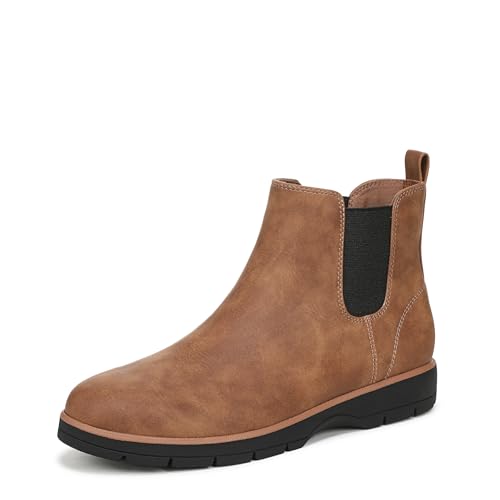
The Dr. Scholl’s Northbound is a strong starting point for shoppers who want a neat Chelsea boot with a comfort-first feel. Its pull-on shape keeps the morning routine simple, while the back pull tab helps you get the boot over your heel. The honey brown color also works well with jeans, cords, and casual work clothes. For plantar fasciitis, I like the balance between everyday style and the brand’s focus on foot comfort.
This boot is best for light daily use, errands, office wear, and short walks. A wide size option can give the forefoot more room, which helps if swollen feet or bunions add to your discomfort. Still, I would check the insole and heel fit before wearing it all day. The Best Chelsea Boots for Plantar Fasciitis should support your foot without squeezing it, and this pair has a practical, easy-to-wear design.
Pros:
- Comfort-focused design from a well-known foot-care brand
- Wide option helps provide extra forefoot room
- Back pull tab makes the boot easier to put on
- Honey brown color suits many casual outfits
- Slip-on Chelsea shape avoids laces and pressure points
- Good choice for office wear and daily errands
Cons:
- May not provide enough support for severe symptoms
- Short shaft may allow some heel movement
- Style is more casual than formal
Athlefit Women’s Slip-On Chelsea Boot

The Athlefit slip-on Chelsea boot is made for shoppers who want a clean black boot without a long break-in routine. Its stretchy side panels help the boot flex as you walk and make entry much easier. The ankle height gives more coverage than a shoe but does not feel as heavy as a tall winter boot. I see it as a useful pick for casual city wear and simple work outfits.
Plantar fasciitis often feels worse when a boot bends in the wrong place or lets the heel slide. This pair’s low-profile shape may feel less bulky, but I recommend adding a supportive insert if the stock footbed feels too flat. Wear medium-weight socks when checking the fit, since extra space can change how your heel sits. Among the Best Chelsea Boots for Plantar Fasciitis, this one stands out for easy use, simple styling, and a flexible feel.
Pros:
- Stretch side panels make entry fast and easy
- Black color pairs with work and casual clothing
- Low ankle height feels lighter than a tall boot
- Simple design works across several seasons
- Room for a thin aftermarket insole in many feet
- Useful choice for shoppers who dislike laces
Cons:
- Stock arch support may feel modest
- Not the best pick for deep snow or harsh weather
- Fit can feel snug across a high instep
Women’s Wide Orthopedic Leather Ankle Boot

This wide orthopedic ankle boot targets several common fit problems at once. It is designed for shoppers who need room for bunions, swollen feet, or a thicker orthotic. The black upper gives it a dressier look than a typical walking boot, so it can move from errands to a casual workplace. Its Chelsea-style ankle profile also keeps the silhouette neat and easy to wear.
I would pay close attention to the width and depth before ordering. A roomy toe box can reduce pressure, but too much space may let the foot shift and strain the plantar fascia. The boot may suit people who need extra support features more than they need a sleek, narrow fashion fit. If you need the Best Chelsea Boots for Plantar Fasciitis for wide feet or orthotic use, this design deserves a careful look.
Pros:
- Wide shape can help reduce toe and bunion pressure
- Designed with orthopedic comfort needs in mind
- Suitable for many custom or over-the-counter inserts
- Black leather-style look works with dress-casual clothing
- Useful for walking, shopping, and daily appointments
- Extra interior room may help with foot swelling
Cons:
- May look less refined than premium leather boots
- Wide sizing can feel loose on narrow feet
- Support and cushioning may vary by individual foot shape
Men’s Orthopedic Brown Chelsea Dress Boot

The men’s orthopedic brown Chelsea dress boot offers a useful answer for people who need comfort at work but do not want a sneaker-like look. Its wingtip-inspired upper gives it a business-casual feel, while the ankle boot cut adds more coverage than a standard dress shoe. The brown shade is easy to match with khakis, denim, and many work trousers. It may also suit events where a polished appearance matters.
I look for a stable heel and a sole that does not twist too easily in a supportive work boot. This style appears aimed at people who want arch support and soft, ergonomic comfort during standing or walking. If your job requires long hours on hard floors, test it at home first and consider a quality insert if needed. It is one of the Best Chelsea Boots for Plantar Fasciitis for men who need a dressier option.
Pros:
- Dressy wingtip look fits business-casual outfits
- Brown color offers more styling options than basic black
- Orthopedic design targets arch and walking comfort
- Chelsea construction makes the boot easy to put on
- Good option for office work and social events
- Ankle coverage can feel more secure than a low shoe
Cons:
- May need a break-in period with thicker socks
- Not designed as a rugged hiking or trail boot
- Dress styling may limit use with athletic clothing
Cushionaire Britain Chelsea Boot

The Cushionaire Britain is a friendly everyday boot for women who want soft cushioning and a classic Chelsea shape. Its vegan leather upper keeps the look simple, while the memory foam footbed is designed to soften each step. The back pull tab helps with quick entry, and the non-slip sole adds confidence on common indoor and outdoor surfaces. I especially like this model for casual outfits and cool-weather errands.
Memory foam can feel pleasant under the heel, but it does not always replace true arch support. That matters because plantar fasciitis comfort depends on more than softness; the foot also needs stable alignment and a secure heel. If the footbed feels too flat, a slim plantar-fasciitis insert may improve the fit. For shoppers who want one of the Best Chelsea Boots for Plantar Fasciitis at a casual price, this is a sensible comfort-led choice.
Pros:
- Memory foam offers a soft step-in feel
- Non-slip sole helps on everyday surfaces
- Back pull tab makes entry more convenient
- Soft vegan leather keeps the look modern
- Black color works with jeans, leggings, and skirts
- Comfortable option for errands and light daily walking
Cons:
- Memory foam alone may not give enough arch control
- Vegan leather may not age like full-grain leather
- May feel warm during mild or hot weather
Planone Short Waterproof Chelsea Rain Boot

The Planone short rain boot fills a need that many comfort shoppers overlook: wet-weather protection. Its short Chelsea profile is easier to style than a tall rain boot, and the slip-on format saves time when rain starts without warning. A waterproof boot can keep damp socks from adding another layer of irritation to a sore foot. This pair is a practical choice for wet commutes, yard work, and quick trips outside.
Rain boots often use firm, molded materials, so I would not assume that waterproof means supportive. Check whether the footbed gives your arch enough shape, and add a supportive insert if the interior allows it. A secure fit matters because the foot should not slide inside a smooth rain boot. It may be among the Best Chelsea Boots for Plantar Fasciitis for rainy days, but people with daily heel pain may want a softer indoor pair too.
Pros:
- Waterproof design helps keep feet dry
- Short shaft feels lighter than a tall rain boot
- Easy slip-on shape suits quick outdoor trips
- Useful for rain, puddles, and wet sidewalks
- Classic Chelsea styling looks less bulky
- Can accommodate warm socks in the right size
Cons:
- Rubber-style materials may feel stiff
- Arch support may require an added insert
- Can feel warm and less breathable indoors
Planone Short Waterproof Chelsea Boot

This second Planone option gives shoppers another short waterproof Chelsea silhouette to consider. It is suited to days when rain protection matters more than a soft leather feel. The elastic side design keeps the boot easy to pull on, while the compact height works well with jeans and casual trousers. I see it as a useful backup boot for wet seasons.
For plantar fasciitis, I would pair this boot with socks that reduce rubbing and an insert that supports the arch without crowding the toes. The heel should sit firmly, but the forefoot should still have space to spread. Since waterproof boots can have less flex than walking shoes, take shorter walks at first. This model can earn a place among the Best Chelsea Boots for Plantar Fasciitis when wet-weather use is your main concern.
Pros:
- Waterproof build helps block rain and splashes
- Easy Chelsea entry avoids tying laces
- Short design is simple to wear with casual clothes
- Useful for commutes, errands, and light outdoor tasks
- Compact shape stores easily near a door
- Good seasonal option for wet spring and fall days
Cons:
- May feel firmer than a cushioned walking shoe
- Not ideal for long hikes or extended hard-floor work
- Interior space may be limited with thick orthotics
Dr. Martens Embury Chelsea Boot

The Dr. Martens Embury brings a more rugged look to the Chelsea boot category. It has the bold styling many people expect from Dr. Martens, yet the Chelsea format remains faster to put on than a lace-up pair. The black finish is versatile and works with denim, workwear, and casual street style. A sturdy outsole can also feel reassuring on uneven sidewalks.
This is not the softest option on the list, so I would approach it with realistic expectations. A firm sole and structured upper may provide stability, but the break-in period can challenge a tender heel. Wear it for short periods first, use cushioned socks, and stop if rubbing or pain increases. For the Best Chelsea Boots for Plantar Fasciitis, I would choose this pair mainly when durability and style matter as much as cushioning.
Pros:
- Strong, recognizable Chelsea boot styling
- Sturdy outsole offers useful everyday traction
- Slip-on construction saves time
- Black finish works with many outfits
- Durable feel suits regular casual use
- Unisex sizing expands its appeal
Cons:
- Break-in time may be longer than softer boots
- Firm construction may bother sensitive heels
- Can feel heavier than lightweight comfort footwear
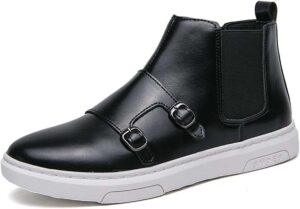
Men’s Orthopedic Black Chelsea Dress Boot

This black orthopedic Chelsea boot is aimed at men who need a formal look without giving up foot comfort. Its dress-shoe styling can suit weddings, business events, office settings, and other occasions that call for polished footwear. The pull-on format is useful when you want to avoid bending over to tie laces. It also offers a more refined alternative to a walking sneaker.
I would consider this model for people who need arch support during moderate standing and walking. It may help bridge the gap between a formal shoe and a comfort shoe, but no product can promise pain relief for every foot. Make sure the toe area does not taper too much, especially if you use an orthotic or have a heel spur. This pair is one of the Best Chelsea Boots for Plantar Fasciitis for formal events and work attire.
Pros:
- Black dress look suits formal and business outfits
- Orthopedic focus may improve all-day comfort
- Chelsea slip-on style makes dressing quick
- Useful for weddings, offices, and special events
- More polished than most athletic-style support shoes
- May work with a thin support insert
Cons:
- Formal shape may feel less roomy than a wide boot
- Not intended for wet trails or rough terrain
- People with very sensitive heels may need extra cushioning
How Plantar Fasciitis Changes Boot Choice
Plantar fasciitis affects the thick band of tissue that runs along the bottom of the foot. Pain often shows near the heel and may feel strongest with the first steps after rest. The American Academy of Orthopaedic Surgeons notes that supportive shoes, stretching, and other care may help manage symptoms. If pain lasts, worsens, or changes your walk, a podiatrist should guide your care.
A good boot does not need to feel like a pillow. Too much softness can allow the foot to sink and move without control. I prefer a mix of firm arch support, moderate cushioning, a stable heel, and a sole that bends near the toes rather than in the middle. These traits can reduce needless strain during normal walking, though they cannot replace medical advice.
What I Look For in the Best Chelsea Boots for Plantar Fasciitis
Arch support
The arch area should support your foot without creating a hard pressure point. Some people need a high arch insert, while others do better with a low or medium contour. A removable footbed is helpful because it lets you test your own orthotic. If the boot has no support, do not assume soft foam will solve the problem.
Heel stability
Your heel should stay in place as you walk. Excess heel lift can make the foot work harder and may cause rubbing. A Chelsea boot needs enough structure around the heel and ankle to feel secure, but it should not pinch the ankle bone. Walk on a firm floor and notice whether the heel slips with each step.
Toe room
Your toes need space to spread. A pointed toe may look smart, but it can squeeze the forefoot and change your stride. Shop later in the day, when feet may be a little larger. Check the fit with the socks you plan to wear most often.
Shock control
A cushioned heel can make hard floors feel less harsh. Look for foam, rubber, or another material that softens impact without feeling unstable. The right balance feels like a spring, not a marshmallow. Memory foam can help comfort, but it should work with a stable base.
Outsole traction
A slip can place sudden stress on the foot. A grippy outsole helps on wet sidewalks, smooth store floors, and loose ground. Rain boots should offer traction, but check the tread before using them on ice. No ordinary Chelsea boot replaces an ice-rated winter sole.
Flex and weight
A boot that is too stiff may tire the foot. A boot that bends everywhere may lack support. I look for controlled flex near the ball of the foot and a stable middle section. Lower weight also helps if you already walk with a guarded, painful step.
How to Get the Right Chelsea Boot Fit
Start by measuring both feet. Most people have a small difference between left and right, so fit the larger foot. Keep about a thumb’s width between your longest toe and the front of the boot. Your toes should not touch the top or sides when you stand.
Try the boot with your usual socks. Stand, walk, and climb a few steps if possible. The elastic panels should stretch without pressing hard on the instep. If you plan to use an orthotic, remove the original footbed first when the design allows it.
Do not rely on a painful “break-in” as proof of quality. Mild stiffness can fade, but sharp heel pain, numbness, or toe pressure is a warning. Wear a new pair at home for 20 to 30 minutes at first. Increase time only when your feet feel calm.
How I Compare Chelsea Boots for Heel Pain
I separate comfort from marketing words. A product may use terms such as orthopedic, diabetic, ergonomic, or plantar fasciitis, but those labels do not guarantee a medical result. I focus on features that a shopper can check: footbed shape, heel hold, width, sole grip, cushioning, and room for an insert.
I also consider the setting. A waterproof boot can be excellent in rain but too firm for long indoor walks. A dress boot can look sharp at a wedding but lack the room needed for a thick orthotic. The Best Chelsea Boots for Plantar Fasciitis should match your foot and your daily routine, not just your wardrobe.
Care Tips for More Comfortable Boot Wear
- Rotate boots when possible so the footbed can recover.
- Keep feet dry to reduce rubbing and blister risk.
- Replace worn insoles when they lose their shape.
- Use a shoehorn to protect the heel counter.
- Clean leather-style uppers with the proper product.
- Let wet boots dry at room temperature.
- Stretch only tight areas; never force a painful fit.
- Stop wearing a pair that causes lasting pain or numbness.
When to Ask a Professional
Footwear can support comfort, but it cannot diagnose the cause of heel pain. Ask a health professional if pain lasts more than a few weeks, limits normal activity, or keeps returning. You should also seek care for major swelling, numbness, weakness, or pain after an injury.
A podiatrist may check your gait, ankle movement, calf tightness, and foot shape. They may suggest stretches, physical therapy, an orthotic, or another treatment. I see the boot as one part of a larger plan. The best result usually comes from combining sound footwear with sensible care.
My Recommendation
For most women, I would start with the Dr. Scholl’s Northbound because it blends a comfort-focused brand, easy entry, a useful wide option, and an everyday look. The Cushionaire Britain is a good value pick for soft memory-foam comfort, while the wide orthopedic leather boot is better for shoppers who need extra room or an orthotic-friendly shape. For men, the brown orthopedic dress boot offers the most flexible business-casual style, and the black model fits formal events.
Choose the Planone pair when rain protection comes first. Choose the Dr. Martens Embury when rugged style and traction matter more than a soft break-in. In my view, the Best Chelsea Boots for Plantar Fasciitis are the ones that hold the heel, support the arch, and leave your toes free. Check current sizing, color, and availability before ordering.
| Best for | Why |
|---|---|
| Everyday women’s comfort | Dr. Scholl’s Northbound offers easy entry, a comfort-led design, and a wide option. |
| Wide feet or orthotics | The women’s orthopedic leather ankle boot gives more room for swelling, bunions, and inserts. |
| Men’s dress and work wear | The orthopedic brown or black Chelsea dress boots add support-minded features to a polished look. |
FAQs Of Best Chelsea Boots for Plantar Fasciitis
Are Chelsea boots good for plantar fasciitis?
They can be, if they have a stable heel, useful arch support, moderate cushioning, and enough toe room. A flat, hard, or narrow Chelsea boot may increase discomfort. Always judge the fit on your own feet.
Should I add an insert to a Chelsea boot?
You can add an insert when the boot has enough depth and a removable footbed. A thin plantar-fasciitis insert may improve support. Remove the original insole first if it creates crowding.
Are soft boots better for heel pain?
Not always. Soft cushioning can reduce impact, but the foot also needs stability. The best fit usually combines cushioning with firm support and a secure heel.
How should Chelsea boots fit?
Your heel should stay mostly in place, and your toes should not touch the front or sides. The elastic panels should hold the ankle without pinching. Try boots with your normal socks and any insert you plan to use.
Can I wear Chelsea boots all day with plantar fasciitis?
Only if they remain comfortable during shorter trials. Start with brief wear at home and increase time slowly. Change footwear if pain grows, and seek professional advice when symptoms continue.
Final Verdict: Which Should You Buy?
For most shoppers, the Dr. Scholl’s Northbound is the best overall choice. It offers easy wear, a useful wide fit, and comfort-focused styling. Men may prefer the brown orthopedic Chelsea dress boot for work and smart events.
The Best Chelsea Boots for Plantar Fasciitis should fit your foot, support your arch, and match your daily needs. Check fit first, then comfort, traction, and style.

Madison Clark is a footwear expert and the voice behind MyStyleGrid.com. She specializes in honest shoe reviews, style tips, and practical guides to help readers find the perfect pair for any occasion. With years of experience in blogging and content creation, Madison makes footwear knowledge simple, stylish, and easy to follow.