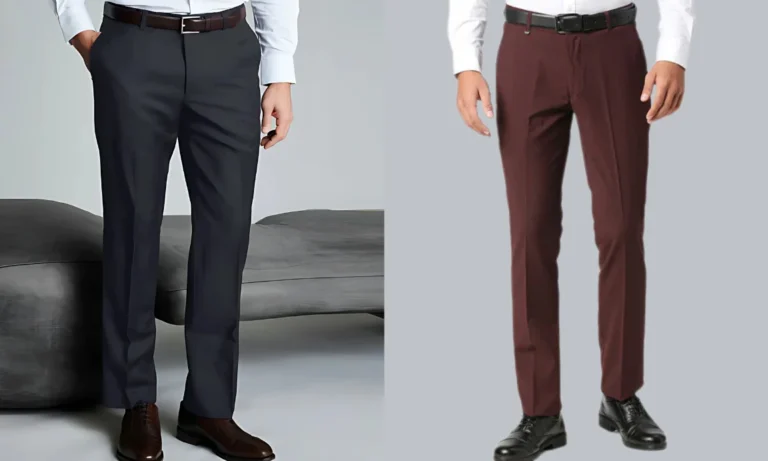
Dress pants are tailored trousers made from refined fabric for business, formal, or polished everyday outfits.
Knowing what are considered dress pants helps you dress correctly for work, weddings, interviews, dinners, and other events. The term covers more than black trousers. It includes several styles, fabrics, fits, and levels of formality. This guide explains the key features, shows what qualifies, and helps you avoid common styling mistakes.

What Are Considered Dress Pants?
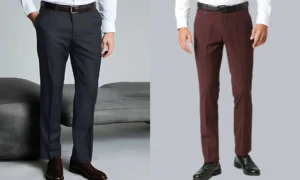
Dress pants are trousers designed to look neat, structured, and refined. They usually have a clean waistband, a smooth front, and a more tailored shape than casual pants. Most dress pants are made for business settings, formal events, or smart-casual outfits.
The best way to understand what are considered dress pants is to look at their overall design. A pair does not need to be black or made from wool. Its fabric, cut, finish, and intended use all matter.
Common examples include:
• Wool trousers worn with a dress shirt and blazer
• Suit trousers worn as part of a matching suit
• Flat-front trousers for business casual outfits
• Pleated trousers with a more traditional shape
• Refined cotton or wool-blend trousers
• Some dress chinos in formal colors and clean cuts
Dress pants are not defined by one single rule. A navy pair of tailored trousers may be more appropriate for work than a shiny black pair with a loose fit. The design must match the setting.

Key Features of Dress Pants
Several details separate dress pants from jeans, sweatpants, cargo pants, and other casual styles. No single feature decides the matter. Instead, dress pants combine several polished elements.
Refined fabric
Traditional dress pants often use:
• Wool
• Worsted wool
• Wool blends
• Polyester blends
• Cotton twill
• Linen blends
• High-quality synthetic performance fabrics
Wool remains popular because it drapes well, resists wrinkles, and works in many seasons. Lightweight wool suits warm offices, while flannel or heavier wool works well in cold weather.
Cotton trousers can also count as dress pants when they have a smooth finish and tailored cut. However, heavily washed cotton, cargo pockets, and rugged texture usually make pants look more casual.
Tailored shape
Dress pants should follow the body without clinging. The seat should lie flat, and the legs should fall smoothly from the hip to the ankle.
A good fit usually includes:
• A waistband that sits comfortably without squeezing
• Enough room to move and sit
• A flat front with no strong pulling lines
• A straight, tapered, or classic leg
• A clean break near the shoe
Very loose pants can look careless. Very tight pants can look uncomfortable and may create wrinkles around the hips and pockets.
Clean construction
Dress pants often have features that create a neat outline:
• A zipper fly with a button or hook closure
• Belt loops or side adjusters
• Slanted front pockets
• Welted or buttoned back pockets
• A pressed crease
• A smooth waistband
Some formal trousers use side adjusters instead of belt loops. These create a cleaner look, especially with a tucked-in shirt or suit jacket.

Types of Pants That Count as Dress Pants
The answer to what are considered dress pants depends partly on the type of trousers. Some styles are formal by design. Others become dressy through fabric, color, and fit.
Suit trousers
Suit trousers are made to match a suit jacket. They usually use the same fabric, color, and pattern as the jacket.
You can sometimes wear suit trousers without the matching jacket. This works best when the trousers are in good condition and the outfit includes a polished shirt, sweater, or sport coat.
Be careful with older suit trousers. If the jacket has faded differently after cleaning or sunlight, the pieces may no longer look like a set.
Wool dress trousers
Wool dress trousers are a classic choice for offices, ceremonies, and formal dinners. They usually have a smooth finish and a natural drape.
Dark navy, charcoal, medium gray, and black are the most useful colors. Brown, olive, and tan can work well for less formal settings.
Flat-front trousers
Flat-front trousers have no fabric folds across the front. They create a clean and modern shape.
They work well for:
• Job interviews
• Office outfits
• Business dinners
• Church services
• Graduations
Flat-front pants often suit slim and average body types. The best fit still depends on comfort and proportion, not on fashion alone.
Pleated trousers
Pleated trousers have folds at the waist. They offer more room through the hips and thighs.
Pleats can look elegant when the pants are well fitted. They can also look dated when the trousers are too wide or poorly pressed. A single pleat often gives a balanced, modern look.
Dress chinos
Dress chinos can count as dress pants when they have a smooth finish, a sharp crease, and a tailored cut. Navy, charcoal, stone, and dark khaki are useful choices.
Not every pair of chinos looks formal enough. Heavy fabric, contrast stitching, large pockets, and a relaxed fit make them casual.
Linen and linen-blend trousers
Linen trousers can be dressy, especially for summer weddings, outdoor events, and warm climates. Their natural wrinkles are part of the fabric’s character.
Linen blends often look more polished because they crease less. Pair them with a tucked shirt, loafers, or a lightweight blazer.

Dress Pants vs. Other Types of Pants
Many shoppers confuse dress pants with slacks, trousers, khakis, and suit pants. These words overlap, but they are not always identical.
Dress pants vs. slacks
In the United States, “slacks” is a broad term for non-denim trousers. Many slacks are dress pants, but some are casual.
A pair of soft, loose cotton slacks may be too casual for a formal office. A pair of tailored wool slacks usually qualifies as dress pants.
Dress pants vs. suit pants
Suit pants are designed to match a suit jacket. Dress pants are a wider category and may be sold separately.
All suit pants are dressy. Not all dress pants belong to a suit.
Dress pants vs. khakis
Khakis are usually cotton trousers in tan or similar colors. A sharp, tailored pair may work for business casual.
Traditional khakis often have a more casual look than wool dress pants. The difference comes from fabric weight, finish, pocket design, and fit.
Dress pants vs. chinos
Chinos are cotton trousers with a cleaner, lighter design than many khakis. Dark, tailored chinos can look polished.
Still, chinos usually rank below wool trousers in formality. They are better for business casual than for black-tie or formal business events.
Dress pants vs. jeans
Jeans are made from denim. Even dark jeans are usually less formal than dress pants.
Some workplaces allow dark, plain jeans. That does not make them dress pants. They remain casual trousers with a cleaner appearance.

What Colors Are Considered Dress Pants?
Color strongly affects how formal pants appear. Neutral shades offer the most flexibility.
The most reliable colors include:
• Black for formal events and serious business settings
• Charcoal gray for offices, interviews, and evening wear
• Navy for business and smart-casual outfits
• Medium gray for year-round use
• Dark brown for relaxed professional outfits
• Tan or stone for warm-weather business casual
• Olive for modern, less formal outfits
Patterns can also work. Pinstripes, windowpane checks, and subtle plaids are common in dress trousers.
Large checks, bright colors, bold prints, and shiny finishes need more care. They may look stylish, but they are less versatile and may not suit conservative workplaces.

How Should Dress Pants Fit?
Fit is often more important than brand or price. Expensive pants can look poor when the waist, rise, or length is wrong.
Waist
The waistband should sit comfortably without requiring a tight belt. You should be able to place one or two fingers between your body and the waistband.
If the waistband gaps at the back, the pants may need tailoring. If it cuts into your stomach, choose a larger size or a different rise.
Seat and thighs
The back of the pants should lie smoothly. Excess fabric can create a baggy appearance, while tight fabric may pull across the seat.
You need enough room to sit, walk, and climb stairs. Comfort is part of a polished appearance.
Rise
The rise is the distance from the crotch to the top of the waistband. A higher rise can create a classic look and provide more coverage. A lower rise often looks more modern but may feel less comfortable when sitting.
Leg width
Straight and tapered legs are both common. The right choice depends on your build and the rest of the outfit.
The pants should not cling to the calves. They should also avoid excessive fabric around the ankles.
Length and break
The “break” is the small fold where the pant leg meets the shoe.
Common options include:
• No break for a sharp, modern look
• Slight break for a versatile business style
• Full break for a traditional appearance
A tailor can adjust the length quickly. This small change often improves the entire outfit.
In practical clothing fittings, one common mistake stands out: people focus on the waist and ignore the length. A simple hem can make an affordable pair look far better than an expensive pair that bunches at the shoe.
When Should You Wear Dress Pants?
Dress pants work in many situations, but the right style depends on the dress code.
Business professional
Choose wool trousers or suit pants in navy, charcoal, or black. Wear them with a dress shirt, leather shoes, and a blazer or matching suit jacket.
Business casual
You have more flexibility. Dress chinos, gray trousers, and dark wool pants can all work.
A button-down shirt, knit polo, cardigan, or sport coat may complete the outfit. Ties are often optional unless the workplace requires them.
Weddings and celebrations
The invitation should guide your choice. A formal wedding may call for a suit. A daytime or outdoor event may allow dress pants with a blazer.
Avoid wearing white or very light pants unless the event clearly supports that style.
Interviews
When you do not know the company’s dress code, choose conservative trousers. Navy, charcoal, or medium gray are safe options.
A clean, well-fitted outfit shows care without distracting from the conversation.
Funerals and serious events
Dark dress pants are usually appropriate. Black, charcoal, and dark navy work best with a simple dress shirt and polished shoes.
How to Style Dress Pants
A few basic choices can make dress pants look sharp without making the outfit feel stiff.
Choose the right shirt
Good options include:
• A white or blue dress shirt
• A light Oxford shirt
• A knit polo for business casual
• A fine-gauge sweater
• A turtleneck for a modern evening outfit
The shirt should complement the pants in color and formality. A crisp shirt with casual pants can create an uneven look.
Match your shoes
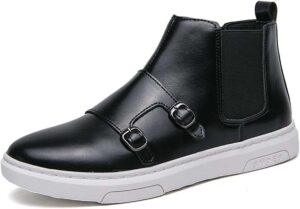
Leather loafers, oxfords, derbies, and dress boots pair well with dress pants.
Brown shoes work with navy, tan, olive, and many gray trousers. Black shoes look especially good with black, charcoal, and darker gray pants.
Your belt should usually match the color and finish of your shoes. This is not an absolute rule, but it remains a useful starting point.
Add a jacket
A blazer or sport coat can make separate dress pants look more complete. The jacket should contrast with the pants rather than appear like a nearly matching but slightly different suit.
For example, a navy blazer with gray trousers is a classic combination. A textured brown sport coat can work with navy or tan trousers.
Use accessories with care
A simple watch, leather belt, and clean pocket square can add polish. Too many accessories can make a simple outfit feel busy.
Common Mistakes to Avoid
Understanding what are considered dress pants also means knowing what can weaken a polished look.
Avoid these common errors:
• Wearing pants that are too long
• Choosing a very tight waist for a slim appearance
• Pairing formal wool pants with worn athletic shoes
• Wearing faded or wrinkled trousers to a formal event
• Using a casual belt with formal pants
• Ignoring the event’s dress code
• Treating dark jeans as a replacement for dress pants
• Leaving pockets full, which distorts the shape
Care also matters. Check the care label before washing or pressing trousers. Many wool pants need professional cleaning, while some washable blends can be cared for at home.
A hot iron can damage certain synthetic fibers. Use the correct heat setting, and place a cloth between the iron and delicate fabric when needed.
How to Build a Useful Dress Pants Wardrobe
You do not need many pairs to cover most situations. A small group of versatile trousers can support work, travel, and special events.
Start with:
-
A pair of charcoal gray wool trousers
-
A pair of navy trousers
-
A pair of medium gray or dark brown trousers
-
A pair of tailored chinos for business casual settings
-
A pair of black trousers if your work or events require them
Choose fabrics based on your climate. Lightweight wool and linen blends suit warm weather. Flannel, wool blends, and heavier cotton work better in cold conditions.
Before buying, check the waistband, pocket shape, rise, hem, and fabric. Try sitting down and walking a few steps. Pants should look good while you stand and remain comfortable when life happens.
What Are Considered Dress Pants? Frequently Asked Questions
Are khakis considered dress pants?
Some khakis can count as dress pants when they have a tailored cut, smooth fabric, and simple design. Most khakis are better described as business-casual trousers rather than formal dress pants.
Can black jeans be considered dress pants?
Black jeans are usually not considered dress pants because denim remains a casual fabric. They may be acceptable in a relaxed workplace, but they are not a substitute for wool or tailored trousers at formal events.
Are chinos considered dress pants?
Tailored chinos can function like dress pants in business-casual settings. Their cotton fabric usually makes them less formal than wool trousers, suit pants, or refined dress slacks.
Should dress pants have a crease?
A crease is common and often makes trousers look more polished. However, some flat-front dress pants are designed without a strong crease, so its presence is not required.
Can you wear dress pants without a suit jacket?
Yes. Separate dress pants can be worn with a dress shirt, sweater, cardigan, or contrasting blazer. Suit pants may also work alone, but differences in fading can make the outfit look mismatched.
What shoes should you wear with dress pants?
Oxfords, derbies, loafers, monk straps, and polished dress boots are common choices. The shoe color should coordinate with the pants and the formality of the event.
Are pleated pants still considered dress pants?
Yes. Pleated pants are considered dress pants when they use refined fabric and have a neat, well-proportioned fit. Pleats offer extra room and can create a classic appearance.
Conclusion
Dress pants are tailored trousers made for polished outfits, from business meetings to weddings and dinners. Wool trousers, suit pants, refined slacks, and some tailored chinos can all fit the category, depending on their fabric, cut, color, and setting.
The most reliable choices are charcoal, navy, gray, and black trousers with a comfortable waist, clean lines, and the right hem length. Start with one versatile pair, have it tailored if needed, and build from there. Explore your wardrobe, check the dress code, and choose pants that help you feel prepared for the occasion.

Madison Clark is a footwear expert and the voice behind MyStyleGrid.com. She specializes in honest shoe reviews, style tips, and practical guides to help readers find the perfect pair for any occasion. With years of experience in blogging and content creation, Madison makes footwear knowledge simple, stylish, and easy to follow.