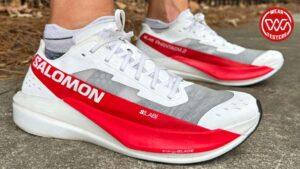
Yes, Salomon shoes can be excellent for running when you match them to terrain and foot needs.
The answer depends on where you run, how your feet move, and what you want from a shoe. Salomon is best known for trail footwear, but its running range now includes shoes for roads, mixed paths, long runs, and fast mountain races. This guide explains the fit, grip, cushioning, durability, and limits of Salomon running shoes so you can choose with confidence.
Are Salomon shoes good for running?
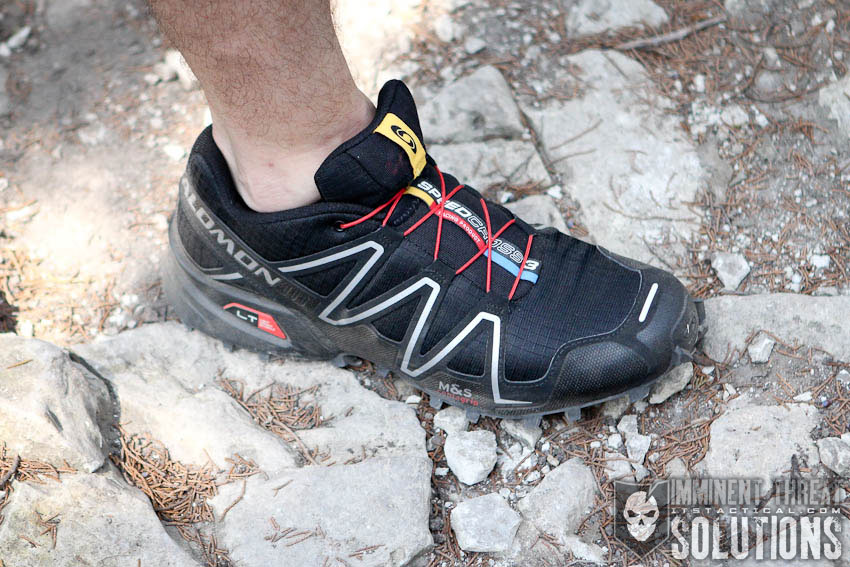
Yes, Salomon shoes are good for running, especially on trails, gravel paths, and uneven ground. Many models offer strong grip, stable platforms, protective uppers, and secure heel holds.
The brand uses different designs for different jobs. A trail shoe may have deep rubber lugs and a firm midsole. A road shoe usually has softer foam, a smoother outsole, and a lighter feel.
To decide whether Salomon shoes are good for running, look beyond the logo. The best shoe is the one that fits your foot, matches your route, and feels comfortable during your normal runs.
Research on running footwear also supports this practical view. There is no single shoe that prevents every injury or improves every runner’s speed. Comfort, fit, training load, and gradual progress matter more than brand name alone.
Why runners choose Salomon shoes
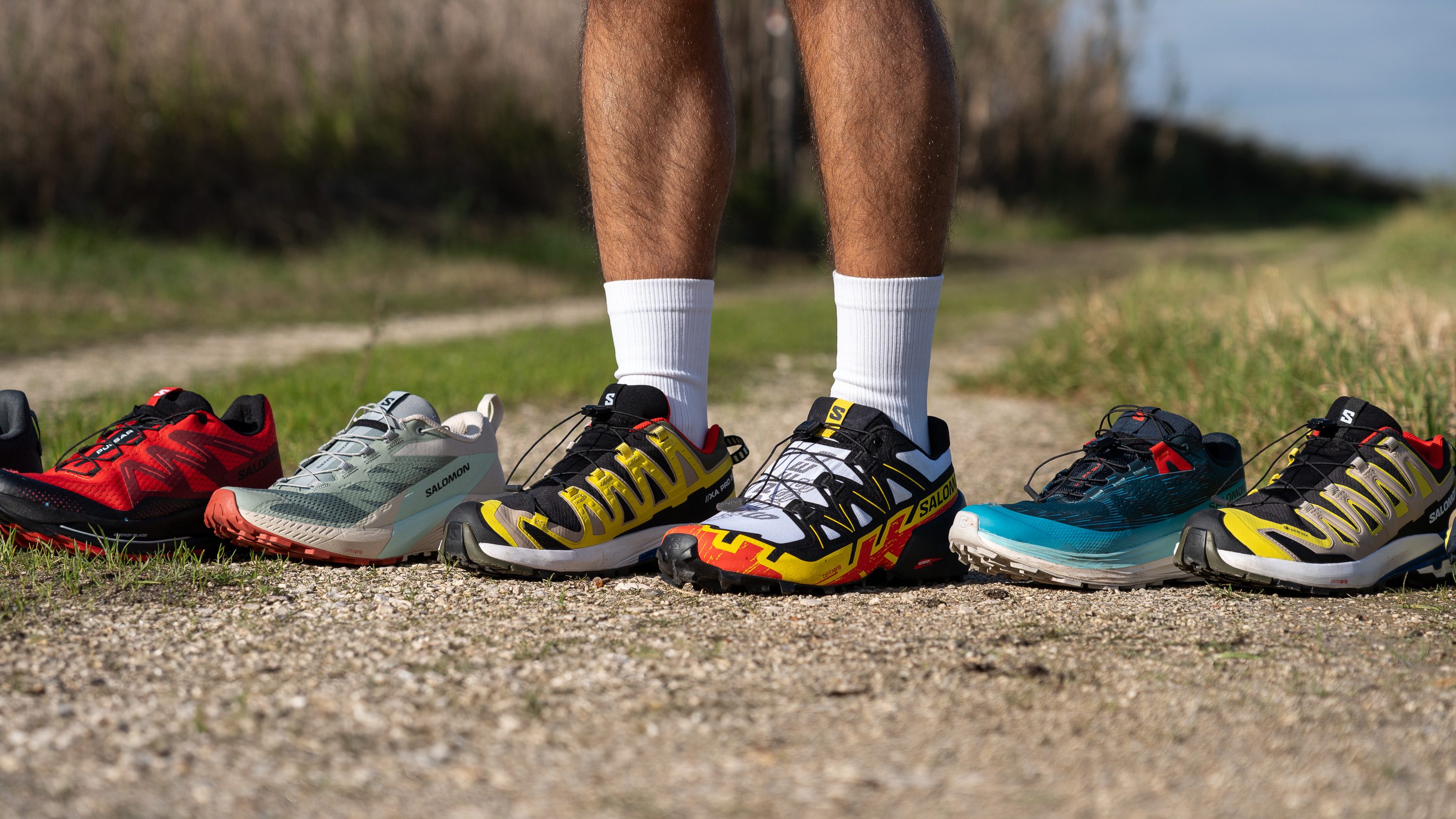
Salomon running shoes have several features that make them popular with trail runners and outdoor athletes.
Strong traction
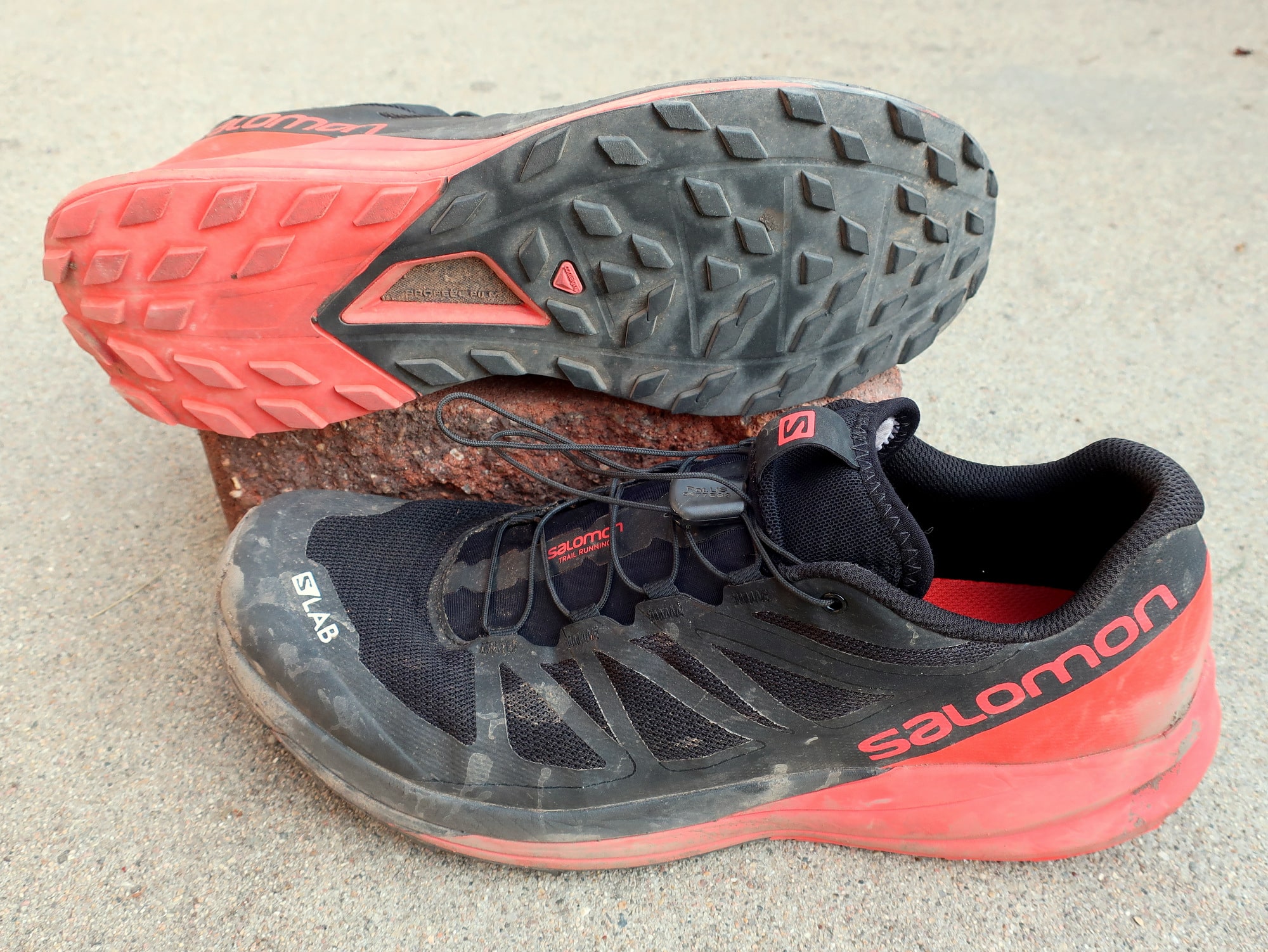
Grip is one of Salomon’s biggest strengths. Many trail models use Contagrip rubber with lug patterns designed for dirt, mud, rock, or loose ground.
Deep lugs can help your foot stay planted on steep climbs and wet paths. They act like small claws that bite into the trail. However, deep lugs may feel rough and less smooth on pavement.
Secure fit
Many Salomon shoes use a close, locked-in fit. Some models include the brand’s quick-lace system, which lets you tighten the shoe with one pull.
This design can reduce heel movement on descents. It may also help runners who dislike loose laces. The tradeoff is that a snug upper can feel tight if you have wide feet or high-volume toes.
Trail protection
A trail shoe must handle roots, stones, and sharp edges. Salomon often adds toe guards, durable mesh, and protective overlays to its trail models.
That protection can make a major difference on rocky routes. It may also add weight, though many modern Salomon shoes balance protection with a fairly light build.
Stable ride
A broad base and firm sidewalls can help you feel steady on uneven ground. Salomon trail shoes often feel planted rather than soft and loose.
This does not mean every model controls motion or “fixes” pronation. Stability should come from a good fit and a balanced platform, not from excessive correction.
Durable construction
Trail shoes face more abuse than most road shoes. Rocks, dust, water, and rough surfaces can wear down a weak upper quickly.
Salomon models often use tough materials that handle outdoor use well. Durability still depends on mileage, runner weight, weather, and the surface underfoot.

Are Salomon shoes good for running on roads?
Some Salomon shoes are good for road running, but many trail models are not ideal for regular pavement. Their deep lugs can create a firm, noisy ride and may wear faster on asphalt.
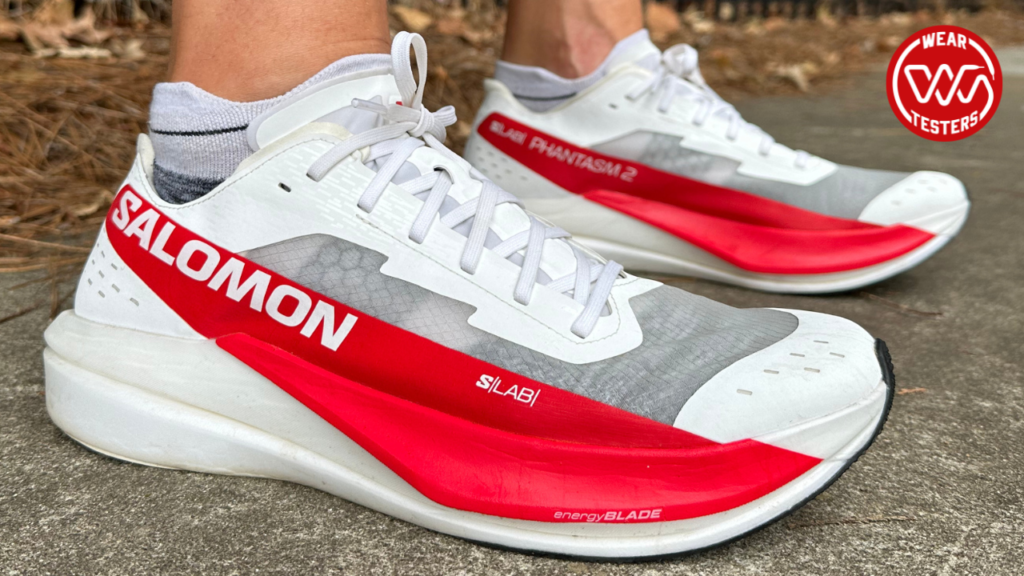
Road runners should look for a smooth outsole, flexible forefoot, and midsole foam designed for repeated hard-surface impact. Salomon’s road-focused models are usually a better choice than shoes built for mud or technical trails.
A trail-to-road model can work well if your route changes from sidewalks to gravel. It gives you more grip than a pure road shoe without feeling as aggressive as a heavy mountain shoe.
For daily road miles, check these features:
- Smooth or moderately textured outsole
- Comfortable cushioning for your usual distance
- Flexible forefoot
- Breathable upper
- Enough room for natural toe movement
- Weight that feels comfortable at your normal pace
Are Salomon shoes good for running on roads? They can be, but the model matters more than the brand. A road shoe and a mud shoe may carry the same logo while feeling completely different.
Are Salomon shoes good for trail running?
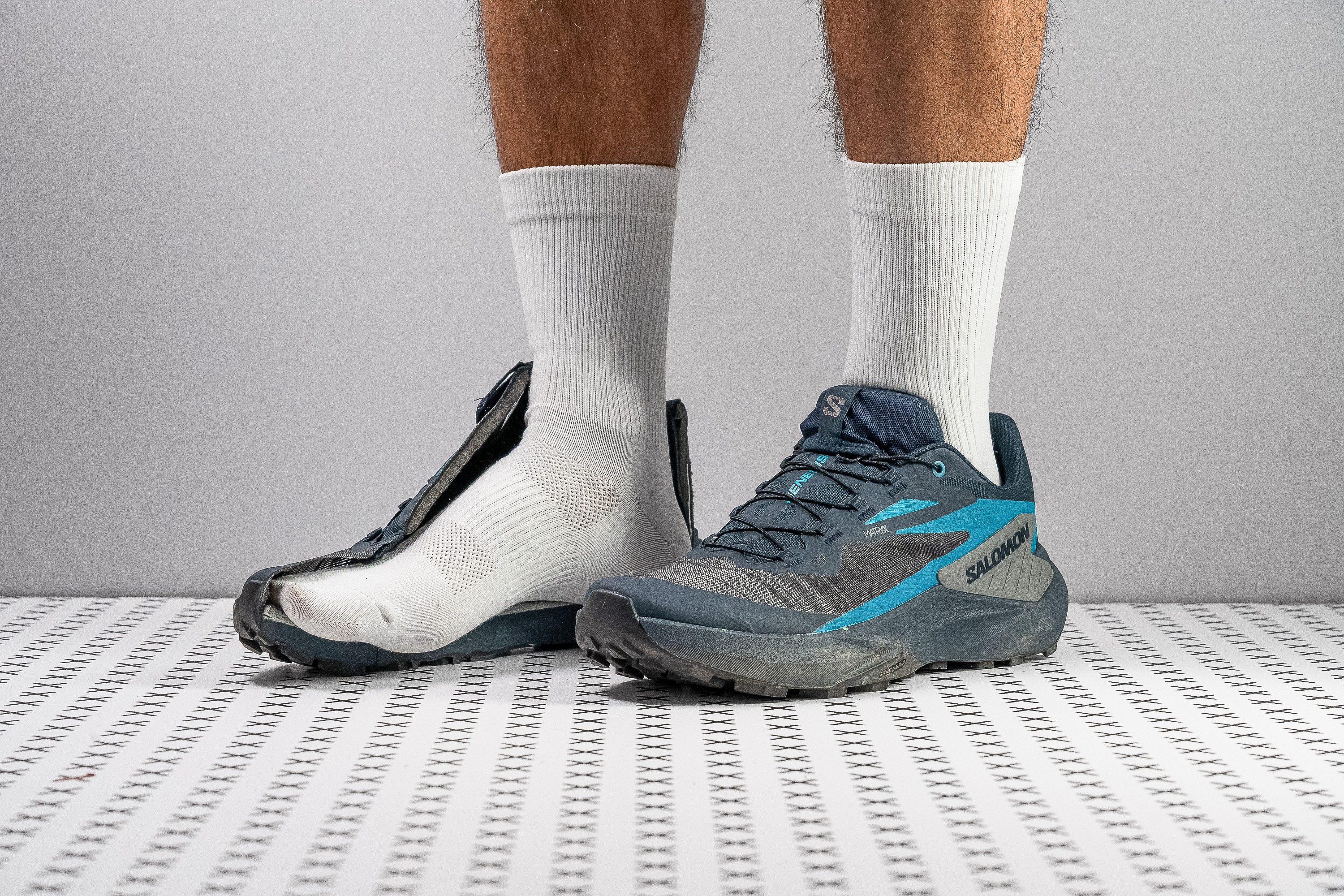
Salomon shoes are often especially good for trail running. Their trail designs tend to focus on traction, foot security, and protection.
A beginner on packed dirt may prefer a shoe with moderate lugs and balanced cushioning. A runner on wet, steep, or rocky trails may need deeper lugs, a stronger toe cap, and a more stable platform.
Consider the surface before you buy:
- Packed dirt: Choose moderate lugs and flexible cushioning.
- Gravel: Look for a stable base and durable outsole.
- Mud: Choose deep, spaced lugs that can shed mud.
- Wet rock: Seek sticky rubber and careful foot placement.
- Rocky mountain trails: Choose protection, secure fit, and strong traction.
- Mixed road and trail: Pick a hybrid model with smoother lugs.
No outsole works perfectly on every surface. Even the best rubber can slip on smooth wet rock if you move too fast or land at a poor angle.
Main limitations of Salomon running shoes
A good shoe still has weaknesses. Knowing them helps you avoid an expensive mistake.
They may feel narrow
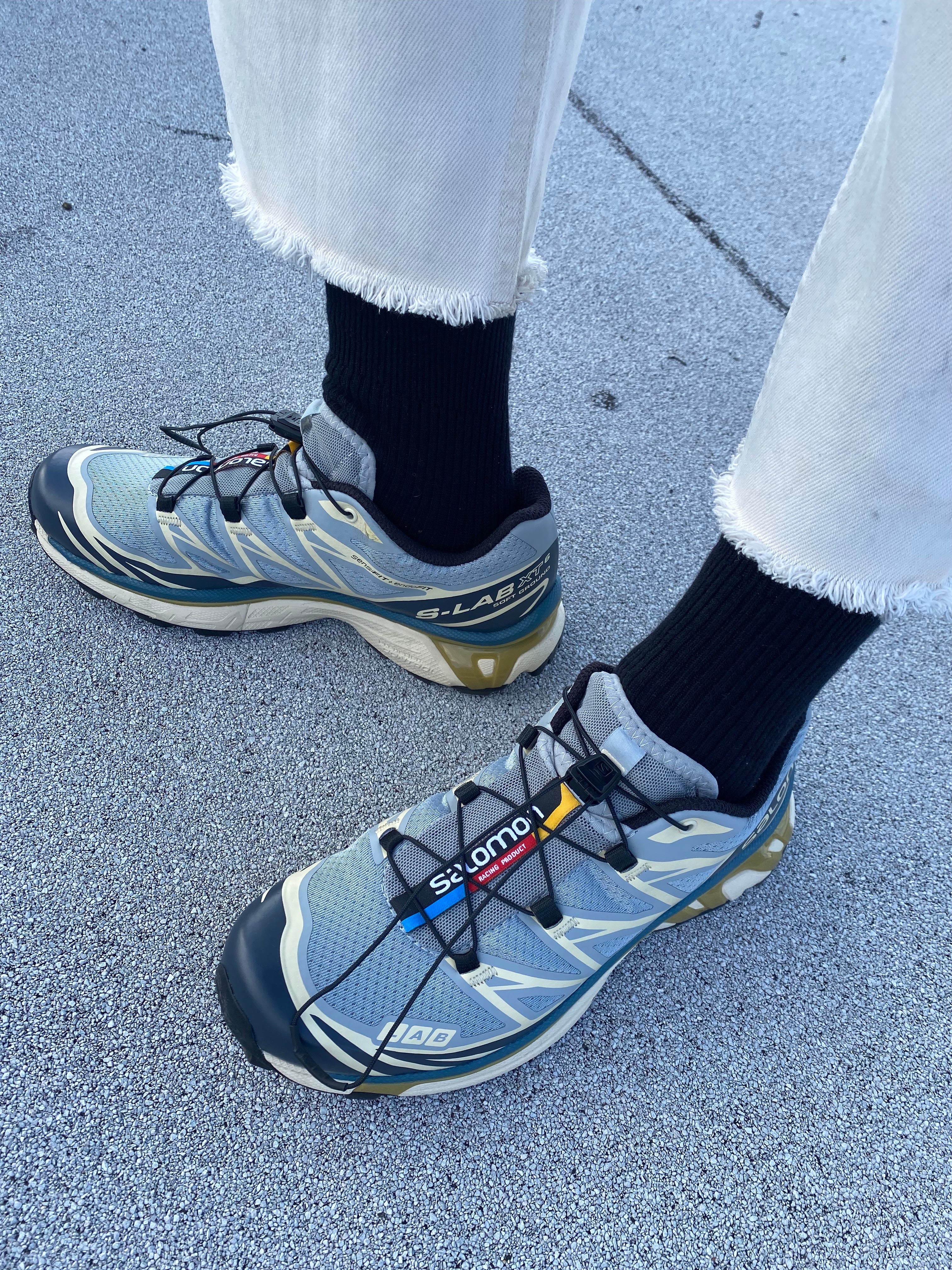
Many Salomon shoes have a snug, performance-style fit. This can feel precise on trails, but some runners may find the toe box too narrow.
Your toes should not press against each other. You also need space in front of the longest toe, especially when running downhill. Feet often swell during long runs, so test shoes later in the day when possible.
Some models feel firm
Runners who prefer soft, plush cushioning may find certain Salomon shoes too firm. A firm midsole can improve ground feel and control, but it does not suit everyone.
Comfort is personal. A shoe that feels quick and stable to one runner may feel harsh to another.
Trail lugs can feel awkward on pavement
Deep lugs help on dirt but can feel stiff on sidewalks. They may also wear down faster when used mainly on asphalt.
If most of your miles are on roads, buy a road model. Save aggressive trail shoes for the terrain they were built to handle.
Waterproof versions may run warm
Waterproof membranes can keep rain and puddles out. They can also reduce airflow and trap heat.
For hot weather, a breathable mesh shoe may feel better. For cold, wet trails, waterproofing can be worth the extra warmth.
Fit can change by model
Do not assume every Salomon shoe fits the same way. Shape, width, cushioning, heel hold, and upper materials can vary across models.
Try the exact shoe you plan to buy. A brand-wide reputation is not a substitute for a real fit check.
How to choose the right Salomon running shoe
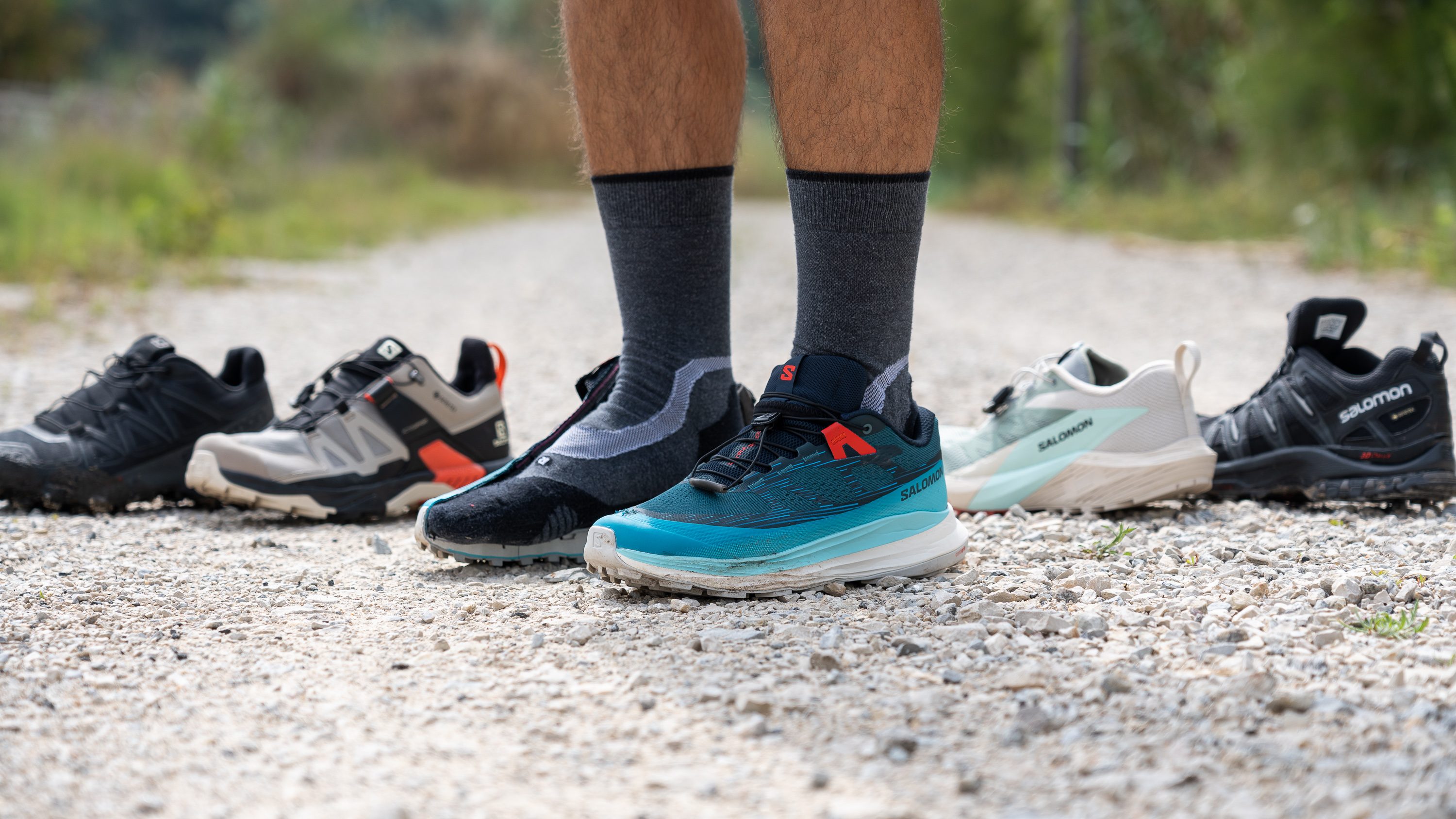
Choosing the right pair is easier when you follow a simple process.
1. Match the shoe to your surface
Start with your route. A road shoe, trail shoe, and hybrid shoe serve different needs.
If you run mostly on sidewalks, choose smooth rubber and road cushioning. If you run on rocky paths, prioritize lugs, protection, and stability.
2. Match cushioning to your comfort
More cushioning is not always better. Some runners like a soft, rolling feel. Others prefer a firmer platform that gives better ground feedback.
Think about your current shoes. Do they feel hard, flat, unstable, or too soft? Use that answer to guide your next choice.
3. Check length and width
Leave about a thumb’s width between your longest toe and the front of the shoe. Your heel should stay secure without painful pressure.
Walk, jog, and bend your toes in the shoe. If you feel rubbing in the store, the problem will likely get worse on a long run.
4. Test the lacing
Tie the shoe as you would before a run. The heel should not lift much when you walk uphill or downhill.
Do not pull the laces so tight that your feet feel numb. A secure fit should feel supportive, not restrictive.
5. Consider weather
Choose breathable mesh for hot conditions. Consider a water-resistant or waterproof upper for cold rain, snow, or wet grass.
Remember that waterproof shoes do not stop water from entering over the collar. They also cannot keep your feet dry if water flows in from above.
6. Use the shoe gradually
Wear new shoes for short walks first. Then try a short, easy run before using them for a long race or hard workout.
A gradual break-in period helps you find hot spots early. It also gives your legs time to adjust to a new heel-to-toe drop, firmness, or stack height.
Salomon shoes for different types of runners
The best Salomon shoes for running depend on your goals and experience.
Beginners
Beginners often benefit from comfort, predictable cushioning, and a forgiving fit. A moderate trail shoe is usually easier to manage than an aggressive model with stiff protection and deep lugs.
Start with short runs. Pay attention to heel movement, toe pressure, and any hot spots.
Long-distance runners
Long runs place more stress on your feet. Look for cushioning that stays comfortable after an hour or more, plus enough room for foot swelling.
A secure upper is useful on trails, but it should not squeeze the forefoot. Test the shoe on a long training run before race day.
Fast trail runners
Racers may prefer a light shoe with strong grip and a responsive midsole. This setup can feel quick on climbs and turns.
The tradeoff is less protection or comfort than a heavier ultra-distance shoe. Speed-focused shoes demand more care with fit and terrain.
Hikers who also run
A hybrid trail shoe can work well for people who walk, hike, and jog on the same route. It offers more grip and protection than a road trainer.
For serious hiking with a heavy pack, a dedicated hiking shoe may provide better support and durability.
Runners with wide feet
Some Salomon models may not suit wide feet. Look for available wide versions or compare the shoe with brands known for broader toe boxes.
Never size up just to gain width if the extra length causes your heel to slide. A wider shape is usually safer than a very long shoe.
How long do Salomon running shoes last?
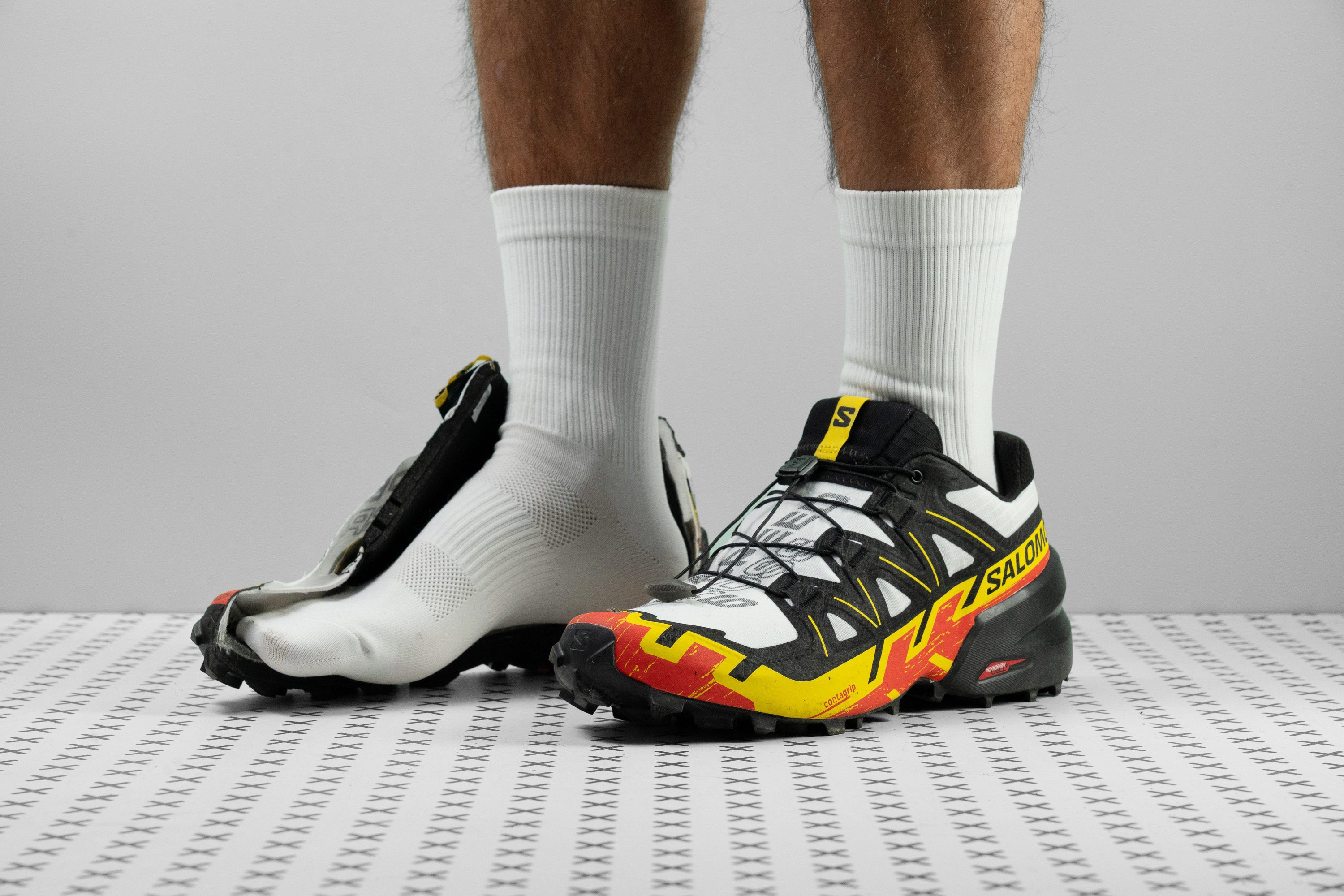
Many running shoes last about 300 to 500 miles, but that range is only a guide. Trail use, body weight, running form, weather, and outsole wear can change the result.
Replace your Salomon shoes when the cushioning feels flat, the tread is worn, or the upper no longer holds your foot securely. Pain that appears only in an old pair can also signal that the shoe has reached the end of its useful life.
Track mileage if you can. Also inspect the shoes every few weeks:
- Look for smooth or missing lugs.
- Check for compressed foam.
- Inspect the heel counter for collapse.
- Look for tears near the toe or flex points.
- Compare the left and right shoes for uneven wear.
Do not wait for a hole before replacing running shoes. The midsole may lose its useful response before the upper looks damaged.
Common mistakes to avoid
The most common mistake is buying a shoe based only on appearance. A stylish shoe that pinches your toes will not become comfortable after a few long runs.
Another mistake is using a technical trail shoe for every surface. Deep lugs can make pavement runs less comfortable and may wear down quickly.
Avoid these errors:
- Buying the wrong shoe for your main terrain
- Ignoring toe pressure
- Choosing size based only on casual shoes
- Running a race in brand-new footwear
- Tightening laces until your feet go numb
- Assuming waterproof shoes are best in every season
- Changing shoes while sharply increasing weekly mileage
In hands-on shoe testing, one lesson appears again and again: small fit problems become large problems when distance increases. A shoe should feel natural during an easy test run, not merely impressive in a shop.
Are Salomon shoes good for running? A practical verdict
Are Salomon shoes good for running? They are a strong choice for trail runners, outdoor athletes, and anyone who wants reliable grip and a secure fit.
They are less universally suitable for road runners who want a soft, wide, highly flexible shoe. Some models may also feel firm, narrow, or overly aggressive for easy pavement miles.
Use this quick decision guide:
- Choose Salomon if you run on trails or mixed surfaces.
- Choose Salomon if grip and foot security matter most.
- Consider another model if you need a very wide toe box.
- Choose a road-focused Salomon shoe for pavement.
- Avoid aggressive trail lugs if you rarely leave the road.
- Test the exact model before committing to long runs.
Frequently Asked Questions
Are Salomon shoes good for running every day?
Some Salomon road and trail models can work for daily running if they fit well and match your surface. Rotate shoes when possible, especially if one pair is designed for rough trails rather than pavement.
Are Salomon shoes good for beginner runners?
Yes, beginners can use Salomon shoes, especially on dirt paths and easy trails. Choose a comfortable model with moderate cushioning and avoid buying an aggressive shoe before you know what fit and ride you prefer.
Are Salomon shoes good for running on concrete?
Road-focused Salomon shoes can work well on concrete. Trail models with deep lugs may feel stiff and wear faster, so check the outsole and intended use before buying.
Are Salomon shoes good for wide feet?
It depends on the model and whether a wide version is available. Many runners with wide feet should try the shoe in person and check that their toes can spread without pressure.
Are Salomon shoes good for running in rain?
Many Salomon shoes provide strong grip on wet trails, but traction varies by rubber and surface. Waterproof models help keep rain out, while breathable models may dry and vent better in warm weather.
How should Salomon running shoes fit?
Your heel should feel secure, while your toes should have room to move. Leave roughly a thumb’s width in front of your longest toe and check the fit with the socks you normally run in.
Conclusion
Salomon shoes can be very good for running when the model matches your route, foot shape, and comfort needs. Their key strengths include trail grip, secure fit, protection, and durable construction.
Their main limits are equally clear: some models feel firm, narrow, warm, or awkward on pavement. Try the exact pair, run in it gradually, and choose based on real terrain rather than marketing or appearance.
Are Salomon shoes good for running for you? Start by checking your main surface and preferred fit, then test a suitable model on a short run. Explore more running shoe guides, share your experience, and make your next pair a thoughtful choice.

Madison Clark is a footwear expert and the voice behind MyStyleGrid.com. She specializes in honest shoe reviews, style tips, and practical guides to help readers find the perfect pair for any occasion. With years of experience in blogging and content creation, Madison makes footwear knowledge simple, stylish, and easy to follow.