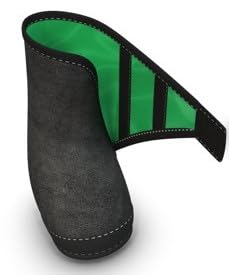
The best dog boot for injured paw care should shield wounds, grip floors, and stay secure without rubbing.
A torn pad, cut nail, or sore paw can turn a short potty trip into a stressful event. Dogs often lick the area, drag a bandage, or slip on smooth floors. A good recovery boot acts like a small shield between the paw and dirt, moisture, and sharp ground. I reviewed these dog paw boots with fit, grip, comfort, wound coverage, and daily use in mind. Always follow your veterinarian’s care plan, especially after surgery or when the paw shows swelling, heat, pus, or severe pain.
Dog Paw Wound Recovery Boot, Small

This small dog paw wound recovery boot is made for dogs that need a light layer of protection over an injured foot. The breathable bootie design may help reduce contact with dust, grass, and rough pavement during brief outdoor trips. Its anti-slip sole is useful when a dog needs to walk across tile, wood, or concrete. The self-adhesive strap also gives the boot a simple way to adjust around the leg.
I like this style for small dogs because bulky boots can change their step and make them resist walking. The boot can also help block casual licking when a cone is not enough for supervised rest. It is best used on a clean, dry paw and during controlled activity. Check the skin often, since even a well-designed boot should not stay tight or wet for long periods.
Pros:
- Small size suits many petite dogs
- Breathable bootie design helps reduce trapped heat
- Anti-slip sole supports steadier steps
- Self-adhesive strap allows quick adjustment
- Helps cover a sore paw during outdoor walks
- May discourage light licking under supervision
Cons:
- Correct measuring is important for a safe fit
- Not a substitute for veterinary wound care
- Very active dogs may still try to remove it
Dog Recovery Boot for Injured Paws

This recovery boot focuses on two needs that matter after a paw injury: coverage and traction. The breathable dog shoe design creates a barrier over the paw while the non-slip sole helps the dog feel more stable. That combination can be helpful for short walks and indoor movement. It may also keep a healing area away from wet grass and dirty sidewalks.
I would consider this boot for a dog that needs a basic recovery shoe without a complicated setup. It can make a useful second layer when a wrap needs protection outside the home. The fit should feel secure but never squeeze the toes or lower leg. Introduce it for a few minutes at first, then inspect for redness, rubbing, or damp fur.
Pros:
- Non-slip sole helps improve floor contact
- Breathable material may improve comfort
- Useful for short outdoor recovery walks
- Simple shoe shape is easy to understand
- Protects the injured paw from some surface debris
- Can work as a cover over suitable bandaging
Cons:
- May need extra supervision during first use
- Fit can vary with paw shape and leg size
- Should not replace a prescribed bandage or cone
DOK TigerToes Non-Slip Dog Socks, Large

DOK TigerToes socks take a different approach from a waterproof recovery boot. They use extra-thick grip material to help dogs walk on hardwood and other smooth floors. The grip is designed to remain useful even when the sock twists, which addresses a common problem with ordinary pet socks. This makes the pair especially interesting for dogs with weak footing or a healing paw that needs indoor protection.
I see these as indoor paw socks rather than full outdoor medical boots. They may help reduce licking and protect the paw from light contact with the floor, but they do not provide the same barrier as a sturdy sole. Large dogs often need a careful fit because a loose sock can slide down. Keep the floor dry, remove the sock for checks, and replace it if the fabric becomes wet or worn.
Pros:
- Extra-thick grip supports traction on hardwood
- Large size may suit bigger dogs
- Twist-resistant grip design offers added convenience
- May help reduce slipping around the home
- Can discourage licking during supervised indoor time
- Soft sock format may feel less bulky than a boot
Cons:
- Less suitable for mud, rain, or rough trails
- Large paws still require careful measuring
- Moisture inside the sock can irritate healing skin
Dog Recovery Boot for Injured Paws, Alternate Fit
This listing uses the same recovery-boot style, with a breathable upper and a non-slip sole. It is aimed at dogs that need a protective shoe for an injured paw, whether the problem came from a scrape, split pad, or minor irritation. The sole can help create a firmer step on indoor floors and outdoor paths. The flexible format should also be easier to pack than a rigid medical shoe.
The main value here is simple daily protection. I would use it for calm walks, supervised yard time, or movement between rooms after a vet has approved activity. A dog may need a slow introduction, since paw boots feel strange at first. Watch the gait closely; if the dog limps more, chews at the boot, or shows red marks, remove it and reassess the size.
Pros:
- Breathable upper supports everyday comfort
- Non-slip sole helps with traction
- Protects a paw during controlled walks
- Light design may be easier for dogs to accept
- Useful for both indoor and outdoor transitions
- Can help keep simple paw coverings cleaner
Cons:
- Not designed to permit unrestricted running
- May not fit paws with thick bandages
- Needs regular cleaning and drying between uses
Large Dog Boot for Paw Wound Recovery

This large dog boot targets owners who need more room for a broad paw. A proper large-dog boot should cover the injured area without folding under the toes or pressing against the nails. The non-slip sole can help a heavy dog keep balance on smooth flooring. It also offers a practical barrier during short trips over pavement, gravel, or dry ground.
I would shortlist this design for a larger dog that keeps slipping after a paw injury. Large breeds place more force on each step, so traction and a stable fit matter more than appearance. Measure the paw while the dog stands, because weight spreads the toes. Even with the right size, use a gradual trial and check the strap, pads, and skin after every early session.
Pros:
- Designed with larger dogs in mind
- Non-slip sole may support better balance
- Provides a protective layer over an injured paw
- Useful for controlled outdoor movement
- Roomier shape may suit wider feet
- Can help protect a clean paw wrap from ground contact
Cons:
- May feel heavy on very small or weak dogs
- A wide paw still needs exact measurement
- Not suitable for swimming or deep mud
Dog Paw Wound Recovery Boot, Large
This large version combines a breathable bootie with an anti-slip dog shoe sole. Its purpose is clear: cover a wound, reduce contact with outdoor surfaces, and make it harder for a dog to reach the paw. The self-adhesive strap helps the owner set the tension around the lower leg. That is useful when a dog has a slightly different shape between the paw and ankle.
For large dogs, I value a boot that stays in place without forcing the owner to use many bands or clips. This style looks suited to brief walks, bathroom breaks, and supervised yard use. It should not become a reason to extend exercise while the wound heals. Keep the boot clean, dry it fully, and follow the veterinarian’s instructions about dressing changes and weight bearing.
Pros:
- Large size suits many bigger dogs
- Breathable construction may reduce stuffiness
- Self-adhesive strap supports a custom-feeling fit
- Anti-slip bottom helps protect against sliding
- Useful for outdoor paw wound protection
- May reduce access to a healing wound
Cons:
- May not fit a very thick medical dressing
- Some dogs may still pull at the strap
- Requires frequent checks for pressure points
ETIAL Dog Paw Wound Recovery Boot, XL

The ETIAL recovery boot is the option I would examine first for an extra-large dog with a substantial paw. It has the core features I want in an injured-paw protector: a breathable bootie, an anti-slip sole, and an adjustable self-adhesive strap. The design aims to keep a paw covered during outdoor walking while limiting casual licking. A larger dog needs enough toe room, so the XL label may be useful for owners whose dogs outgrow standard boots.
Size alone does not guarantee comfort. Measure the widest part of the standing paw and compare that number with the seller’s size chart before ordering. I would also test the boot indoors on a clean floor, then remove it after a short period. If the boot shifts, bunches, or makes the dog alter its stride, adjust the fit or stop use.
Pros:
- XL format targets extra-large paws
- Breathable bootie design supports longer comfort
- Anti-slip sole may improve footing
- Self-adhesive strap allows flexible adjustment
- Helps shield a paw during outdoor breaks
- May help limit licking when the dog is supervised
Cons:
- XL dogs still vary widely in paw shape
- May be too large for standard or medium breeds
- Does not replace a veterinary dressing or e-collar
Dog Paw Wound Recovery Boot, Medium
This medium recovery boot is a practical match for many mid-size dogs with a paw that needs cover. The breathable material can help keep the boot from feeling like a sealed pouch during short use. Its anti-slip base offers a better chance of steady contact on slick floors. The self-adhesive strap gives the owner a way to hold the boot in place without tying a knot around the leg.
I like a medium option because many family dogs fall between tiny and large sizes. It may work well for a healing pad, mild scrape, or protected wrap when the dog only takes calm walks. The boot should fit over the paw without forcing the toes together. Remove it at rest unless your veterinarian says otherwise, and let the paw breathe while you inspect the wound.
Pros:
- Medium size fits many common dog breeds
- Breathable material may improve day-to-day comfort
- Anti-slip sole supports safer movement
- Adjustable strap helps reduce unwanted movement
- Useful for indoor floors and brief outdoor walks
- Can add a barrier against dirt and licking
Cons:
- May not fit thick wraps or swollen paws
- Some dogs need training before accepting footwear
- Must be removed if the paw becomes damp
Snugrance Dog Recovery Boot, Two-Piece Set

The Snugrance recovery boot comes as a two-piece set for injured paws. Having two boots can be convenient when one gets dirty, damp, or needs washing. The protector-style design is aimed at covering a wound during controlled movement and helping limit direct contact with the ground. The large size makes it worth considering for dogs that need more room than a standard boot provides.
A spare boot can feel like a small detail, but it matters during recovery. I can wash one while the other is ready for a short walk, which keeps the routine simple. This set still needs the same care as any paw boot: measure first, introduce it slowly, and inspect the skin often. It is a useful choice for owners who want backup coverage rather than a single boot.
Pros:
- Two-piece set offers a useful spare
- Large size may fit bigger dogs
- Designed for injured-paw protection
- Convenient for washing and rotation
- Helps separate a healing paw from dirty ground
- Practical for homes with frequent short walks
Cons:
- Large sizing may not suit smaller dogs
- May require close supervision at first
- A spare boot does not solve an incorrect fit
How I Choose the Best Dog Boot for Injured Paw Care
A dog boot is not a cure. It is a tool that helps protect a treatment plan. Before buying, I look at the wound type, the dog’s size, the walking surface, and the dog’s habit of licking or chewing. A boot that works for a dry scrape may not work for a deep cut or a fresh surgical site. When in doubt, I ask a veterinarian before covering the paw.
Fit Comes Before Every Other Feature
Fit is the heart of the best dog boot for injured paw use. A loose boot twists and falls off. A tight boot can rub the skin, reduce comfort, or interfere with normal blood flow. Measure the widest part of the paw while the dog stands, then check the product chart rather than guessing from breed or weight.
Look at more than paw width. The boot opening must fit the lower leg, and the length should allow the toes to rest naturally. If the dog wears a bandage, measure over the bandage only after the veterinarian has applied it correctly. Do not compress a swollen paw to make it fit a smaller shoe.
Why a Non-Slip Sole Matters
An injured dog may already walk with less confidence. Smooth floors can make that worse. A non-slip sole gives the paw more contact with the surface, much like a tire gives a car grip on the road. It cannot prevent every fall, but it may help during slow movement across wood, tile, and sealed concrete.
Traction does not mean a dog should run. I recommend short, calm steps during recovery. Remove loose rugs, block stairs, and keep the dog away from wet floors. These simple changes often help as much as the boot itself.
Breathability and Moisture Control
Moisture can soften skin and create a poor healing environment. That is why breathable material matters in a recovery boot. Still, no fabric stays dry in deep rain or wet grass forever. Check the inside after every outdoor use and replace a damp boot with a clean, dry one.
Do not leave a boot on all day unless a veterinary professional gives that instruction. Take it off during rest, inspect the paw, and follow the wound cleaning plan. Redness, odor, discharge, new swelling, or increased pain deserves prompt veterinary advice.
Straps and Security
A secure strap keeps the boot from sliding as the dog walks. It should hold the boot in place without pinching the leg. Self-adhesive straps can make small adjustments easier, but owners should still check them often. Dogs can change the fit by chewing, scratching, or moving through thick grass.
I use a simple two-finger rule as a starting point: the strap should feel secure, with enough room for two fingers to slide beneath it. This is not a medical measurement, and it does not replace the product instructions. The skin and gait are the final guide.
Outdoor Use Versus Indoor Use
Not every dog paw protector serves the same job. A boot with a sole is usually more useful outside than a thin sock. A grip sock may be better indoors, especially on hardwood floors. Before choosing the best dog boot for injured paw recovery, decide where the dog will wear it most.
For outdoor use, I want a sole that separates the wound from ground debris and offers traction. For indoor use, I want a soft fit and strong floor grip. For both, I want easy cleaning and a design that does not twist. The right match depends on the recovery routine, not just the product photo.
How to Measure a Dog Paw for a Recovery Boot
Start with a sheet of paper, a pen, a ruler, and your dog’s favorite treat. Place the paw on the paper while your dog stands with normal weight on it. Mark the front of the longest toe and the back of the paw pad. Then measure the widest point from side to side.
Repeat the process for the injured paw if swelling or a bandage changes its size. Use the larger measurement when the manufacturer allows it. Compare both length and width with the chart. If your dog falls between sizes, review the seller’s fit advice instead of choosing only by breed.
After the boot arrives, put it on indoors for a short test. Watch for toe curling, a changed stride, repeated shaking, or chewing. Remove the boot and check for red marks. A comfortable dog may still walk strangely for a few minutes, but persistent distress means the fit or product may not be right.
How to Use a Dog Boot on an Injured Paw
First, clean and treat the paw only as your veterinarian directs. Make sure the dressing is secure and not too thick for the boot. Open the boot fully, guide the paw in without forcing the toes, and fasten the strap above the paw. Keep the first session brief and calm.
Reward quiet steps with praise or a small treat. Walk on a clean, flat surface and stay close. After five to ten minutes, remove the boot and inspect the paw. Increase use slowly only if the dog moves well and the skin stays clear.
Never use a recovery boot to hide a worsening wound. If the boot becomes soaked, dirty, or filled with sand, remove it at once. A boot can protect a wound, but it can also trap moisture or hide changes if an owner does not check it. Good care means protection and inspection together.
Common Paw Injuries That May Need Protection
Dogs can injure paw pads on hot pavement, ice, broken glass, sharp rocks, or rough trails. They can also split a nail, strain a toe, or develop irritation between the toes. Some dogs lick a small sore until it becomes a much larger problem. A paw boot may help reduce contact and access during a vet-approved recovery period.
Deep wounds, punctures, burns, heavy bleeding, embedded objects, and suspected fractures need veterinary care. So do wounds that smell bad, drain fluid, swell quickly, or fail to improve. A boot cannot remove a foreign object or treat infection. It only supports protection after the cause has been assessed.
Boot, Sock, or Cone: Which Helps Most?
A boot covers the paw and often provides a sole for walking. A sock can offer soft indoor coverage and grip, but it may not block rain or rough ground. A cone prevents the dog from reaching the paw with its mouth, which footwear cannot always do. In many cases, the best plan uses one or more of these tools under veterinary guidance.
I would choose a boot for outdoor protection and a grip sock for dry indoor floors. I would add a cone if the dog keeps licking or chewing through supervision. The goal is not to dress the dog in every product. The goal is to stop the behavior or exposure that delays healing.
Best For Comparison
| Best for | Why |
|---|---|
| Small and medium dogs | Recovery boots with breathable fabric, adjustable straps, and non-slip soles offer balanced daily coverage. |
| Large and extra-large dogs | The large and XL boots provide more room for broad paws while keeping outdoor protection in place. |
| Indoor floor grip | DOK TigerToes socks focus on thick traction for hardwood and other smooth home surfaces. |
My Recommendation
For most owners, the small, medium, large, and XL wound recovery boots are the strongest choices because they combine coverage, traction, breathability, and adjustable straps. Choose the size that matches your dog’s measured paw, not the dog’s weight alone. The ETIAL XL is the most logical pick for a very large dog, while the medium listing suits many everyday family breeds.
I would choose DOK TigerToes for indoor slipping and the Snugrance two-piece set for owners who want a spare during washing. The best dog boot for injured paw care is the one that stays secure, feels comfortable, and matches the surface your dog uses. Availability and current price can change, so check the Amazon listing for size details before ordering.
Care Tips for a Healing Paw
Keep the dog quiet enough for the wound to heal. Even the best dog boot for injured paw protection cannot make rough play safe. Use a leash for bathroom breaks and avoid sharp gravel, hot pavement, and wet trails. If the dog needs exercise, ask the veterinarian about safe low-impact options.
Clean the boot as directed by the seller. Let it dry fully before the next use. Do not share a boot between dogs unless it fits both animals and has been cleaned well. A dirty boot can put debris back on a clean dressing.
Inspect the paw at least each time you remove the boot. Look between the toes, around the nails, and near the strap area. Compare the paw with the healthy foot. A change in color, smell, swelling, or pain should not wait for the next routine visit.
What Can Make a Dog Reject a Boot?
Dogs often dislike the new feel before they dislike the boot itself. The sole changes how the paw touches the ground, and the strap adds pressure in a new place. Some dogs also react to the sound of the material on the floor. A calm introduction can turn the boot from a strange object into part of the daily routine.
Let the dog sniff the boot first. Touch it to the leg without fastening it, then reward calm behavior. Put it on for a short time while the dog stands still. Avoid laughing, chasing, or scolding if the dog lifts the foot; those actions can make the boot seem more threatening.
If the dog still panics, check the fit. The boot may be too tight, too loose, too warm, or too heavy. A different style, such as a softer indoor sock or a lighter recovery boot, may be a better match. Always put comfort before convenience.
Are Dog Recovery Boots Waterproof?
Some dog shoes resist light moisture, but a breathable wound boot should not be assumed to be fully waterproof. Product names and photos may show outdoor use without promising protection in deep water. Read the current listing details before taking a boot into rain, snow, or mud.
Even a water-resistant boot can let moisture enter through the opening. Wet grass can soak the fur above the paw. For a healing injury, I prefer short trips in dry conditions whenever possible. If the boot gets wet, remove it, check the paw, and dry both the dog and the boot.
Can a Dog Sleep in an Injured-Paw Boot?
Ask your veterinarian before leaving any boot on overnight. Many dogs do better with the boot removed during rest so the paw can be inspected and aired. A cone or other vet-approved method may be safer if licking is the main concern.
If a professional tells you to use a boot for an extended time, follow the stated schedule closely. Check the strap and skin often. Do not assume that a boot is safe simply because the dog stops trying to remove it.
When Should I Call the Veterinarian?
Call a veterinarian for deep cuts, punctures, burns, heavy bleeding, exposed tissue, a broken nail that will not stop bleeding, or an object stuck in the paw. Seek help if your dog cannot bear weight or cries when the foot is touched. Sudden swelling and severe pain also need prompt attention.
During recovery, contact the clinic if the wound smells bad, produces discharge, opens again, or looks worse. A dog that becomes quiet, stops eating, or keeps guarding the paw may also need care. The best dog boot for injured paw protection supports treatment; it never replaces diagnosis.
FAQs Of Best Dog Boot for Injured Paw
What is the best dog boot for injured paw protection?
The best choice is a well-fitting recovery boot with a non-slip sole, breathable material, and a secure strap. Select the size from paw measurements. Ask your veterinarian before covering a surgical wound or serious injury.
Can a dog boot stop my dog from licking a wound?
It may reduce access, but it cannot guarantee that a dog will stop licking. Watch the dog closely. A cone may be needed when licking continues.
How long can my dog wear an injured-paw boot?
Use it for the time recommended by your veterinarian. For routine protection, remove it often to inspect the paw and let the area dry. Stop use if you see rubbing, swelling, dampness, or distress.
Should a dog wear a boot indoors?
Use a boot indoors when floors are slippery or a dressing needs protection. A non-slip sock may work better for dry hardwood. Remove either product if it becomes wet or causes irritation.
How do I make my dog accept a recovery boot?
Introduce it slowly with treats and short indoor sessions. Reward calm steps and check the fit. Never force a dog to keep wearing a boot that causes pain or severe fear.
Final Verdict: Which Should You Buy?
The wound recovery boot with the correct size is my top choice for most dogs. It offers the best mix of paw coverage, grip, breathability, and simple adjustment.
For indoor floors, consider DOK TigerToes socks. For a spare, choose Snugrance. The best dog boot for injured paw care protects healing while keeping every step calm and safe.

Madison Clark is a footwear expert and the voice behind MyStyleGrid.com. She specializes in honest shoe reviews, style tips, and practical guides to help readers find the perfect pair for any occasion. With years of experience in blogging and content creation, Madison makes footwear knowledge simple, stylish, and easy to follow.