The best insulated boot covers for hunting add warmth, block wind, and help keep your boots dry in cold weather.
A long sit in a tree stand can turn a good hunt into a test of patience when cold air creeps through your boots. Even warm socks may not help much if wind, damp ground, and stillness drain heat from your feet. I looked at the materials, fit, closures, water resistance, and hunting use of these boot covers to find practical options for late-season hunts, ice fishing, wildlife photography, and other cold outdoor work. This guide to the Best Insulated Boot Covers for Hunting focuses on useful features, honest limits, and the type of hunter each model suits best.
Hunthor 600D Insulated Boot Covers
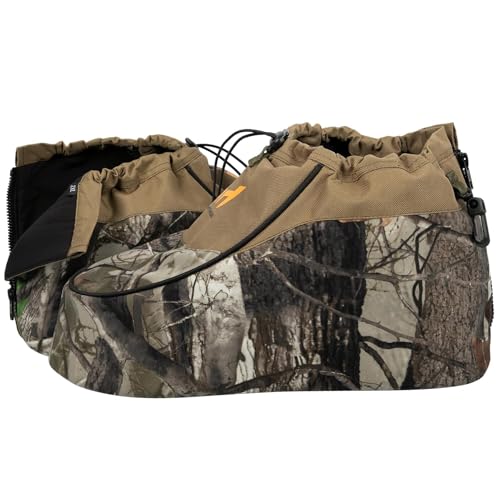
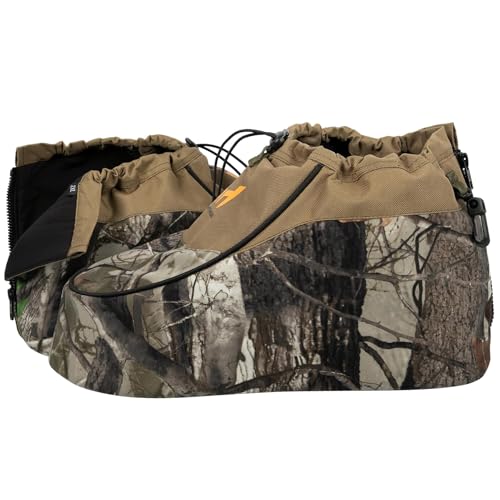
The Hunthor 600D Insulated Boot Covers are made for hunters who want an extra shell over their regular hunting boots. The 600D fabric points to a tougher outer layer than thin shoe covers, which can help resist brush, light abrasion, and cold wind. The camo finish also fits naturally into common hunting clothing systems. This design makes sense for a stationary hunt where warmth matters more than a very light step.
These covers can add a useful barrier without forcing you to replace a pair of boots. I like that approach because hunters can keep using boots that already fit well and have good traction. Still, check the sizing carefully, since an over-boot cover needs enough room for your boot without becoming loose. For the Best Insulated Boot Covers for Hunting, this Hunthor model stands out as a simple, budget-minded way to add another layer around the foot and lower leg.
Pros:
- 600D outer material offers useful abrasion resistance
- Insulated design adds a warm barrier over regular boots
- Camo pattern blends with common hunting gear
- Over-boot format lets you keep your trusted footwear
- Useful for tree stands, blinds, and slow-moving hunts
- Wind-blocking outer shell can reduce heat loss
Cons:
- May feel bulky over large or heavily insulated boots
- Extra layers can reduce foot flexibility while walking
- Water resistance should not be treated as full waterproof protection
UIIHUNT Insulated Boot Covers

UIIHUNT positions these insulated boot covers as a lightweight option for hunting, tree stands, and saddle setups. That focus matters because a cover that weighs too much can become tiring during a long walk. The water-resistant shell may help shed light moisture, splashes, and damp brush. It also gives your footwear a second outer layer against wind.
I see this model as a good fit for hunters who move between walking and sitting. It should be easier to manage than a very heavy overshoe, although any cover will add some bulk. The fit is especially important for saddle hunters, who need room to move while climbing and shifting position. If you want the Best Insulated Boot Covers for Hunting with a lighter feel, UIIHUNT deserves a close look.
Pros:
- Lightweight design may reduce fatigue on mobile hunts
- Water-resistant outer layer helps with damp conditions
- Designed for hunting and tree stand use
- Can provide added warmth without buying new boots
- Suitable for hunters who switch between walking and sitting
- Simple cover format can pack more easily than bulky boots
Cons:
- Lightweight construction may offer less abuse resistance than heavy 600D fabric
- Water resistance is not the same as sealed waterproof protection
- May not provide enough room over very wide boots
Hunthor 600D Boot Covers, Second Variant

This second Hunthor listing uses the same 600D insulated boot-cover concept. The main appeal is the tough-looking camo shell and the ability to wear the cover over boots you already own. A separate outer layer can help protect against cold wind and contact with wet leaves. It may also keep mud and dirt off the main boot, which makes cleanup easier after a hunt.
I would consider this version for hunters who spend hours in a blind or tree stand and want a practical cold-weather layer. The cover is not a replacement for proper base layers, dry socks, and well-fitting boots. The National Weather Service warns that cold and wet conditions can increase the risk of cold stress, so keeping feet dry remains just as important as adding insulation. Among the Best Insulated Boot Covers for Hunting, this model offers a familiar balance of warmth, coverage, and rugged fabric.
Pros:
- 600D fabric gives the outer shell a sturdy feel
- Insulated construction supports long stationary hunts
- Camo appearance suits many hunting clothing systems
- Protects regular boots from some mud and outdoor debris
- Useful for cold blinds, stands, and wildlife observation
- May extend the comfort range of an existing boot
Cons:
- Large boots may make the fit tight or difficult
- Added bulk may be noticeable during steep climbs
- Exact warmth depends on the boot, sock, and weather conditions
Hunthor 600D Boot Covers, Third Variant
This Hunthor listing is another version of the 600D insulated cover style. It is aimed at cold-weather users who want to place an insulating shell over a standard hunting boot. The durable fabric can be useful around rough ground, frozen grass, and low brush. The camo outer also keeps the cover from looking out of place in the field.
The biggest value here is flexibility. You can choose a boot for traction and fit, then add a cover when temperatures drop. I recommend trying the cover on with the exact socks and boots you plan to wear before a hunt. A good fit should feel secure around the boot and calf without squeezing the foot. For buyers comparing the Best Insulated Boot Covers for Hunting, this Hunthor version is worth considering when rugged coverage ranks high on the list.
Pros:
- Durable 600D material suits demanding outdoor use
- Extra insulation helps reduce exposure to cold air
- Over-boot design works with many existing footwear systems
- Camo finish supports a low-profile hunting setup
- Helpful for cold ground and long periods of stillness
- Can reduce wear on the boot underneath
Cons:
- May not suit fast hikes or technical terrain
- Requires careful sizing over the user’s boot
- May trap moisture if worn with damp socks or wet boots
Croknit Insulated Boot Covers With Fleece

Croknit takes a comfort-focused approach with fleece around the feet and an opening designed to work with heating pads. That feature may appeal to hunters who struggle with cold toes during long sits. The adjustable drawstring can help close the top around the leg and limit drafts. The listing also presents the covers for hunting, fishing, and other outdoor use.
The heating-pad pocket is a useful idea, but users should follow the pad maker’s safety directions and inspect the cover for heat buildup. Fleece can feel soft and warm, yet it may hold moisture if the inside of the boot is already wet. I would choose this model for comfort-first use in a blind, stand, or fishing shelter. For the Best Insulated Boot Covers for Hunting, Croknit is the most appealing option for people who want fleece feel and possible heat-pad support.
Pros:
- Fleece foot area adds a soft comfort layer
- Interlayer may accommodate compatible heating pads
- Adjustable drawstring helps limit drafts at the top
- Useful for hunting, fishing, and cold outdoor work
- Can add warmth without changing the main boot
- Suitable for men and women when sizing is correct
Cons:
- Fleece may retain moisture if the boot is wet
- Heating pads require careful use and regular checking
- Soft construction may not be as abrasion-resistant as 600D fabric
Hunthor 600D Boot Covers, Fourth Variant
This fourth Hunthor option follows the same core formula: 600D fabric, insulated coverage, and a camo look for cold hunting trips. It can serve as a protective layer over a pair of boots that already offers the traction you need. That is helpful when your favorite boots fit well but do not feel warm enough for a long sit. The cover may also help shield the boot from wind and light outdoor moisture.
I would place this version on the shortlist for hunters who value a rugged outer material at a reasonable price. Like other over-boot products, it needs room to fit over the boot without pinching. Do not judge insulation by the cover alone; dry socks, loose-enough footwear, and good circulation all matter. This is a sensible Best Insulated Boot Covers for Hunting choice for cold, mostly stationary use.
Pros:
- 600D shell supports regular outdoor wear
- Insulated design adds a second layer around the foot
- Camo styling fits traditional hunting equipment
- Works over many standard hunting boot setups
- Useful for long sits in blinds and tree stands
- May help protect the underlying boot from dirt
Cons:
- Can feel cumbersome during long walks
- Fit may vary with boot height and shaft width
- Needs proper drying after use in damp weather
Arctic Shield Insulated Boot Covers

Arctic Shield is a familiar name in cold-weather outdoor gear, and these insulated boot covers target hunters who need an over-the-boot solution. The design is made to add warmth while helping protect footwear from cold conditions. An over-cover can be useful when you do not want to buy a separate pair of extreme-weather boots. It also gives hunters a way to change their setup for a specific trip.
I especially like this style for stand hunting, wildlife watching, and other tasks that involve long periods of low movement. Warmth often fades faster when the feet stay still, so a wind-blocking cover can be valuable. The cover should not replace careful planning for snow, standing water, or severe cold. In this Best Insulated Boot Covers for Hunting review, Arctic Shield is a strong mainstream option for hunters who want added coverage from an established outdoor brand.
Pros:
- Purpose-built for over-the-boot cold-weather use
- Insulated structure supports stationary outdoor activity
- Useful for hunting, wildlife viewing, and field observation
- Lets users keep a familiar boot underneath
- May help reduce wind exposure around the foot
- Good match for tree stands and blinds
Cons:
- May be too bulky for quick, active hunts
- Boot and cover sizing must work together
- Performance varies with the user’s socks and base boots
Arctic Shield 600D Windproof Boot Covers

This Arctic Shield model uses 600D windproof fabric with a water-resistant PVC-style outer layer. That combination gives it a more protective feel for wet brush, cold wind, and rough outdoor conditions. The product is also listed for fishing, surveillance, and wildlife photography, not only hunting. That wider use can make sense for anyone who spends hours outside with little movement.
The main strength is its focus on weather protection. Wind can pull heat away from the body quickly, and a cover that blocks air may help the insulation work better. Still, water-resistant fabric has limits, especially in deep snow or standing water. I would choose this model when the Best Insulated Boot Covers for Hunting must handle cold wind and occasional moisture while offering a durable outer shell.
Pros:
- 600D fabric offers a durable exterior
- Windproof construction helps limit cold air exposure
- Water-resistant PVC layer adds weather protection
- Useful for hunting, fishing, surveillance, and photography
- Insulated format suits long periods of stillness
- Can protect the boot underneath from outdoor grime
Cons:
- Heavy-duty materials may add weight
- Water-resistant does not mean fully waterproof
- May feel less flexible during active travel
How I Evaluate Insulated Boot Covers for Hunting
Buying an insulated boot cover is not just a search for the thickest product. I first look at how the cover fits over a real hunting boot. A cover that crushes the toes can reduce comfort, while one that slips may create a trip risk. The best design holds close enough to stay in place but leaves room for normal movement and dry socks.
I also look at the outer fabric. A 600D shell usually suggests more resistance to scrapes than a thin textile, though fabric denier alone does not tell the whole story. Seams, closures, sole design, and the quality of the lower panel matter too. For wet hunts, I check whether the listing says water-resistant or waterproof, because those terms should not be treated as equal.
Warmth comes from a system, not one layer. The boot cover, boot, sock, footbed, and fit all work together. The American Academy of Orthopaedic Surgeons notes that tight shoes can create foot problems, so I never recommend sizing down to get a snug cover. A little space can help, but too much space can reduce stability.
I also consider how the cover affects movement. A tree stand hunter may accept more bulk than a hunter who walks several miles. A saddle hunter needs freedom to climb and adjust position. A photographer may care more about quiet movement and weather protection. That is why the Best Insulated Boot Covers for Hunting will not be the same for every buyer.
Key Features to Check Before Buying
Insulation and warmth
Insulation slows heat loss, but it does not create heat by itself. If your feet begin cold, a cover may only slow the problem. Start with dry socks and a boot that fits without pressure. Then use an insulated cover to add another barrier against wind and cold air.
Outer material
Many hunting covers use nylon or polyester fabric. A 600D label often points to a thicker, tougher textile than lightweight fabric. It can be useful when walking through brush or placing your feet against rough surfaces. Yet a tough fabric may also feel less soft and less flexible.
Water resistance
Light rain and wet grass are different from deep snow and standing water. A water-resistant cover may shed drops for a while, but it may not stop water under pressure or through open seams. If you hunt in very wet areas, inspect the lower edge, sole, and closures. Keep the cover dry between trips to reduce odor and material wear.
Fit over your boots
Measure the boot you will actually wear. Include thick socks and any insole that takes up extra space. Check the cover’s boot height and opening size, not just the listed shoe size. A cover should not press hard on the toe or ankle.
Closures and adjustment
Drawstrings, hook-and-loop straps, elastic openings, and zippers each have strengths. A drawstring can help close the top around different leg sizes. A zipper may make entry easier but can catch debris. Hook-and-loop closures are simple to adjust with gloves. The best choice depends on how often you put the covers on and off.
Weight and packability
Light covers suit walking hunts and backup use. Heavier covers may offer stronger material and more warmth. If you carry them in a pack, look for a design that folds without taking up too much space. Remember that weight on the feet feels more tiring than the same weight on your back.
How to Use Boot Covers on a Cold Hunt
Put the covers on before your boots become wet or cold. This gives you a better chance to start with warm, dry feet. If the cover fits over the boot, test the system at home first. Walk, climb a few steps, and sit down to see if the cover shifts.
Do not tighten the cover so much that it pinches the boot. Pressure can reduce comfort and may interfere with circulation. The CDC advises people to watch for signs of cold injury, including numbness, pale or waxy skin, and unusual pain. Leave the field and warm up safely if your feet begin to lose normal feeling.
Use socks that move moisture away from the skin. Avoid cotton for long, wet hunts because it can hold moisture next to the foot. Change socks if they become damp. Also, keep a spare pair in a sealed bag inside your pack.
After the hunt, remove the covers and let both the covers and boots dry fully. Do not place them directly against a high heat source, since intense heat can damage adhesives, coatings, and synthetic materials. Brush off dirt when dry. Store the covers loose so air can reach the inside.
Which Type of Hunter Needs Boot Covers?
Tree stand hunters often gain the most from insulated boot covers. They may sit still for several hours while cold air moves around the stand. A cover adds a layer without requiring a new boot purchase. It can also help shield the boot from damp leaves and cold metal surfaces.
Blind hunters can benefit for the same reason. A blind may block some wind, but the floor can remain cold. If the boot cover fits well, it may reduce the chill that rises from below and around the footwear. A small seat pad and dry socks can improve the setup even more.
Mobile hunters should look at weight and flexibility first. A thick cover may keep feet warm but become tiring on a long hike. For this use, a lighter model such as the UIIHUNT option may make more sense. Always confirm that the cover does not affect your ability to place your foot securely.
Saddle hunters need a careful balance. The cover must add warmth while allowing enough ankle movement for climbing and repositioning. Test the cover with the saddle system before hunting. A cover that works well in a blind may feel awkward during a climb.
Wildlife photographers and field observers can also use these covers. Their work often involves long waits in cold weather. The Arctic Shield options may appeal to users who want a more weather-focused outer layer. Quiet handling and stable footing still matter, so do not ignore those points.
My Recommendation
For most hunters, I would start with the Arctic Shield 600D Windproof Boot Covers. The 600D outer fabric, windproof focus, and water-resistant lower protection create a well-rounded setup for cold, damp conditions. It is a good choice for tree stands, blinds, wildlife work, and other situations where warmth and weather protection matter more than minimum weight.
I would choose the Hunthor 600D covers for shoppers who want rugged coverage and a camo look at a practical price. The UIIHUNT model is better for users who want a lighter option for mixed walking and sitting. Croknit is the most interesting choice for fleece comfort and a heating-pad pocket, provided the user follows heating-pad safety directions.
These products are best viewed as add-on insulation, not magic shields against severe cold. Good socks, a dry boot, proper fit, and regular movement remain essential. Among the Best Insulated Boot Covers for Hunting, the right choice depends on whether you value durable fabric, low weight, fleece comfort, or stronger wind protection. Availability and prices can change, so check the current Amazon listing before ordering.
| Best for | Why |
|---|---|
| Tree stand and blind hunters | Arctic Shield 600D offers strong wind and weather coverage for long sits. |
| Budget-minded hunters | Hunthor 600D covers add insulation and a tough outer layer over existing boots. |
| Comfort-focused cold-weather users | Croknit adds fleece around the feet and space for compatible heating pads. |
FAQs Of Best Insulated Boot Covers for Hunting
Do insulated boot covers replace winter hunting boots?
No. They add a layer over your current boots, but they do not replace proper traction, fit, waterproofing, or insulation. Choose a base boot that suits the terrain and weather first.
Are insulated boot covers waterproof?
Not always. Many listings use terms such as water-resistant, which usually means the cover can shed light moisture but may not stop prolonged soaking. Check the product details and avoid deep water unless the design clearly supports it.
Can I wear boot covers over insulated boots?
Sometimes. You need enough space for the full boot without crushing your toes or restricting movement. Measure the boot and compare it with the cover’s size chart before buying.
Are boot covers good for walking hunts?
Some are, but added bulk can increase fatigue. Pick a lighter model for long walks and test it on a short trip first. Heavy 600D covers often suit stationary hunts better.
How do I keep hunting boot covers dry?
Remove them after the hunt and air-dry them at room temperature. Brush off dirt once dry, and avoid direct high heat. Store them in a dry, ventilated place.
Final Verdict: Which Should You Buy?
The Arctic Shield 600D Windproof model is my top pick for broad cold-weather use. Hunthor is a strong value choice, UIIHUNT suits lighter use, and Croknit favors fleece comfort.
The Best Insulated Boot Covers for Hunting can extend the comfort of your current boots. Match the cover to your hunt, check fit, and keep your feet dry.

Madison Clark is a footwear expert and the voice behind MyStyleGrid.com. She specializes in honest shoe reviews, style tips, and practical guides to help readers find the perfect pair for any occasion. With years of experience in blogging and content creation, Madison makes footwear knowledge simple, stylish, and easy to follow.