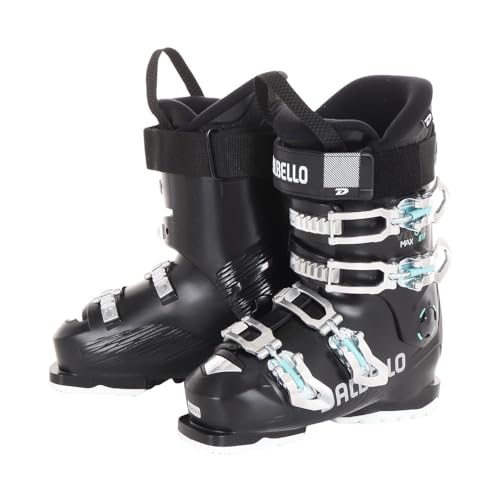
The best ski boots for wide calves women’s combine adjustable cuffs, comfort, warmth, and reliable downhill control.
You reach the lodge ready for a great day, but your ski boots pinch your calves before you even reach the lift. I understand that frustration. A women’s ski boot must hold the heel firmly without squeezing the upper leg or cutting off comfort. The models below offer softer flex, comfort-focused shapes, or higher-volume designs that may work well for wider calves. Still, calf shape differs from person to person, so I always suggest trying boots with your ski socks and asking a boot fitter to adjust the cuff.
Rossignol Kelia 50 Women’s Ski Boots

The Rossignol Kelia 50 is a gentle, comfort-first downhill boot for women who want easy control. Its softer flex can feel less demanding than a stiff performance boot. That matters when your calves need room to move and you do not want a hard cuff pressing into them all day. I see this model as a strong starting point for newer skiers and relaxed resort riders.
The black and white design looks clean, while the women’s shape aims to support a more natural fit. A softer boot can make walking, learning turns, and standing in lift lines less tiring. It may also work well for skiers who wear thicker ski socks, though extra socks should never replace a correct fit. If you want the best ski boots for wide calves women’s shoppers can wear comfortably on groomed runs, the Kelia 50 deserves close attention.
Pros:
- Soft flex feels friendly for beginner and casual skiers
- Comfort-focused women’s shape
- Less tiring during long resort days
- Easy choice for groomed runs and light all-mountain use
- Simple four-buckle layout supports a secure fit
- Classic black and white color works with most ski gear
Cons:
- Soft flex may feel limited for aggressive skiing
- May still need cuff adjustment for very wide calves
- Less suitable for high-speed, hard-charging turns
Rossignol Kelia 50 Women’s Ski Boots
This second Kelia 50 listing uses the same model name and image, so its main difference is the listed Amazon product page and available size or stock. The boot keeps the same easy-going character that makes the Kelia line popular with newer women skiers. I like its balance of basic support and a forgiving feel. It does not ask you to ski with the force or precision needed by a race-style boot.
For a woman with fuller calves, the most useful feature is often not a special “wide calf” label. It is the ability to close the cuff without pain while keeping the heel stable. The Kelia 50 can be a good value choice when comfort matters more than maximum edge power. Before buying, check the current size chart and return terms because ski boot sizing must follow foot length, not normal shoe size.
Pros:
- Approachable flex for first-season skiers
- Comfortable option for slow to moderate speeds
- Good match for resort lessons and easy trails
- Women-specific styling and fit focus
- Often easier to manage than very stiff boots
- Useful choice when price and comfort both matter
Cons:
- Not a true guarantee of a wide calf opening
- May lack the precision advanced skiers want
- Availability can vary by size and season
Nordica Cruise S W Women’s Ski Boots 24.5
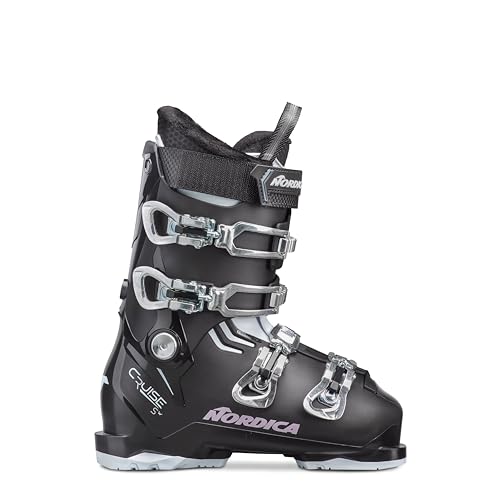
The Nordica Cruise S W brings a comfort-fit idea to an all-mountain alpine boot. It is listed here in size 24.5, so this option makes sense only if that shell size matches your foot. Nordica’s Cruise family is known for a relaxed, easy-to-wear approach rather than a narrow race fit. That can help women who feel cramped by traditional low-volume boots.
I would look closely at this model if you want more room through the boot while still keeping useful support for varied resort terrain. A comfort fit can reduce pressure around the foot, but it does not automatically solve every calf problem. The upper cuff must still sit below the widest part of your leg or close without forcing the tongue into your shin. For many shoppers comparing the best ski boots for wide calves women’s models, this Nordica is one of the more practical comfort-led choices.
Pros:
- Comfort-fit design suits skiers who dislike tight boots
- All-mountain use gives it more range than a basic learner boot
- Good option for resort cruising and mixed groomed terrain
- Relaxed feel may reduce pressure during long days
- Women’s model offers a purpose-built shape
- Size 24.5 listing is clear for shoppers with that shell size
Cons:
- Only the listed size may be available on this product page
- Comfort fit can feel less precise on hard snow
- Wide calves may still require professional cuff work
Rossignol Kelia 50 Women’s Ski Boots
This Kelia 50 listing gives shoppers another route to the same comfort-minded women’s downhill boot. I would compare the available sizes, seller information, delivery terms, and return policy before placing an order. The boot’s soft feel may suit a new skier who wants to build confidence without fighting a rigid shell. It also works for casual riders who spend most of the day on groomed trails.
When I review boots for wider calves, I pay attention to the whole fit system. The foot should stay planted, the heel should not lift badly, and the cuff should close without sharp pressure. The Kelia 50 checks many comfort boxes, but an in-person shell check remains the safest way to confirm fit. It is a sensible candidate for shoppers who value warmth, easy flex, and a less aggressive ride.
Pros:
- Forgiving flex helps reduce the learning curve
- Comfortable feel for light and moderate resort use
- Good match for women who find stiff boots tiring
- Downhill design supports normal alpine ski bindings
- Simple look and easy product comparison
- Potentially good value for occasional ski trips
Cons:
- Soft construction may not satisfy advanced skiers
- Calf comfort depends on individual leg shape
- Exact stock and sizing may change on Amazon
Nordica Cruise S W Women’s Ski Boots 25.5
The Nordica Cruise S W in size 25.5 offers the same comfort-fit concept as the 24.5 listing, but the larger shell size may suit a longer foot. Do not size up just to gain calf room. A shell that is too long can cause heel movement, weak control, and cold toes. Choose this listing only when your measured foot length supports a 25.5 mondo size.
This boot could be a smart match for women who want an easy all-mountain feel and more breathing space than a slim performance shell. The relaxed design may feel kind to the feet during long lift rides and slow runs. I still recommend thin ski socks, correct buckle tension, and a cuff check before deciding that the boot is too tight. Among the best ski boots for wide calves women’s shoppers can compare, this model stands out for its comfort-first purpose.
Pros:
- Comfort fit offers a less restrictive ride
- 25.5 size gives a clear option for larger feet
- Useful for all-mountain resort skiing
- Good choice for long, relaxed ski days
- Women’s design supports a natural lower-leg position
- More forgiving than many high-performance boots
Cons:
- Incorrect sizing can create heel lift
- Not ideal for very aggressive or expert skiing
- A roomy foot shape does not ensure a wide calf cuff
Rossignol EVO 70 HV+ Ski Boots

The Rossignol EVO 70 HV+ is the most obvious high-volume choice in this group. “HV” means high volume, which usually points to more internal space around the foot and a roomier overall fit. That does not mean the cuff will fit every wide calf, but it gives shoppers a useful starting point. The 70 flex class also suggests more support than a very soft beginner boot.
I like this model for an intermediate skier who wants comfort without giving up all response. The higher-volume shape can feel less like a vise around the foot, while the moderate flex helps transfer pressure into turns. It may be a better bridge from rental boots to personal equipment. If your calf is wide and your foot is also broad, the EVO 70 HV+ deserves serious attention when choosing the best ski boots for wide calves women’s use.
Pros:
- High-volume design may suit broader feet
- Moderate flex balances comfort and support
- Good step up from soft beginner boots
- Useful for intermediate resort skiers
- More room can help reduce pressure points
- Unisex shape may suit shoppers who need extra volume
Cons:
- High volume is not the same as a wide calf cuff
- May feel too relaxed for expert skiers
- Unisex fit may not match every women’s lower-leg shape
Rossignol EVO 70 HV+ Alpine Ski Boots
This second EVO 70 HV+ listing gives shoppers another product page for the same high-volume boot. I would compare both listings for size selection and seller terms before buying. The boot’s key appeal remains its roomier build and medium level of support. It can help skiers who feel squeezed in narrow boots but still want a firm connection to the skis.
A boot that feels good at home may tighten once your legs warm up and swell slightly on the mountain. I suggest testing it indoors with one thin ski sock and your normal base layer. Close the buckles with steady, even pressure instead of forcing the top buckle. For women searching for the best ski boots for wide calves women’s terrain use, the EVO 70 HV+ may offer the most useful mix of extra volume and downhill control in this review.
Pros:
- High-volume fit is helpful for broad feet
- 70 flex gives more structure than entry-level models
- Suitable for progressing intermediate skiers
- Roomy feel can improve comfort on full-day trips
- Good option for resort runs and varied snow
- Practical alternative to a narrow women’s performance boot
Cons:
- May need a boot fitter to tune the upper cuff
- Can feel less exact for racing or very hard turns
- Product listings may show different available sizes
Head Edge 65 W HV Women’s Ski Boots

The Head Edge 65 W HV combines a women’s model with a high-volume fit and a moderate flex. The listed size is 25.5, so the same sizing rule applies: select it only if your measured foot calls for that mondo size. The HV label may give your forefoot more space than a low-volume shell. Its 65 flex can feel manageable for beginners and developing intermediate skiers.
This boot is appealing when your priority list starts with comfort, warmth, and easy control. The white finish has a clean look, and the women-specific design may sit more naturally around the lower leg than a generic men’s boot. I would not call any boot a guaranteed wide-calf solution without measuring the cuff. Still, the Head Edge 65 W HV is a strong contender for the best ski boots for wide calves women’s buyers who need a roomier fit and a forgiving ride.
Pros:
- High-volume shape may reduce forefoot squeeze
- Women-specific design supports comfort
- 65 flex suits newer and progressing skiers
- Good choice for relaxed all-mountain resort use
- Moderate support helps with basic edge control
- Clean white finish looks modern on the mountain
Cons:
- 25.5 listing will not fit every skier
- Wide-volume foot fit may not equal a wide calf fit
- Advanced skiers may want a stiffer boot
My Recommendation
After comparing these listings, I would start with the Rossignol EVO 70 HV+ for a woman who has both broad feet and fuller calves. Its high-volume build and medium support make it more versatile than the softer Kelia 50. The Head Edge 65 W HV is my next choice for a beginner or intermediate skier who wants a women-specific, roomier boot. The Nordica Cruise S W is especially attractive for shoppers who place comfort and easy all-day wear above aggressive performance.
The Kelia 50 remains a good value pick for first-time skiers and occasional vacation use. Its softer flex can feel friendly, but it may not provide enough response for fast, powerful skiing. Remember that “wide calf” describes your lower leg, while “HV” often describes the foot and shell volume. A ski shop can open the cuff, adjust buckle positions, or heat-mold the liner when the base fit is close but not perfect.
| Best for | Why |
|---|---|
| Broad feet and fuller calves | Rossignol EVO 70 HV+ offers a high-volume starting point with useful medium support. |
| Beginners and relaxed resort skiers | Rossignol Kelia 50 uses a softer, forgiving feel that is easier to manage. |
| Comfort-focused all-mountain use | Nordica Cruise S W and Head Edge 65 W HV offer relaxed shapes for long ski days. |
How I Chose the Best Ski Boots for Wide Calves Women’s
Calf comfort comes first in this review, but I do not judge it by marketing words alone. I look at flex, shell volume, women-specific shaping, size clarity, and the type of skiing each boot supports. A boot can feel wide at the foot yet remain tight at the calf. That is why I separate foot width from cuff width when I compare the best ski boots for wide calves women’s shoppers may buy.
I also consider how the boot behaves during a full resort day. A boot that feels fine for ten minutes may hurt after several hours. I favor designs that let you keep the heel secure without crushing the shin. I also check whether the boot makes sense for a beginner, an intermediate skier, or someone who wants a more powerful ride.
What Makes a Ski Boot Good for Wide Calves?
The upper cuff is the part that surrounds your lower leg. If it sits over the widest point of your calf, you may feel pressure even when the footbed feels perfect. A good match leaves room for your leg without creating a loose heel. Think of the boot like a firm handshake: secure, but never painful.
Look for a cuff that closes without using the last buckle hole. Some boots let a fitter move the buckle catch or adjust the cuff angle. A softer flex can also feel kinder because the shell does not push as hard into the shin. Still, too much softness may reduce control, so choose flex based on your skill, weight, and speed.
Wide Calf Versus Wide Foot Fit
These terms are easy to mix up. A high-volume boot usually gives more room around the foot, instep, and sides of the shell. It may help a woman with a broad foot, but it does not promise a larger calf opening. A boot can have a roomy toe box and a narrow cuff.
Measure both areas before you shop. Trace your foot or have a shop measure it in mondo sizing. Then note the widest point of your calf while wearing the ski pants and socks you plan to use. This simple step helps you avoid buying a boot that is too long just to gain upper-leg space.
How Ski Boots Should Fit a Woman’s Calf
Your heel should stay mostly in place when you flex forward. A small amount of movement may happen, but a large lift weakens control and creates blisters. The cuff should touch your lower leg without a sharp edge or numb feeling. You should be able to bend your knees in a balanced ski stance.
Do not judge fit while wearing thick casual socks. Ski socks should be thin, warm, and smooth. Extra layers create wrinkles and can make pressure worse. I also suggest trying boots later in the day, when your feet are closer to their normal size after walking.
Why Flex Matters for Wide-Calf Skiers
Flex describes how much force the boot needs when you lean forward. A lower flex number usually feels easier and more forgiving. That can suit a new skier or someone who wants less pressure against the calf. The Kelia 50 is built around this friendly idea.
A medium flex gives more support when you gain skill. The EVO 70 HV+ and Head Edge 65 W HV sit closer to that middle ground. Flex ratings are not identical between brands, so treat the number as a guide, not a universal test. Your height, weight, strength, and skiing style all affect the right choice.
How to Get More Calf Room Without Losing Control
Start with the correct shell size. Sizing up can make the boot feel loose, and a loose boot forces you to overtighten the cuff. That creates the same pain you hoped to avoid. A proper shell check can show whether the length and volume are right before any adjustment.
Next, ask a boot fitter about the cuff. Many ski boots allow small changes to buckle placement or cuff alignment. A fitter may also modify the shell or liner when the boot has enough basic space. These changes should be done with care, because too much room can reduce support.
Use one thin ski sock and keep the lower buckles snug, not crushing. Tighten the upper buckle enough to hold the leg, then flex forward several times. The liner will pack down after use, so a boot that feels slightly firm at first may become more comfortable. It should never cause sharp pain, tingling, or numbness.
Rossignol Kelia 50 Versus Nordica Cruise S W
The Kelia 50 is the simpler choice for beginners who want a soft, easy ride. It can feel less demanding during lessons and gentle runs. The Nordica Cruise S W offers a more comfort-fit, all-mountain direction. I would choose the Nordica when you want extra room and plan to ski a wider range of resort terrain.
Neither model guarantees a wide calf cuff. The better option depends on your leg shape, foot length, and ski level. If your foot is narrow but your calf is wide, a boot fitter may make the Kelia work better than a naturally roomy boot. If both your foot and calf need more space, the Nordica or EVO HV+ may be a better first try.
Rossignol EVO 70 HV+ Versus Head Edge 65 W HV
Both boots use high-volume language, so both deserve attention from shoppers who feel cramped. The EVO 70 HV+ leans toward more support and a broader unisex fit. The Head Edge 65 W HV uses a women-specific model and a slightly softer flex. I would point a progressing skier toward the EVO and a comfort-first beginner toward the Head.
Fit remains more important than the label. A high-volume shell that is too loose can cause foot movement. A women’s boot that is too narrow at the calf can create pain. Try to match the boot to the full shape of your leg and foot, not just one feature in the product name.
Are Softer Ski Boots Better for Wide Calves?
Sometimes, but not always. A soft boot may bend more easily and place less force against the lower leg. That can improve comfort for beginners and casual skiers. Yet a soft boot cannot fix a cuff that is simply too small.
Choose flex based on how you ski. If you make slow turns and stay on groomed trails, a softer model may feel great. If you ski fast, weigh more, or drive the front of the boot hard, you may need medium support. The best ski boots for wide calves women’s riders use should feel comfortable and stable at the same time.
Warmth and Sock Choice
Cold feet often tempt skiers to buy larger boots. That rarely solves the true problem. A loose shell can reduce control and still leave your toes cold. Start with a correct fit and a quality ski sock.
Choose merino wool or a technical blend with a thin, smooth weave. Avoid cotton because it holds moisture. Keep the sock flat under the cuff and remove bulky base layers from inside the boot. If you still feel cold, consider heated socks or footbeds after the fit is confirmed.
How to Break In New Ski Boots
Wear new boots indoors for short periods before your ski trip. Keep the socks and pants the same ones you will use on snow. Flex your knees, walk carefully, and note any hot spot. Do not wait until the first lift line to discover that the cuff hurts.
On the first day, loosen the boots during breaks. Tighten them again before skiing. The liner will settle with use, so the fit may change after several runs. If pain remains in one small area, stop forcing the boot and ask a qualified fitter for help.
Buying Ski Boots Online: What to Check
Online shopping gives you more choices, but ski boots need more care than regular shoes. Confirm the mondo size, flex, volume, and return policy. Check whether the listing is new and whether the seller accepts returns after an indoor fit test. Do not ski outdoors before you know the boot fits.
Read the product page closely because the same model may appear in several sizes or listings. The Nordica pages above list 24.5 and 25.5, while the Head listing shows 25.5. That detail matters. Amazon stock, price, and seller terms can change, so check the live listing before ordering.
Common Mistakes Women Make When Buying Ski Boots
The first mistake is buying by normal shoe size. Ski boots use mondo sizing and need a snug, supportive fit. The second mistake is choosing a bigger shell to create calf room. This often causes heel lift and weak control.
Another mistake is wearing two pairs of socks. That adds pressure and can reduce circulation. Some shoppers also tighten every buckle as hard as possible. Buckles should hold the foot and leg in place, not act like a clamp.
Finally, many women ignore professional fitting. A small cuff adjustment can turn an uncomfortable boot into a useful one. If your calves are wide, a shop visit can save money and prevent a painful trip.
Care and Storage Tips
Dry the liners after every ski day. Remove them from the shells if the manufacturer allows it, then dry them at room temperature. Avoid placing plastic shells beside a heater because excess heat can damage them or change their shape.
Store the boots buckled in a light, normal position. This helps the shell keep its shape. Brush away snow and ice before closing the buckles. Keep the boots in a cool, dry place so the liner stays fresh.
Who Should Choose Each Boot?
Choose the Rossignol Kelia 50 if you are new to skiing, ski only a few trips each year, or want a soft and forgiving feel. Choose the Nordica Cruise S W if comfort fit and easy all-mountain use matter most. The 24.5 and 25.5 listings serve different foot lengths, not different calf widths.
Choose the Rossignol EVO 70 HV+ if you need more shell volume and want to keep progressing. Its medium flex may offer a better balance for intermediate skiers. Choose the Head Edge 65 W HV if you want a women-specific high-volume boot with a gentle flex and a relaxed resort feel.
FAQs Of Best Ski Boots for Wide Calves Women’s
What are the best ski boots for wide calves women’s skiers?
The Rossignol EVO 70 HV+ is the strongest starting point for women who need more overall volume. The Nordica Cruise S W and Head Edge 65 W HV are good comfort-focused alternatives. The final choice depends on your calf measurement, foot length, and skiing level.
Does high volume mean the boot fits wide calves?
No. High volume usually refers to extra room around the foot and shell. The cuff can still feel narrow on a fuller calf. Always check the cuff in person or ask a boot fitter before skiing in the boots.
Should I buy a bigger ski boot for more calf room?
No. A longer boot can cause heel lift and poor control. Buy the correct mondo size, then use cuff adjustment or professional shell work for calf space.
Are soft ski boots better for women with wide calves?
A soft boot may feel less harsh against the calf, especially for beginners. It will not solve a cuff that is too small. Pick a flex that matches your skill, weight, and speed.
Can a boot fitter make ski boots fit wider calves?
Often, yes. A fitter may adjust buckle placement, cuff alignment, the liner, or the shell. The boot must have a sound basic fit before modification can work well.
Final Verdict: Which Should You Buy?
For most shoppers, the Rossignol EVO 70 HV+ is the best starting choice because its high-volume shape offers comfort and useful support. Beginners may prefer the softer Kelia 50, while comfort-focused all-mountain skiers may like the Nordica Cruise S W.
The best ski boots for wide calves women’s buyers choose must fit both foot and lower leg. Measure carefully, use thin socks, and confirm the cuff before skiing. A professional fit can make any good boot feel far better.

Madison Clark is a footwear expert and the voice behind MyStyleGrid.com. She specializes in honest shoe reviews, style tips, and practical guides to help readers find the perfect pair for any occasion. With years of experience in blogging and content creation, Madison makes footwear knowledge simple, stylish, and easy to follow.